Few monsters hold as enduring a grip on our imagination as the vampire. From aristocratic predators stalking fog-choked European streets to domestic terrors hiding in plain sight in American suburbs, vampire fiction has evolved through centuries of shifting cultural anxieties. When readers search for vampires books, they are looking for more than just fangs and blood; they want atmosphere, psychological tension, and the intoxicating thrill of forbidden desire.
As booksellers who live and breathe horror fiction, we have sifted through countless titles to curate this essential reading list. Whether you crave the foundational Victorian masterpieces that birthed the mythos, groundbreaking queer gothic milestones, or modern genre-bending tales, these nine selections represent the absolute best of the undead in literature.
The Foundational Masters
Every exploration of vampire fiction must begin at the source. The nineteenth century established the tropes, rules, and psychological undercurrents that still define the genre today, blending dark romanticism with visceral dread.
1. Dracula (Masterpiece Library Edition) — Bram Stoker
Bram Stoker’s epistolary masterwork remains the cornerstone of vampire literature. Told through journal entries, ship logs, and telegrams, it chronicles the terrifying arrival of Count Dracula on the shores of England. This particular edition offers a stunning presentation for collectors who want atmospheric dread paired with elegant design, suiting fans of classic monster mythology who appreciate slow-build suspense.
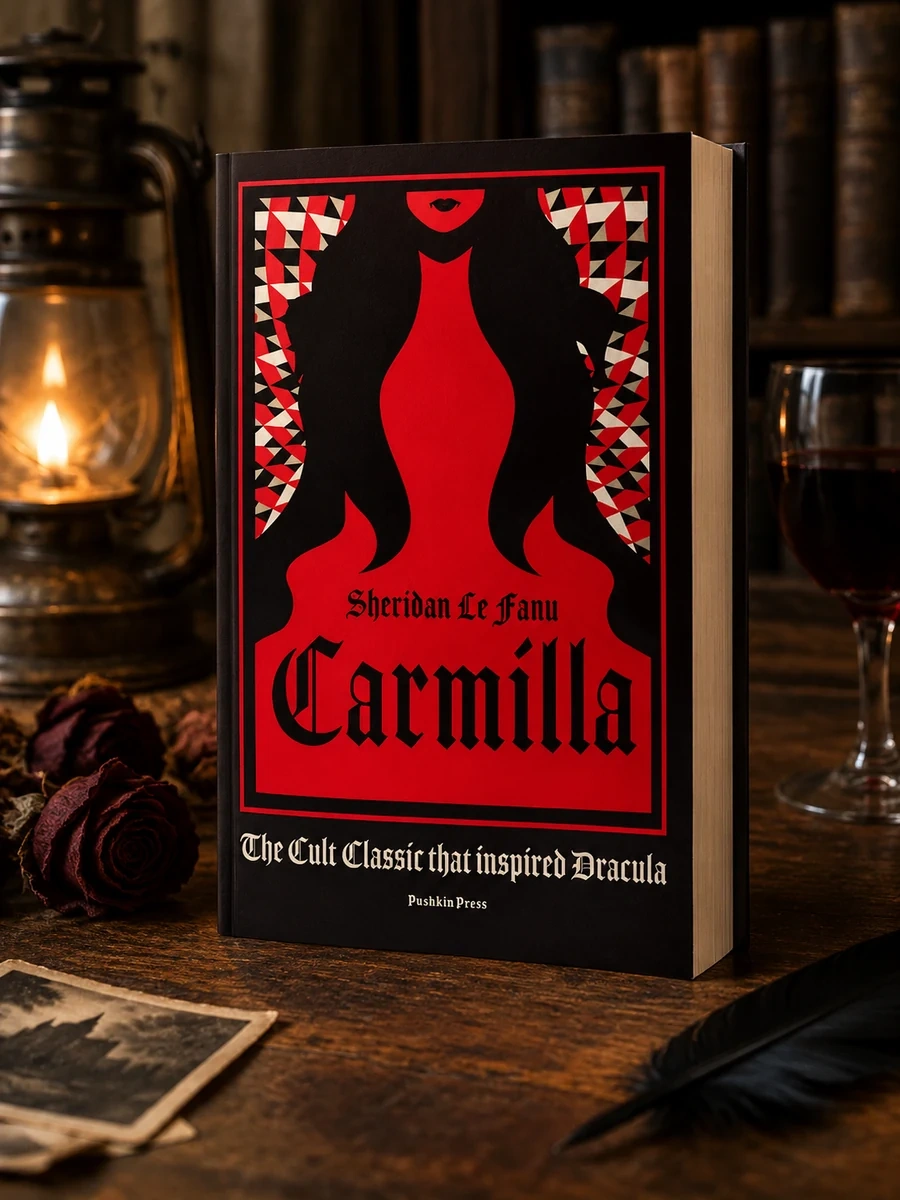
2. Carmilla, Deluxe Edition: The Dark Sapphic Romance That Inspired Dracula — Sheridan Le Fanu
Published twenty-six years before Stoker's novel, Sheridan Le Fanu's novella introduced the archetype of the predatory, magnetic female vampire. Set in a remote Styrian castle, it follows young Laura as she falls under the spell of a mysterious, alluring houseguest named Carmilla. This deluxe edition highlights the rich psychological tension and dark romantic subtext that heavily influenced subsequent vampire lore.
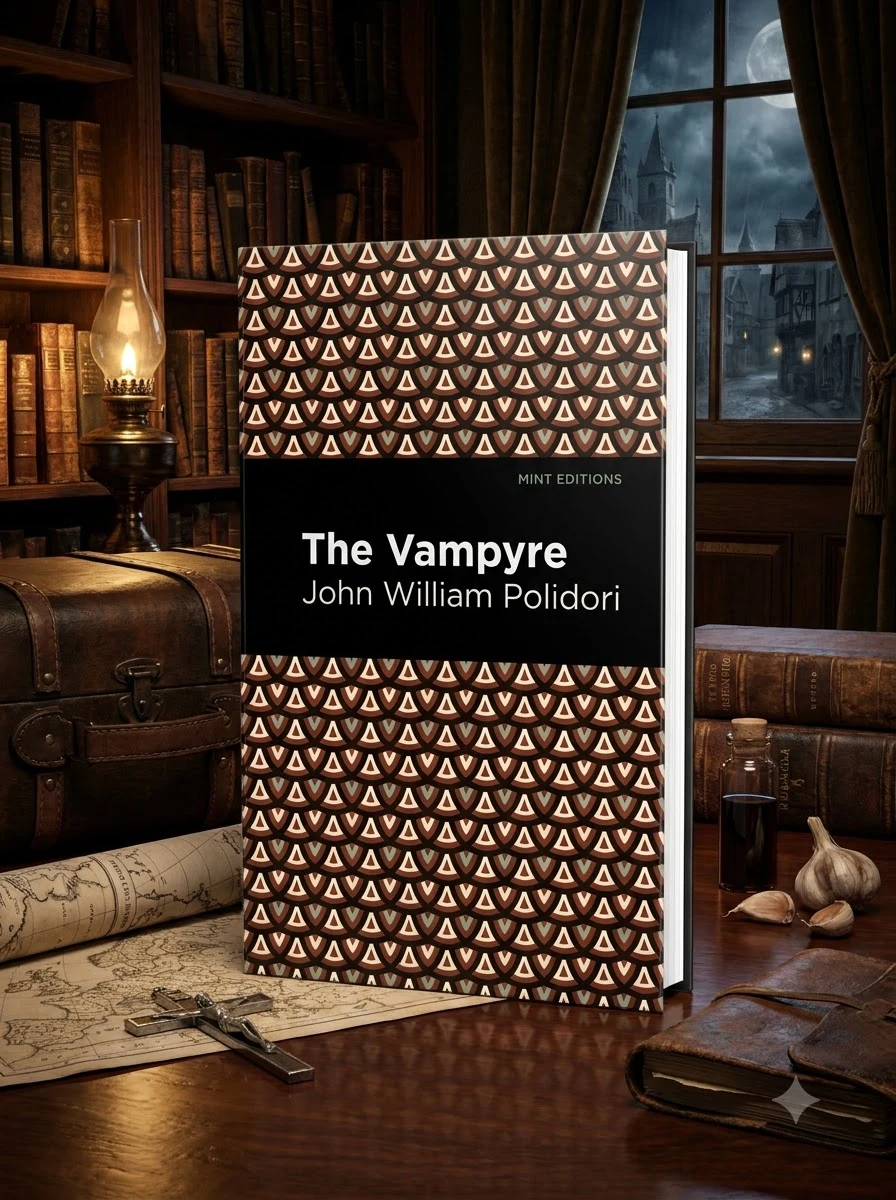
3. The Vampyre — John William Polidori
Born out of the legendary ghost-story competition on the shores of Lake Geneva that also produced Frankenstein, Polidori's short tale gave birth to the modern literary vampire. Lord Ruthven is the blueprint for the aristocratic, charismatic monster who uses charm as a weapon against high society. It is an essential, quick-read historical artifact for any serious fan of horror history.
Gothic Revolutions and Queer Milestones
As the twentieth century progressed, authors began to fracture traditional archetypes, using the vampire metaphor to explore marginalized identities, hidden desires, and societal repression.
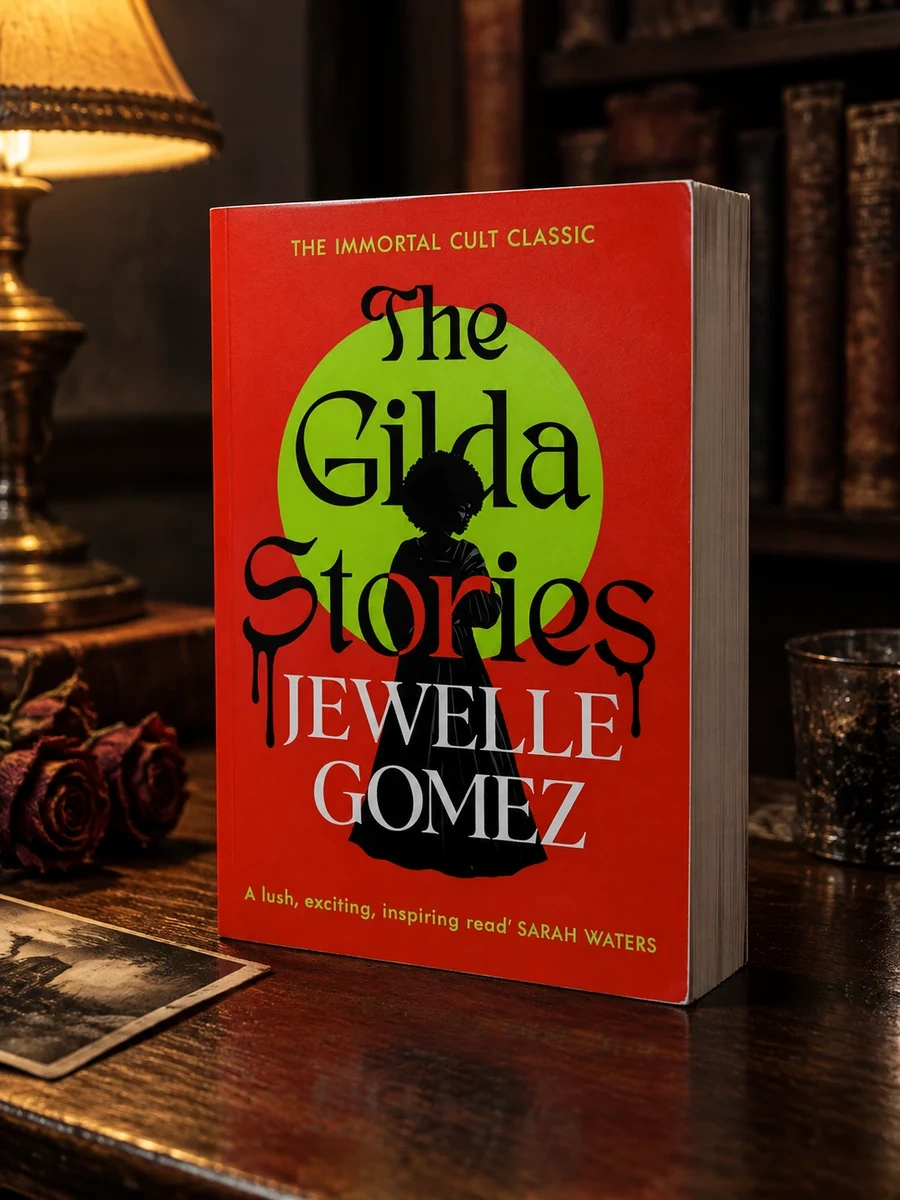
4. The Gilda Stories: The immortal cult classic — Jewelle Gomez
Jewelle Gomez’s landmark novel reimagines the vampire narrative through the lens of an escaped Black enslaved woman in the 1850s who gains immortality and travels through two centuries of American history. Gilda’s journey is one of community, survival, and fierce autonomy rather than monstrous isolation. It is a vital read for those seeking profound character-driven supernatural fiction.
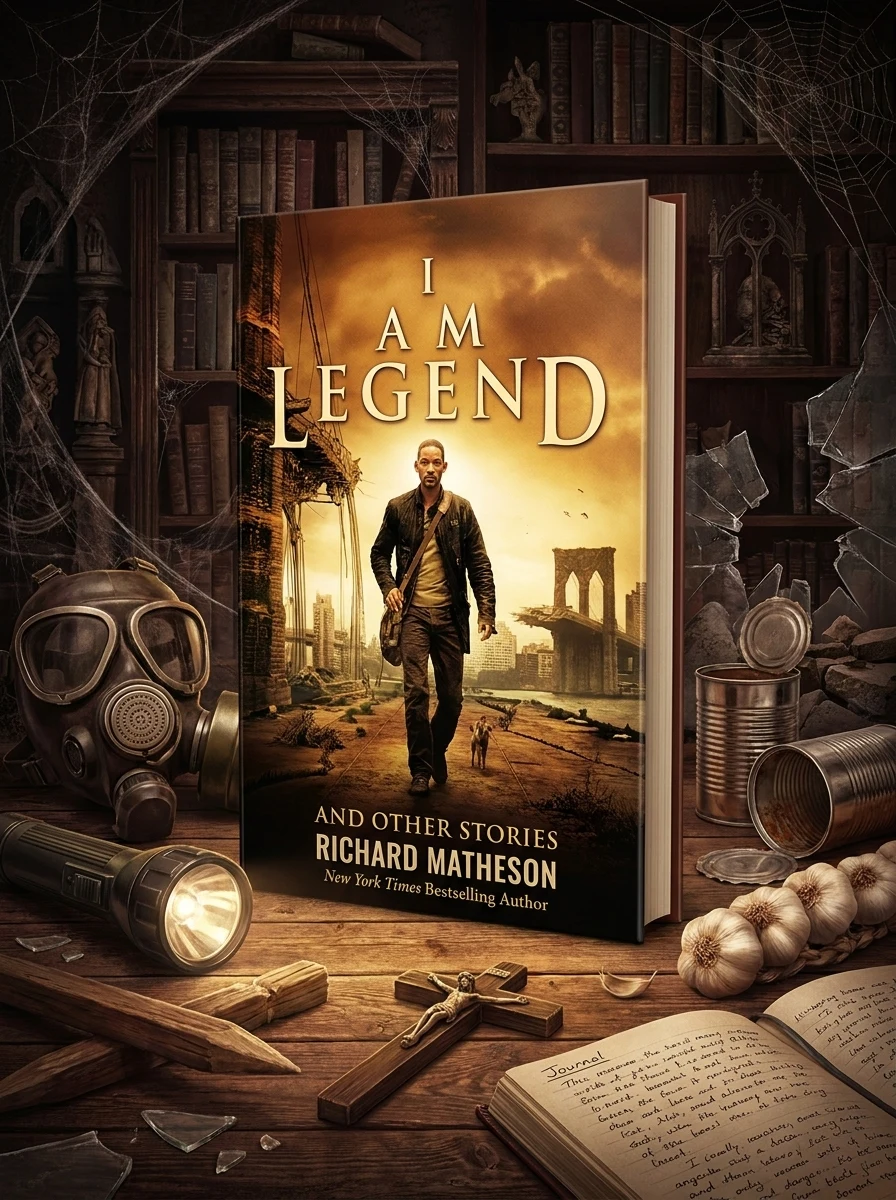
5. I Am Legend, and Other Stories — Richard Matheson
Richard Matheson fundamentally altered the genre by transforming the vampire from an aristocratic gothic fixture into a global pandemic phenomenon. Robert Neville is the last human survivor in a world overrun by the infected, struggling daily with psychological exhaustion and isolation. This collection is mandatory reading for anyone interested in how classic monsters bridged the gap into modern speculative horror.
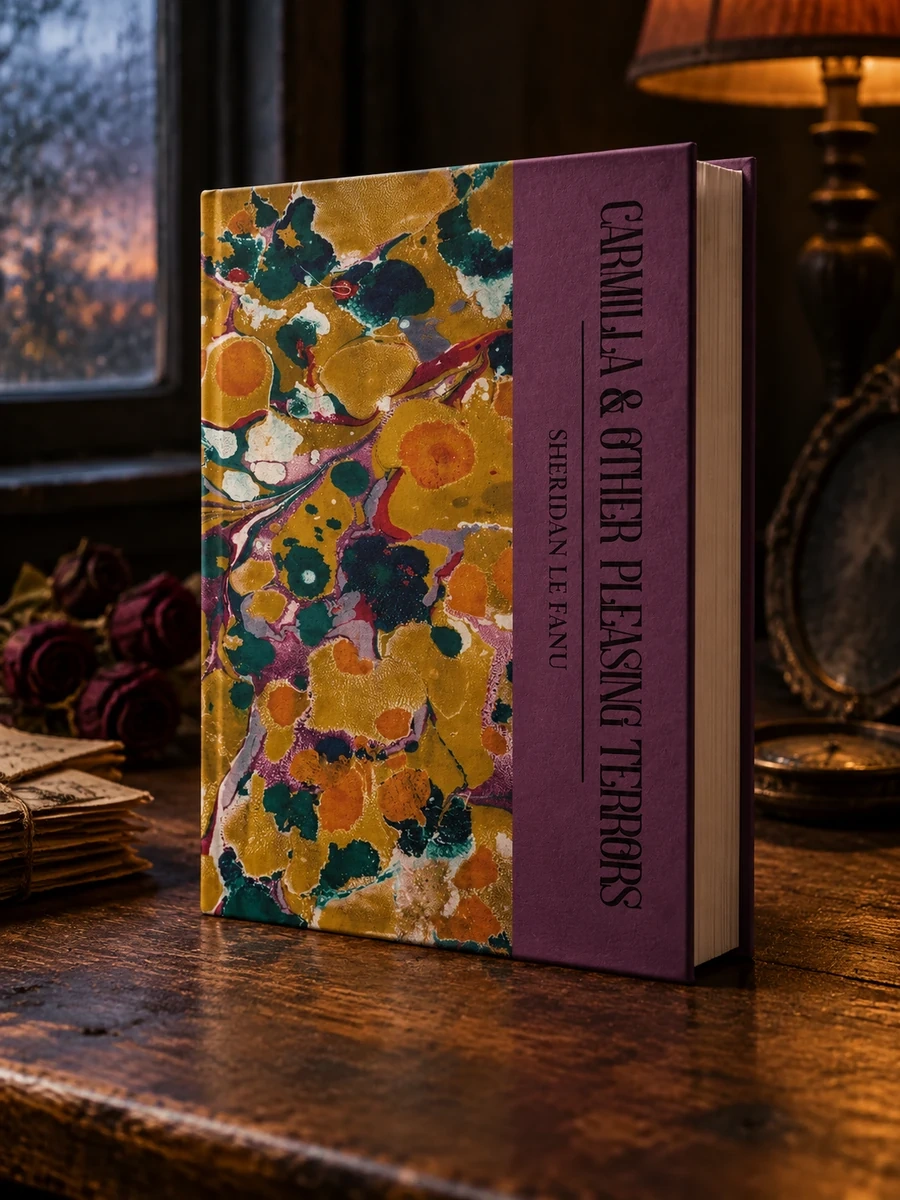
6. Carmilla and Other Pleasing Terrors — Sheridan Le Fanu
For readers who want to examine the architect of Victorian shivers more extensively, this volume pairs Le Fanu's iconic vampire masterpiece with other eerie supernatural short works. It showcases his unmatched talent for crafting claustrophobic settings and lingering unease, making it a budget-friendly treasure for devotees of antique ghost stories.
Modern Subversions and Suburban Nightmares
Contemporary horror writers continue to reinvent the undead, injecting social commentary, sharp humor, and historical grit into traditional vampire tropes.
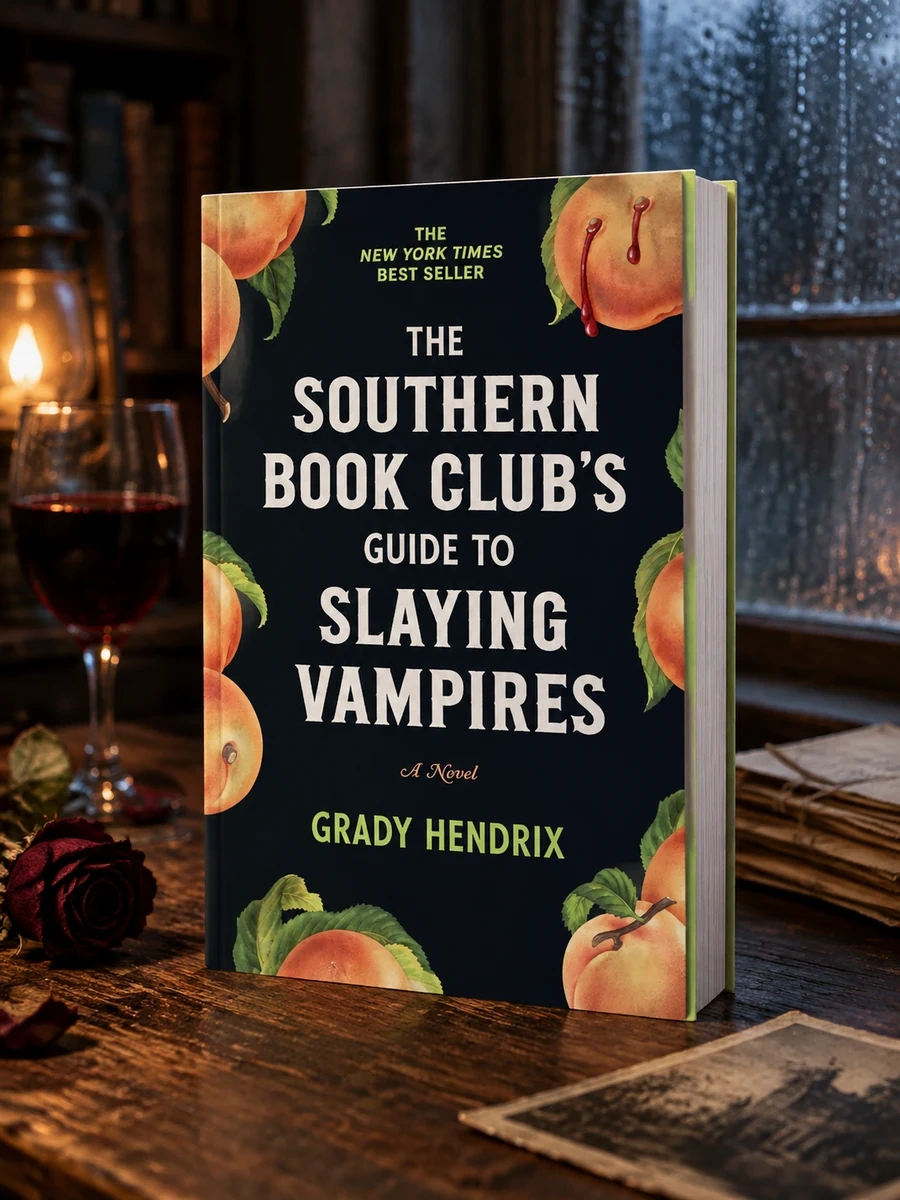
7. The Southern Book Club's Guide to Slaying Vampires — Grady Hendrix
Set in 1990s South Carolina, this novel pairs a suburban book club with a charming, lethal new neighbor who happens to be a creature of the night. Grady Hendrix balances laugh-out-loud dark humor with genuine, skin-crawling suburban dread. If you crave strong female leads, community dynamics, and a fresh spin on small-town terror, this book belongs on your shelf.
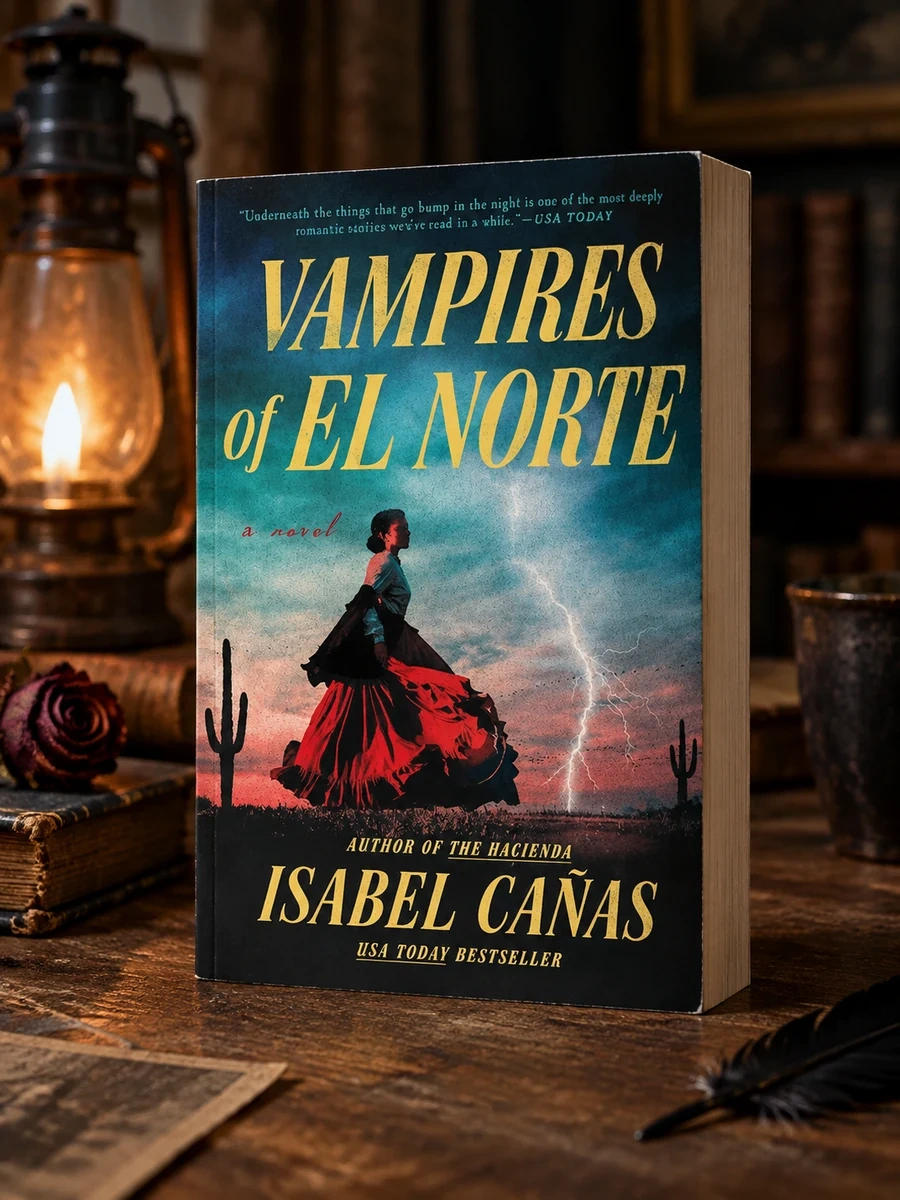
8. Vampires of El Norte — Isabel Canas
Blending historical fiction with dark supernatural romance, this novel is set on the Texas-Mexico border during the 1840s. A vaquero and a healer must reunite to fight not only the encroaching Texas Rangers and the looming Mexican-American War, but a terrifying predatory threat lurking in the mesquite. It is ideal for readers looking for atmospheric folklore and high-stakes historical drama.
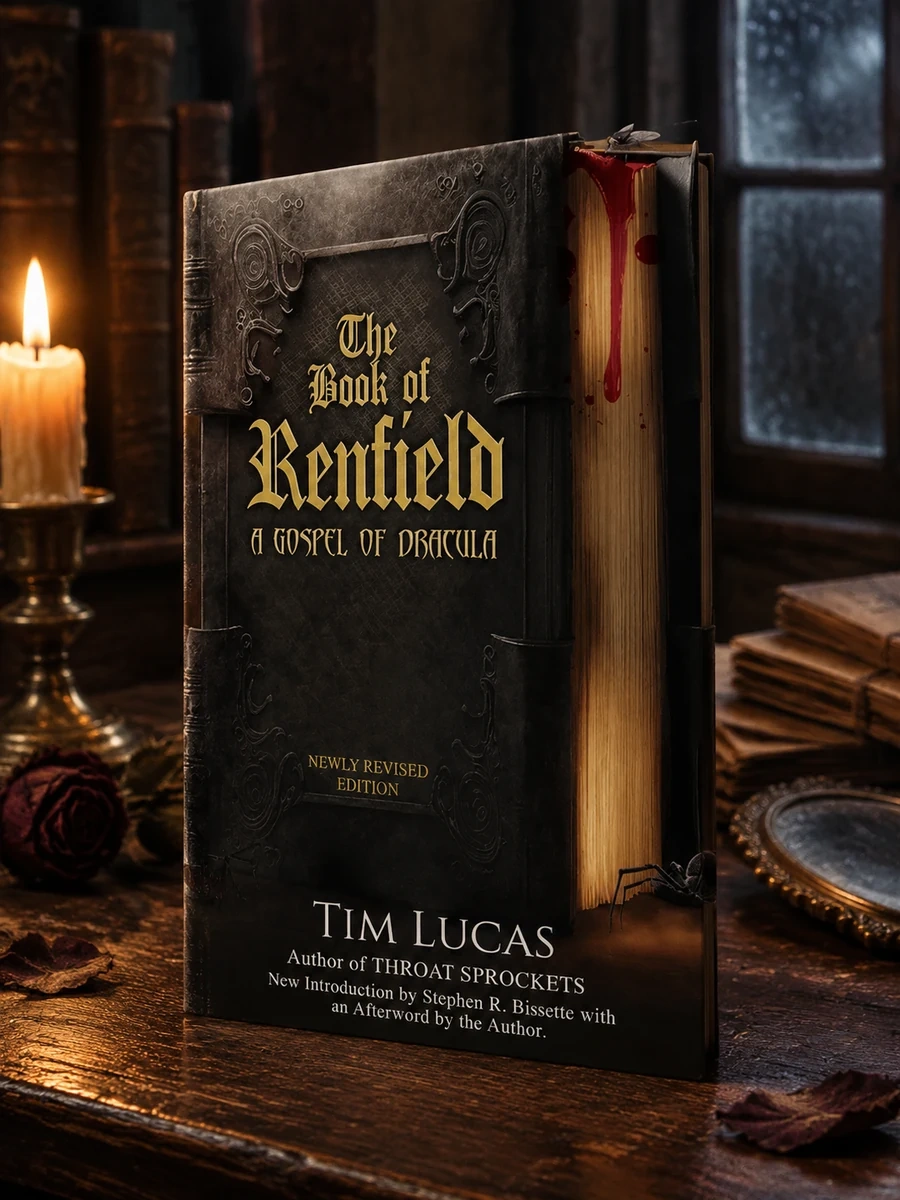
9. The Book of Renfield: A Gospel of Dracula — Tim Lucas
Tim Lucas reimagines Stoker's classic through the perspective of Dracula’s most tragic madman, Thomas Renfield. Structured as a journal kept within an asylum, it reframes Renfield's obsession not as mindless madness, but as a twisted religious devotion to a dark master. This book suits dedicated scholars of the mythos and those who appreciate psychological depth.
How to Choose Your Next Vampire Book
Selecting the right vampire book depends entirely on the flavor of darkness you prefer. If you want grand Victorian prose and epistolary tension, stick with the foundational classics. If you are looking for social commentary, marginalized perspectives, and emotional resilience, look toward twentieth-century milestones like Gomez's work. For modern pacing, sharp humor, and genre-blending historical settings, contemporary horror novels will deliver the exact chills you need. Browse our curated collection above to find your next great nocturnal read. Every volume selected offers a unique perspective on the undying mythos, ensuring that your reading stack satisfies every dark craving for supernatural fiction.
Furthermore, building a comprehensive horror library allows enthusiasts to trace how cultural fears shift across decades. From the strict moral boundaries of Victorian England to the sprawling American frontiers and suburban cul-de-sacs, the vampire adapts to mirror the anxieties of each new era. By exploring these nine distinct publications, readers gain a panoramic view of horror history, appreciating both the timeless tropes and the innovative subversions that keep the genre vibrant and terrifying today.