There is a distinct kind of chill that comes from reading a true gothic novel. It is not the sudden jolt of modern slashers or the sterile dread of high-tech thrillers. Instead, it is a slow, creeping atmosphere of decay—cobwebbed estates, generational curses, secrets locked behind heavy iron doors, and characters whose minds unravel as quickly as the wallpaper on their walls. Readers searching for gothic novel books are usually hunting for that specific flavor of historic, moody isolation where the setting itself behaves like a living, breathing antagonist. When you pick up one of these classic volumes, you are stepping into a literary tradition that spans centuries of human fear, architectural majesty, and psychological torment. The architecture of these stories is unmistakable: grand, crumbling manors battered by howling coastal winds, hidden passages echoing with unexplained footsteps, and brooding protagonists hiding dark, unforgivable secrets. This unique genre blends romance, horror, and philosophical inquiry, creating an immersive experience that lingers long after the final page is turned.
At Horror Reads, we spend our days shelving volumes that smell of old paper and damp earth, sorting through centuries of shadows. To help you traverse the gloom, we have assembled 12 essential titles from our catalog that capture the very soul of the gothic tradition, ranging from foundational European blueprints to early American wilderness nightmares and modern atmospheric reimaginings. Each selection offers a distinct window into the dark history of the genre, allowing readers to trace the evolution of fear from eighteenth-century castle walls to nineteenth-century urban laboratories and contemporary supernatural landscapes.
The Foundational Blueprints of European Terror
Every literary movement has an origin, and the gothic tradition was born from a cocktail of medieval obsession, architectural ruin, and deep-seated societal anxiety. These early works established the rules of the genre: isolated castles, persecuted figures, and the looming weight of the past. Authors writing during this initial wave were fascinated by the juxtaposition of ancient superstition against the rising tides of Enlightenment thinking, creating narratives where reason constantly battles against supernatural dread.
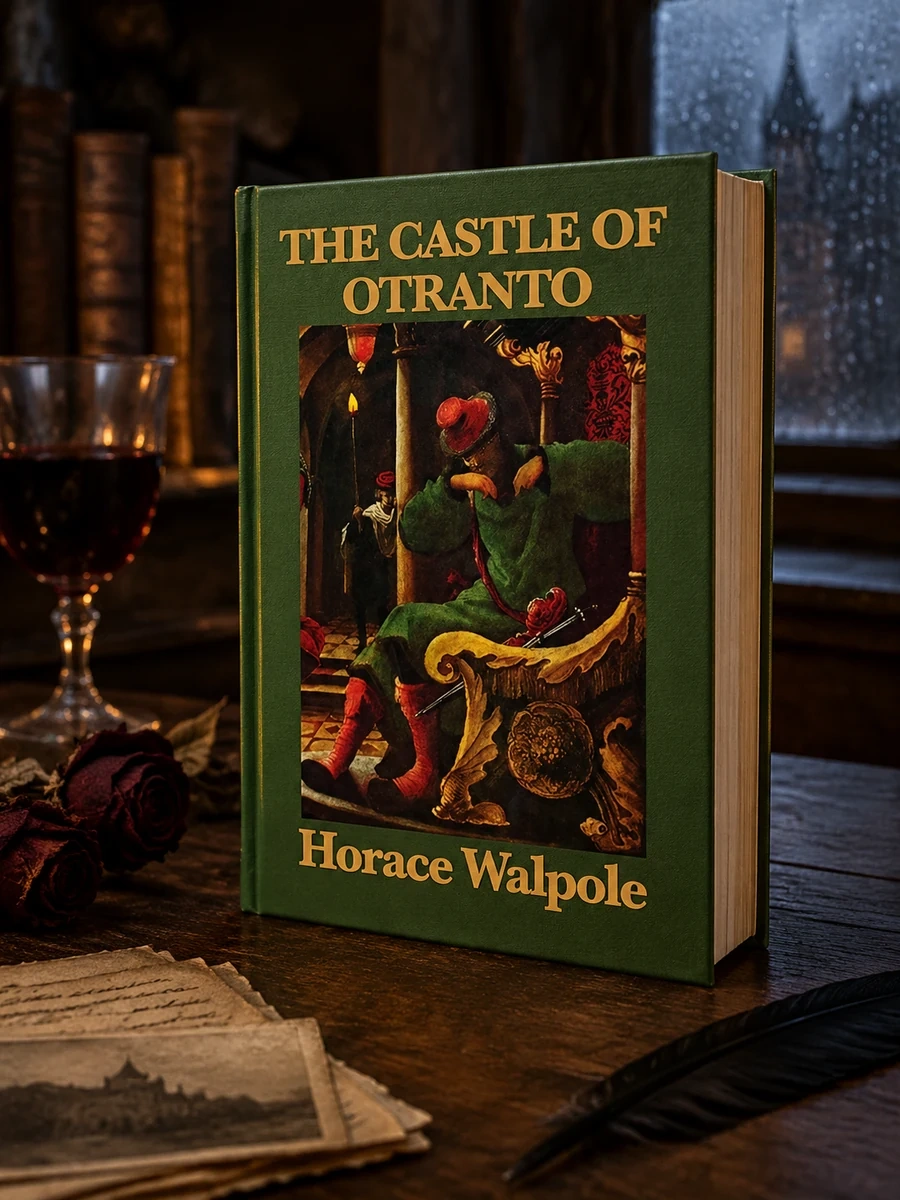
1. The Castle of Otranto: The Foundational Gothic Novel of Mystery and Terror — Horace Walpole
If you want to understand where every haunted corridor and impossible thud in modern horror comes from, you must start here. Horace Walpole invented the framework in the eighteenth century, blending supernatural terror with high melodrama inside a crumbling Italian fortress. It suits readers who appreciate historical literary genealogy and want to experience the absolute root of the genre. The novel introduces the quintessential elements of structural ruin, prophesied doom, and aristocratic tyranny that would inspire generations of subsequent writers across Europe and America.
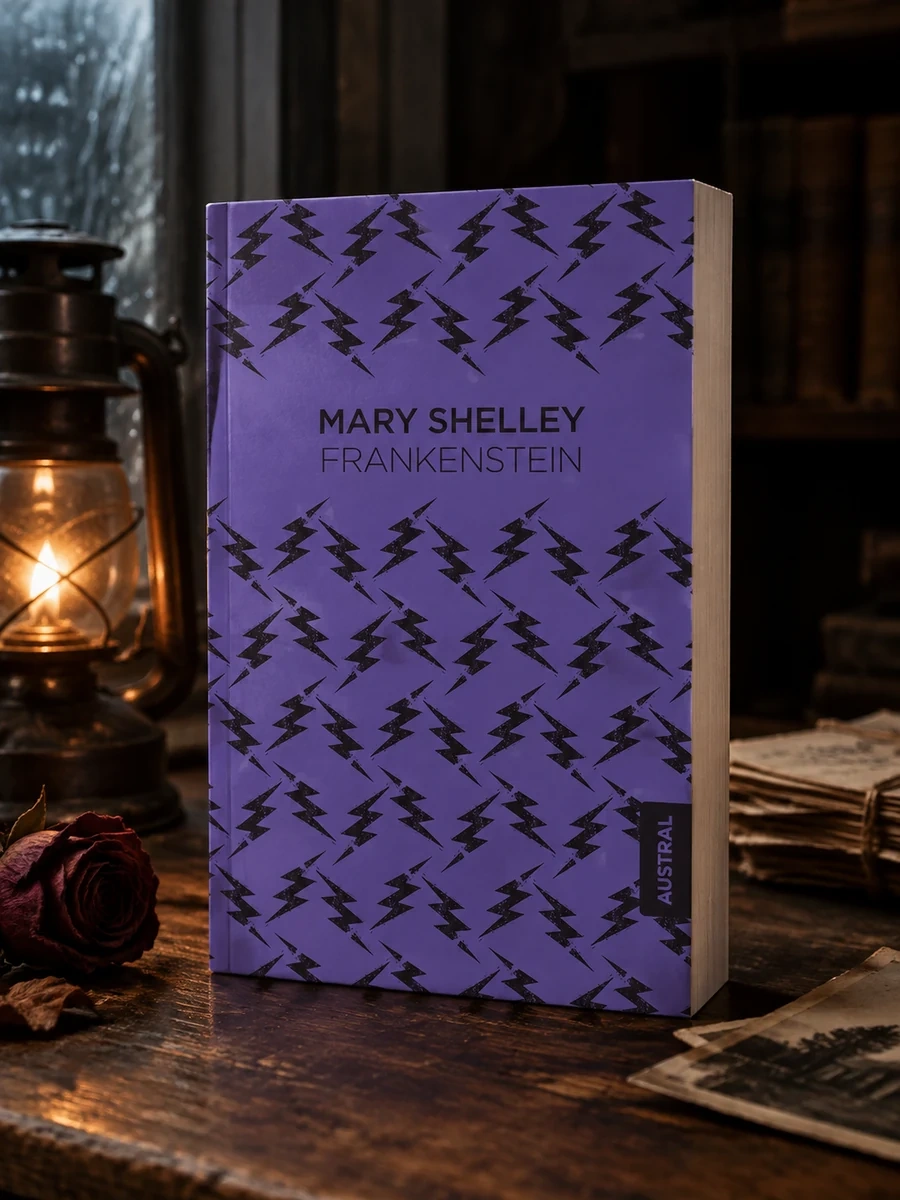
2. Frankenstein (Novela Gotica) / Frankenstein (a Gothic Novel) — Mary Wollstonecraft Shelley
Mary Shelley took the atmospheric architecture of early gothic tales and infused it with the cold, scientific hubris of figures pushing beyond ethical boundaries. The result is a masterpiece of isolation, guilt, and arctic desolation. This edition is ideal for anyone looking to re-examine the tragedy of the creator and his creation stripped of modern cinematic simplifications. Shelley contrasts natural majesty with unnatural science, examining the profound loneliness of existence and the devastating consequences of playing god in a hostile universe.
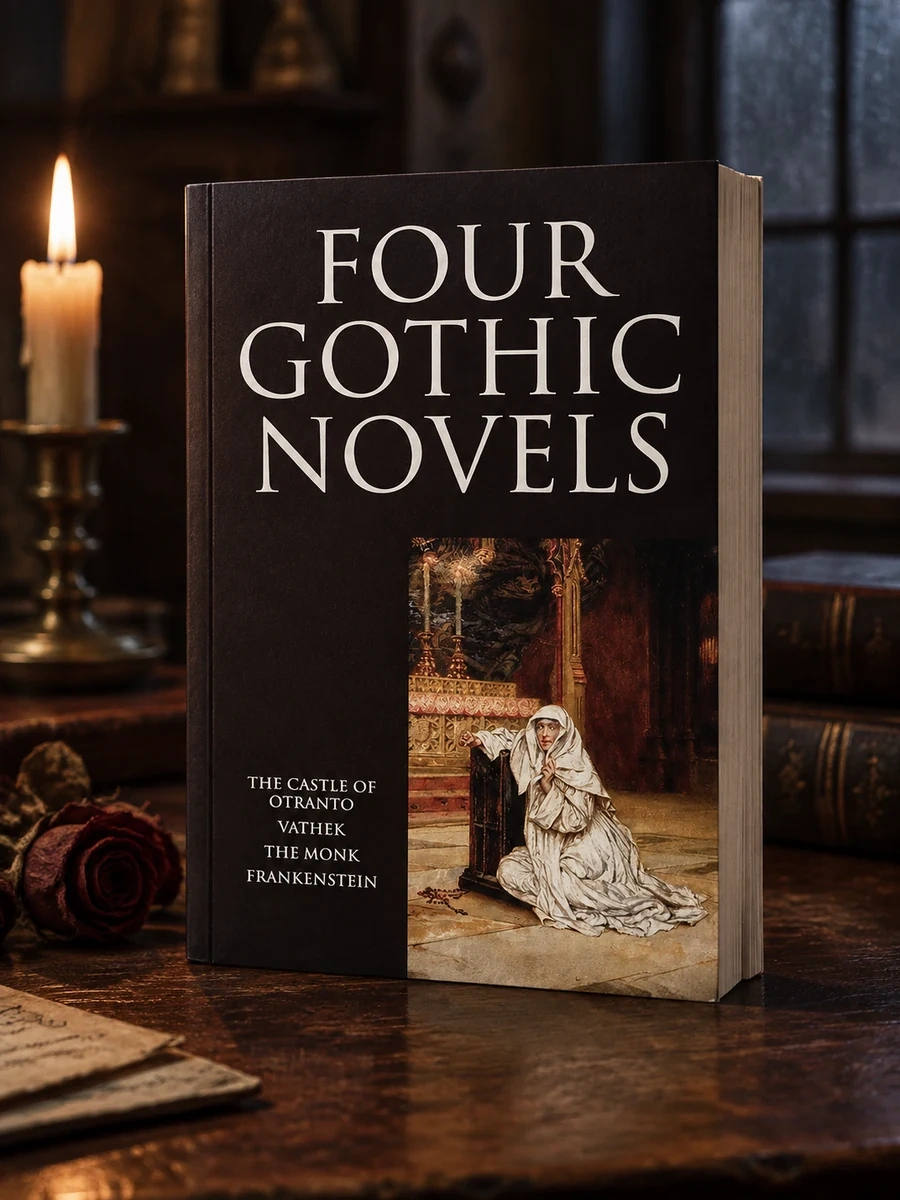
3. Four Gothic Novels: The Castle of Otranto; Vathek; The Monk; Frankenstein — Mary Shelley
For readers craving an immersive exploration into the foundational roots of the movement, this multi-work volume gathers wild tales of obsession, religious transgression, and absolute doom under one cover. It is best suited for dedicated enthusiasts who want a comprehensive shelf-staple rather than a single narrative. By collecting these rare texts together, the anthology provides a panoramic view of how early horror writers pushed the boundaries of societal taboos, exploring monastic corruption, caliph arrogance, and fateful hubris.
Monsters, Vampires, and Psychological Decay
As the nineteenth century progressed, the gothic novel shifted from medieval ruins inward toward the human psyche and the urban streetscape, giving rise to immortal predators, divided personalities, and scientific anxieties. Writers began exploring how internal moral corruption could manifest in physical deformity, psychological breakdown, and monstrous appetites that threaten polite society.
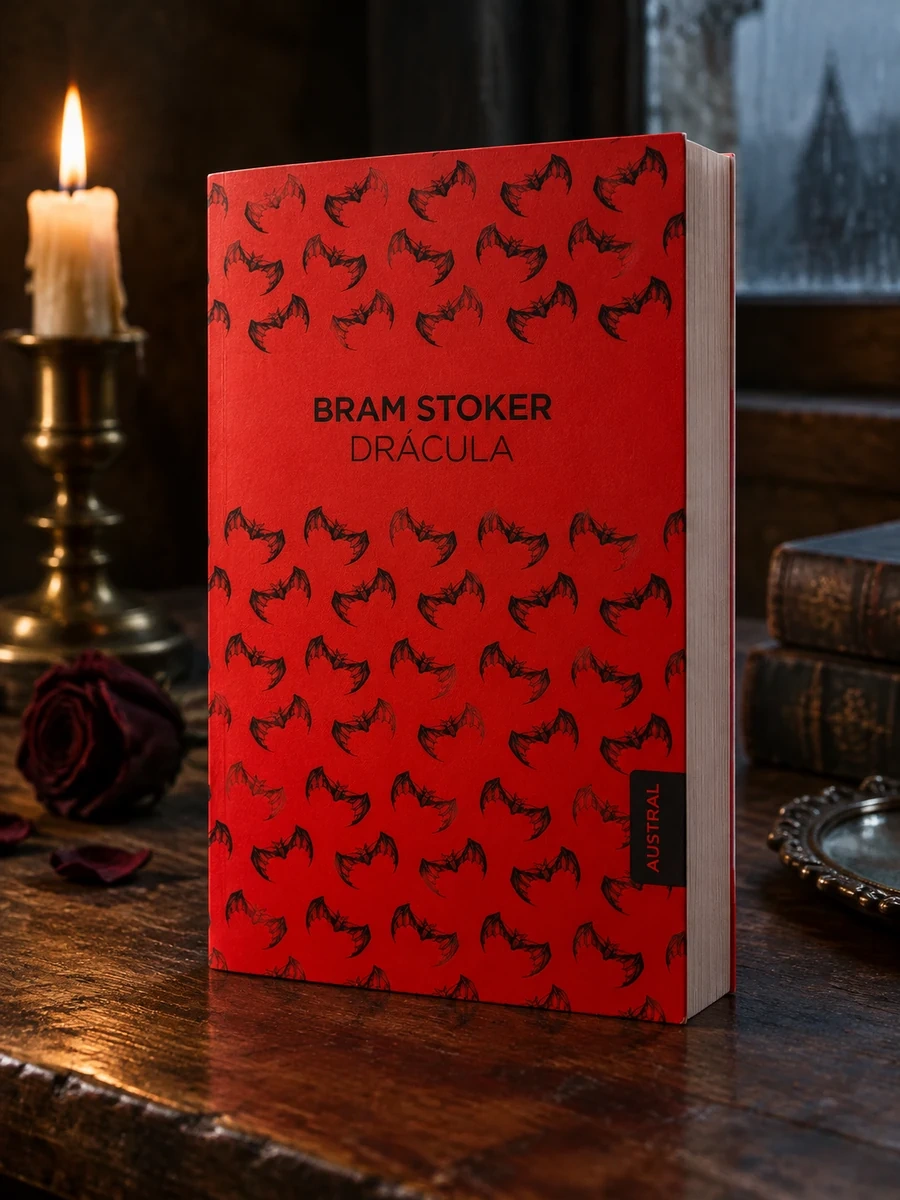
4. Dracula (Novela Gotica) / Dracula (a Gothic Novel) — Bram Stoker
Bram Stoker's epistolary classic remains the definitive blueprint for vampire fiction, moving from the jagged cliffs of Transylvania to the foggy, gaslit streets of London. It is perfect for readers who love multi-perspective storytelling, superstition clashing with Victorian science, and unrelenting nocturnal dread. The novel masterfully captures the fear of foreign invasion, female agency, and ancient bloodlines contaminating modern civilization.
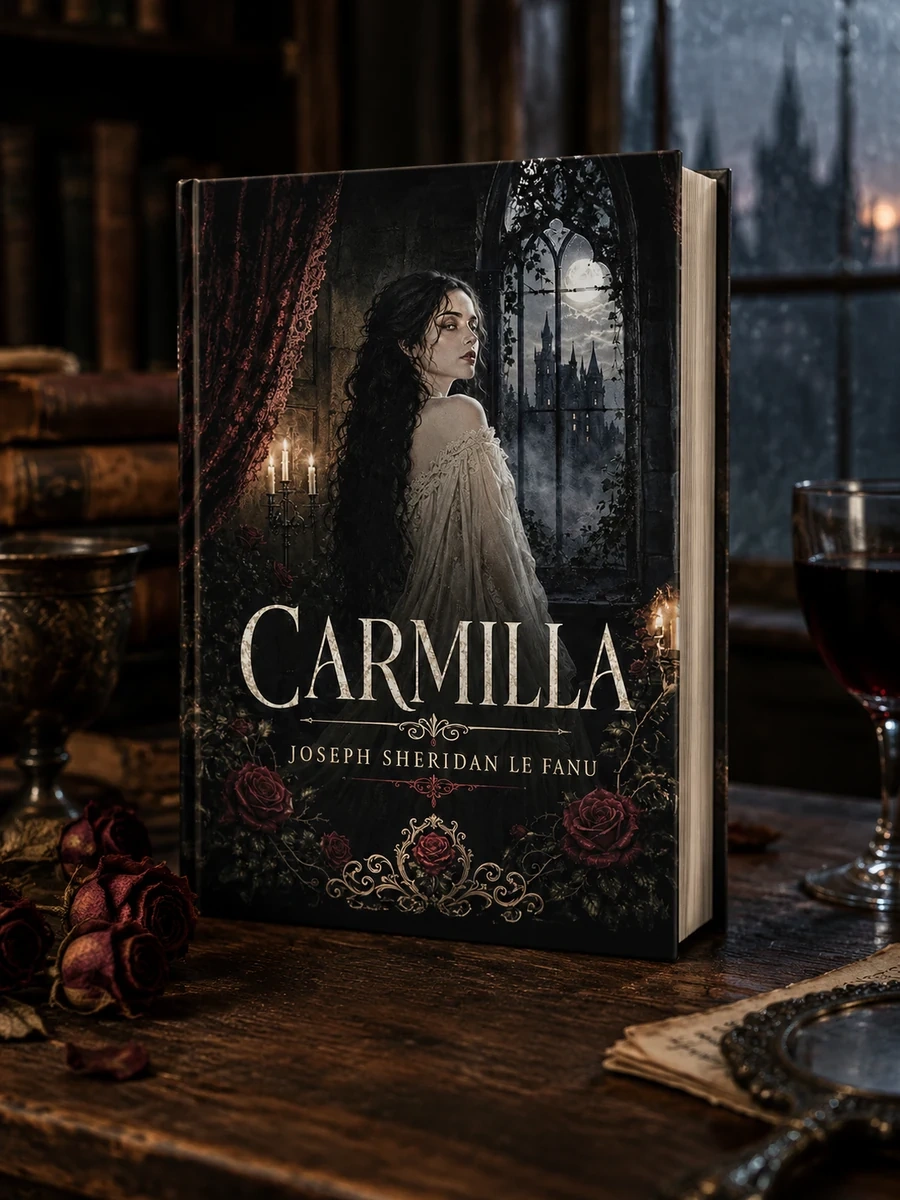
5. Carmilla: A Gothic Vampire Classic of Desire, Dread, and the Undead — Joseph Sheridan Le Fanu
Published years before Stoker's masterwork, Le Fanu's atmospheric novella explores isolation, forbidden intimacy, and predatory obsession in an isolated Styrian castle. It suits readers who prefer subtle, psychological tension and lush, poetic prose over bombastic horror. The relationship between the narrator and her mysterious guest blurs the lines between friendship, romantic longing, and predatory doom, creating an unforgettable atmosphere of languid dread.
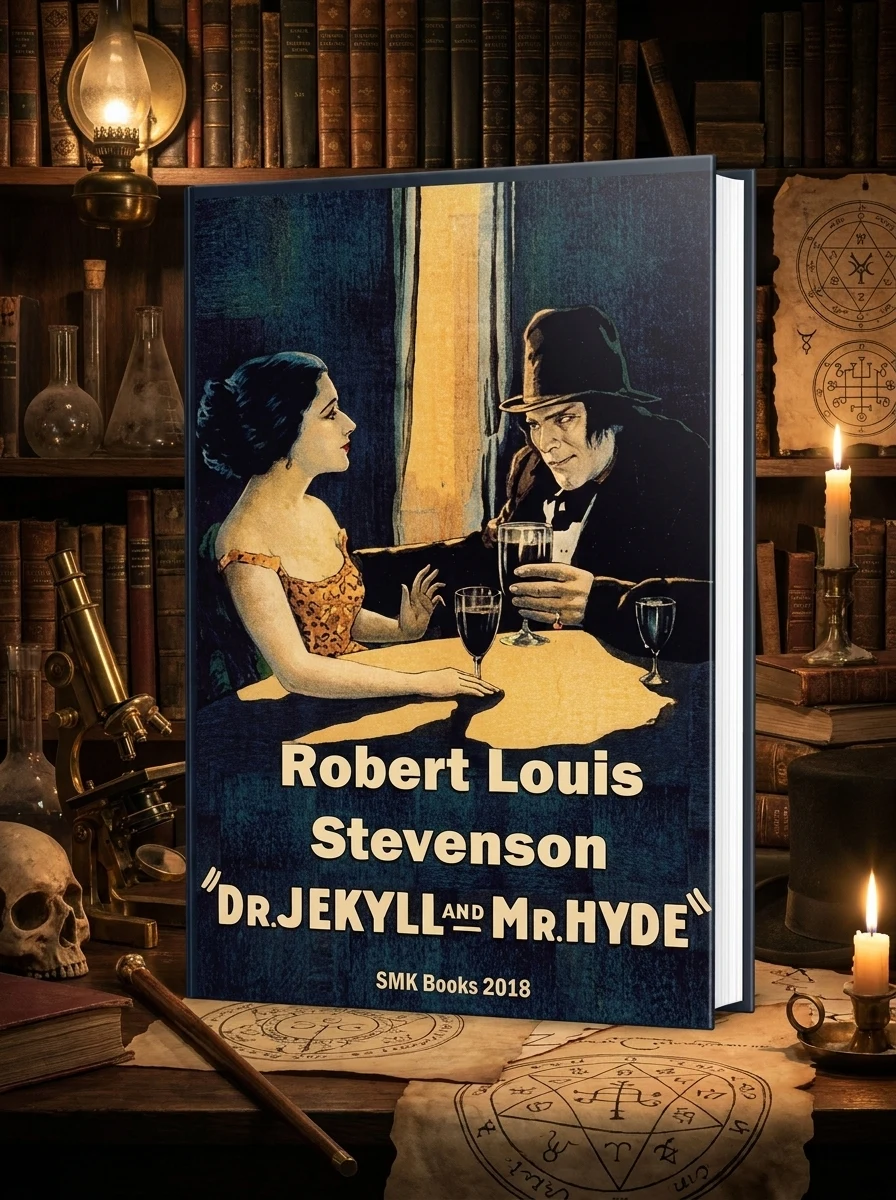
6. Dr. Jekyll and Mr. Hyde: A Classic Gothic Tale of Horror, Science, and the Divided Self — Robert Louis Stevenson
Stevenson takes the gothic obsession with hidden sins and maps it directly onto the Victorian gentleman's psyche. Set against the foggy, nocturnal backdrop of London, this novella examines the dark dualities living inside respectable society. It is an essential read for fans of psychological horror and moral corruption, illustrating how the suppression of human impulses can unleash a monstrous alter ego.
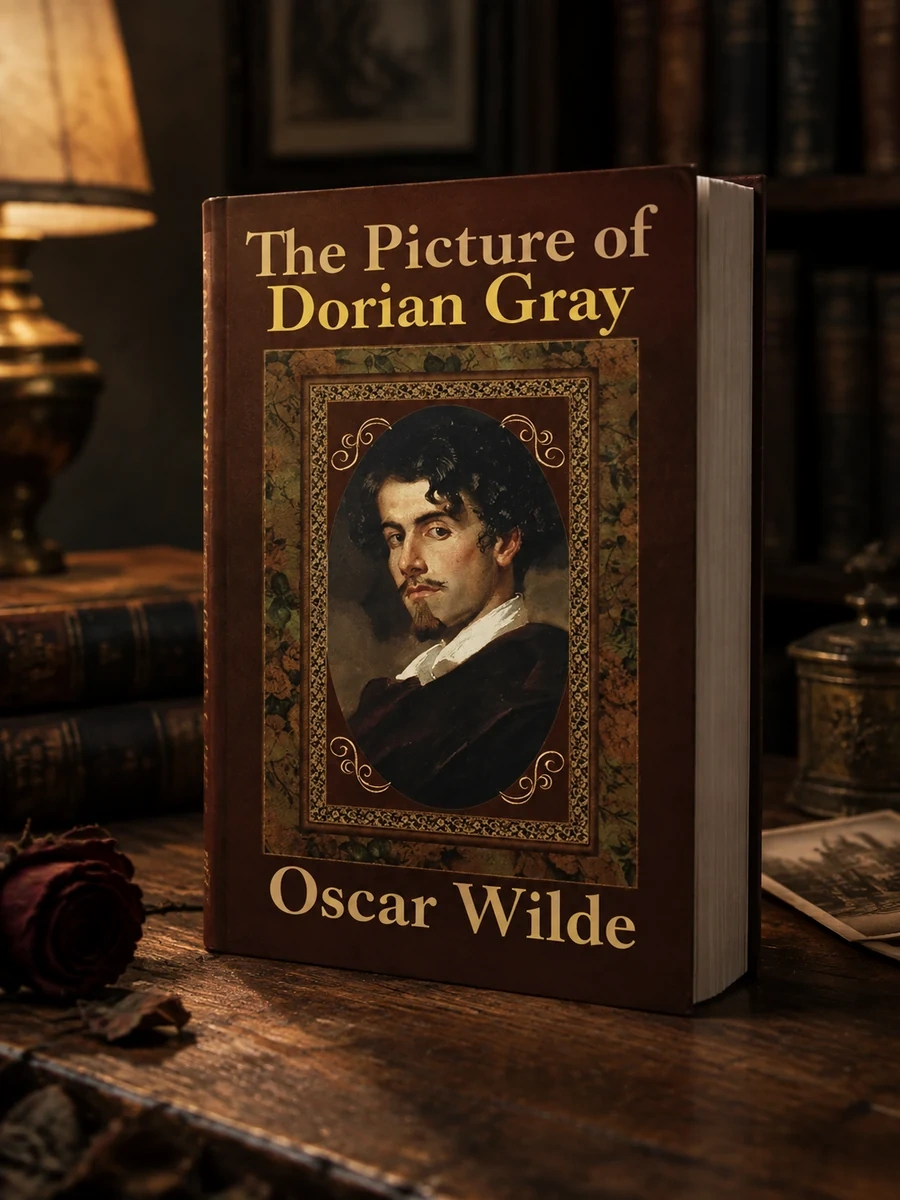
7. The Picture of Dorian Gray - A Gothic Novel of Beauty, Vanity, and Moral Corruption — Oscar Wilde
Wilde infuses the gothic tradition with decadent wit and aesthetic philosophy, centering on a portrait that ages and rots while its creator remains eternally youthful. It suits readers who enjoy sharp social critique wrapped in dark, decadent prose and Faustian bargains. The canvas serves as a physical manifestation of hidden sins, capturing the terrifying cost of unbridled vanity and moral decay.
Early American Gothic and Domestic Curses
When the gothic novel crossed the Atlantic, it found a new playground in the vast, untamed wilderness and the puritanical guilt of early New England settlements. American authors adapted European tropes to fit a new landscape defined by frontier isolation, indigenous displacement, and the crushing weight of ancestral sin.
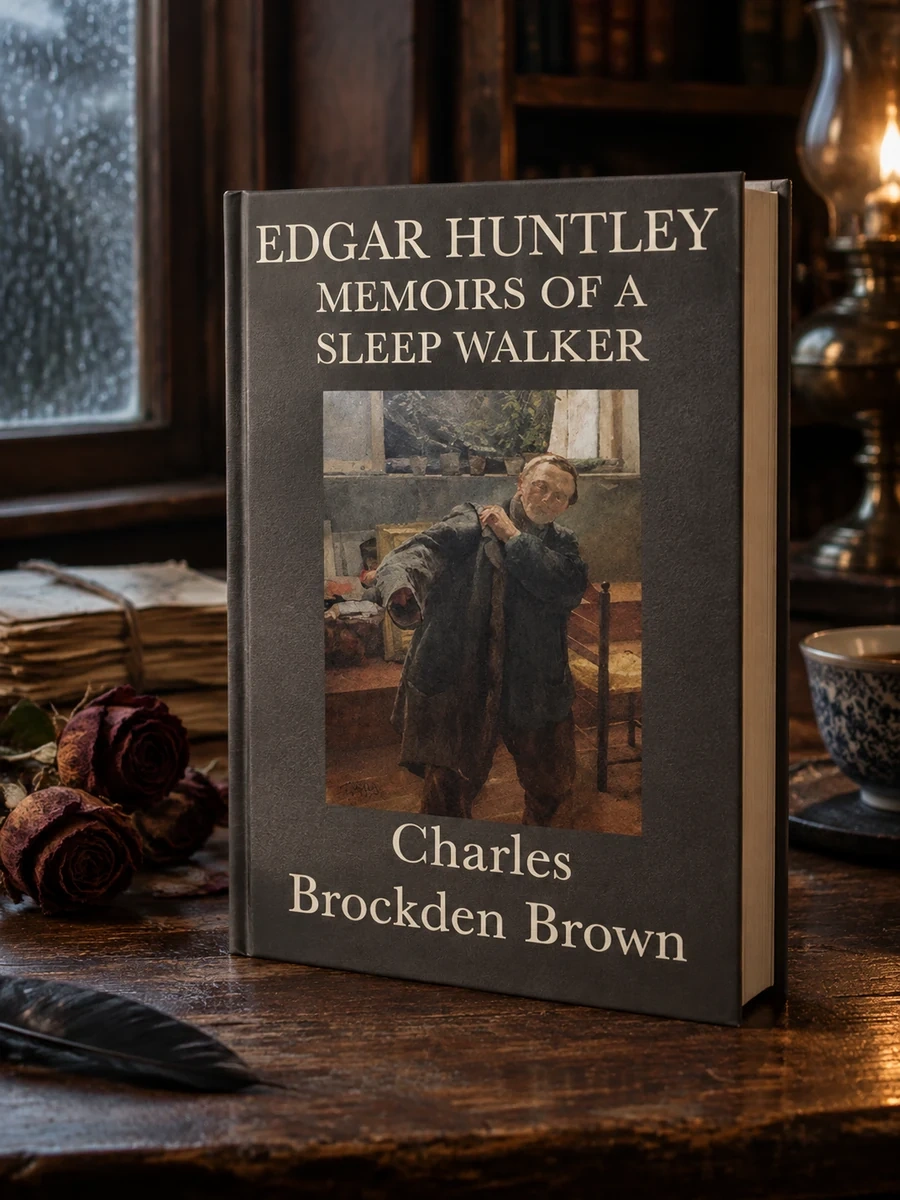
8. Edgar Huntley Memoirs of a Sleep Walker: An Early American Gothic Novel of Sleepwalking, Wilderness, and Psychological Terror — Charles Brockden Brown
Charles Brockden Brown traded European castles for the terrifying expanse of the Pennsylvania frontier, replacing ghosts with the raw horrors of the wilderness and human somnambulism. It is a brilliant pick for readers interested in the origins of American psychological suspense. The protagonist's nocturnal wanderings and psychological vulnerability highlight the terrifying unpredictability of the untamed natural world.
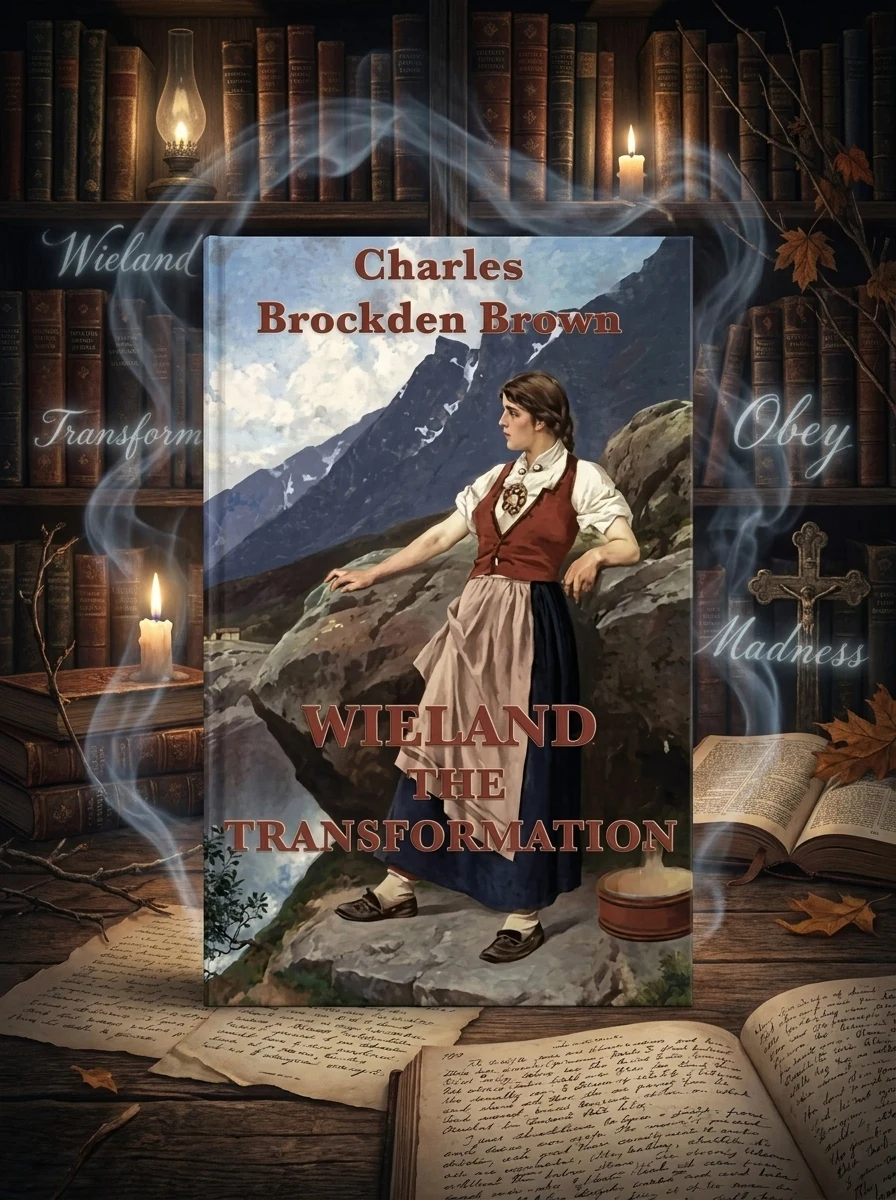
9. Wieland -Or- The Transformation - An Early American Gothic Novel — Charles Brockden Brown
Focusing on religious fanaticism, ventriloquism, and domestic isolation along the banks of the Schuylkill River, Brown constructs an intensely paranoid narrative. It suits readers who appreciate unreliable narrators and stories where domestic safety evaporates into religious dread. The novel investigates the fragility of human reason when confronted with voices and phenomena that defy rational explanation.
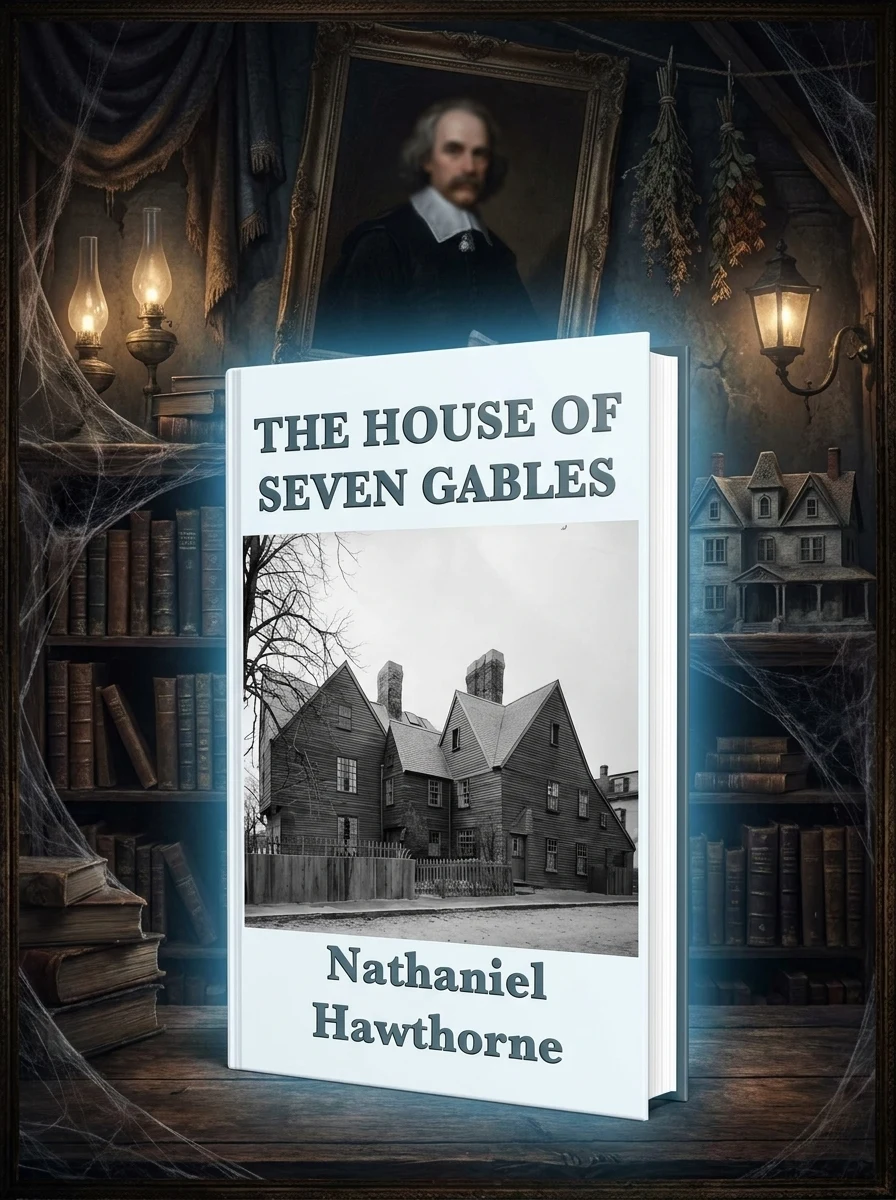
10. The House of Seven Gables: A Gothic Novel of Old New England and a Family Curse — Nathaniel Hawthorne
Hawthorne examines the lingering poison of ancestral guilt inside a gloomy, gable-roofed mansion in Salem. The narrative explores how past sins echo through generations and burden the living. It is ideal for readers who love rich historical detail, family curses, and quiet, melancholic haunting rooted in Puritan history.
Modern Echoes and Global Variations
The gothic template is infinitely flexible, adapting smoothly to modern anxieties, contemporary settings, and new cultural lenses while retaining its signature shadows and atmosphere of dread.
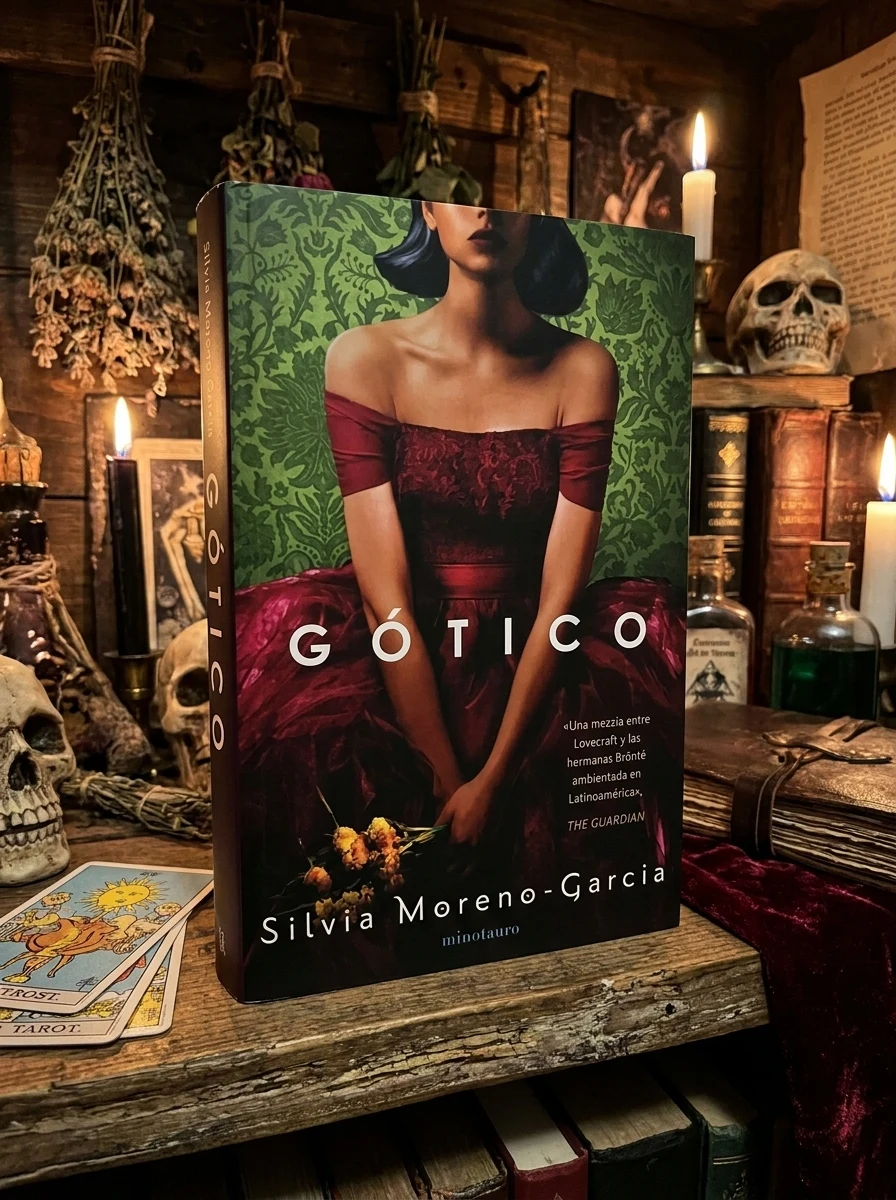
11. Gotico / Mexican Gothic — Silvia Moreno-Garcia
Moreno-Garcia transports classic gothic tropes to a decaying mansion in the Mexican countryside, where a glamorous protagonist confronts a sinister mining family and a creeping, organic corruption. It suits readers looking for a fresh, atmospheric, and fiercely intelligent modern spin on old-school dread. The setting pulses with a suffocating atmosphere where isolation, family secrets, and bodily horror intertwine.
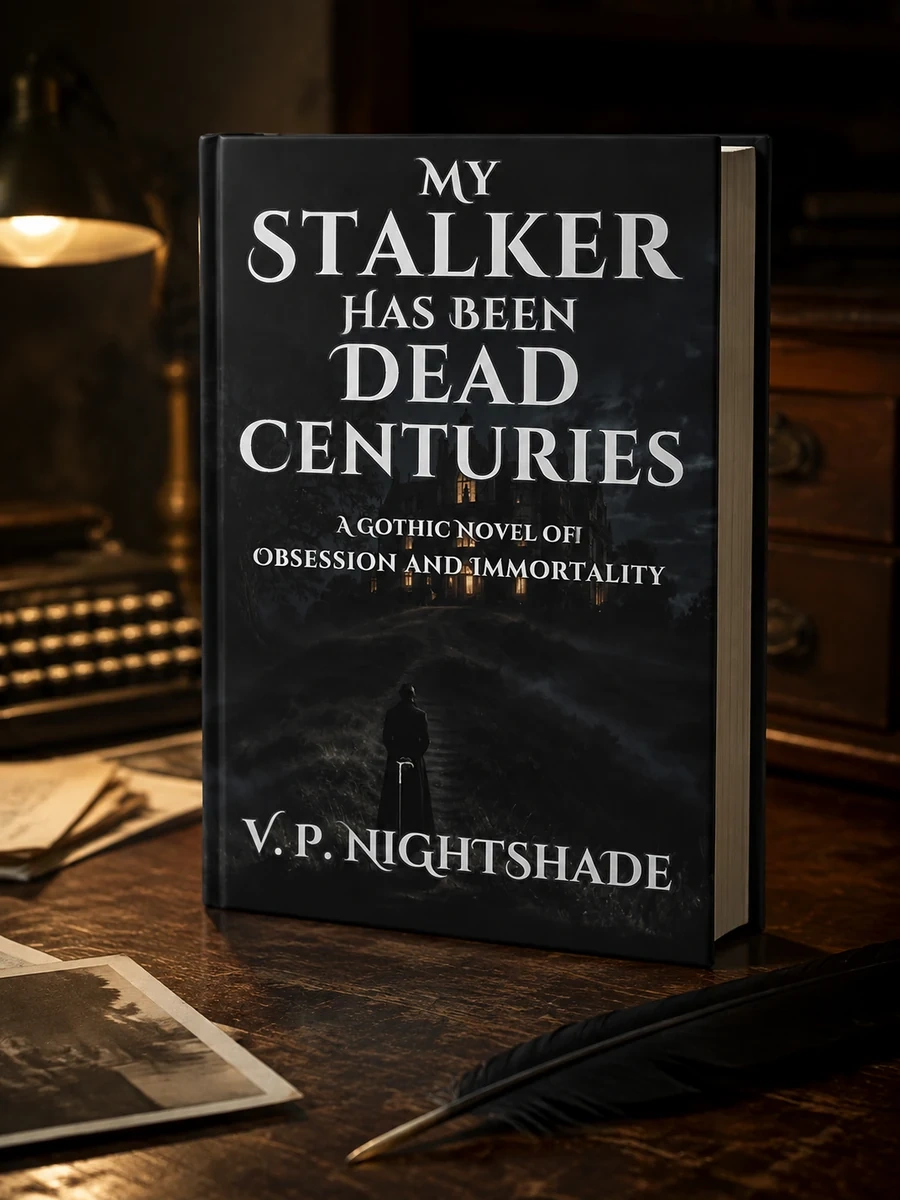
12. My Stalker Has Been Dead Centuries: A Gothic Novel of Obsession and Immortality — V P Nightshade
Blending historical weight with uncanny, immortal obsession, this contemporary entry plays directly with the classic tropes of lingering spirits and unwanted eternal attachments. It is a great match for readers who want traditional gothic themes viewed through a sharply modern lens, offering a chilling exploration of devotion that outlasts mortal life.
How to Choose Your Next Gothic Read
Selecting the right gothic novel depends entirely on where you want to feel isolated. If you prefer grand European architecture and sweeping historic stakes, start with foundational classics like Bram Stoker or Mary Shelley. If you are drawn to colonial paranoia, untamed forests, and domestic secrets, Charles Brockden Brown and Nathaniel Hawthorne offer unmatched historical depth. For readers seeking contemporary prose with classic atmospheric dread, modern reimaginings provide an ideal entry point. Most of these essential volumes are available in our catalog under $25, making it easy to stock your shelves for the next stormy night. By exploring these varied expressions of darkness, you can fully appreciate how fear, beauty, and decay continue to intertwine across the centuries.