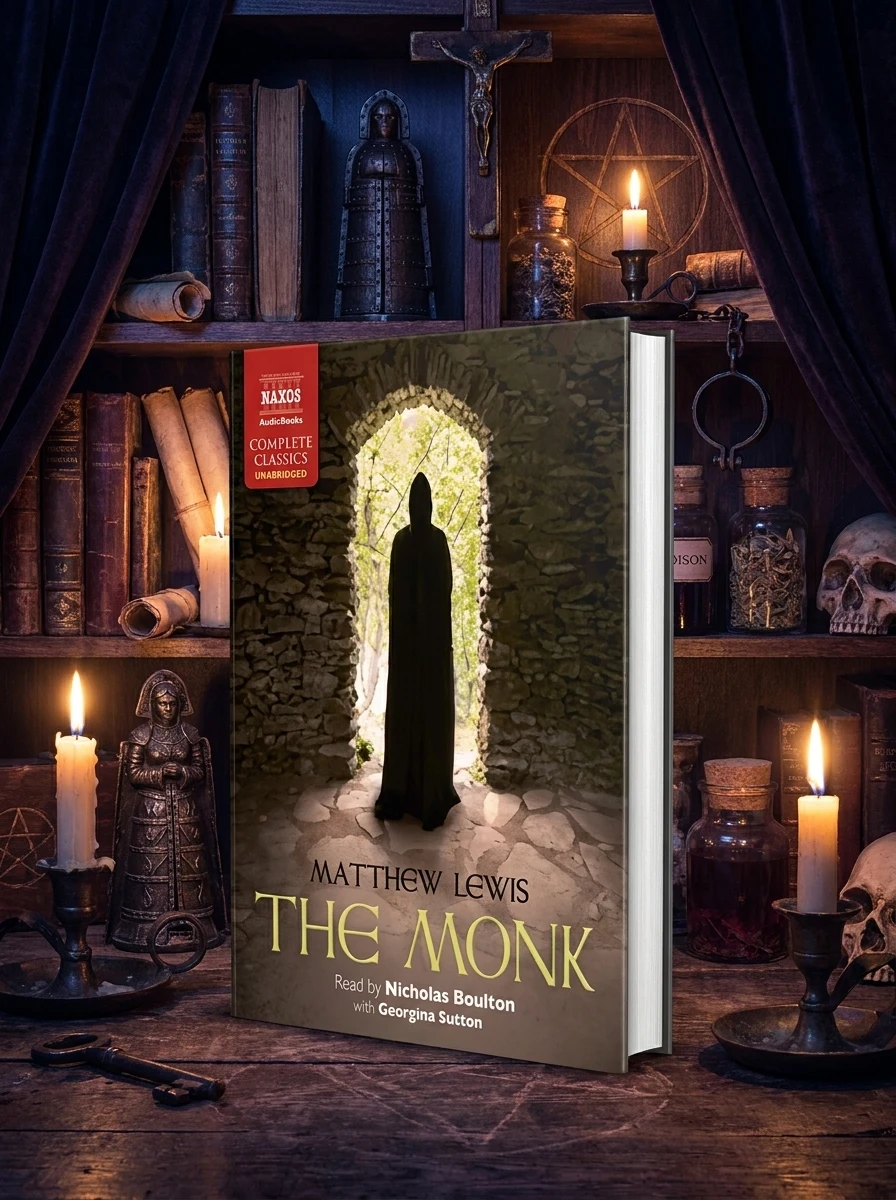
When Matthew Lewis published *The Monk: A Romance* in 1796, it scandalized Georgian England. Reviewers called it obscene. The Church condemned it. Parents hid it from their children. Two centuries later, in an age of streaming gore and algorithmic depravity, *The Monk* still possesses a power that most contemporary horror lacks: the ability to make readers genuinely uncomfortable—not through jump scares or body horror, but through the systematic corruption of faith, innocence, and desire.
The novel's 2020s revival isn't nostalgia. Readers tired of horror that relies on spectacle are returning to Lewis because his work operates on a deeper register. It doesn't show you the abyss; it shows you how a good man walks into it, step by step, until he can no longer see the light. The transgression isn't gratuitous. It's theological. It's sexual. It's the kind of horror that lingers because it asks uncomfortable questions about power, faith, and the thin line between devotion and damnation.
This article explores why *The Monk* remains essential reading for horror fans—and why its particular brand of decadence, forbidden desire, and supernatural corruption has aged far better than the sanitized "classics" we were taught to admire.
The Architecture of Corruption: Why *The Monk* Outhorrors Modern Horror
Modern horror often mistakes intensity for depth. A character is tortured. A body is mutilated. The reader recoils. But Lewis understood something that contemporary horror frequently forgets: the most effective horror is *psychological*, rooted in the slow dissolution of moral certainty.
*The Monk* follows Ambrosio, a Spanish friar celebrated for his piety and eloquence. He is, by all accounts, virtuous. But Lewis doesn't begin with Ambrosio's fall; he begins with his pride. The friar's certainty in his own righteousness becomes the wedge through which temptation enters. A beautiful woman arrives at the monastery. She is, of course, not what she seems. But the genius of Lewis's narrative is that Ambrosio's corruption isn't sudden. It's incremental. Each transgression makes the next one easier. Each rationalization weakens his defenses further.
What makes this genuinely horrifying—more so than contemporary torture-porn—is that we watch a good man become a monster not through external evil, but through his own choices. The supernatural elements (demonic pacts, witchcraft, incest) arrive late in the narrative, almost as a logical conclusion to the psychological degradation that has already occurred. By the time the Devil appears, Ambrosio has already damned himself.
This is why readers in 2024 find *The Monk* more disturbing than books written last year. Modern horror often externalizes evil—the killer, the ghost, the entity. Lewis internalizes it. He shows us that the real horror isn't what happens *to* us; it's what we're capable of becoming.
Transgressive Sexuality and the Forbidden: Reading *The Monk* Without Sanitization
Part of *The Monk*'s enduring power comes from its refusal to look away from desire. Lewis doesn't treat sexuality as a subplot or a motivation; he treats it as a force that unmakes reason itself. The novel contains scenes of seduction, incest, and sexual violence that were genuinely shocking in 1796 and remain uncomfortable today—not because they're graphic by modern standards, but because they're *honest* about the relationship between desire and transgression.
This honesty is what separates *The Monk* from the Victorian gothic that followed it. Later writers—even brilliant ones—often retreated into euphemism and suggestion. Lewis doesn't. He names what he sees. He describes the moment when faith becomes a mask for lust. He shows us a woman who uses her sexuality as a weapon and a man who uses his authority as one. The result is uncomfortable in a way that feels true.
For contemporary readers, especially those exhausted by the false propriety of "literary" horror, this directness is revelatory. *The Monk* doesn't ask permission to discuss desire, corruption, or the abuse of power. It simply does so. And in doing so, it reveals something that modern horror often misses: transgression is only transgressive if it actually violates something. Lewis understood what his readers held sacred—faith, innocence, moral order—and he violated it systematically.
Supernatural Corruption and Theological Horror
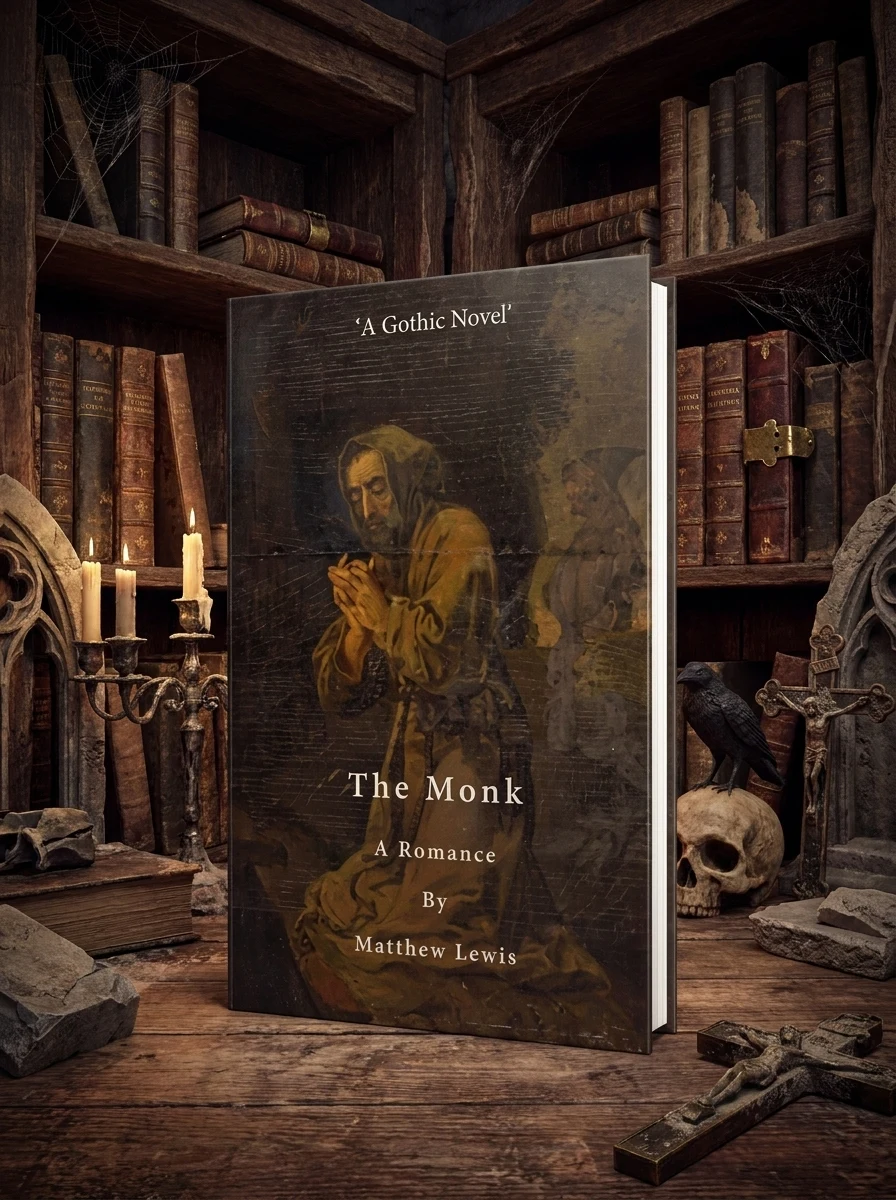
1. *The Monk: A Romance* — Matthew Lewis
The novel's supernatural elements—the Bleeding Nun, the demonic seduction, the final pact with Satan—function as the logical endpoint of psychological corruption. Lewis doesn't use the supernatural to *explain* Ambrosio's fall; he uses it to *complete* it. By the time the Devil appears, we understand that Ambrosio has already made his choice. The supernatural is simply the price he pays for choices he's already made. This is theological horror at its finest: not the fear of external damnation, but the recognition that we damn ourselves.
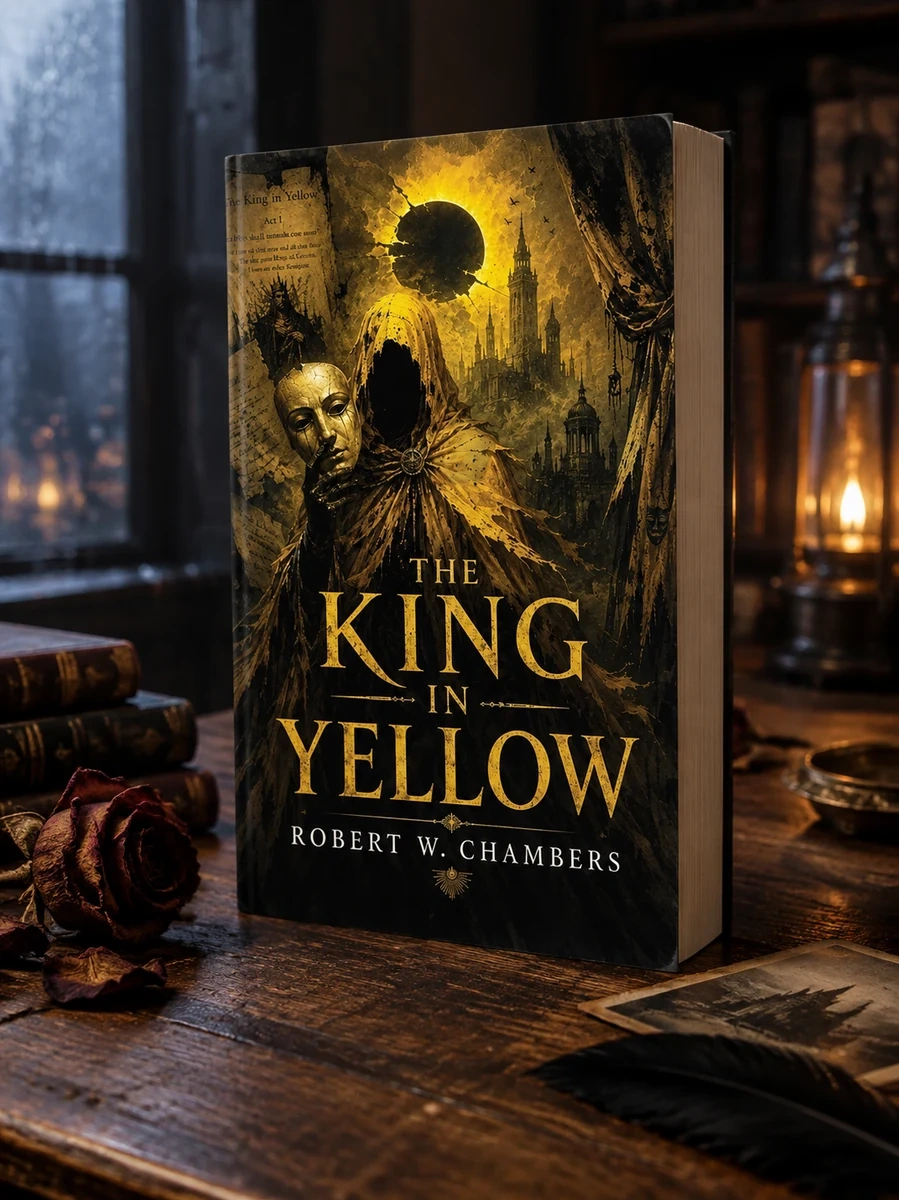
2. *The King in Yellow* — Robert W. Chambers
If you've finished *The Monk* and want to explore how transgressive desire and cosmic horror intersect, Chambers's collection offers a different but complementary approach. Where Lewis focuses on theological corruption, Chambers explores how forbidden knowledge—particularly forbidden *art*—can unmake sanity itself. The titular play within the collection functions similarly to the demonic pact in *The Monk*: once encountered, it cannot be unknown. Both works understand that some transgressions are irreversible.
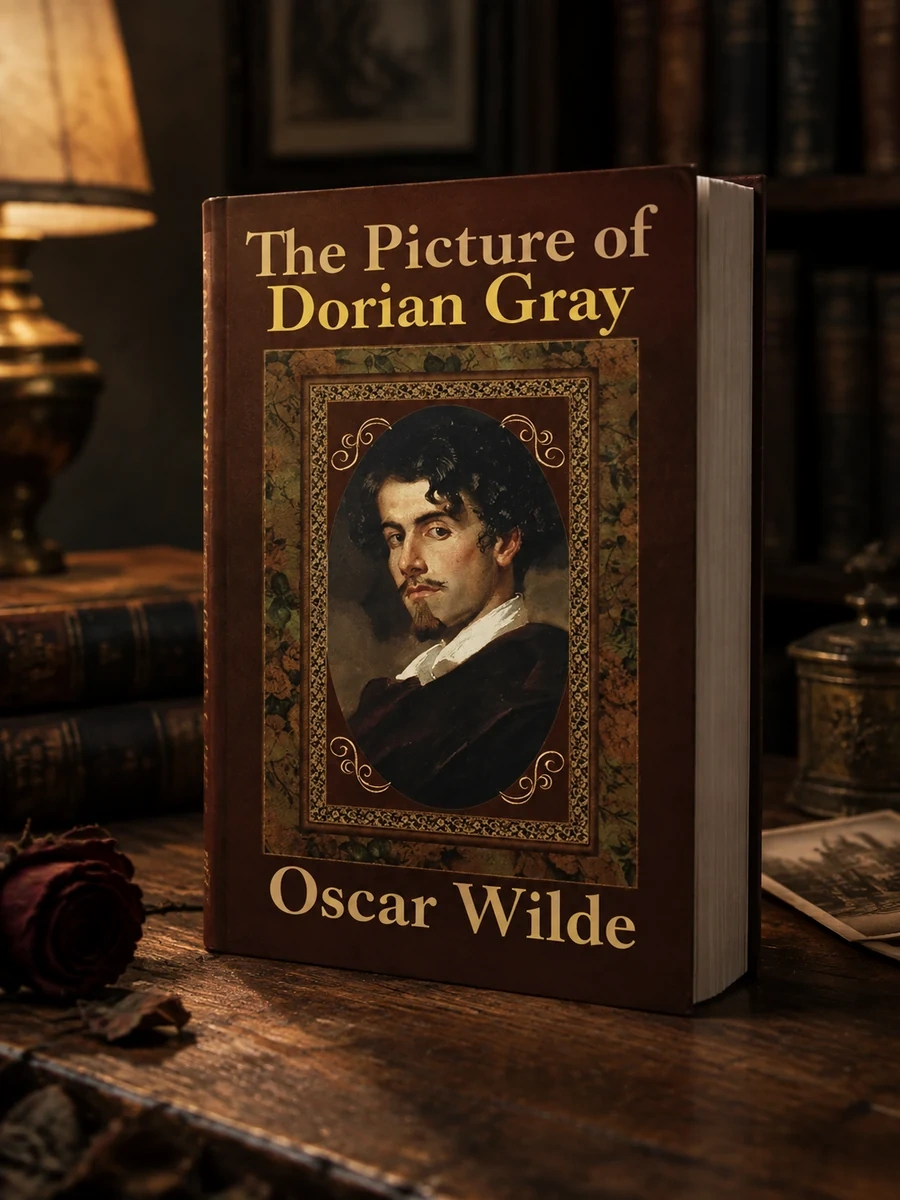
3. *The Picture of Dorian Gray* — Oscar Wilde
Wilde's novel is often read as a moral tale about vanity, but it's actually a direct descendant of *The Monk*. Like Ambrosio, Dorian Gray begins as an innocent—beautiful, yes, but uncorrupted. His corruption comes through a Faustian bargain: eternal youth in exchange for his soul. But Wilde, writing nearly a century after Lewis, understands something crucial: the real horror isn't the bargain itself, but the slow realization that you've become someone you no longer recognize. Dorian's portrait ages while he remains beautiful, but his soul—his *self*—decays invisibly. It's *The Monk* filtered through aestheticism, but the core insight remains: we are capable of becoming monsters, and we often don't notice until it's too late.
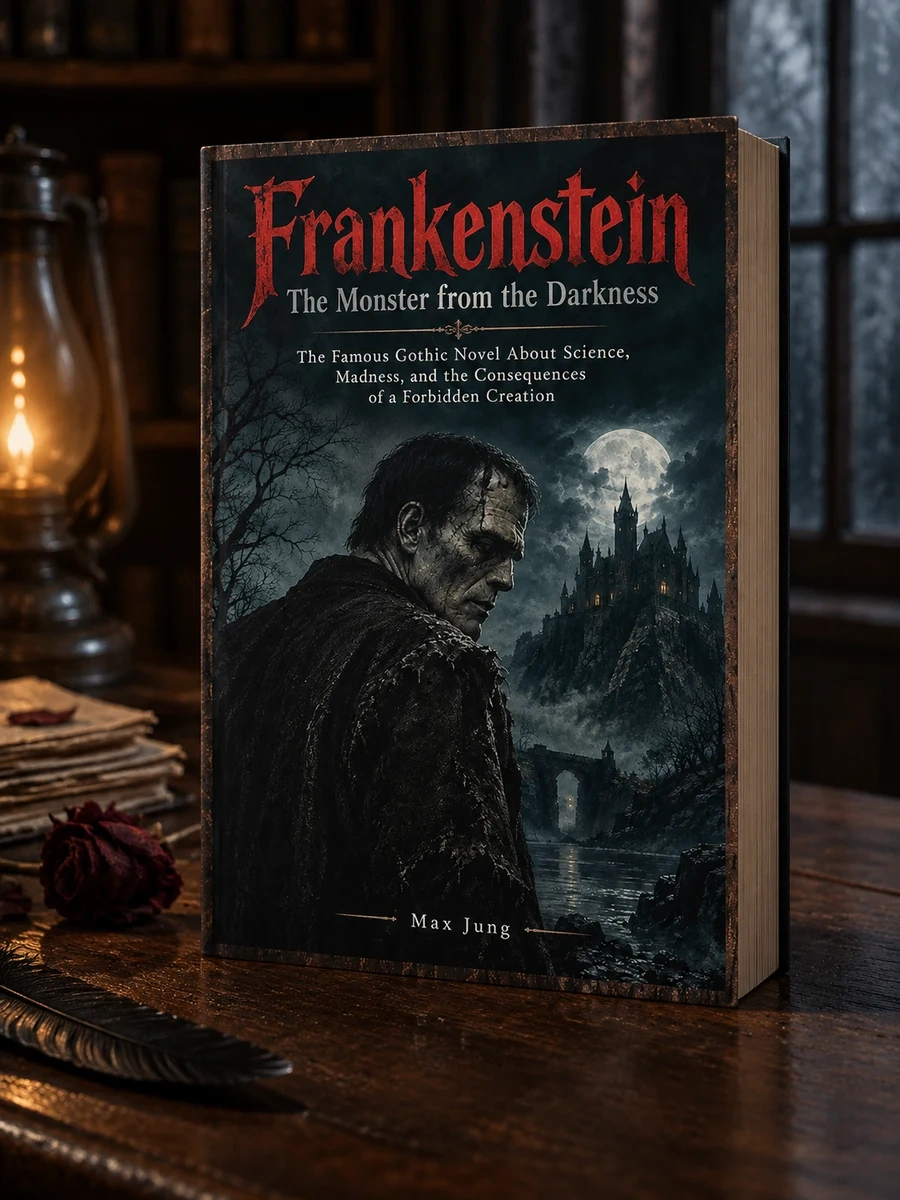
4. *Frankenstein* — Mary Shelley
Published just two decades after *The Monk*, Shelley's novel shares Lewis's interest in the corruption of a good man through pride and transgression. Victor Frankenstein, like Ambrosio, begins with noble intentions. His desire to conquer death is presented as a kind of spiritual ambition. But his pursuit of knowledge becomes a violation—of nature, of ethics, of his own humanity. The creature he creates is the external manifestation of his internal corruption. Where Lewis uses the supernatural to externalize Ambrosio's damnation, Shelley uses it to show how one man's transgression creates suffering for everyone around him. Both novels understand that some lines, once crossed, cannot be uncrossed.
Why Modern Horror Sanitizes What *The Monk* Refuses to Hide
Contemporary horror often operates under the assumption that readers want to be *scared*, not *disturbed*. There's a difference. Scared is external: something jumps out, something chases you, something kills you. Disturbed is internal: you recognize yourself in the transgression. You understand how you might make the same choices. You see the corruption not as something that happens to *other people*, but as something that could happen to you.
Modern horror tends to create distance between reader and transgressor. The killer is a psychopath. The monster is inhuman. The evil is external. This distance is comforting. It allows us to experience fear without genuine moral discomfort. Lewis refuses this comfort. Ambrosio is not a psychopath; he's a man. He's intelligent, educated, and devoted. His corruption is all the more horrifying because it's *possible*. It could happen to anyone who mistakes certainty for wisdom, authority for righteousness, desire for love.
This is why *The Monk* is experiencing a revival among readers tired of sanitized classics and hollow scares. It offers something rarer: genuine moral horror. Not the horror of what might happen to you, but the horror of what you might become.
Where to Start: Choosing Your Edition of *The Monk*
If you're ready to experience Lewis's masterpiece, you have several options. The standard edition is affordable and widely available—a good choice if you want to experience the novel without annotation or critical apparatus. If you prefer a more scholarly approach, the annotated edition provides historical context and textual notes that illuminate Lewis's references and the novel's original reception.
Whichever edition you choose, approach *The Monk* as a work of genuine transgression. It's not a comfortable read. It wasn't meant to be. But it's a necessary one—a reminder that the best horror isn't about what jumps out of the dark, but about what we discover within ourselves when we're not paying attention.