When we talk about apocalyptic horror, most readers picture the aftermath: roving gangs, scarce resources, the daily grind of staying alive in a broken world. But the real terror—the kind that keeps you awake at 3 a.m.—isn't what comes after the collapse. It's the collapse itself. It's the moment when you realize the world as you know it is ending, and there's nothing you can do to stop it.
That's the distinction that separates apocalyptic horror from post-apocalyptic survival fiction. One weaponizes the psychological unraveling of witnessing civilization's final days. The other asks you to adapt to a new normal. We're interested in the former: books where the apocalypse isn't a backdrop for action sequences, but the primary source of dread.
The best apocalyptic horror novels understand that the end of the world is fundamentally about loss—of identity, of meaning, of the structures that held us together. They ask uncomfortable questions about what we'd become if those structures vanished. They make you feel the weight of that ending, not just intellectually, but in your chest.
Plague and Societal Breakdown: When Disease Becomes Destiny
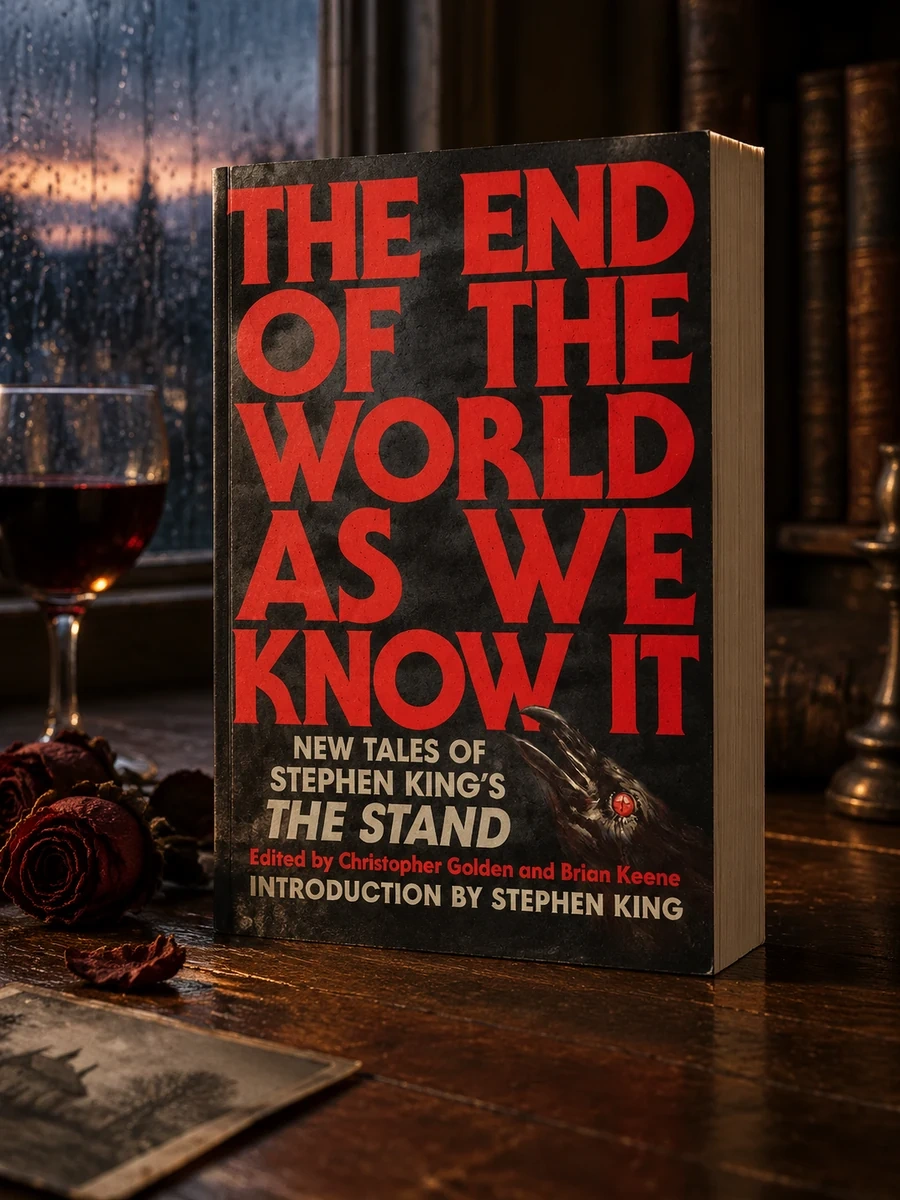
1. The End of the World as We Know It: New Tales of Stephen King's The Stand — Stephen King
The End of the World as We Know It is an authorized expansion into King's plague-ravaged universe, and it's essential reading if you want to understand how apocalyptic horror functions at scale. King's original The Stand remains the gold standard for depicting societal collapse through pandemic—the way civilization doesn't fall in a dramatic explosion but in a slow, suffocating unraveling as the infected die and the survivors realize they're alone. This anthology deepens that exploration with new stories set within King's carefully constructed post-plague world. What makes it work as horror isn't the virus itself, but the psychological weight of inherited trauma, the question of whether humanity can rebuild without repeating its mistakes, and the creeping realization that some catastrophes are irreversible. If you want apocalyptic horror that treats the end of the world as a moral reckoning, not just a plot device, this is where to start.
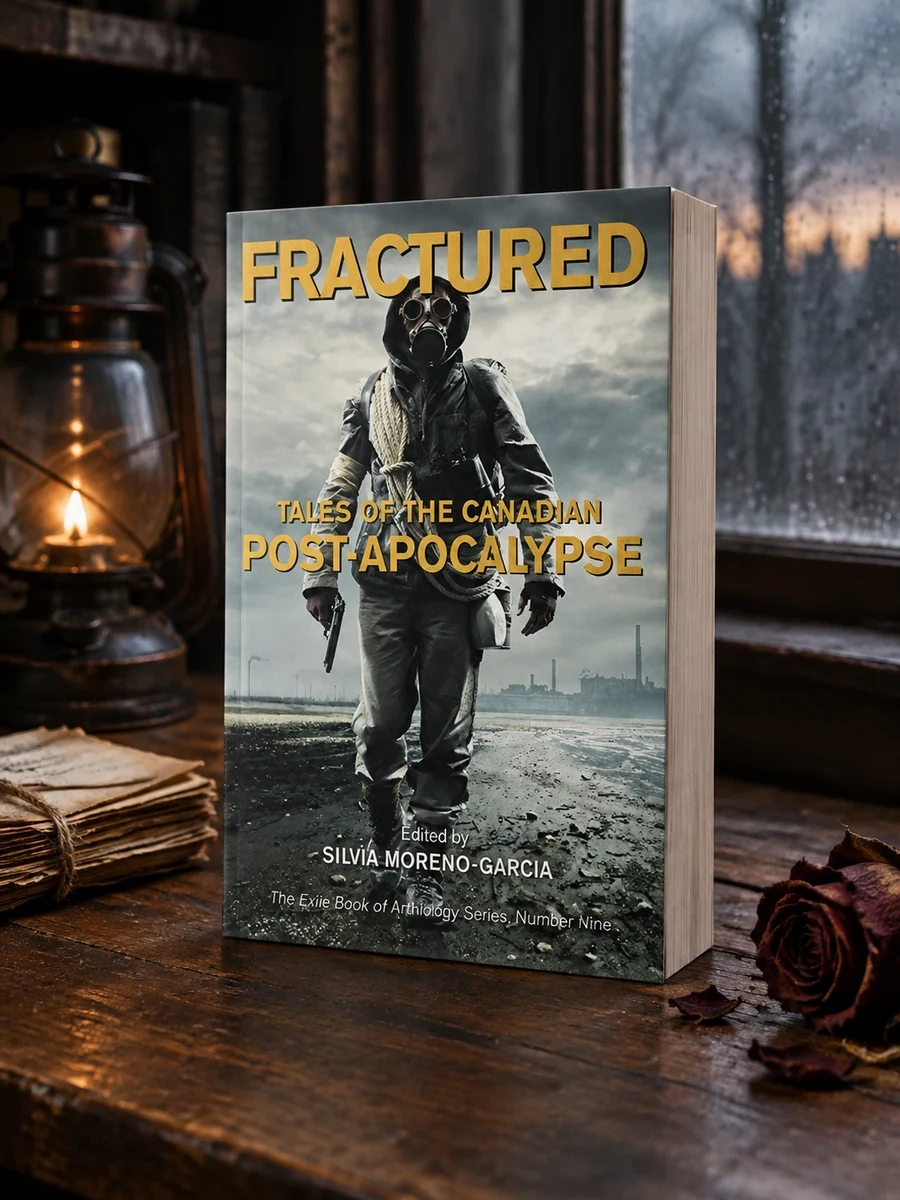
2. Fractured: Tales of the Canadian Post-Apocalypse — Silvia Moreno-Garcia
Fractured is a collection that understands apocalyptic horror as fragmentation—both of landscape and psyche. Moreno-Garcia curates stories that don't offer neat explanations for the collapse; instead, they present a world already broken, where the reader must piece together what happened through fractured narratives and unreliable perspectives. The horror here is existential: characters grappling with the loss of continuity, the inability to know whether civilization will return or if this fractured state is permanent. It's ideal for readers who want apocalyptic fiction that prioritizes atmosphere and dread over action, and who appreciate the kind of horror that lingers because it refuses easy answers.
Cosmic and Unknowable Apocalypse: When the End Defies Understanding
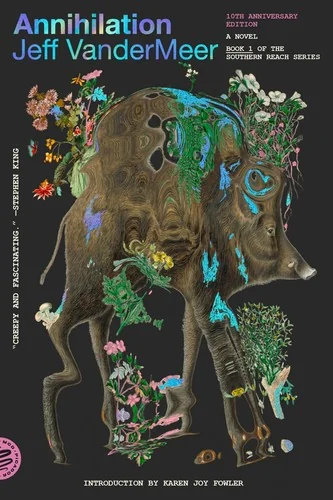
3. Annihilation: A Novel (10th Anniversary Edition) — Jeff VanderMeer
Annihilation is apocalyptic horror disguised as science fiction. The Southern Reach trilogy presents a slow-motion end of the world that doesn't announce itself—Area X expands silently, consuming landscape and logic alike, and no one can explain why. What makes this genuinely terrifying is VanderMeer's refusal to provide clarity. The apocalypse here isn't a single catastrophic event but a creeping wrongness, a zone where the rules of reality no longer apply. The horror is psychological: characters entering a space where their understanding of biology, physics, and selfhood breaks down. If you want apocalyptic horror that embraces cosmic dread and the terror of the incomprehensible, this is essential. The 10th Anniversary Edition includes new material that deepens the mythology.
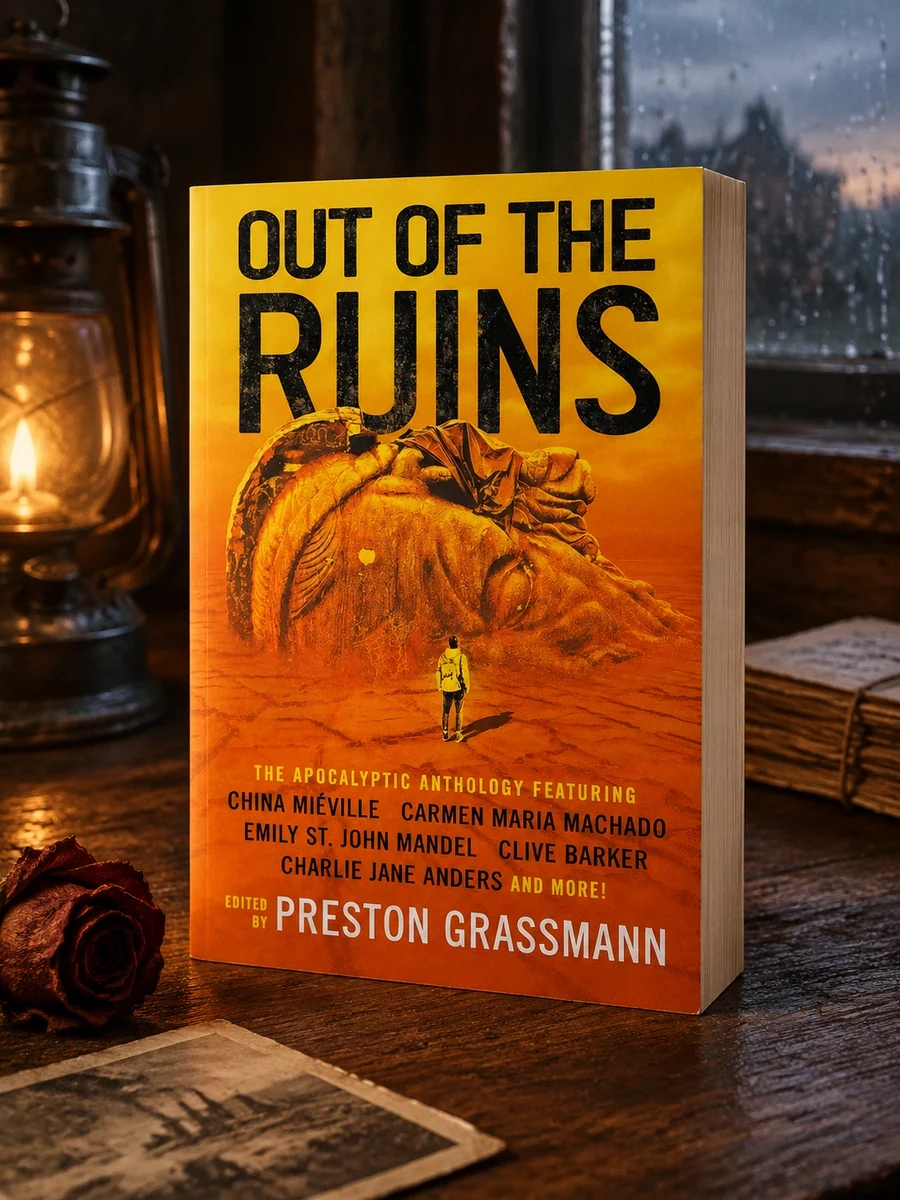
4. Out of the Ruins: The Apocalyptic Anthology — Clive Barker
Out of the Ruins is Barker at his most philosophically ambitious, exploring what apocalypse means when you strip away the survival narrative. This collection doesn't ask how people endure after the end; it asks what the end reveals about human nature. Barker's stories often feature worlds already in collapse, where characters confront the reality that civilization was always fragile, always one catastrophe away from dissolution. The horror is existential and visceral simultaneously—Barker never lets you forget that apocalypse is embodied, that it happens to flesh and bone, not just to abstract concepts like "society." Readers craving existential dread and speculative horror will find this collection's exploration of post-collapse psychology invaluable.
Gothic Apocalypse: When the End Wears a Historical Face
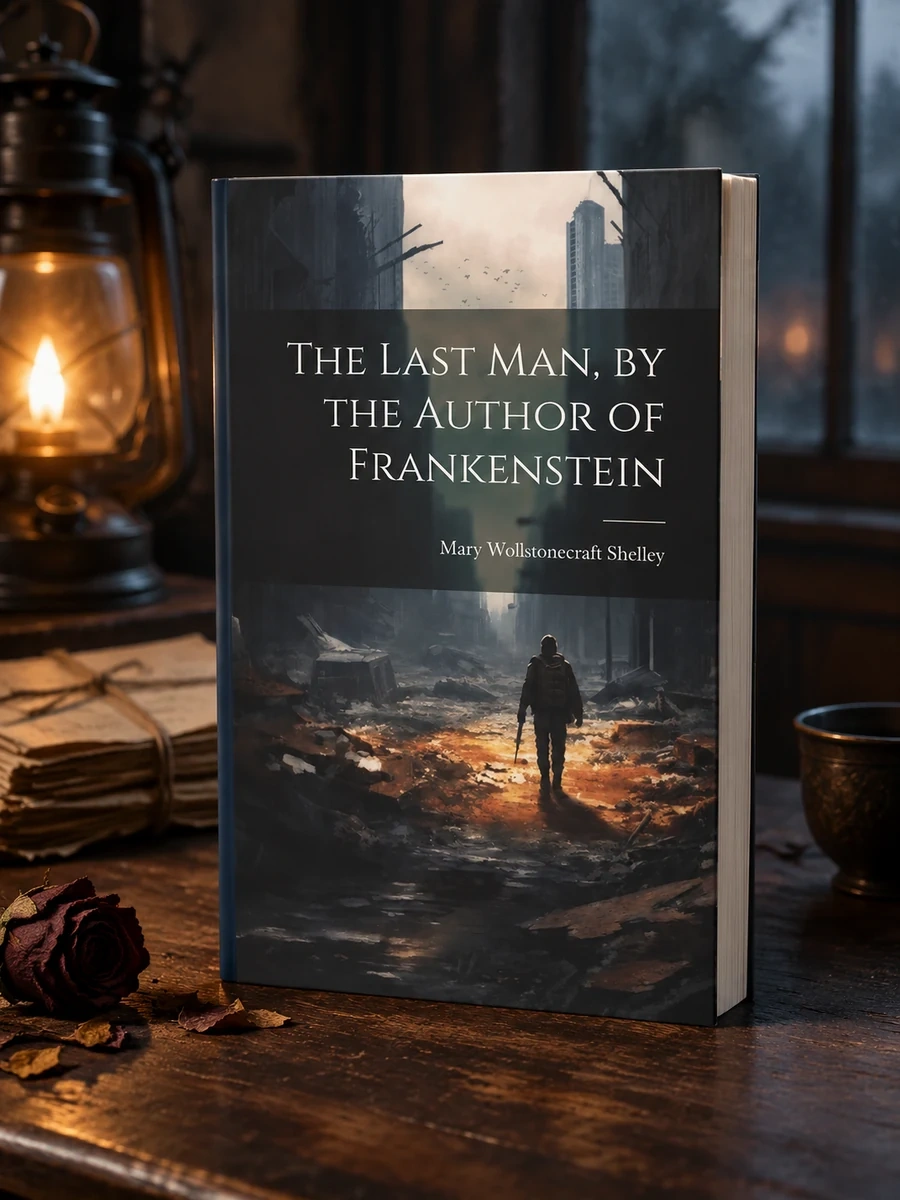
5. The Last Man, by the Author of Frankenstein — Mary Shelley
The Last Man is the ancestor of all apocalyptic horror, and it remains one of the most psychologically devastating. Shelley's 1826 novel depicts a plague that gradually empties the world, leaving the narrator as the last human alive. What's remarkable—and what makes it horror rather than tragedy—is Shelley's focus on the psychological unraveling of witnessing civilization's death in real time. The narrator watches society collapse layer by layer: first the political order, then the social bonds, then the basic human connections that make life worth living. By the time he's truly alone, the reader understands that the apocalypse wasn't the plague—it was the loss of meaning that accompanied it. This is gothic apocalyptic horror in its purest form: atmospheric, melancholic, and deeply unsettling. Readers drawn to gothic atmospheres and early science fiction will appreciate this work's prescience and emotional depth.
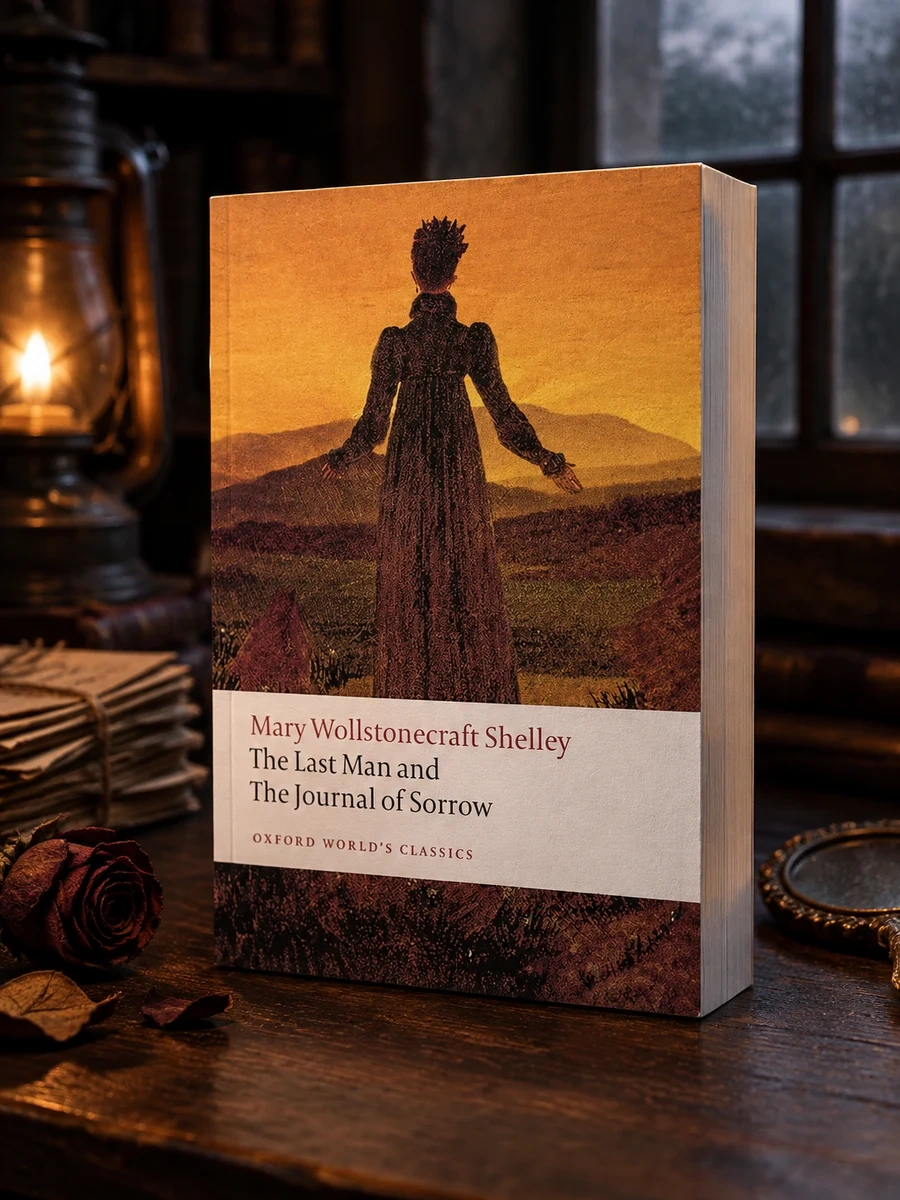
6. The Last Man and the Journal of Sorrow — Mary Shelley
The Last Man and the Journal of Sorrow pairs Shelley's original novel with supplementary material that deepens its apocalyptic vision. If you want to understand how Shelley constructed the psychological horror of witnessing the end of the world, this edition provides context and additional perspectives. It's ideal for gothic aficionados and fans of melancholic speculative fiction who appreciate atmospheric dread over visceral thrills. The combination of text and supplementary material creates a fuller picture of how apocalyptic horror functions when it's rooted in loss and isolation rather than action and survival.
Military Collapse and Societal Fracture: When the System Fails
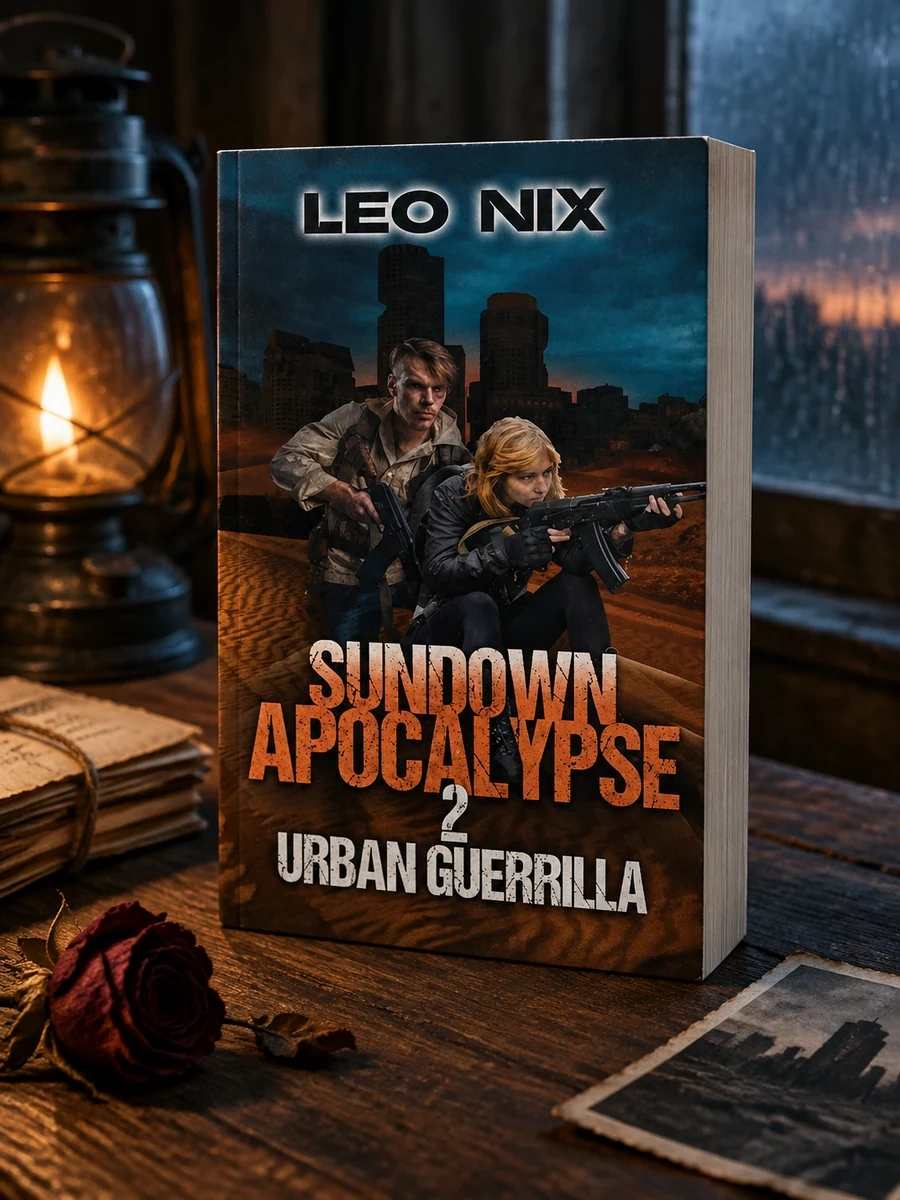
7. Sundown Apocalypse 2: Urban Guerrilla — Stephen King
Urban Guerrilla presents apocalyptic horror through the lens of urban breakdown and the collapse of authority. When the systems that organize society—law enforcement, government, infrastructure—fail simultaneously, the psychological terror isn't just about survival; it's about the realization that civilization was always held together by consensus and force, and both can evaporate overnight. This volume combines gritty, survival-focused narratives with psychological depth, exploring how people respond when stealth and cunning become the only currency that matters. The horror emerges from the recognition that in a truly collapsed world, the old rules don't just change—they cease to exist entirely. Seekers of visceral, unflinching horror will appreciate this tale of desperate survival and the psychological toll of living in a world without rules.
How to Choose Your Apocalyptic Horror
The apocalyptic horror novels that resonate most deeply are the ones that match your primary fear about the end of the world. Are you most terrified by plague and the loss of human connection? Start with The End of the World as We Know It or The Last Man. Do you fear the incomprehensible—the idea that the end might come from something we can't understand or control? Annihilation is your book. Do you want to explore how civilization fractures when authority collapses? Urban Guerrilla delivers that specific dread.
The best apocalyptic horror doesn't offer comfort or solutions. It asks you to sit with the reality of ending—to feel what it means when the world as you know it ceases to exist. These seven novels do exactly that. They transform the apocalypse from a plot device into a character, a force, a psychological state. They're not about what comes after. They're about the moment when you realize nothing will ever be the same, and there's no going back.