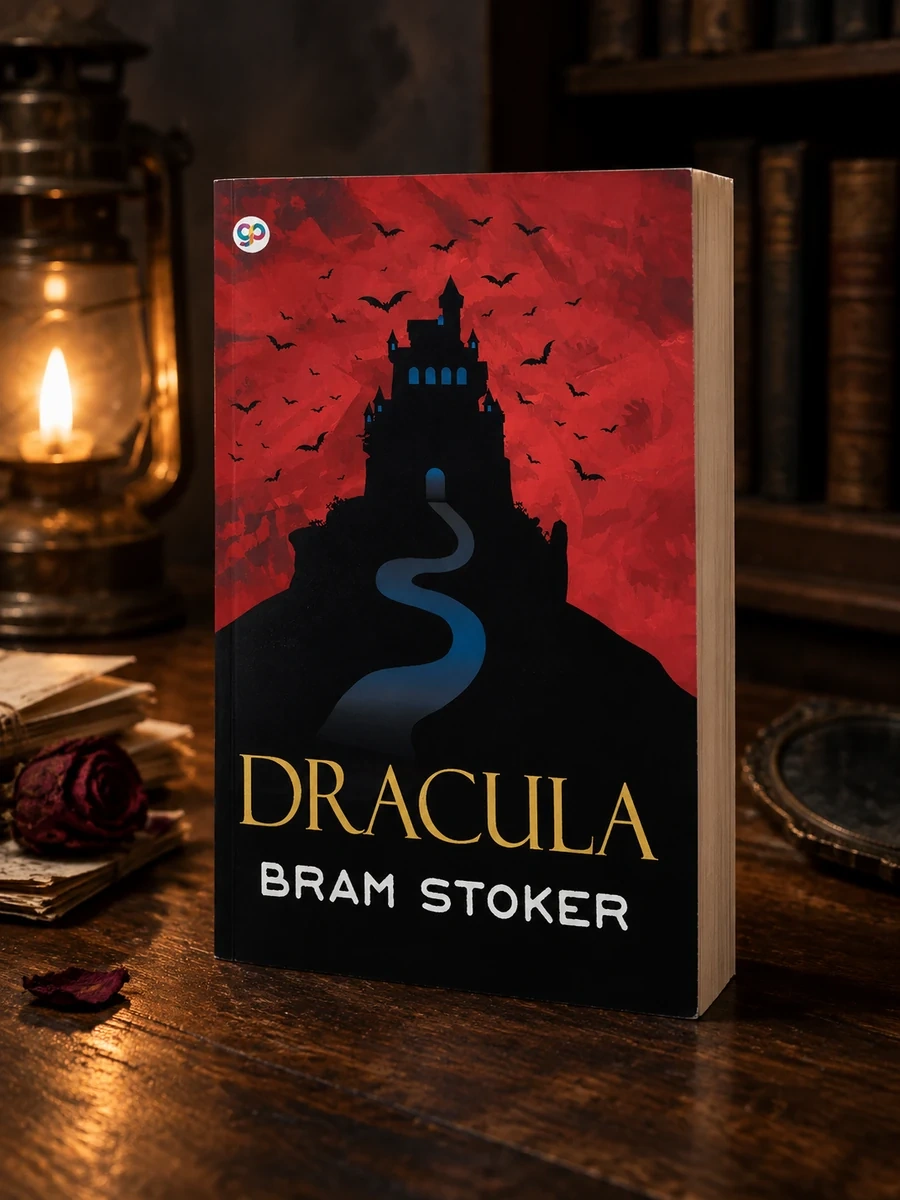
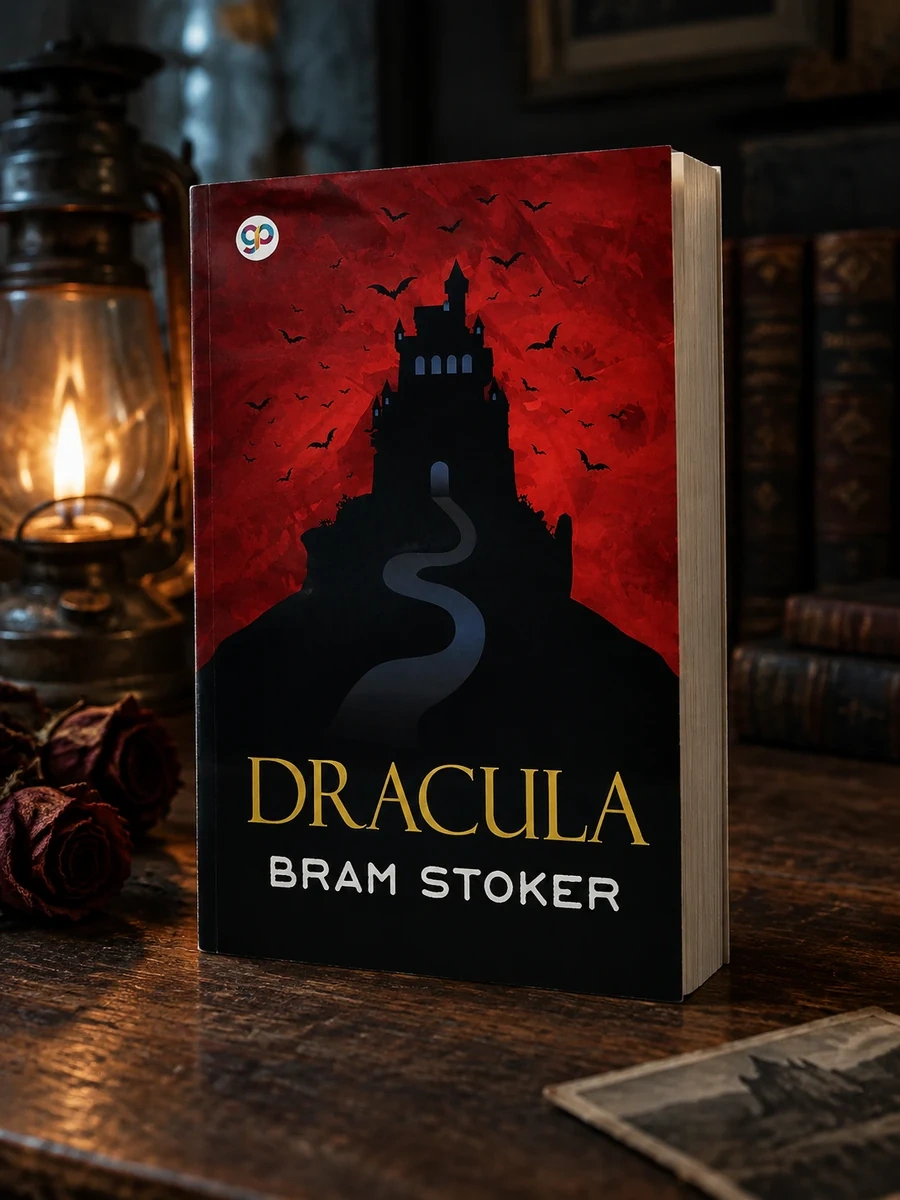
Dracula
A gothic novel told through letters and diaries about a lawyer held by a vampire.
Stoker uses an epistolary format to tell the story of Jonathan Harker. He travels to meet Dracula for business but finds himself trapped. The narrative relies on documents like ships' records and newspaper clippings to build tension. This approach highlights the Count's influence across different locations. The text examines how Victorian society viewed outsiders and foreign threats. It does not rely on modern horror tropes but instead focuses on psychological dread. The story remains a key example of early supernatural fiction.
Published in 1897, this work emerged from the Victorian era's anxieties about foreign influence and social change. Stoker drew on his experience managing the Lyceum Theatre to craft a narrative that reflects late nineteenth-century British concerns about identity and power.


📝 Description: Dracula
💎 Our verdict on Dracula
📖 Why choose it
Why this book is worth reading
This book is ideal for readers who appreciate classic literature that examines the social anxieties of the late nineteenth century through a gothic lens. It appeals specifically to those who enjoy epistolary storytelling and historical horror, offering a unique narrative structure composed of letters, diary entries, and newspaper clippings. The fragmented format allows the story to unfold through multiple perspectives rather than a single voice, providing a comprehensive view of the Count's influence across different locations. While it may not suit readers seeking fast-paced action or contemporary supernatural thrillers, it offers a deep dive into psychological dread without relying on modern horror tropes. Patience with its structure is rewarded with an understanding of Victorian views on outsiders and foreign threats.
⭐ Reader reviews
Reader rating
Stoker’s masterpiece effectively utilizes an epistolary format to build tension through documents like ships' records and newspaper clippings. This approach highlights the Count's pervasive influence while examining how Victorian society viewed outsiders. The narrative avoids modern horror clichés, focusing instead on psychological dread and the gradual realization of entrapment. It serves as a key example of early supernatural fiction, establishing the foundation for modern vampire lore. The text is best suited for readers who appreciate historical context and literary structure over immediate thrills. Those willing to engage with its fragmented format will find a rich exploration of colonialism and cultural fear. It remains a vital work for understanding the evolution of horror from gothic roots to psychological complexity.
📖 Read on the blog
✍️ More books by this author Stoker Bram
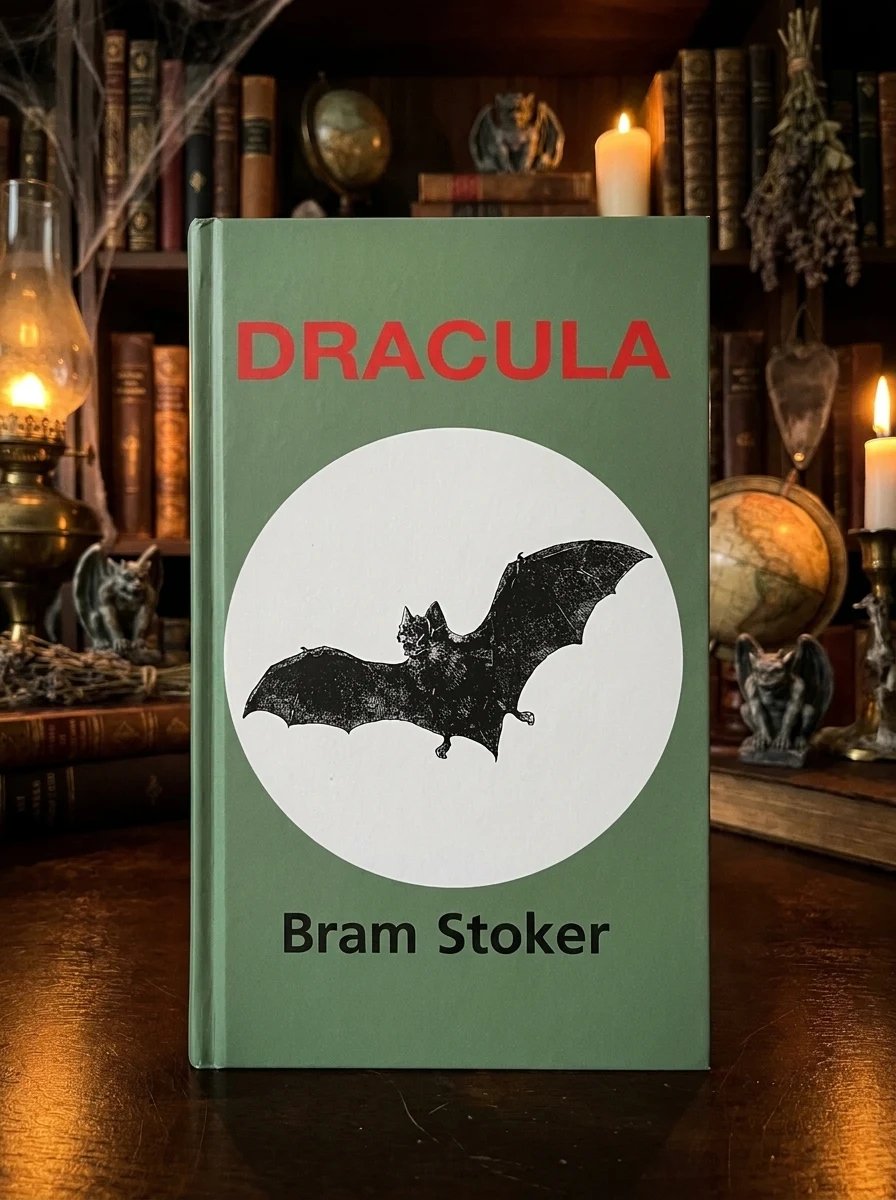


🏛 Books from this publisher General Press
You might also like
See more →
Have a question about this item?
Ask about the edition, condition, delivery or anything else — we reply by email or phone, usually within a day.
