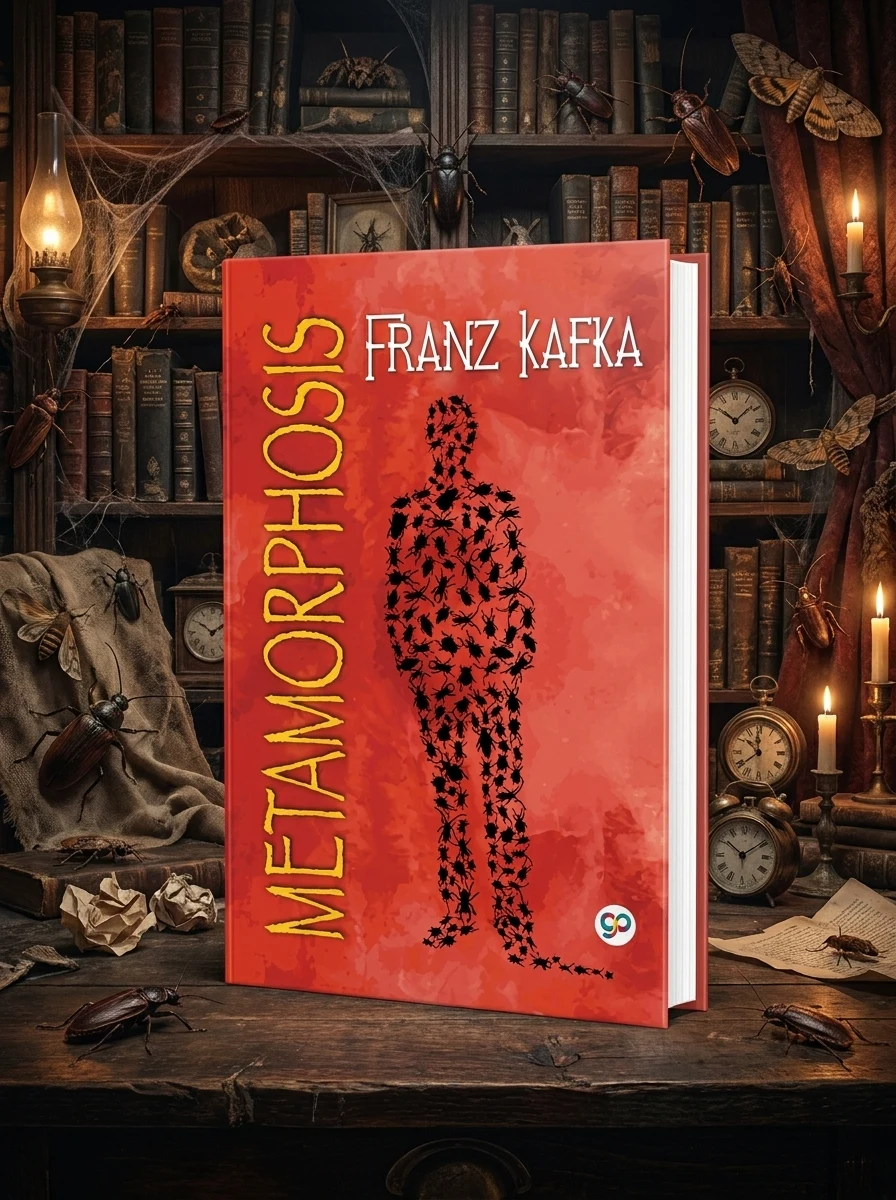
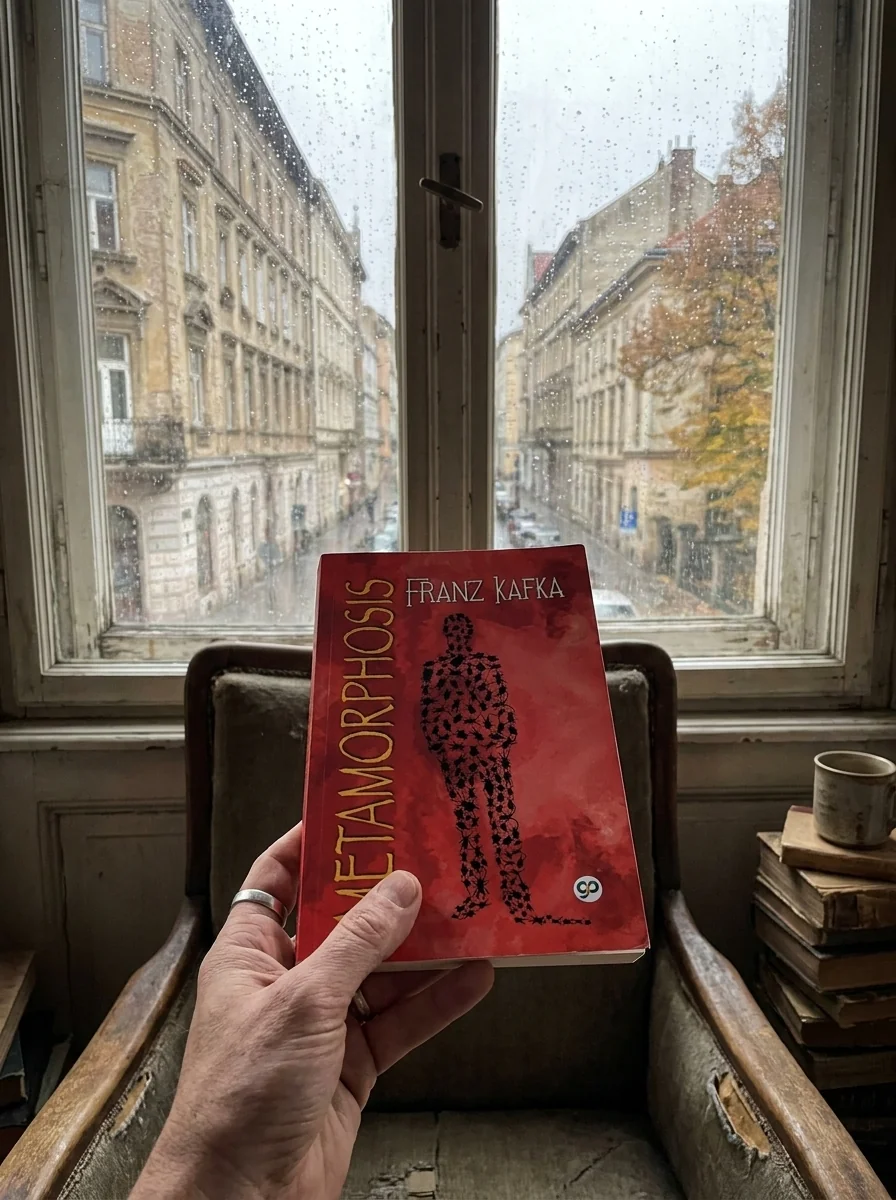
Metamorphosis
A salesman wakes as an insect in this tale of isolation.
Gregor Samsa’s sudden change into a beetle-like creature forces his family to confront their own prejudices. The narrative tracks his growing alienation from society and his relatives. Kafka uses this bizarre premise to examine the fragility of human relationships under stress. The story does not offer easy answers but instead presents a harrowing look at disgrace. Readers witness the gradual erosion of Gregor’s identity as he becomes less than human in the eyes of those who once relied on him.
Published in 1915, this short novel is a seminal work of twentieth-century fiction. It is widely studied in colleges and universities across the western world for its influence on modern literature.


📝 Description: Metamorphosis
💎 Our verdict on Metamorphosis
📖 Why choose it
Why this book is worth reading
This book suits readers interested in existential literature and psychological horror who appreciate absurdist fiction and studies of social alienation. It appeals to those willing to explore the fragility of human relationships under stress without seeking easy answers or comforting endings. Readers gain a harrowing look at disgrace and the gradual erosion of identity as Gregor becomes less than human in the eyes of his relatives. The narrative offers a meditation on human inadequacy, guilt, and isolation through an absurdly comic lens. It is significant for its exploration of human feelings and serves as a vital text for understanding social alienation and the experience of shifting from a provider to an outsider.
⭐ Reader reviews
Reader rating
Kafka presents a short novel that begins with a startling opening, launching a narrative about Gregor Samsa’s transformation into a monstrous vermin. This work functions as a profound meditation on human inadequacy, guilt, and isolation through an absurdly comic lens. The narrative structure follows Gregor’s decline, highlighting his family’s reaction to his new form and the resulting disgrace within their home. It draws upon gothic and supernatural traditions to examine alienation as Gregor shifts from provider to outsider. This book suits readers who appreciate absurdist fiction and deep psychological horror. It is best for those seeking a significant text on social alienation rather than traditional plot resolutions or comforting endings.
📖 Read on the blog
✍️ More books by this author Franz Kafka
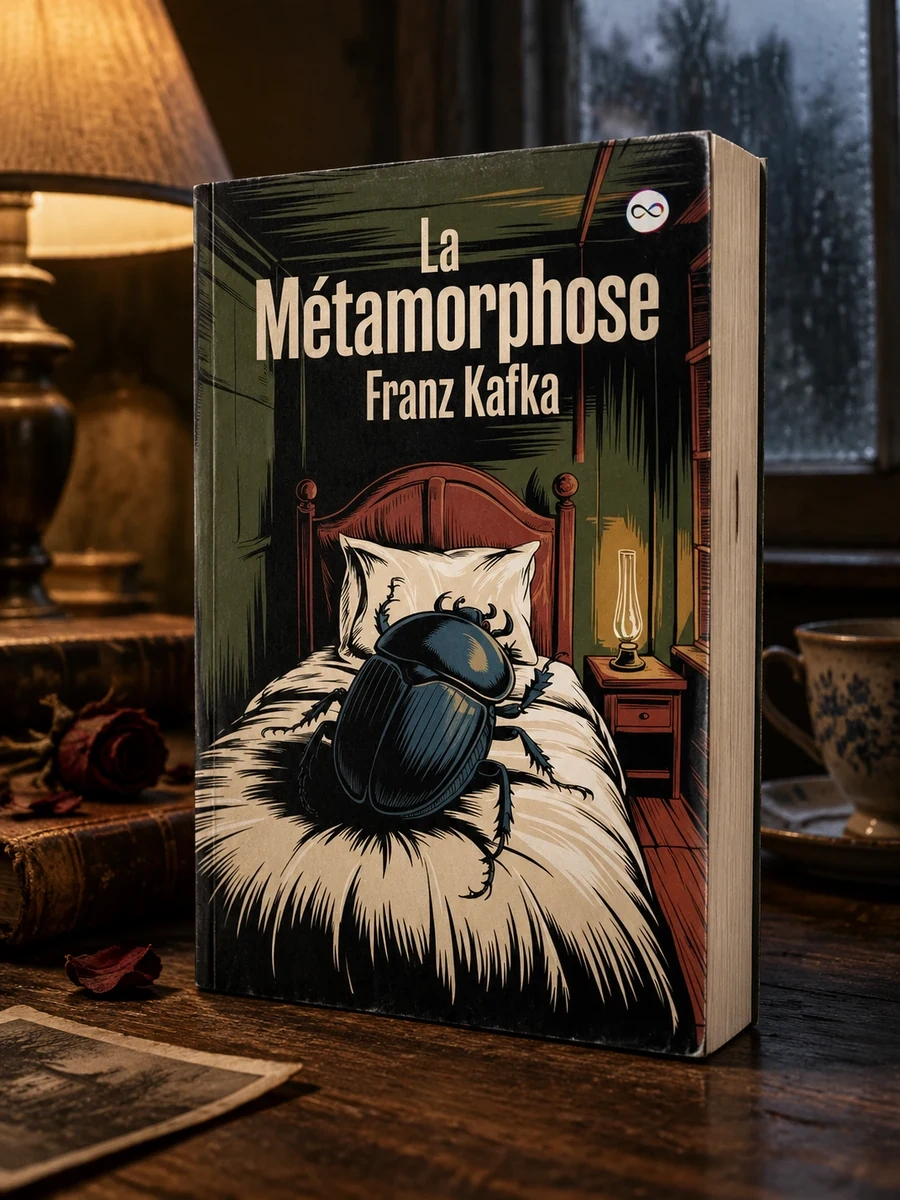


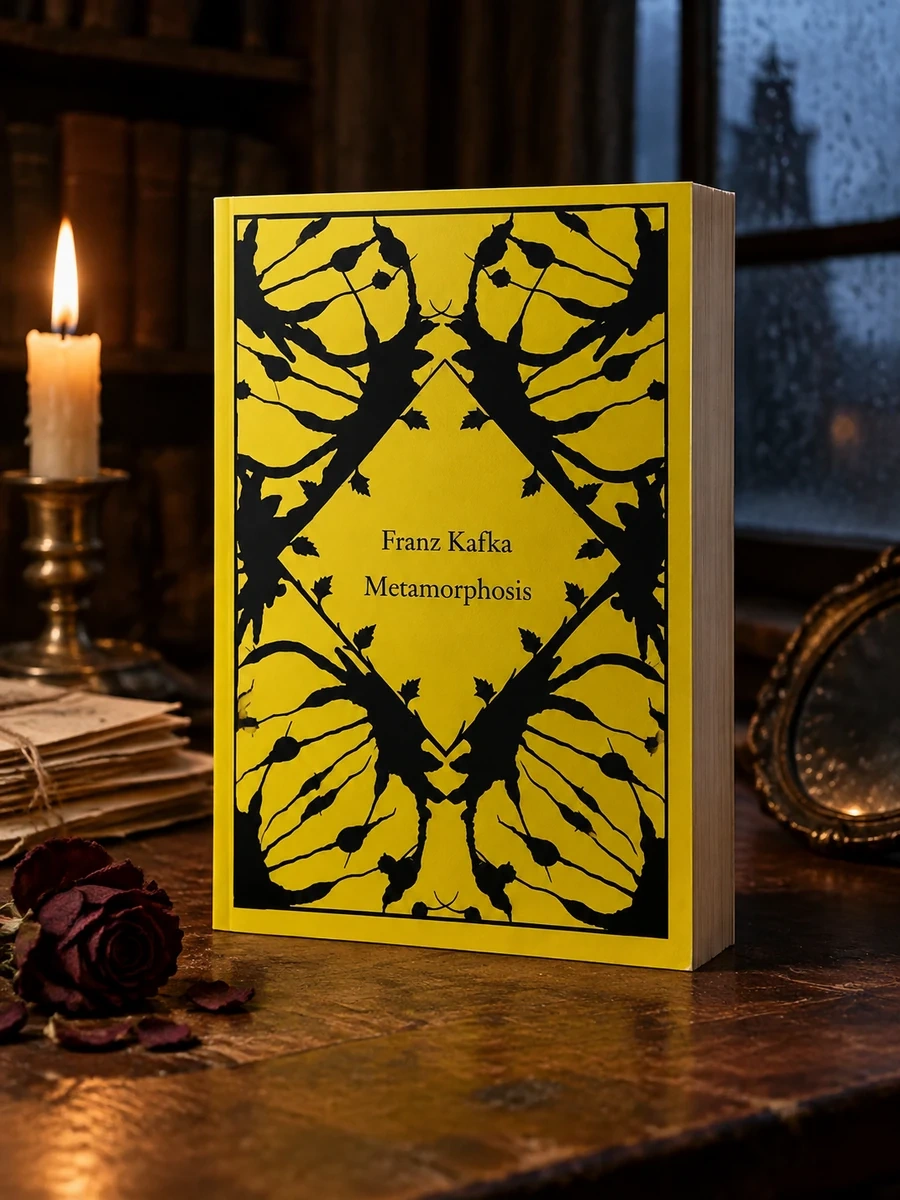
🏛 Books from this publisher General Press



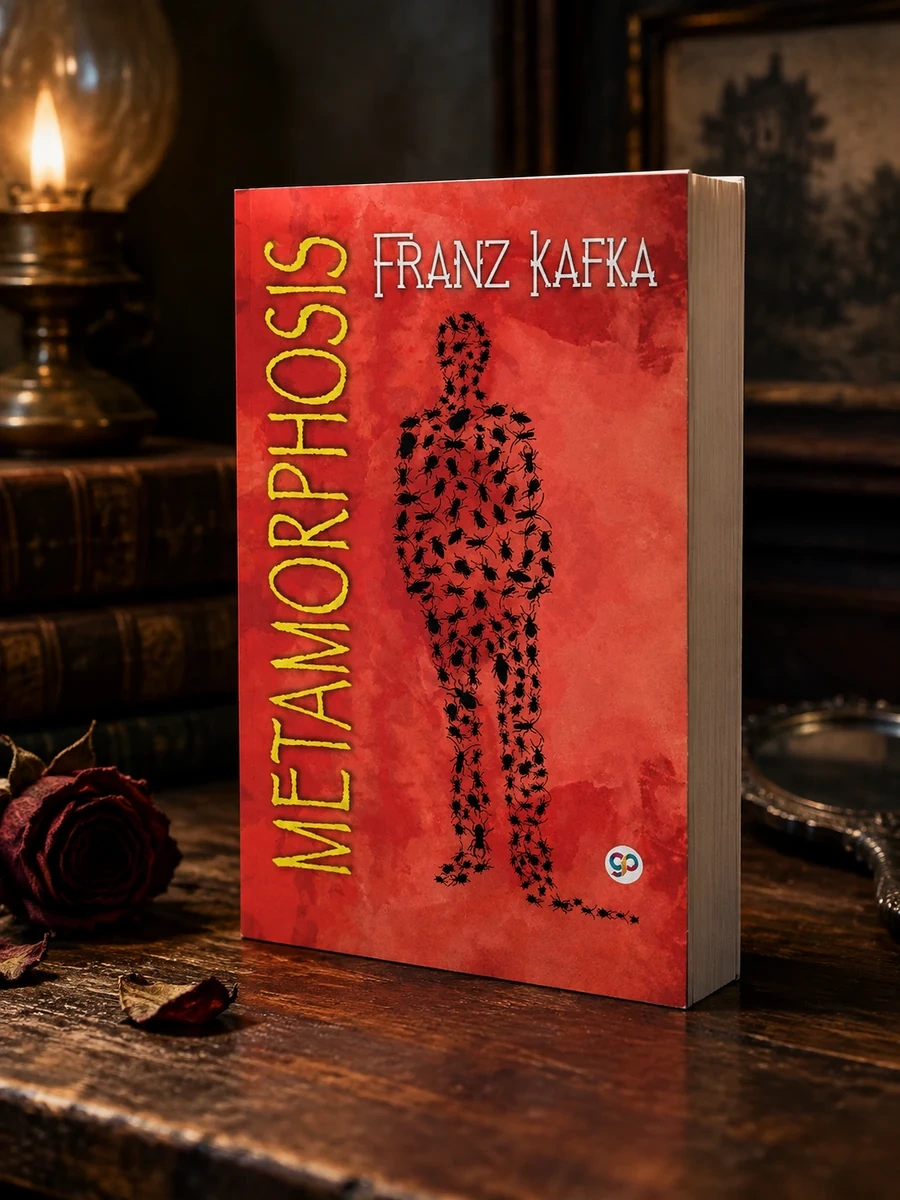


You might also like
See more →
Have a question about this item?
Ask about the edition, condition, delivery or anything else — we reply by email or phone, usually within a day.
