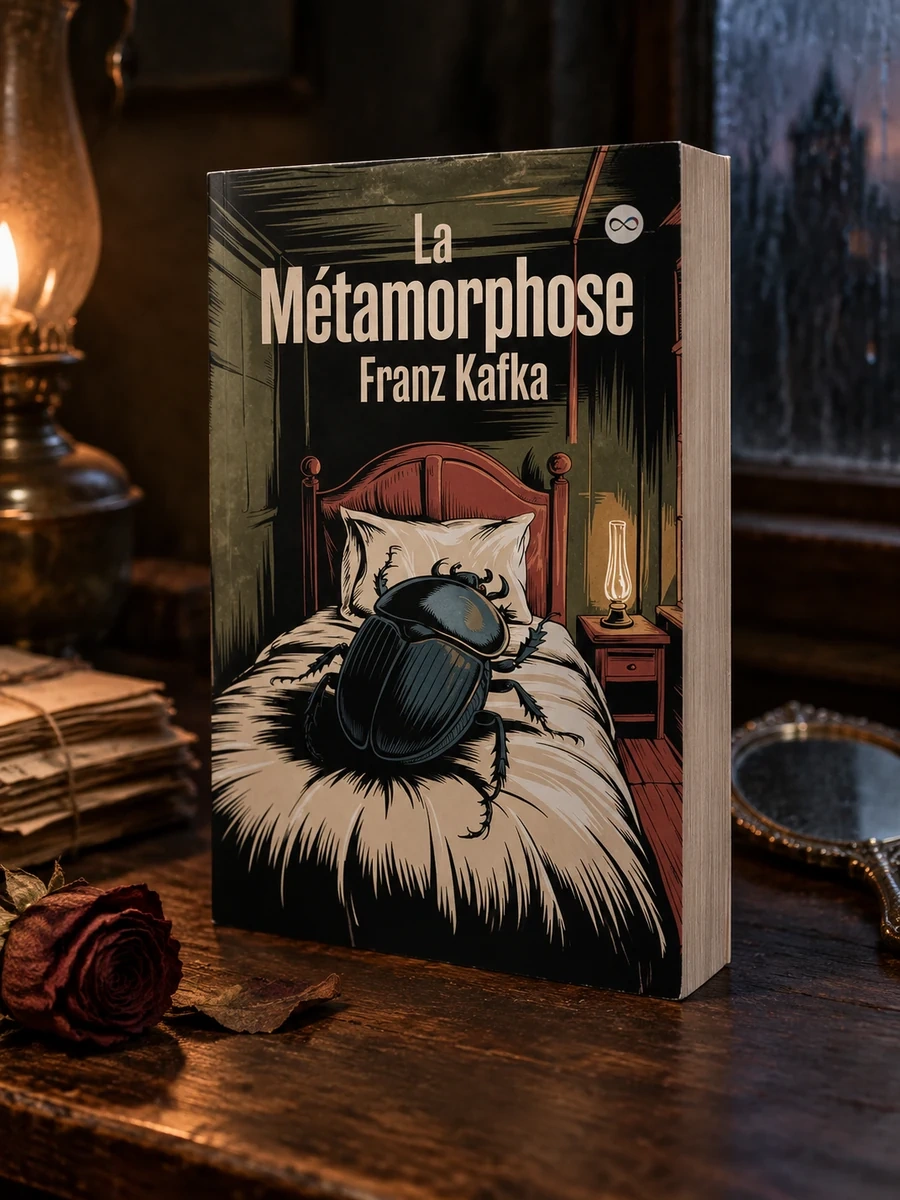
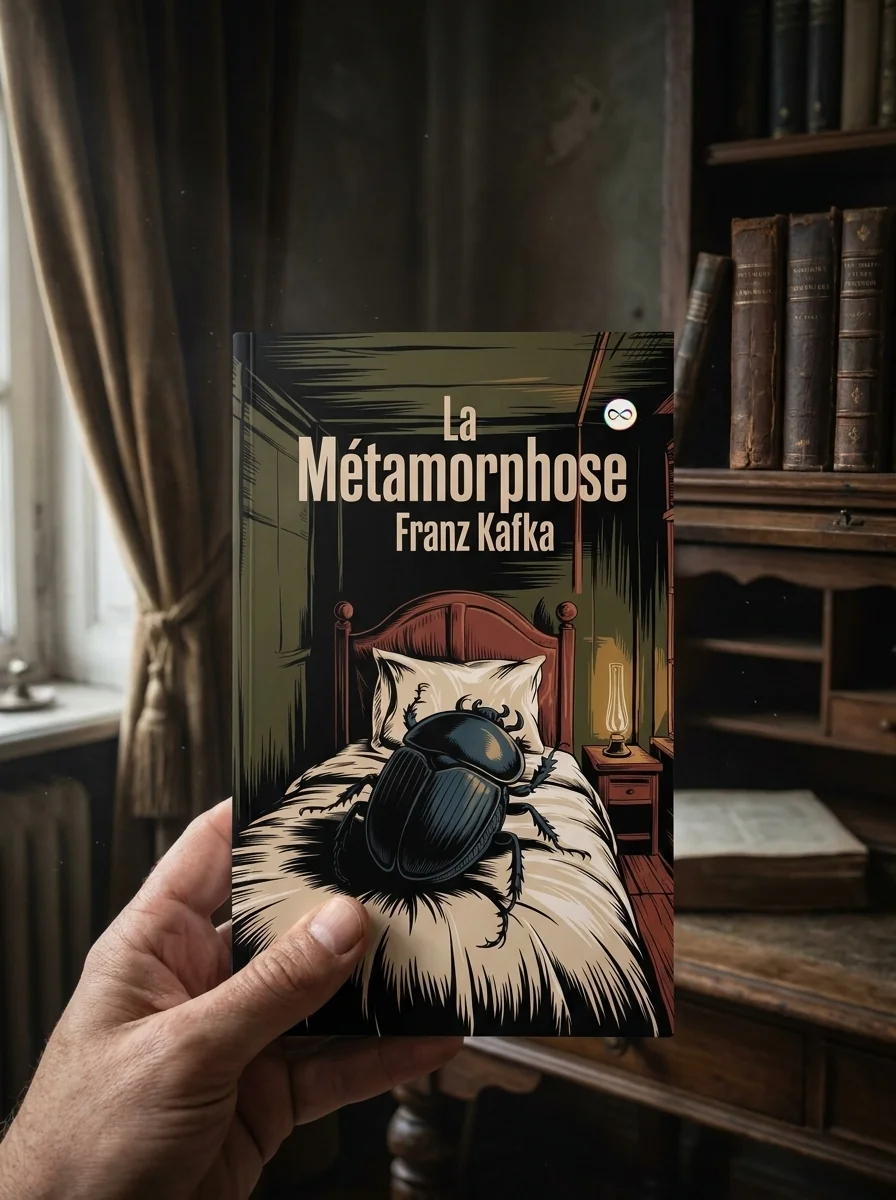
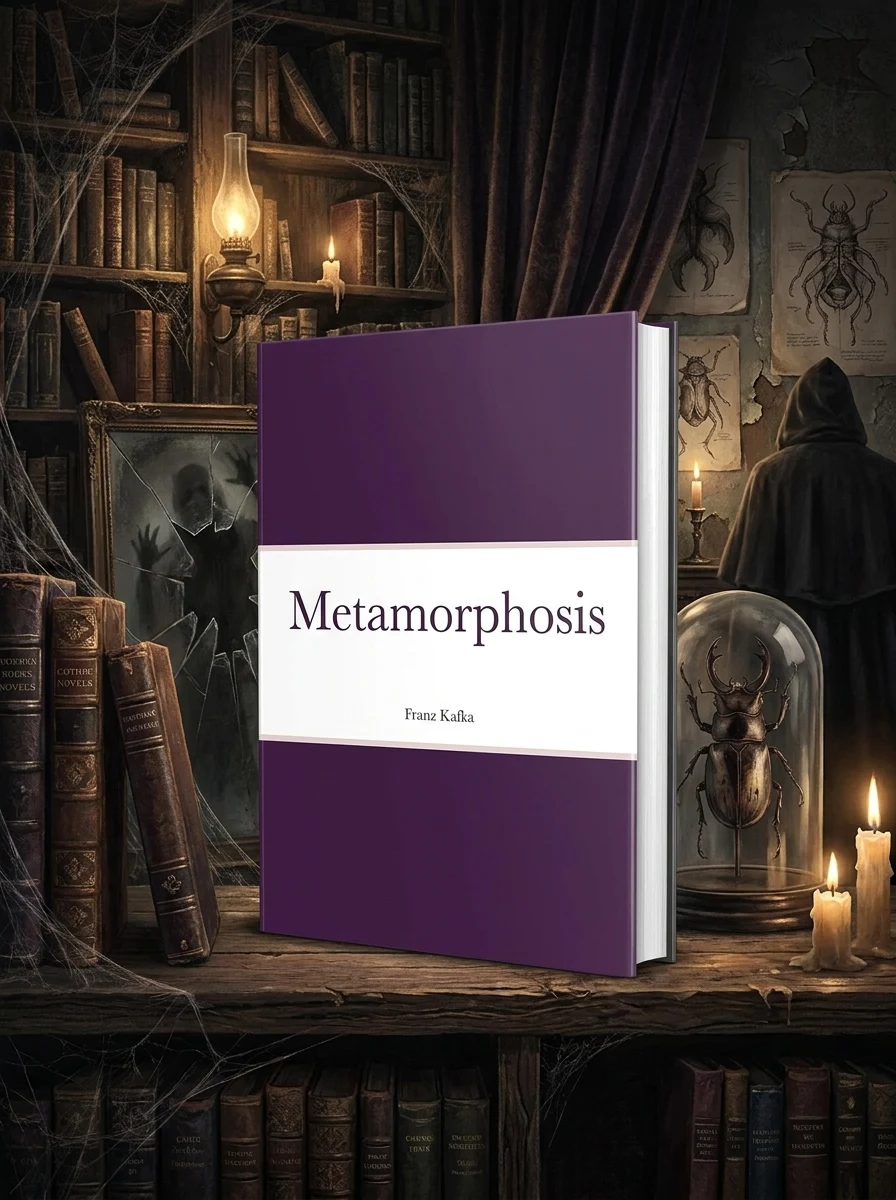
La Metamorphose
A man wakes as an insect, exploring alienation through Kafka's precise prose.
This edition presents a disturbing fable about identity loss. Gregor Samsa’s transformation triggers his family’s rejection. The narrative focuses on his isolation rather than physical horror. Kafka uses this premise to critique societal cruelty. The text avoids sensationalism in favor of psychological realism. Readers encounter a protagonist who remains human in mind but is trapped in an insect body. This duality drives the exploration of guilt and solitude. The story does not resolve with escape or redemption. It ends with Gregor fading into obscurity. The work reflects on how quickly social bonds can dissolve under pressure. Kafka’s style ensures the horror feels mundane and inevitable. The narrative structure supports this theme of gradual disappearance. There are no magical solutions to Gregor’s plight. The text remains grounded in a realistic setting despite the fantastical premise.
La Metamorphose is an emblematic work of twentieth-century literature. It draws on the tradition of absurd fables to examine the human condition. The text reflects on the cruelty of daily life and social rejection. Kafka’s cold style defines its place in modernist fiction.


📝 Description: La Metamorphose
💎 Our verdict on La Metamorphose
📖 Why choose it
Why this book is worth reading
Readers who appreciate absurd fables and psychological depth will find significant value in this text. It offers a quiet, unsettling examination of societal rejection rather than relying on traditional horror tropes. Those seeking supernatural action or explicit gore may not connect with the narrative. However, individuals interested in exploring themes of solitude, guilt, and alienation will engage deeply with the protagonist's internal experience. The book presents a stark, unadorned style that creates dread through realism rather than fantasy elements. It is ideal for those who wish to understand how social bonds dissolve under pressure. The work provides a profound reflection on identity loss and the cruelty of daily life without offering magical solutions or redemption.
⭐ Reader reviews
Reader rating
Kafka employs a cold, precise style to explore disturbing themes of isolation and societal cruelty with remarkable effectiveness. The narrative traces a gradual descent into oblivion, focusing entirely on the psychological realism of the protagonist's plight. This approach creates a profound sense of dread through its grounded, mundane setting rather than external threats. The tension between the human mind trapped in an insect body drives the exploration of guilt and solitude. While it lacks traditional horror monsters or jump scares, it delivers a powerful commentary on the fragility of social bonds. It suits readers who prefer intellectual engagement over visceral shock. The continuous narrative structure supports the theme of gradual disappearance, making it a compelling study of the human condition for those willing to endure its quiet discomfort.
📖 Read on the blog
✍️ More books by this author Franz Kafka
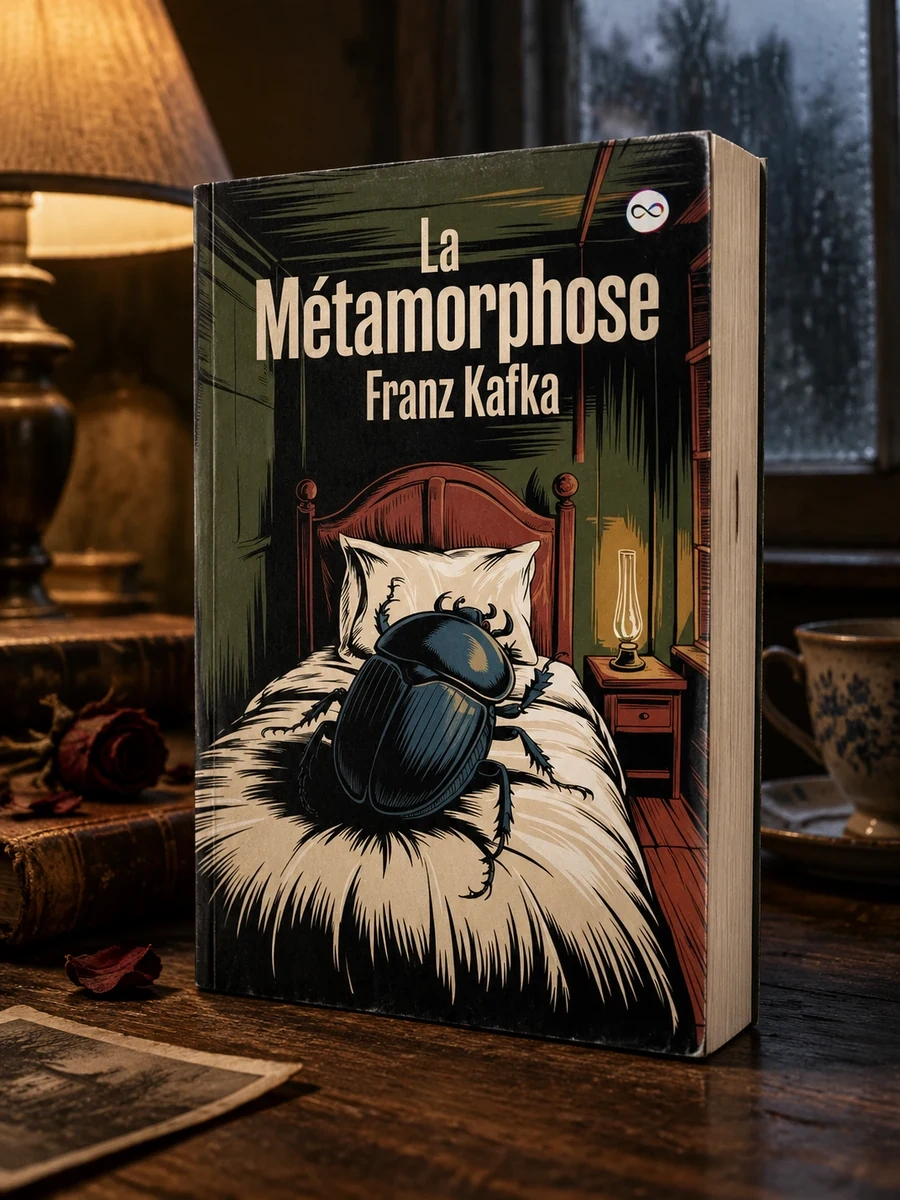


🏛 Books from this publisher Infinity Spectrum Books


You might also like
See more →


Have a question about this item?
Ask about the edition, condition, delivery or anything else — we reply by email or phone, usually within a day.
