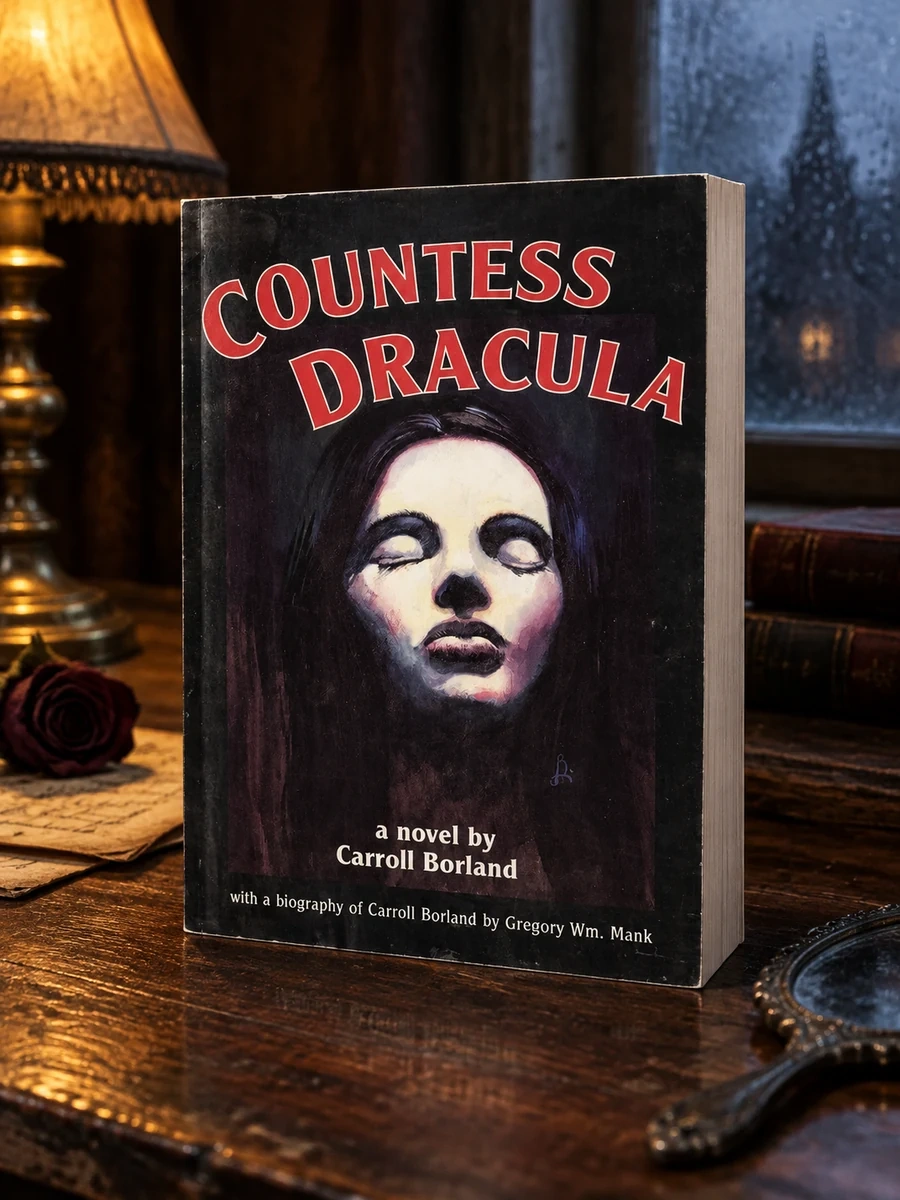
Countess Dracula
A biography of Carroll Borland and her work with Bela Lugosi.
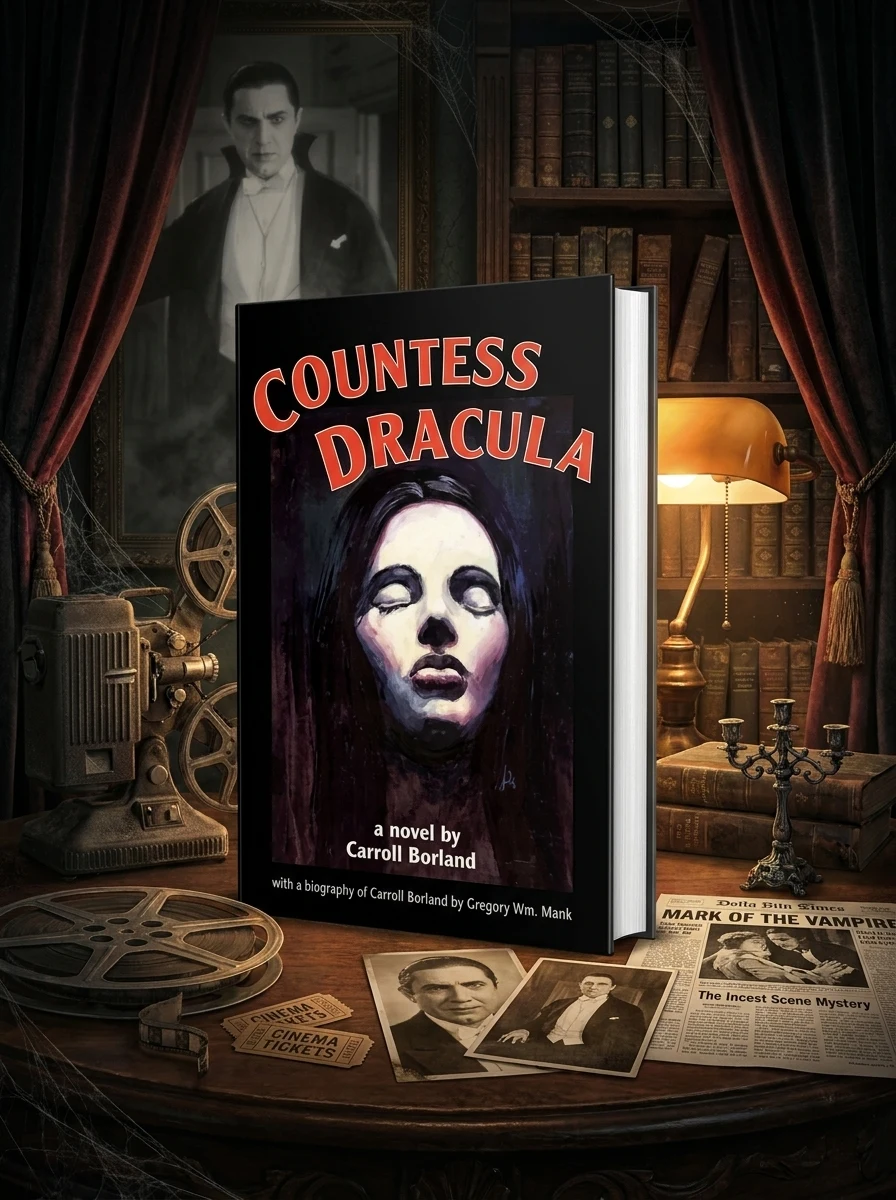
Mank’s account centers on Borland’s legacy as a star of early cinema. It analyzes how her portrayal of Luna influenced the depiction of vampire women for years to come. The text addresses specific rumors surrounding Mark of the Vampire, including the alleged cut scene and posthumous hauntings. By examining these elements, the book offers insight into the personal history behind the film’s production.
This work examines early cinema history, specifically the 1935 horror classic Mark of the Vampire. It connects the legacy of Bram Stoker’s Dracula to the performances of Lugosi and Borland in that era.


📝 Description: Countess Dracula
💎 Our verdict on Countess Dracula
📖 Why choose it
Why this book is worth reading
This biography appeals to those fascinated by the intersection of personal history and cinematic legacy, particularly regarding the development of female vampire aesthetics. Readers interested in the professional dynamics between Carroll Borland and Bela Lugosi will find value in its exploration of their collaboration on Mark of the Vampire. The text offers insight into specific production rumors, such as alleged cut scenes and posthumous hauntings, providing a grounded look at the actors' lives rather than fictional lore. It is ideal for those seeking detailed accounts of early horror film production and the historical context that shaped the genre's visual language. Those wanting modern supernatural fiction may find the focus too narrow, but fans of biographical film history will appreciate the specific details regarding Borland’s career and her influence on subsequent depictions of vampire women.
⭐ Reader reviews
Reader rating
The book succeeds in contextualizing Carroll Borland’s legacy within early cinema, highlighting how her portrayal of Luna influenced future vampire portrayals. It carefully examines the personal dynamics with Bela Lugosi and addresses persistent rumors about their shared work, including alleged cut scenes and spiritual hauntings. The narrative remains grounded in documented history rather than speculation, offering a clear view of Borland’s impact on the horror genre’s visual aesthetic. This approach suits readers interested in biographical film history and the specific era of early Hollywood horror production. It avoids broad generalizations, focusing instead on the actors' professional relationship and the historical traditions that shaped their work. The result is a focused study for those seeking to understand the origins of cinematic vampire tropes through the lens of Borland’s career.
📖 Read on the blog
✍️ More books by this author Carroll Borland
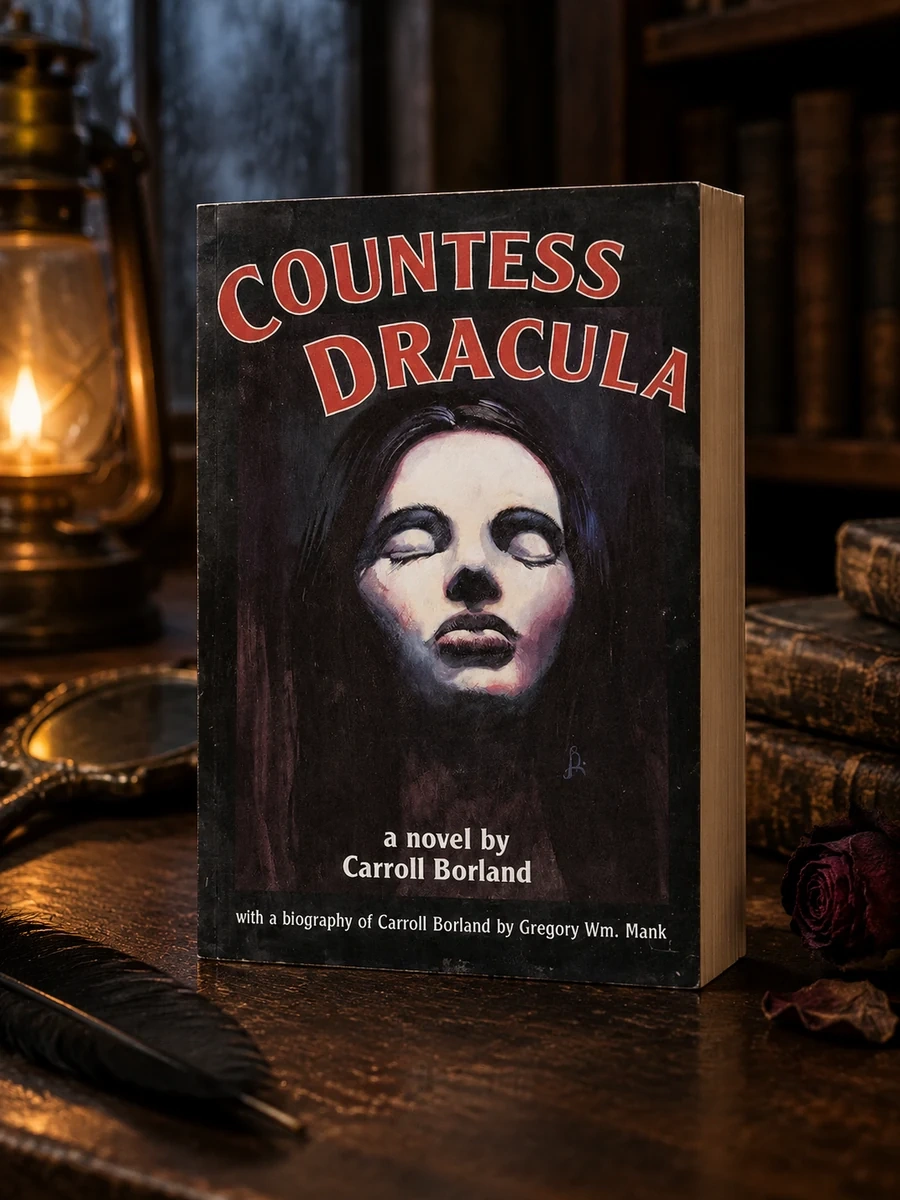


🏛 Books from this publisher BearManor Media
You might also like
See more →

Have a question about this item?
Ask about the edition, condition, delivery or anything else — we reply by email or phone, usually within a day.
