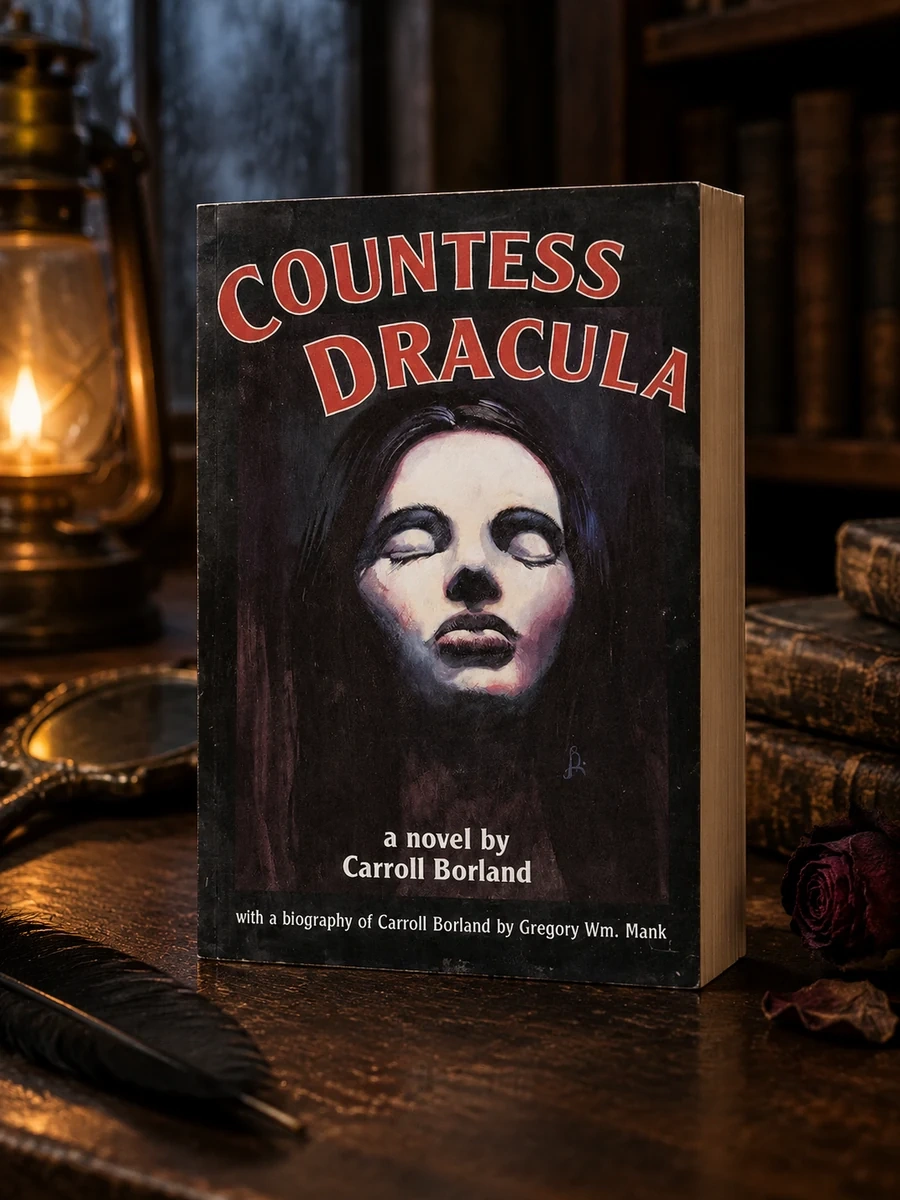
Countess Dracula
A biographical account of Carroll Borland's life and career in early horror cinema.
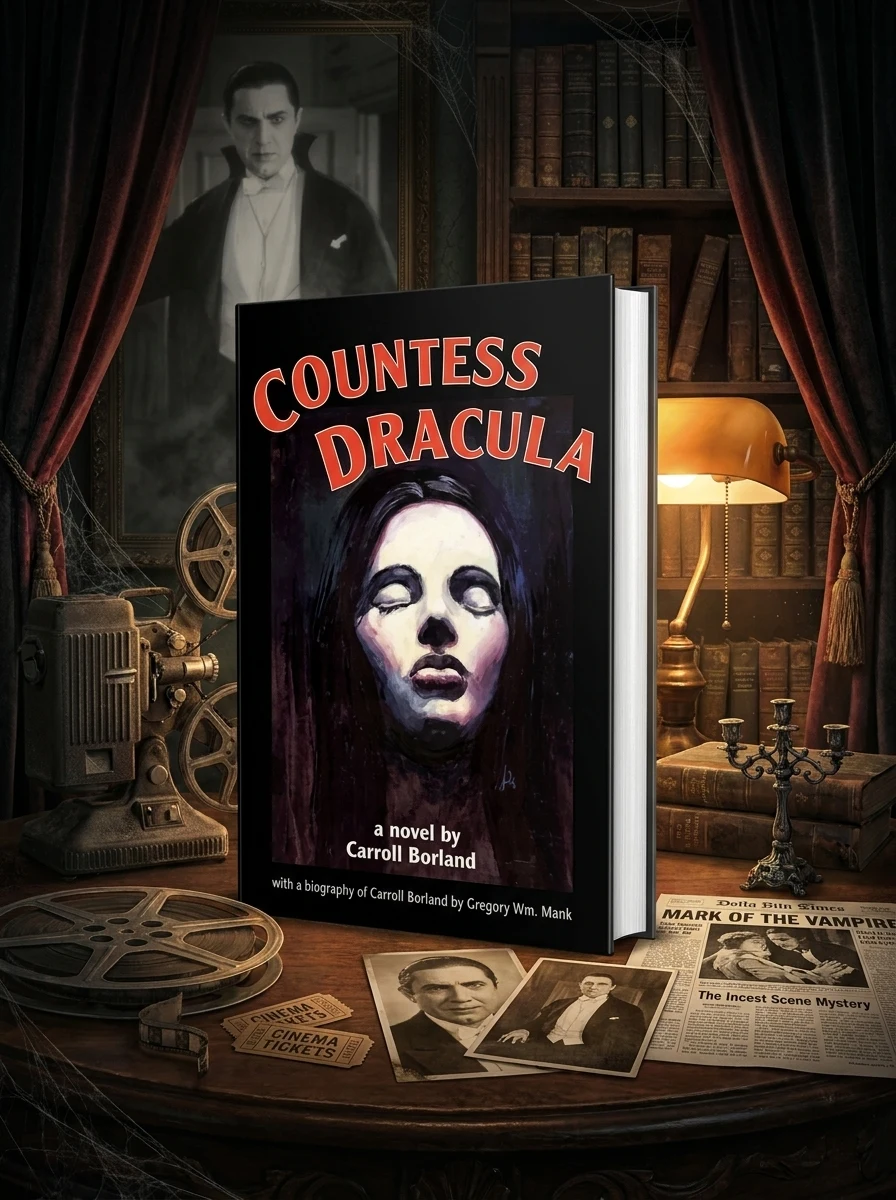
This book investigates the professional and personal dynamics between Carroll Borland and Bela Lugosi during their collaboration on Mark of the Vampire. It addresses specific inquiries about the influence of Lugosi on vampire fiction adaptations and clarifies rumors surrounding deleted scenes from their film. The narrative connects these events to the legacy of Bram Stoker’s work, providing context for how Borland’s performance shaped the visual identity of the female vampire archetype in subsequent media.
The book sits within the history of early American cinema and gothic literature, specifically examining the 1930s era when Mark of the Vampire was released. It bridges the gap between literary horror traditions and their adaptation into visual media during that specific period.


📝 Description: Countess Dracula
💎 Our verdict on Countess Dracula
📖 Why choose it
Why this book is worth reading
Readers with a passion for film history and gothic fiction analysis will find this volume particularly rewarding. It offers concrete details about Carroll Borland’s career, specifically her iconic role as Luna in Mark of the Vampire alongside Bela Lugosi. The book investigates the professional and personal dynamics between these stars, clarifying rumors about deleted scenes and exploring the influence of Lugosi on vampire fiction adaptations. It appeals to those interested in how Borland’s performance shaped the visual identity of the female vampire archetype for future generations. By connecting these cinematic moments to broader literary histories, it provides a specific look at this era of supernatural cinema, satisfying curiosity about the origins of modern horror aesthetics without requiring knowledge of technical filmmaking.
⭐ Reader reviews
Reader rating
This volume excels in detailing Carroll Borland’s contributions to the genre through rigorous biographical sourcing. It effectively addresses specific inquiries regarding Lugosi’s influence on sequels to Bram Stoker’s Dracula and clarifies persistent rumors about cut content from their collaborative work. The narrative successfully bridges early Hollywood cinema with gothic traditions, offering a compelling account of how Borland defined the aesthetic of female vampires. While it does not suit readers seeking modern horror or technical guides, it is an essential resource for those analyzing the legacy of Bram Stoker’s work in film. The text provides a nuanced look at the period surrounding 1935, making it ideal for scholars and fans of classic supernatural cinema who appreciate deep dives into specific cinematic histories.
📖 Read on the blog
✍️ More books by this author Carroll Borland


🏛 Books from this publisher BearManor Media
You might also like
See more →

Have a question about this item?
Ask about the edition, condition, delivery or anything else — we reply by email or phone, usually within a day.
