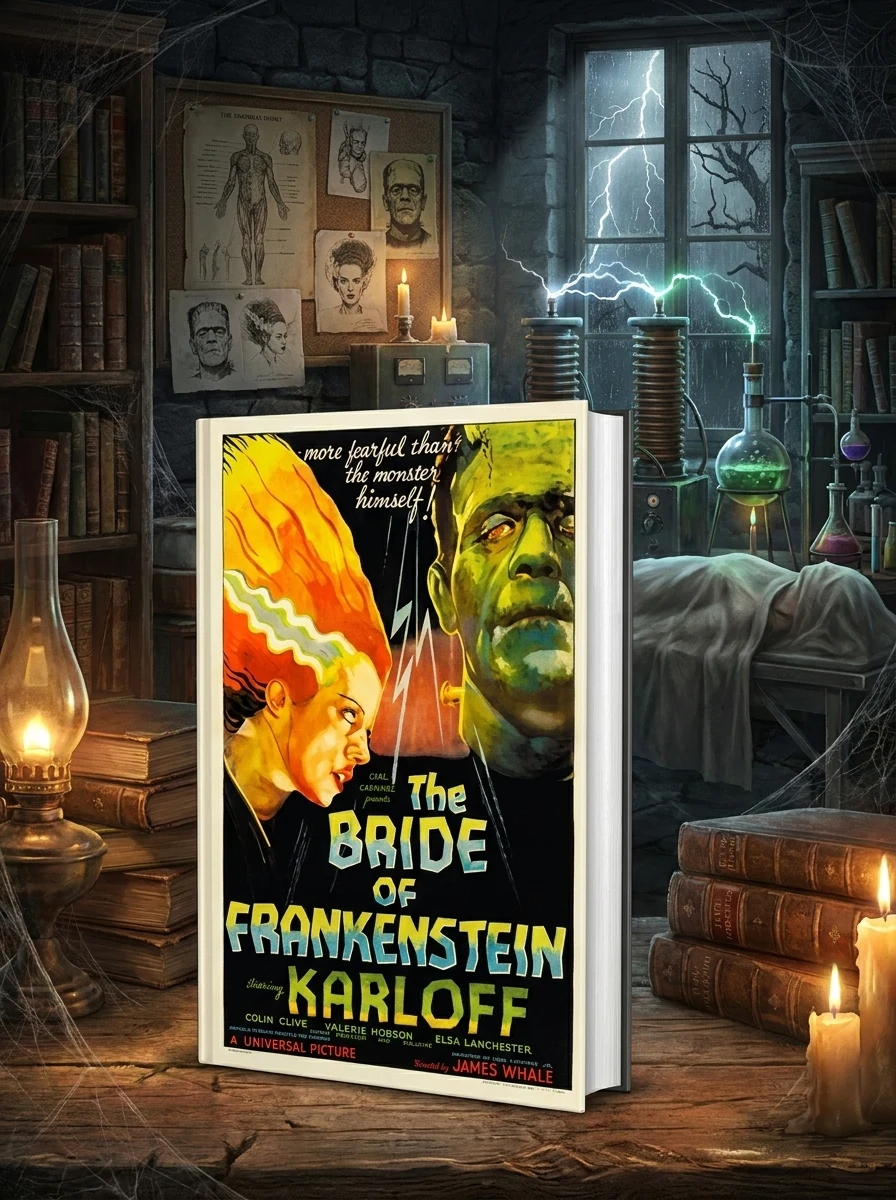
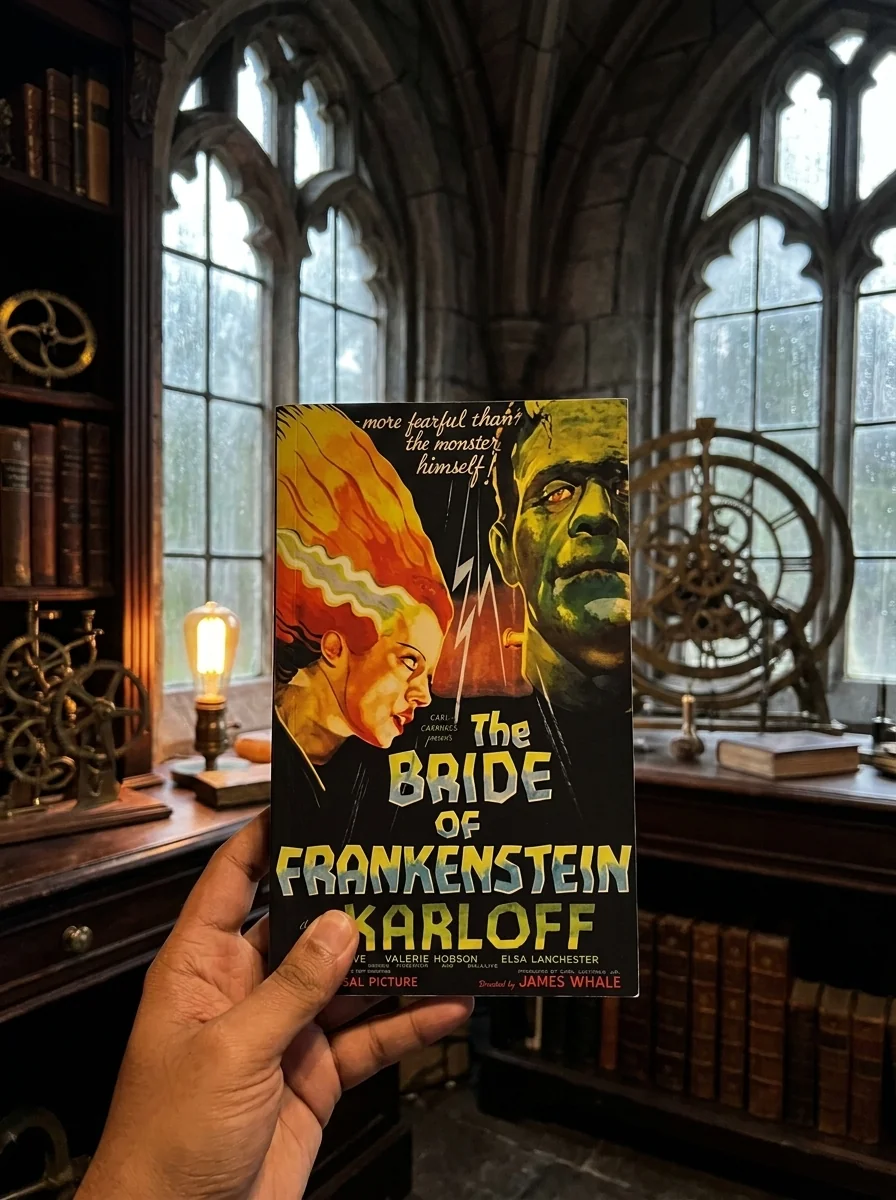
The Bride of Frankenstein
Michael Egremont analyzes the sequel's themes of coercion and industrial anxiety.
The author investigates the sequel’s core conflict: Victor Frankenstein’s reluctant creation of a bride for his monster. This narrative pivot shifts the focus from solitary ambition to forced partnership. The text highlights how dastardly threats drive the plot forward, creating a sense of dread. Egremont connects this fictional struggle to real-world fears about machinery becoming a dominant force. He suggests the story critiques the economic revolution brought by industrial power. The analysis reveals how horror and romance intertwine to explore human vulnerability. Readers gain insight into why this particular chapter remains significant in gothic literature. The book does not merely retell events but dissects their cultural implications. It appeals to those who want to understand the deeper meanings behind classic horror tropes.
The work sits within the tradition of gothic and supernatural fiction, published in 2012 by BearManor Media. It addresses modern concerns about machinery dominating economics, linking classic horror to contemporary societal fears.


📝 Description: The Bride of Frankenstein
💎 Our verdict on The Bride of Frankenstein
📖 Why choose it
Why this book is worth reading
Readers seeking a deep dive into the cultural implications of classic horror tropes will find this volume essential. It dissects the shift from solitary ambition to forced partnership in the Frankenstein narrative, revealing how dastardly threats drive the plot and create dread. Those interested in literary analysis, horror history, and cultural criticism will appreciate the exploration of industrial power and economic revolution. This book is ideal for those who want to understand the deeper meanings behind gothic literature rather than simply retelling events. It offers insight into why this chapter remains significant, connecting fictional struggles to real-world fears about technology and control. Scholars and enthusiasts of dark fantasy and psychological horror will gain valuable context on how fear intersects with societal change.
⭐ Reader reviews
Reader rating
Egremont provides a structured examination of the sequel’s enduring relevance by unpacking its gothic traditions and supernatural fiction elements. The text excels in highlighting the tension between scientific ambition and moral responsibility, offering a thoughtful look at human vulnerability. While it avoids sensationalism, focusing instead on underlying ideas, this academic approach may alienate readers seeking simple plot summaries or unedited texts. It is best suited for those who appreciate depth in horror literature and wish to explore how the story critiques the economic revolution. The analysis of machinery as a dominant force provides a unique lens on industrial anxiety. Ultimately, it serves as a rigorous study for readers interested in the intersection of fear, romance, and societal transformation within the horror canon.
📖 Read on the blog
🏛 Books from this publisher BearManor Media



You might also like
See more →


Have a question about this item?
Ask about the edition, condition, delivery or anything else — we reply by email or phone, usually within a day.
