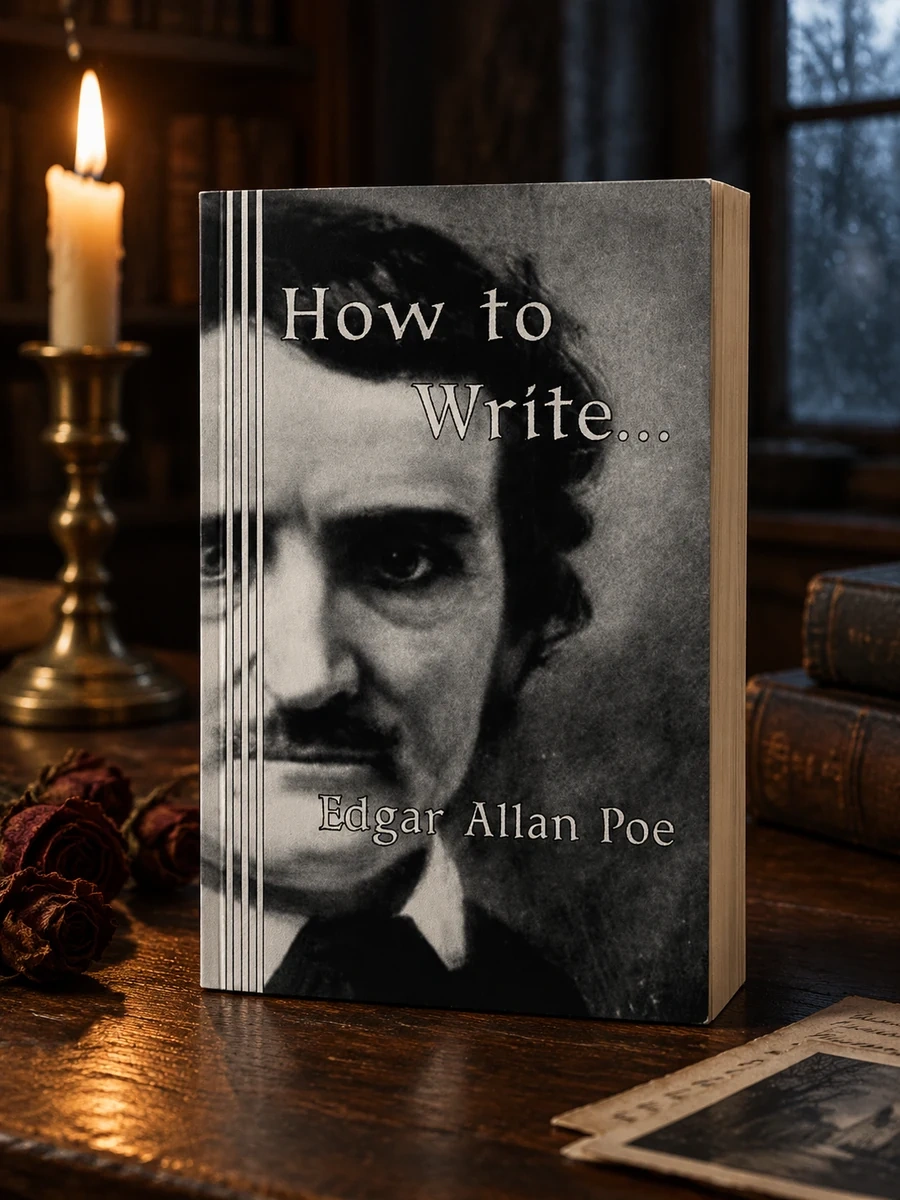
This is not a book for everyone, and the publisher seems to know it. How to Write... collects three essays by Edgar Allan Poe that examine the craft of writing from different angles—some humorous, some rigorous, all rooted firmly in his 19th-century sensibility. If you're looking for contemporary creative writing advice or a how-to guide in the modern sense, you'll be disappointed. If you're a scholar, a serious student of Gothic literature, or someone fascinated by how writers think about their own work, this slim volume offers genuine intellectual rewards.
The three essays included here represent Poe at his most self-conscious and analytical. Rather than offering a unified theory of writing, they showcase his investigation into different genres and styles—from the erudite and complex to the colloquial and satirical. The collection demonstrates that Poe was not just a practitioner of dark, atmospheric fiction; he was also a thoughtful critic of his own methods and the literary marketplace of his time. This meta-textual approach is part of what makes the book valuable to anyone interested in how 19th-century American writers understood their craft.
The 2015 Bandanna Books edition presents these essays in their historical context without modern editorial interference, which is both a strength and a limitation. You're reading Poe's actual analytical voice, not a contemporary scholar's interpretation of it. That authenticity matters if you're trying to understand his structural decisions in works like his Gothic tales.
What It Is About
The first essay, How to Write a Blackwood's Article, examines the specific requirements of writing for that influential publication. Poe approaches this with a satirical edge, revealing both the conventions of the magazine and the absurdities he perceived in them. The essay functions as both instruction and gentle mockery—a dual lens that makes it more entertaining than a straightforward technical manual would be.
The Philosophy of Composition shifts into more serious territory. Here, Poe dissects the logical steps behind his own creative choices, walking readers through his compositional process. This is where the book becomes genuinely valuable for anyone interested in how a major writer actually thinks through structure, effect, and reader psychology. It's analytical without being dry, though it does require sustained attention.
The final piece, X-ing a Paragraph, focuses on editing and textual refinement. It offers practical insight into how Poe approached revision and the manipulation of language at the sentence level. Together, these three essays provide a window into the mechanics of 19th-century prose construction as Poe understood and practiced it.
How It Reads
This is challenging material. The prose is dense, the references are period-specific, and Poe assumes a reader with some familiarity with 19th-century literary culture. The pace is slow and meditative—there's no plot to drive you forward, only ideas and analysis. If you're accustomed to modern essay writing, the Victorian-era syntax and vocabulary will require adjustment. That said, the difficulty is not gratuitous; it's simply the artifact of reading a writer from another era on his own terms.
The tone varies across the three essays. How to Write a Blackwood's Article carries a wry, satirical quality that makes it the most accessible and entertaining of the three. The Philosophy of Composition is more austere and philosophical, demanding real concentration. X-ing a Paragraph is briefer and more practical, offering some relief from the heavier theoretical work.
This is not a book that frightens or thrills in the way Poe's fiction does. It's intellectual rather than visceral. The horror here is the horror of seeing how deliberately constructed Poe's effects were—how much calculation went into what appears spontaneous or inevitable. That's a different kind of satisfaction, one that appeals to readers interested in craft and structure rather than atmospheric dread.
Who It Suits, and Who It Does Not
This book is essential for scholars of historical literary criticism, particularly those studying American Gothic fiction or 19th-century prose mechanics. It's ideal for writers interested in understanding how a master of the form thought about composition. It suits readers who want to understand the structural decisions behind Poe's famous tales by examining his own analytical framework. If you're writing a paper on Poe, studying for a literature degree, or simply curious about how writers from another era approached their craft, you'll find value here.
It is not suitable for readers seeking modern creative writing advice or contemporary narrative theory. The methods Poe describes are rooted in his specific historical moment and his particular aesthetic concerns. A 21st-century novelist looking for practical guidance on character development or plot structure will find little of use. Similarly, if you come to this book expecting the atmospheric intensity of Poe's fiction, you'll be let down. This is Poe the theorist, not Poe the storyteller.
Casual readers and those new to Poe should probably start with his actual stories and poems before attempting this collection. The essays make more sense—and are more rewarding—when you already know his work and are curious about how he created it. This is a book for people who've already fallen under Poe's spell and want to understand the mechanics of the enchantment.
If You Liked This
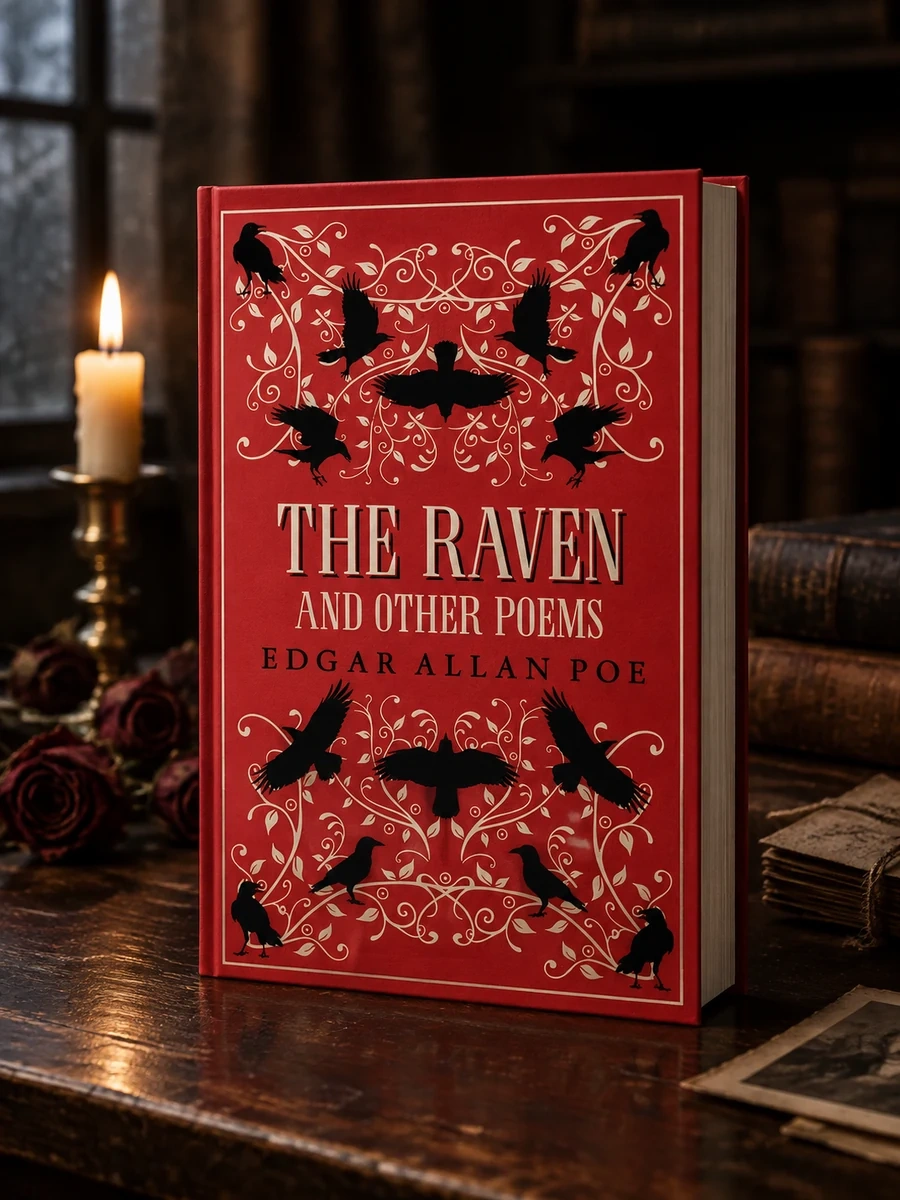
The Raven and Other Poems: Fully Annotated Edition — Edgar Allan Poe
If you appreciate Poe's intricate versification and want to understand the mechanics behind his most famous work, this annotated edition pairs well with the essays in How to Write... It offers scholarly apparatus that illuminates the craft decisions Poe discusses in his theoretical writing.
How to Write a Blackwood Article — Edgar Allan Poe
This individual essay, available separately, is the most accessible and entertaining piece in the collection. If you find the full volume too demanding, starting here gives you Poe's satirical side without the heavier philosophical material.
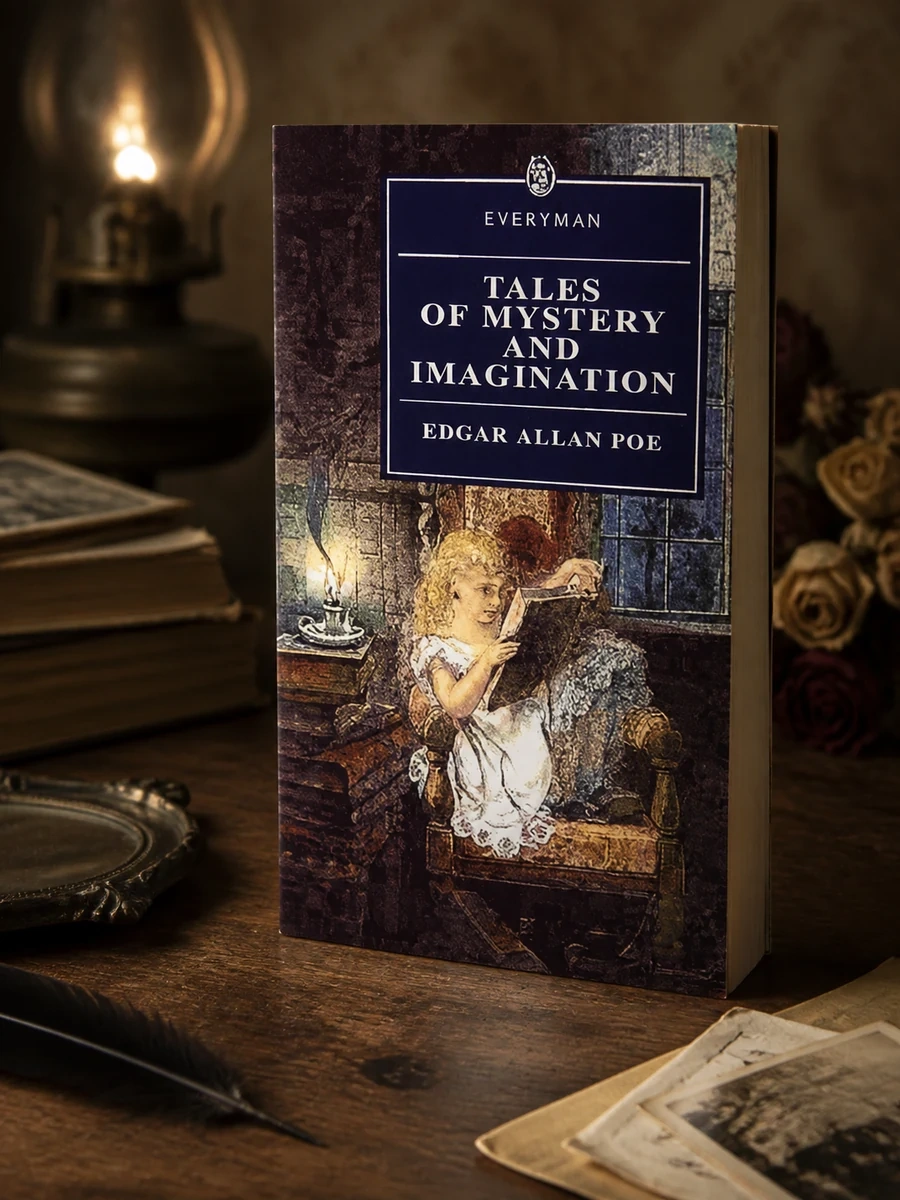
Tales of Mystery & Imagination — Edgar Allan Poe
After reading about Poe's compositional philosophy, return to his actual stories with fresh eyes. Knowing his methods makes the reading experience richer and more appreciative of his technical skill.
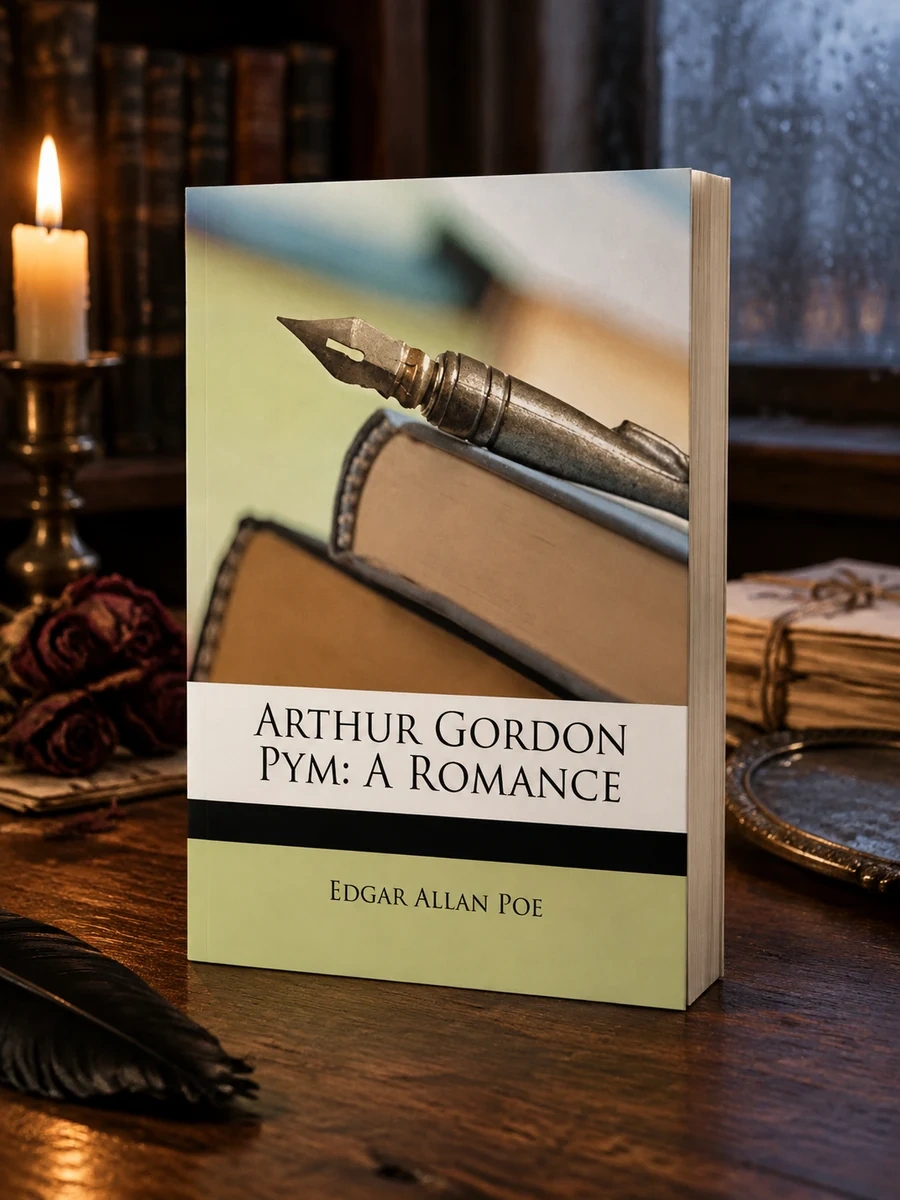
Arthur Gordon Pym: A Romance — Edgar Allan Poe
This early prose work demonstrates many of the structural principles Poe discusses in his essays. Reading it alongside How to Write... allows you to see theory and practice in conversation.
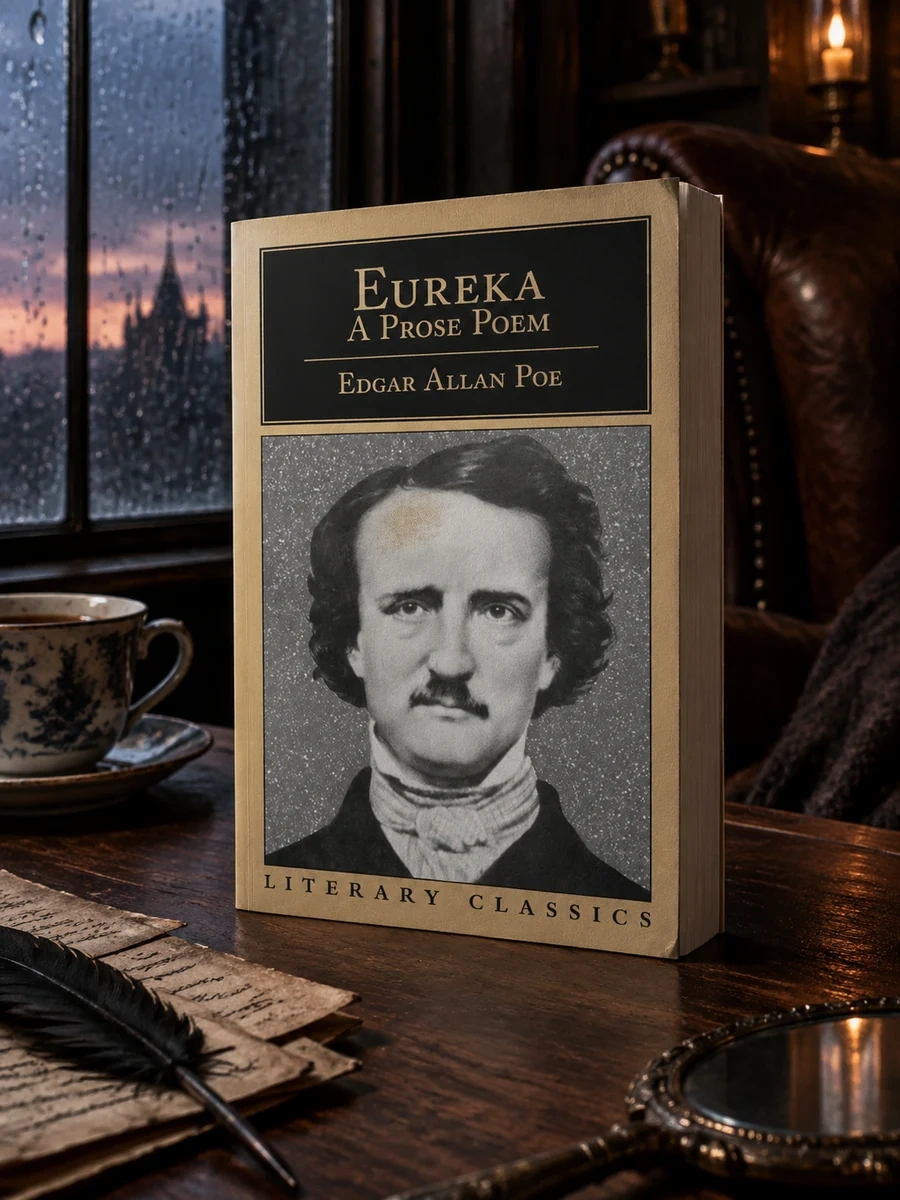
Eureka — Edgar Allan Poe
For readers who want to explore Poe's philosophical and theoretical thinking beyond craft, this cosmological argument showcases his broader intellectual ambitions and analytical mind.
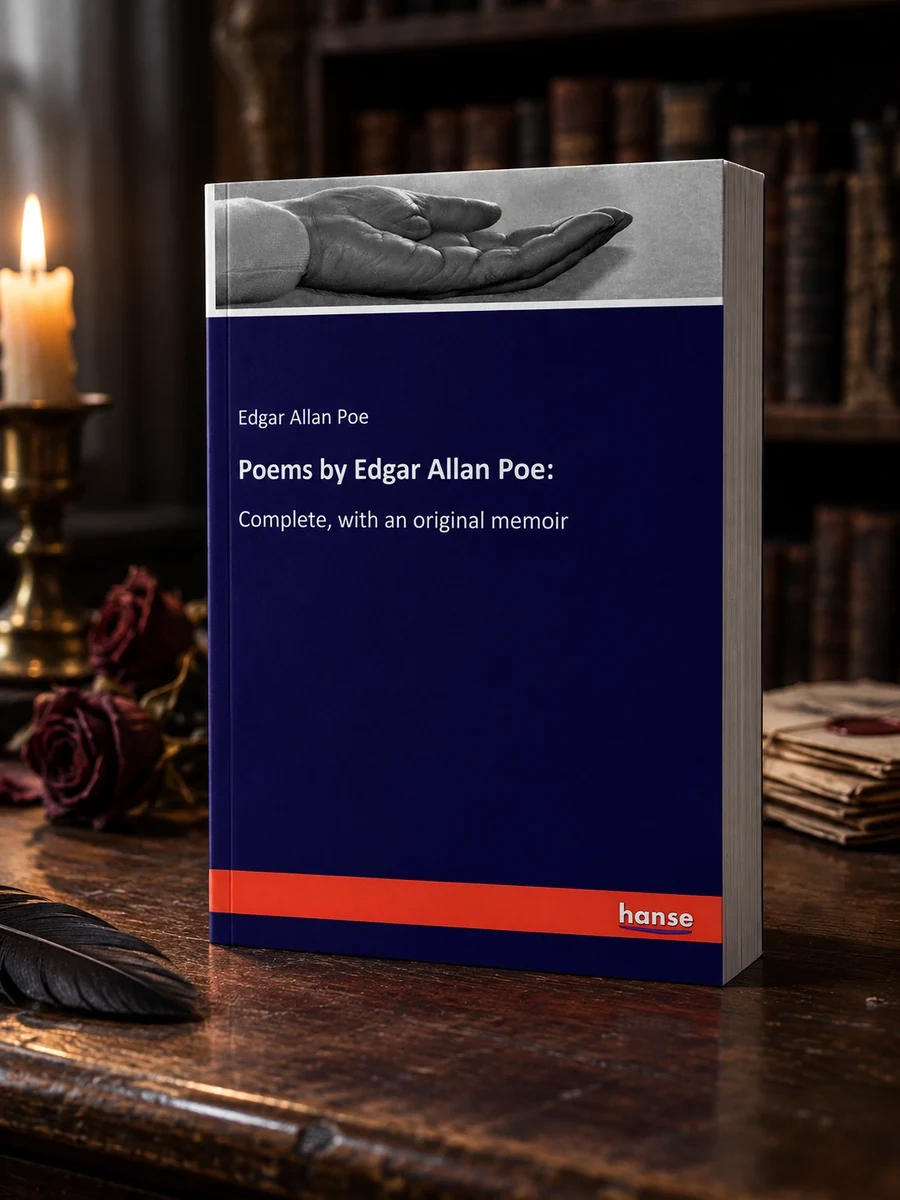
Poems by Edgar Allan Poe: Complete, with an original memoir — Edgar Allan Poe
A comprehensive collection that lets you see the full range of Poe's poetic work while understanding, through How to Write..., some of the deliberate choices behind individual pieces.