🩸Horror Tradition
Rakshasa
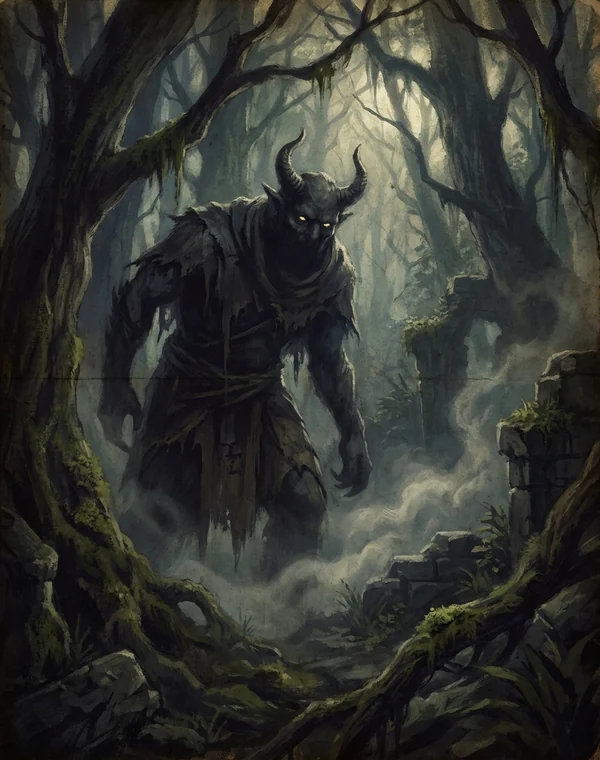
The rakshasa is a powerful, shape-shifting malevolent spirit or demon rooted in ancient Hindu and Buddhist mythology, traditionally known for terrorizing sages, defiling sacred rituals, and consuming human flesh.
Etymology & Origin
Where the word comes from
Derived from Sanskrit, the name rakshasa stems from a root meaning to protect or guard, ironically morphing to signify beings that must be guarded against or destroyers.
Full Definition
In depth
Origins The figure of the rakshasa traces its origins deep into the ancient Vedic texts and classical folklore of South Asia, dating back over three millennia. In Hindu and Buddhist traditions, these beings arose from the creator god Brahma or from the foot of Brahma, positioned as adversaries to gods, sages, and righteous mortals. Over centuries, the legend evolved from early Vedic descriptions of obscure, shadowy specters into richly fleshed-out mythical antagonists populating epic literature such as the Ramayana and the Mahabharata, where they established a template for chaotic, predatory supernatural power.
What It Is Said to Do According to traditional lore, rakshasas possess formidable magical powers, chief among them the ability to alter their shape at will, often assuming the guise of animals, beautiful humans, or terrifying multi-headed monsters. They are nocturnal hunters associated with graveyards, cremation grounds, and dense forests, wielding illusion and dark sorcery to deceive their prey. In folklore, they are said to possess immense physical strength, poisonous claws, and an insatiable appetite for raw flesh, blood, and corpses. Traditional protective measures against them involve sacred fire, Vedic mantras, and weapons blessed by deities, as ordinary mortal arms often fail against their illusionary defenses.
In Horror Fiction In horror fiction, the rakshasa provides a potent template for existential dread because it embodies the ultimate corruption of human trust and physical reality. Writers use the creature's shape-shifting nature to cultivate paranoia, where a monster can wear the face of a trusted friend or family member while plotting destruction. Because they can mimic civilization while maintaining a ravenous, alien hunger, they evoke a fear of hidden invasion and domestic betrayal. While many modern depictions lean into high fantasy, dark fantasy and horror literature adapt the rakshasa to explore themes of hidden monstrousness and ancient curses breaking into contemporary suburban or mundane settings.
Why It Still Frightens The rakshasa endures as a source of terror because it preys upon our deepest anxieties regarding deception, transformation, and the fragility of safety behind closed doors.
Connected Concepts
Related horror terms
Further Study