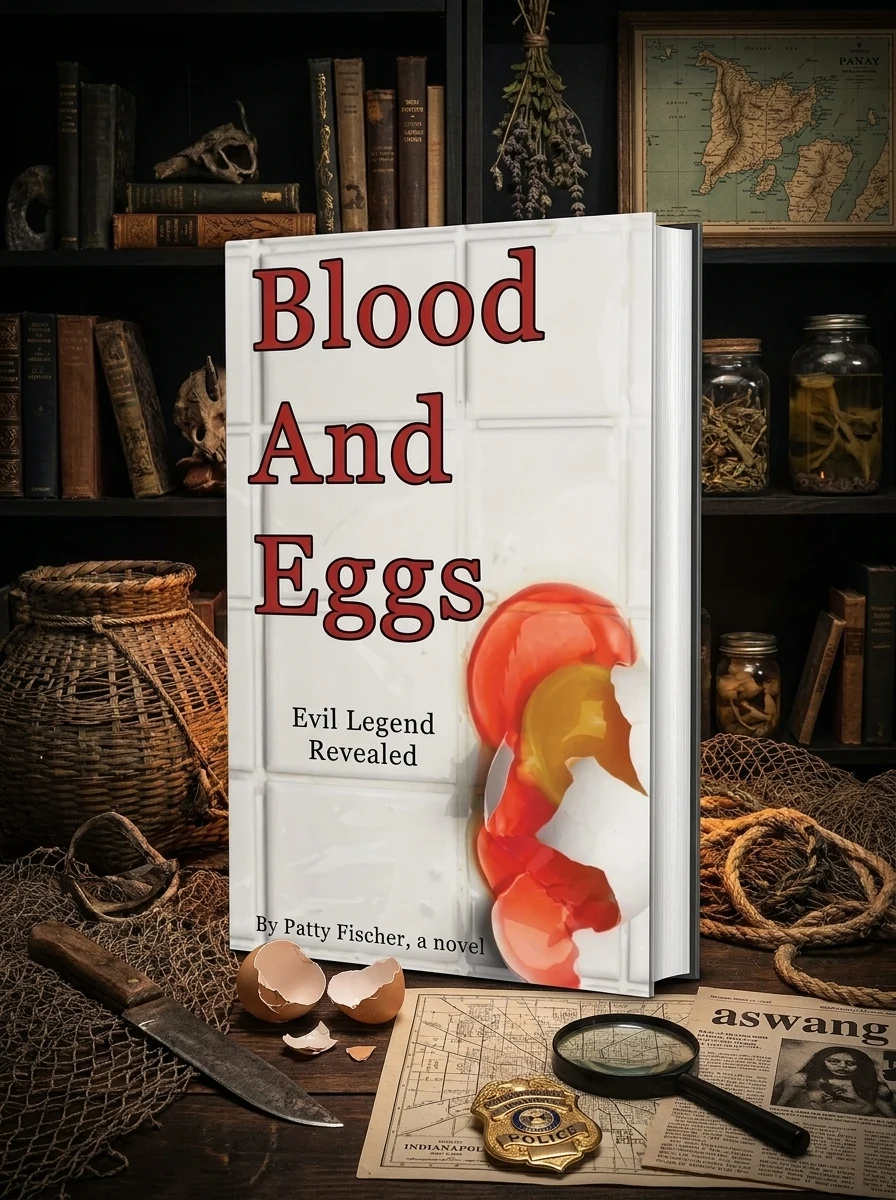
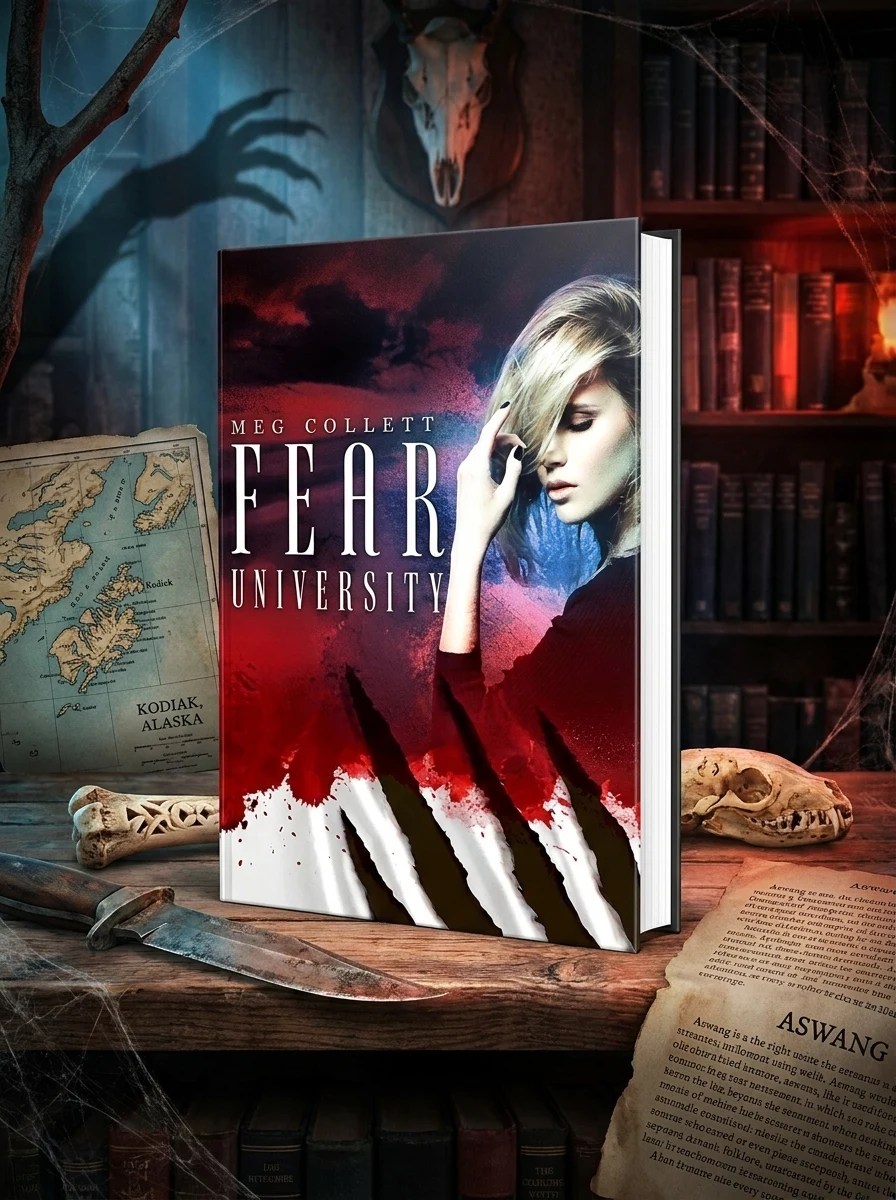
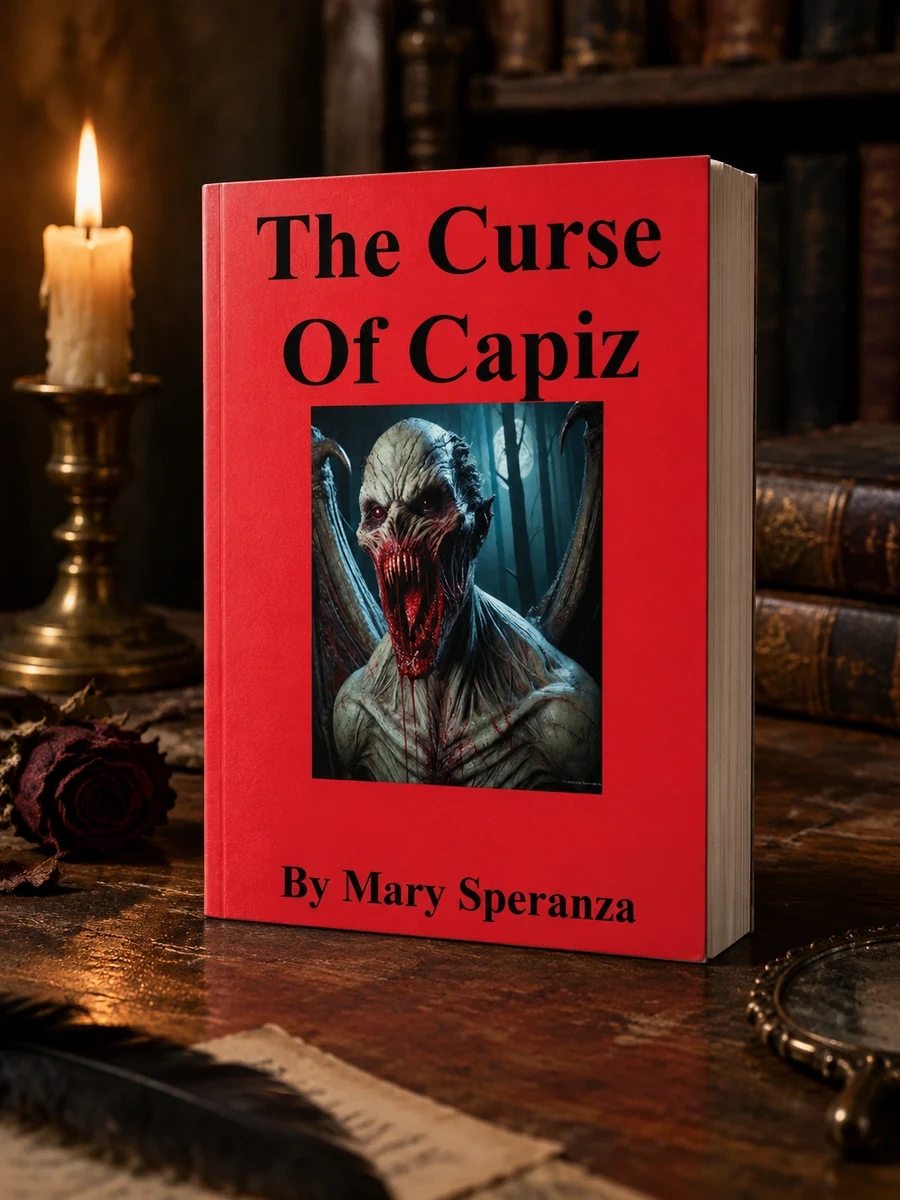
🩸Horror Tradition
Aswang
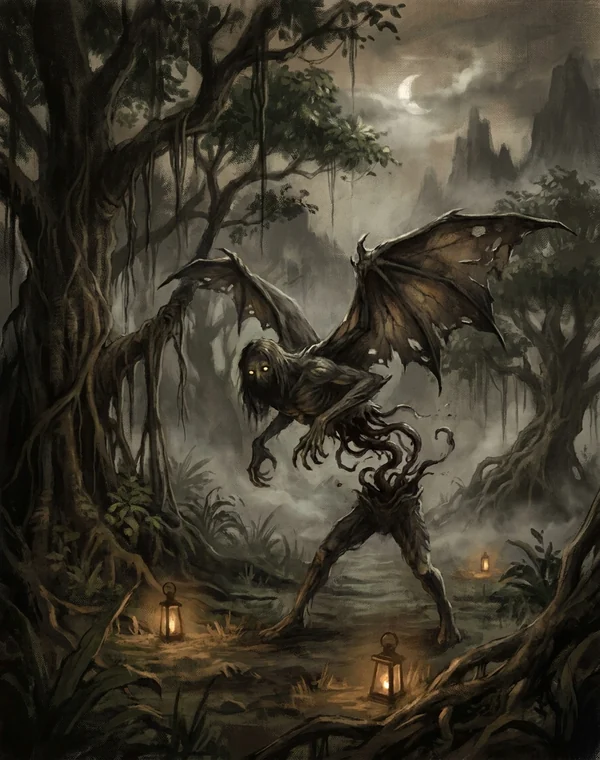
Rooted in traditional Philippine folklore, the aswang is a shape-shifting, monstrous creature of the night that preys on the living, especially pregnant women and children.
Etymology & Origin
Where the word comes from
Derived from ancient Austronesian roots, the term refers to malevolent shapeshifting ghouls or witches in Philippine folklore.
Full Definition
In depth
Origins The legend of the aswang traces back centuries to pre-colonial Philippine folklore and mythology, deeply embedded in the indigenous animist beliefs of various ethnolinguistic groups across the archipelago, such as the Tagalog, Visayan, and Bicolano peoples. Spanish chroniclers documented these beliefs as early as the sixteenth century, noting that local communities held a pervasive fear of malicious shape-shifters and nocturnal spirits. Over generations, these oral traditions absorbed various regional influences, evolving into a complex tapestry of supernatural entities that embody ancient anxieties about darkness, disease, and the vulnerability of isolated communities.
What It Is Said to Do In traditional folklore, the aswang is not a single type of monster but rather a collective term for a variety of malevolent beings, including vampires, witches, ghouls, and flesh-eating humanoids. By day, an aswang often appears as an ordinary, sometimes reclusive neighbor living quietly within a village, but by night, it sheds its human guise to hunt. Some variants are said to detach their upper torsos to fly through the night in search of prey, while others transform into giant black dogs, pigs, or birds. They are notoriously drawn to the scent of the dying, newborns, and pregnant women, using long, hollow tongues to extract fetuses or blood. To protect themselves, villagers traditionally used garlic, salt, blessed objects, and weapons forged from stingray tails or wood, alongside keeping watch with heavy iron implements and lighting bright fires beneath their homes.
In Horror Fiction In modern horror fiction, the aswang serves as a powerful metaphor for hidden dangers lurking within seemingly placid communities, blurring the line between neighbor and monster. Writers utilize the creature to explore themes of paranoia, cultural displacement, and the clash between modern skepticism and ancient superstition. While numerous contemporary anthologies and short stories feature the creature, authors frequently weave its lore into psychological thrillers and supernatural horror to evoke a profound sense of claustrophobia and inescapable dread, emphasizing that the greatest threat often wears a familiar human face.
Why It Still Frightens The aswang endures as a terrifying icon because it weaponizes community trust, suggesting that the monster living next door might look just like you.
Connected Concepts
Related horror terms
Further Study