🩸Horror Tradition
Upir
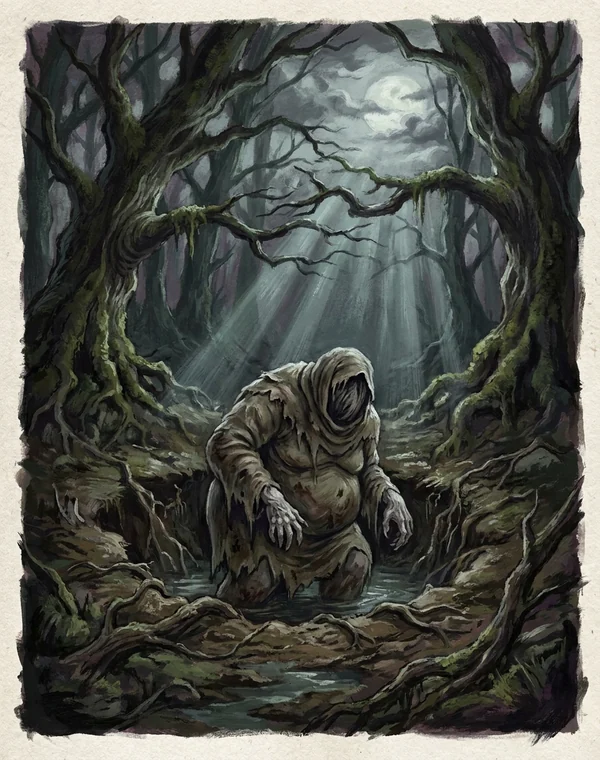
The upir is a malevolent undead creature originating in Slavic folklore, traditionally believed to rise from the grave to plague the living and drain their life force.
Etymology & Origin
Where the word comes from
Derived from Old Church Slavonic and early Slavic root terms denoting a restless, blood-drinking undead entity.
Full Definition
In depth
Origins The upir traces its roots deep into the rich soil of Slavic folklore, originating primarily within Eastern and Southern European oral traditions. Long before the popularization of the modern cinematic vampire, Slavic peoples shared whispered accounts of restless corpses that refused to remain buried. These beliefs date back centuries, predating written records, and reflect ancient anxieties regarding death, disease, and improper burial rites. The figure emerged from a worldview where the boundary between the living and the dead was permeable, particularly for those who died unnatural deaths, committed sins during life, or suffered untimely demises.
What It Is Said to Do According to traditional folklore, the upir typically appears as a bloated, corpse-like entity with a ruddy complexion or stained lips from consuming blood. It is said to rise from its grave under the cover of night to torment livestock and terrorize the living, draining the life force or blood of unsuspecting victims. People in traditional communities protected themselves using various apotropaic measures, such as driving hawthorn stakes through the heart of suspected corpses, decapitating them, or scattering poppy seeds around graves to distract the creature until dawn.
In Horror Fiction Horror writers utilize the upir to evoke a primal, earthy dread that feels much closer to ancient decay than romanticized gothic elegance. Unlike the refined aristocrats of later vampire fiction, literary depictions of the upir emphasize its grotesque nature, rotting grave clothes, and relentless hunger. Authors employ the creature to explore themes of inherited guilt, rural isolation, and the inescapable weight of history. Writers tap into the raw, unvarnished fear of a physical body refusing to decay, transforming folklore into modern psychological and visceral terror.
Why It Still Frightens This figure still frightens modern readers because it confronts us with the ultimate taboo of a body that will not rest and the terrifying prospect of contamination rising straight from the soil.
Connected Concepts
Related horror terms
Further Study