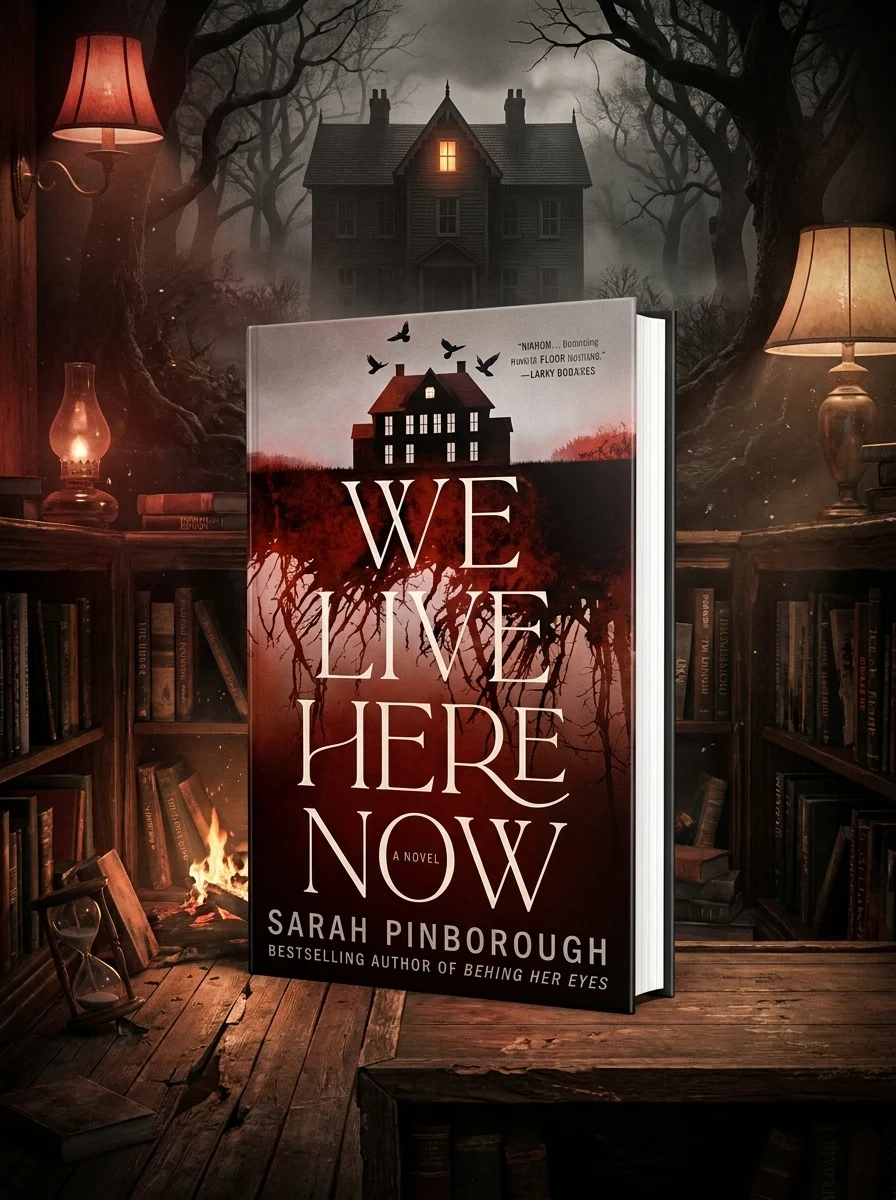
We Live Here Now: A Novel [Limited Stenciled Edge Edition]
A psychological horror about a woman questioning her sanity in a haunted Dartmoor house.
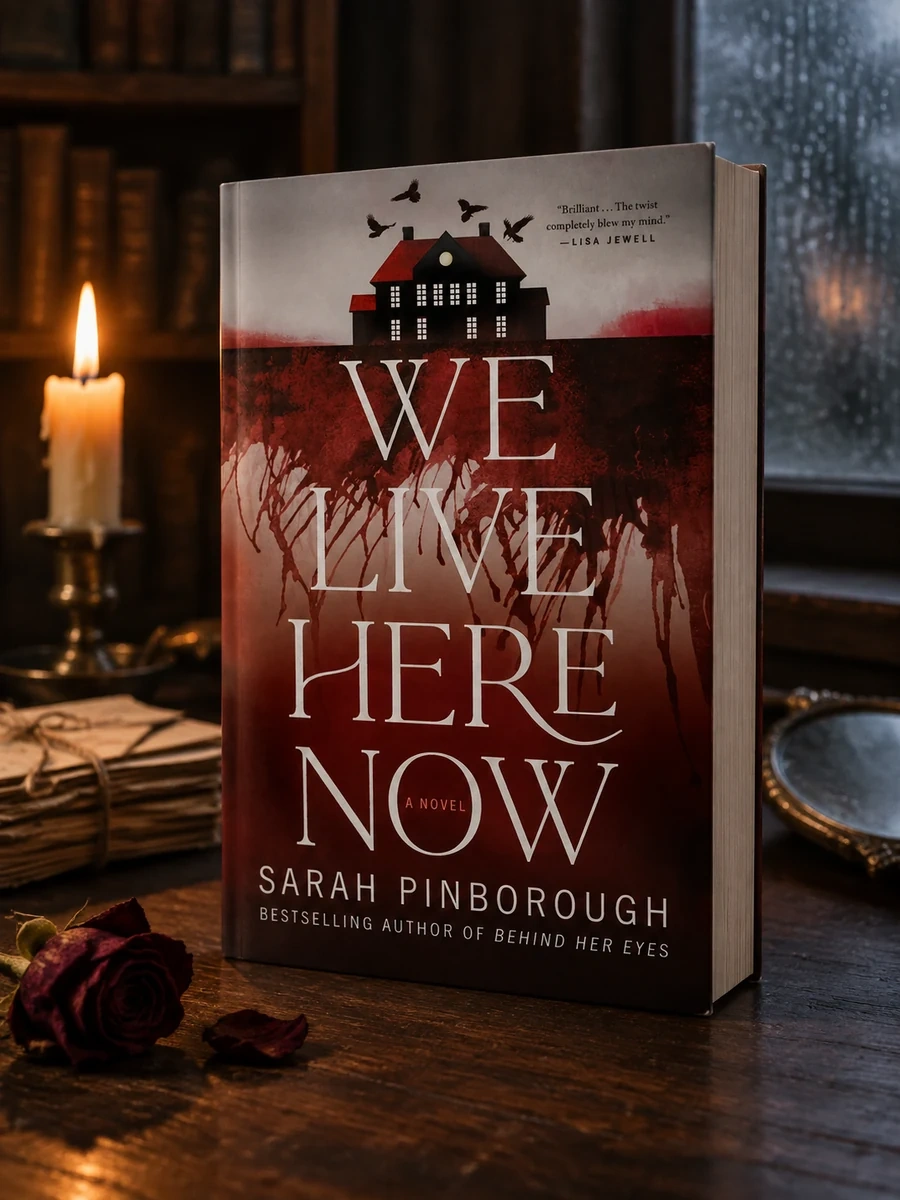
Pinborough examines the intersection of medical trauma and supernatural fear through Emily’s perspective at Larkin Lodge. The plot hinges on whether the disturbances are real or hallucinatory side effects of sepsis recovery. Freddie’s lack of awareness contrasts sharply with Emily’s growing paranoia about a murdered presence in the third-floor room. The story avoids confirming the ghost’s existence, leaving the reader to weigh medical evidence against atmospheric dread. This approach challenges readers to decide if the house is haunted or if Emily’s mind has broken under stress.
This novel sits within the contemporary gothic tradition, updating classic haunted house tropes with modern medical understanding. Set in Dartmoor, it reflects current interests in psychological realism and trauma recovery. The limited stenciled edge edition appeals to collectors of physical horror literature who value tangible artifacts alongside narrative content.


📝 Description: We Live Here Now: A Novel [Limited Stenciled Edge Edition]
💎 Our verdict on We Live Here Now: A Novel [Limited Stenciled Edge Edition]
📖 Why choose it
Why this book is worth reading
Readers who appreciate slow-burn psychological horror and the ambiguity of the supernatural will find this book rewarding. It is ideal for those interested in how grief, illness, and isolation distort reality, offering a tense exploration of sanity versus madness. Fans of gothic fiction who enjoy questioning the reliability of the narrator will gain from its atmospheric dread. However, those seeking clear answers or fast-paced action may find the uncertainty frustrating. The novel succeeds by making the reader weigh medical evidence against supernatural fear, creating a unique tension that lingers long after reading.
⭐ Reader reviews
Reader rating
Pinborough crafts a compelling study of mental fragility and atmospheric dread. By grounding the haunted house narrative in postsepsis recovery, she creates a tense ambiguity between physiological reality and supernatural presence. The isolation of Dartmoor amplifies Emily’s paranoia, making the threat feel intimate and inescapable. This approach suits readers who enjoy psychological thrillers where the horror is internal rather than external. The lack of confirmation regarding the ghost’s existence challenges the reader to decide if the house is haunted or if Emily’s mind has broken. It is a sophisticated entry for fans of ambiguous gothic fiction.
📖 Read on the blog
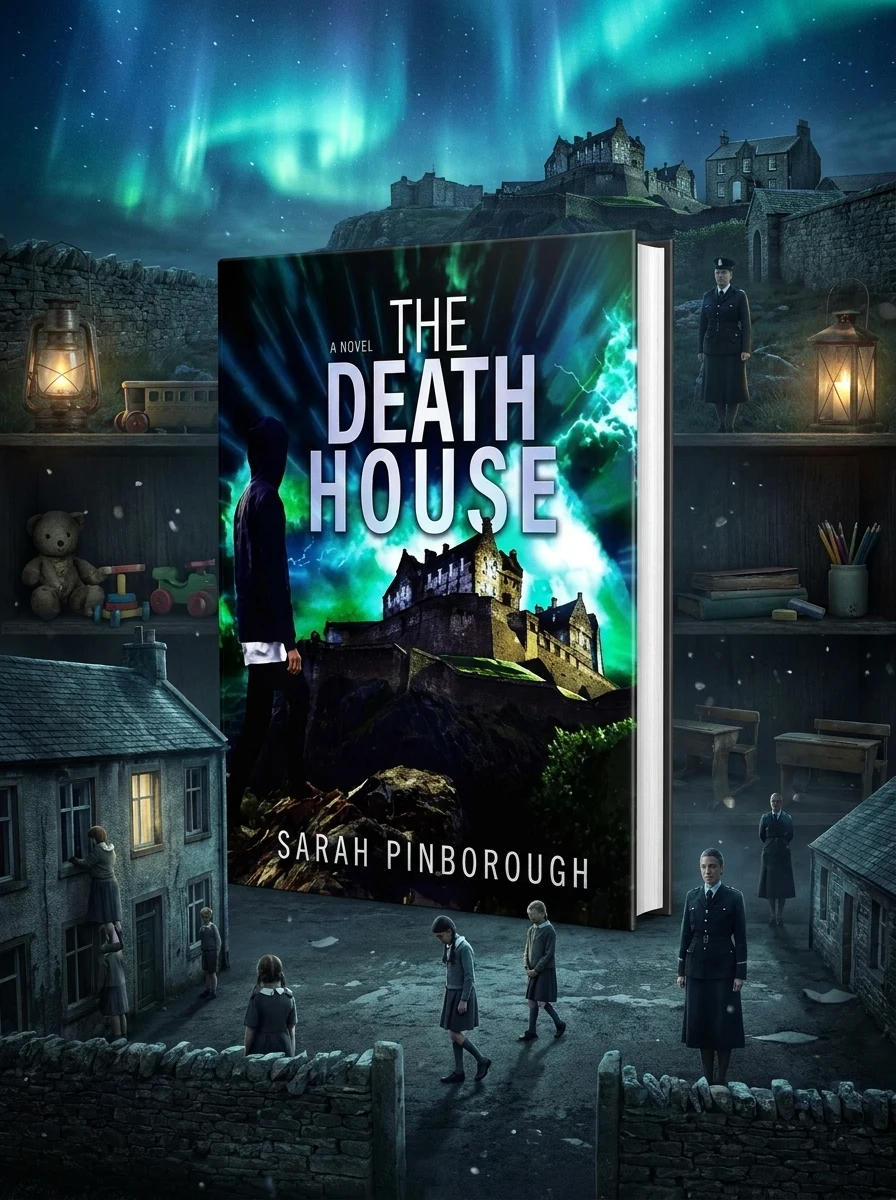
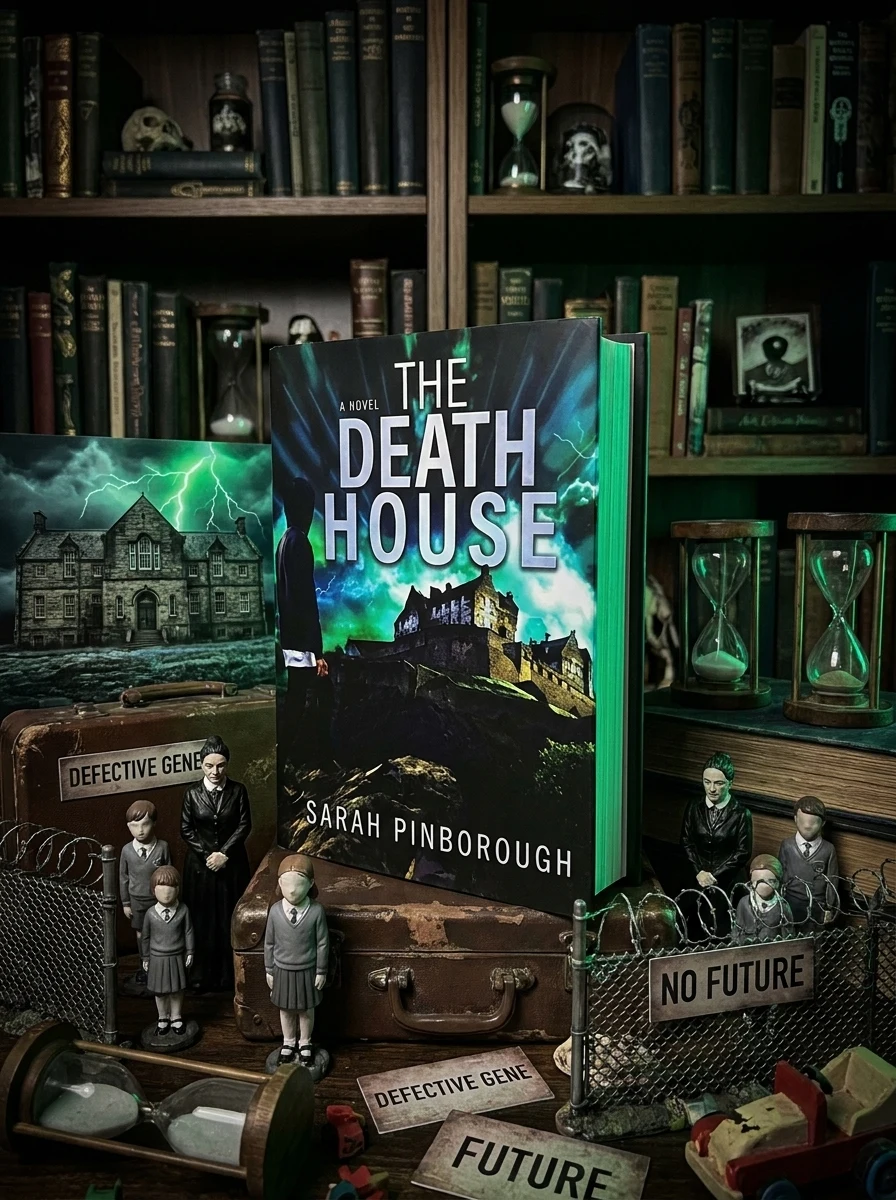
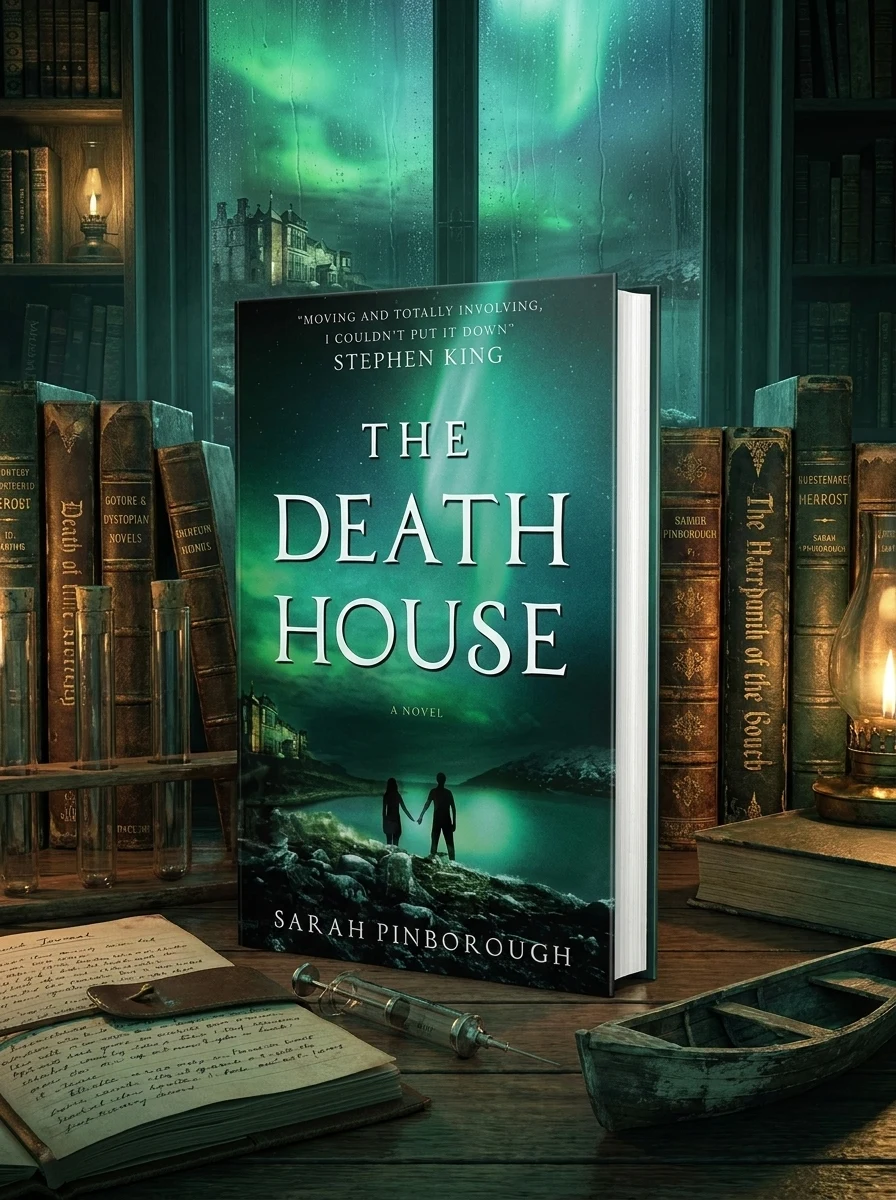
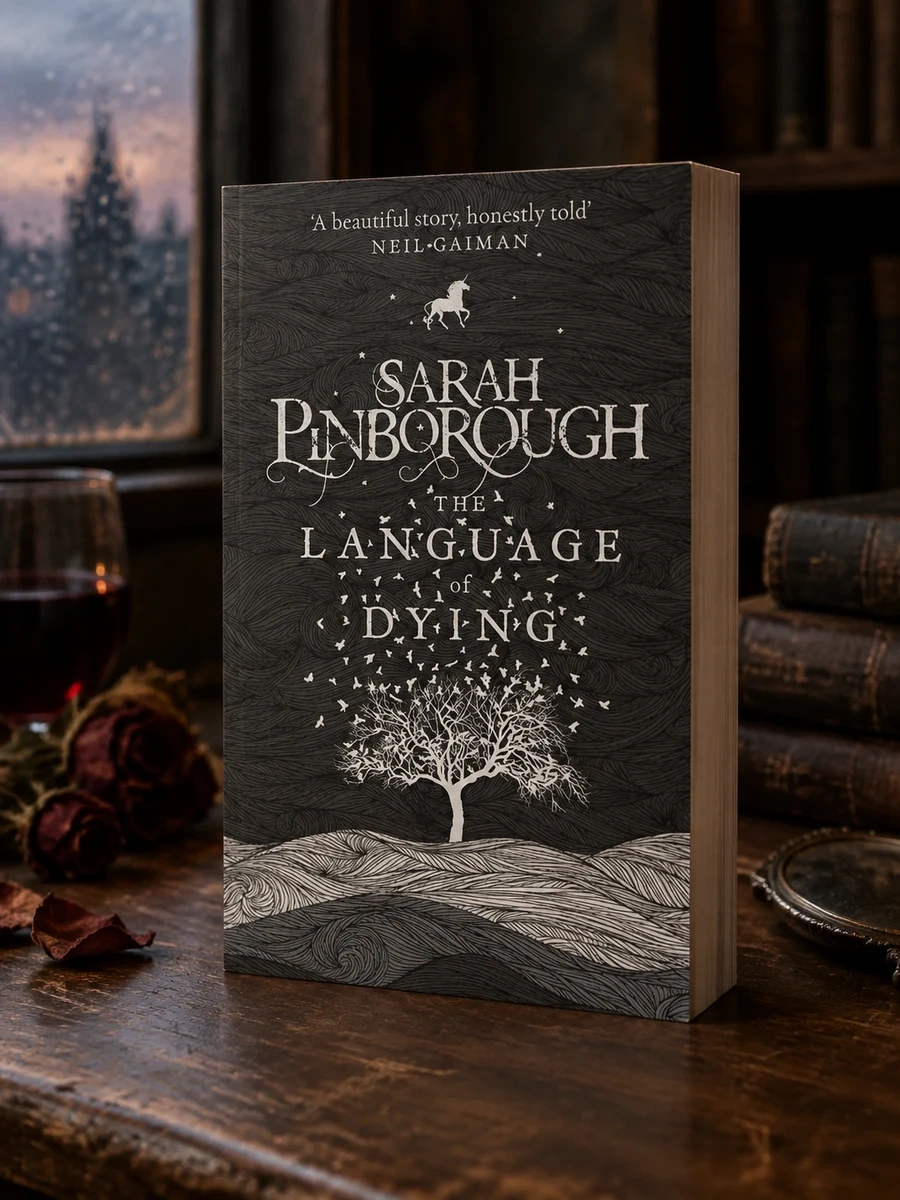
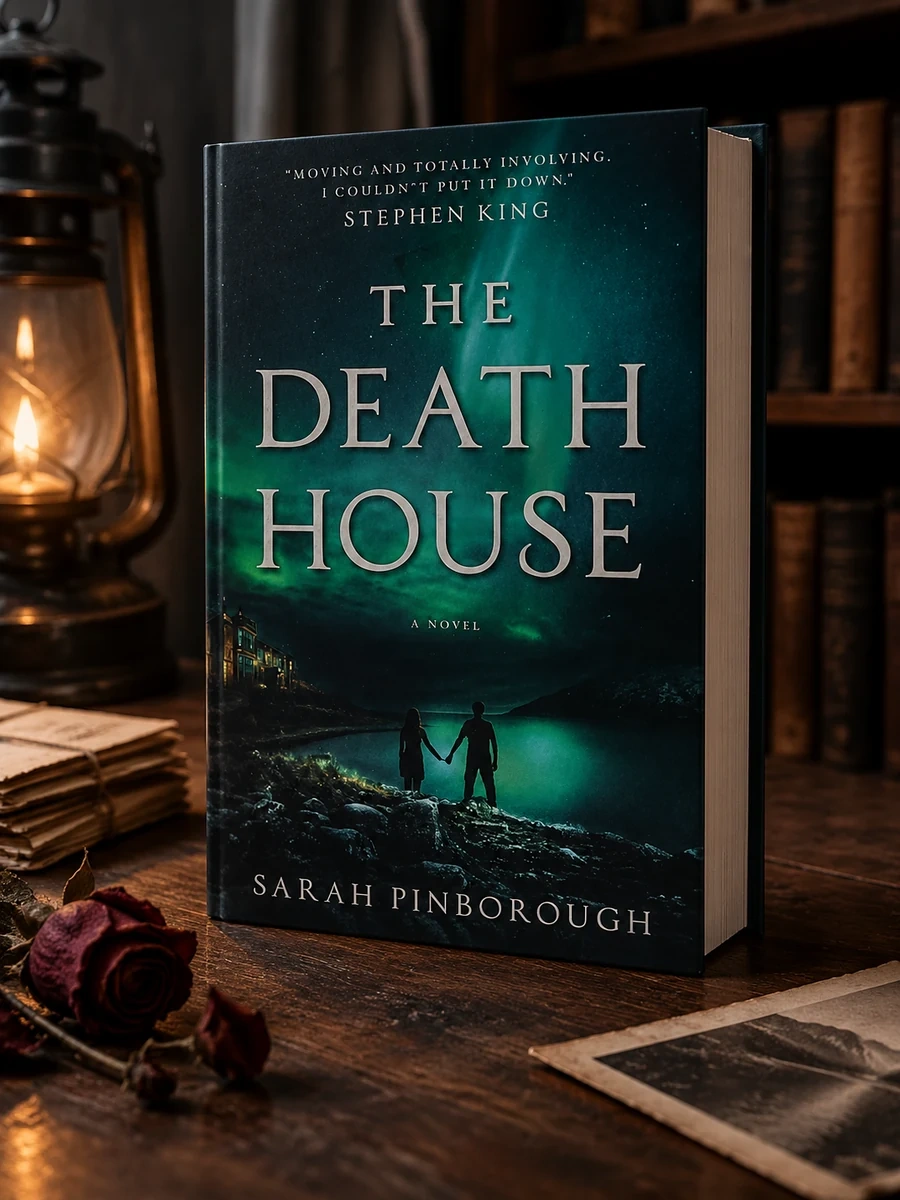
✍️ More books by this author Sarah Pinborough


🏛 Books from this publisher Flatiron Books: Pine & Cedar
You might also like
See more →
Have a question about this item?
Ask about the edition, condition, delivery or anything else — we reply by email or phone, usually within a day.
