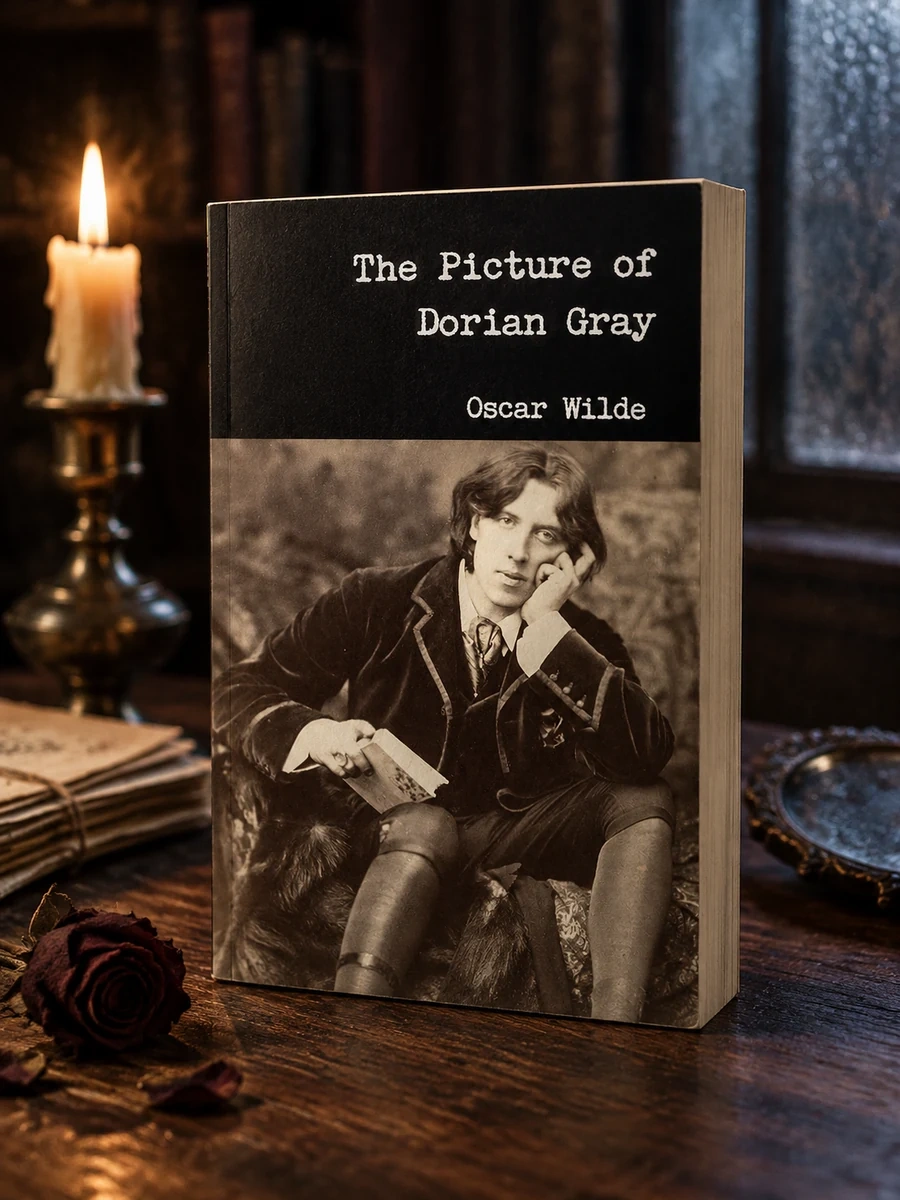
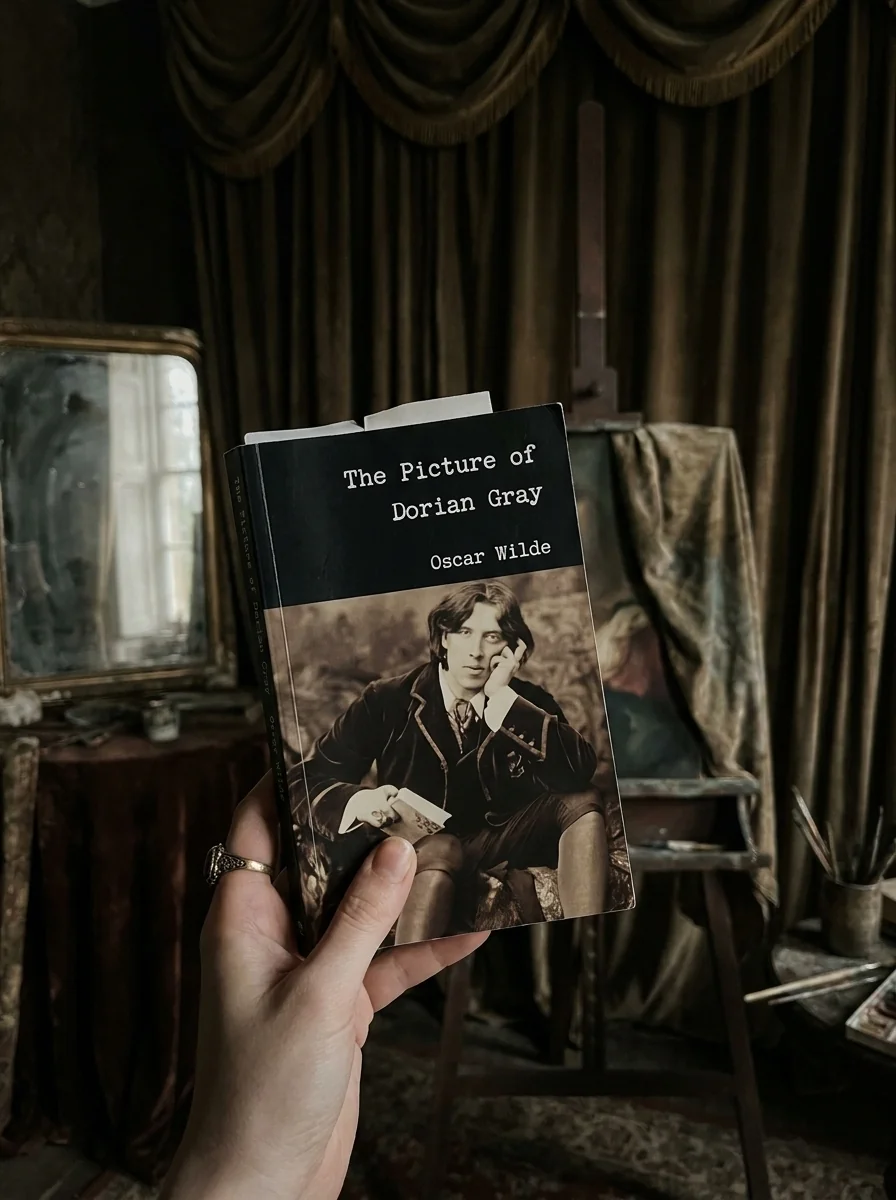
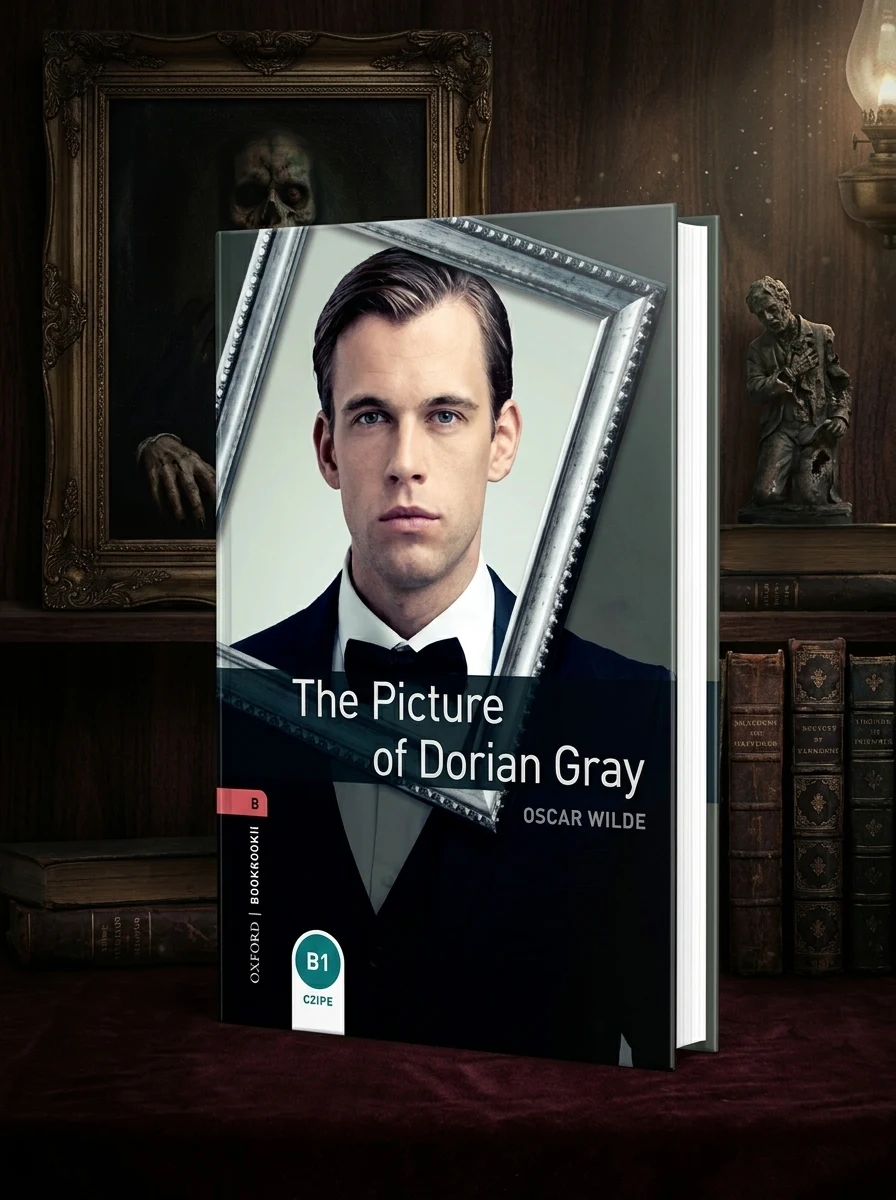
The Picture of Dorian Gray
A novel about a man whose portrait ages while he stays young.
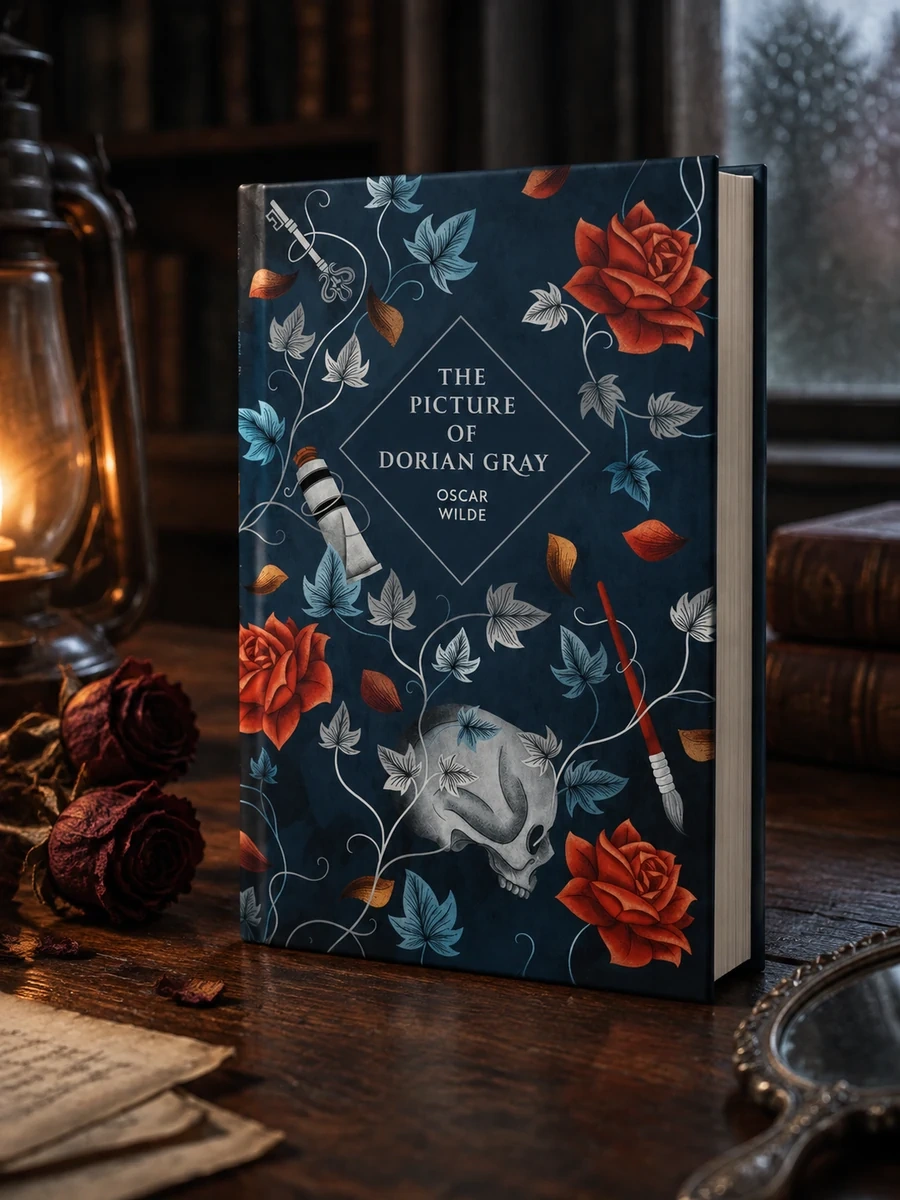
Wilde’s work examines the cost of eternal youth through the lens of a Londoner who trades his soul for beauty. The narrative follows Dorian Gray as he indulges in various pleasures, leaving his portrait to record every sin and moral failing. This edition includes the version published in April 1891, offering a complete view of the author’s critique of aestheticism. The story relies on the supernatural element of the painting to externalize internal corruption, creating a chilling dynamic between appearance and reality.
Oscar Wilde was an Irish writer who published this philosophical novel in the late nineteenth century. The story first appeared in Lippincott’s Monthly Magazine in July 1890, followed by a longer version in April 1891, reflecting the literary trends of that specific period.


📝 Description: The Picture of Dorian Gray
💎 Our verdict on The Picture of Dorian Gray
📖 Why choose it
Why this book is worth reading
Readers interested in gothic fiction and supernatural themes will find the premise compelling, particularly the mechanism by which the artwork absorbs the corruption that the subject avoids. This volume suits those who appreciate dense philosophical inquiry and character studies rooted in Victorian society. It offers a chilling dynamic between appearance and reality, externalizing internal corruption through the portrait. The narrative prioritizes psychological complexity over plot resolution, making it ideal for those seeking a stark examination of vanity and its costs rather than fast-paced action or straightforward moral lessons.
⭐ Reader reviews
Reader rating
Wilde crafts a philosophical novel where a handsome young man descends into depravity while his physical form remains youthful. The narrative centers on Dorian Gray, whose portrait bears the marks of his crimes and sensuality. This edition presents the story originally released in Lippincott’s Monthly Magazine before appearing as a full novel. The work explores the tension between aesthetic beauty and moral decay through the lens of Wilde’s Irish heritage. Readers who appreciate dense philosophical inquiry and character studies rooted in Victorian society will find the premise compelling, particularly the supernatural element of the painting externalizing internal corruption. It creates a chilling dynamic between appearance and reality.
📖 Read on the blog
✍️ More books by this author Oscar Wilde
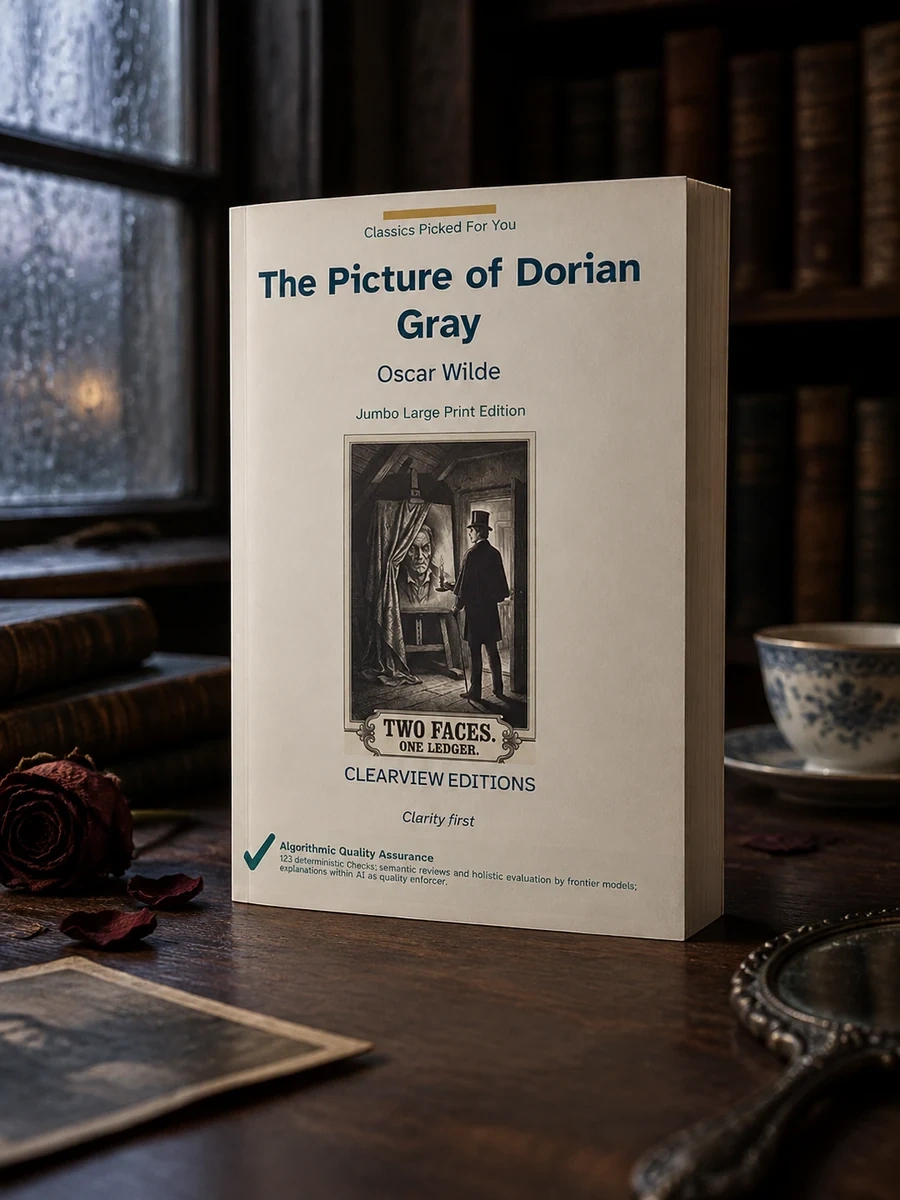


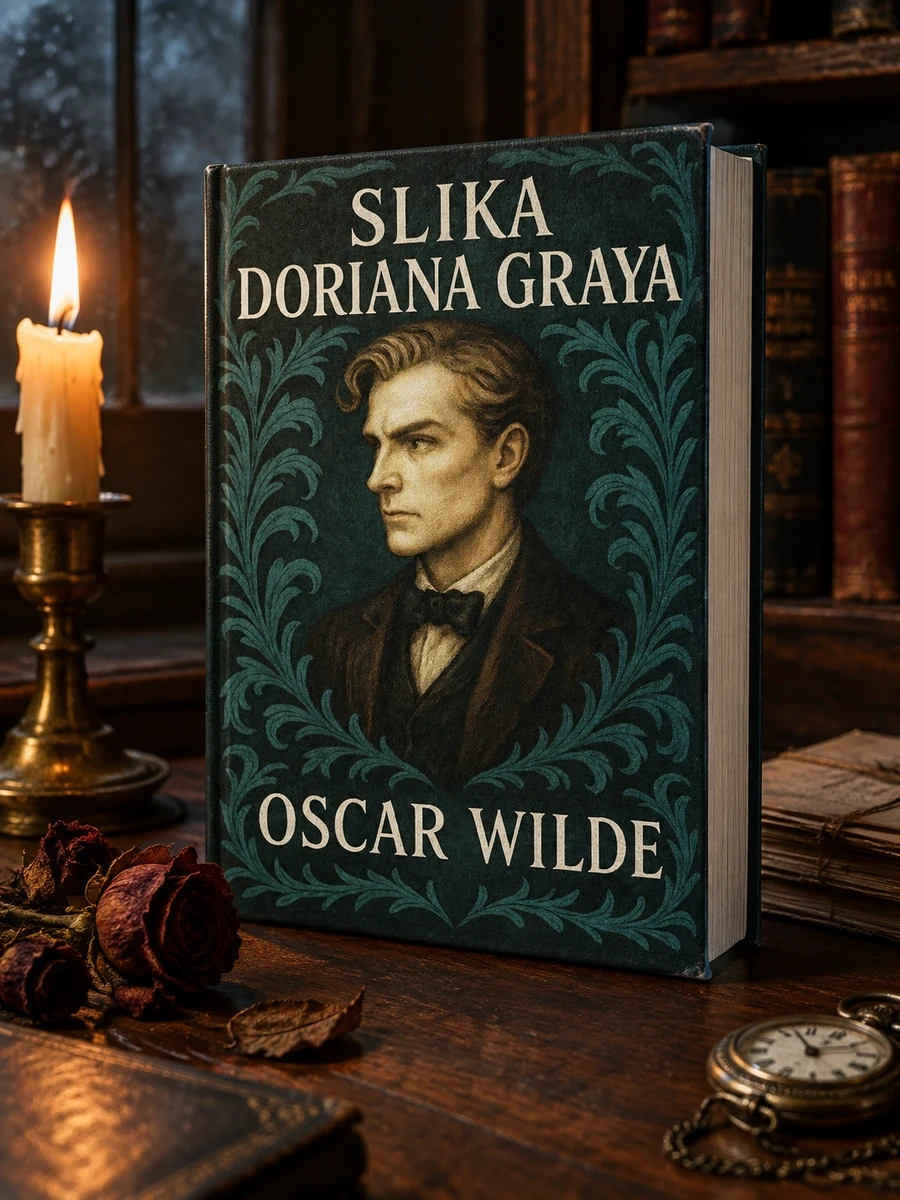
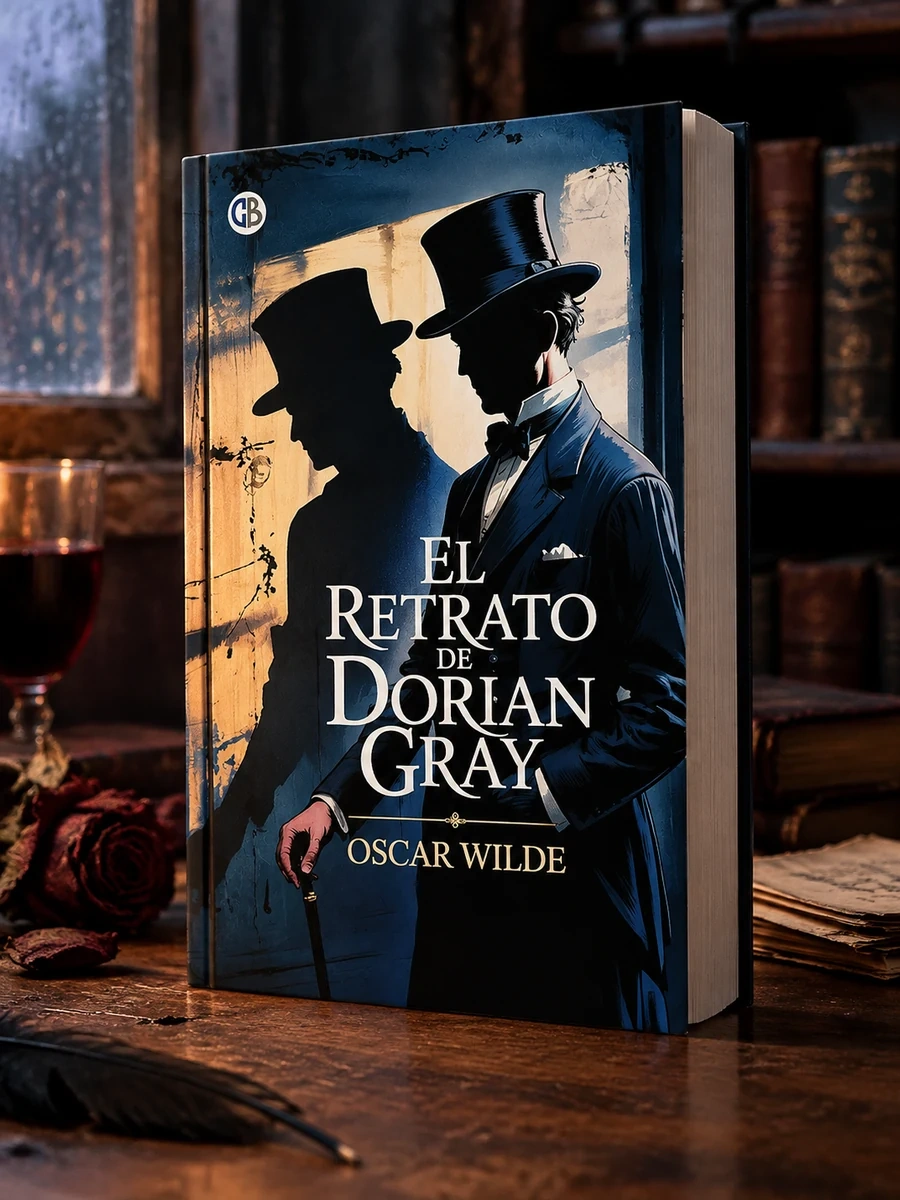
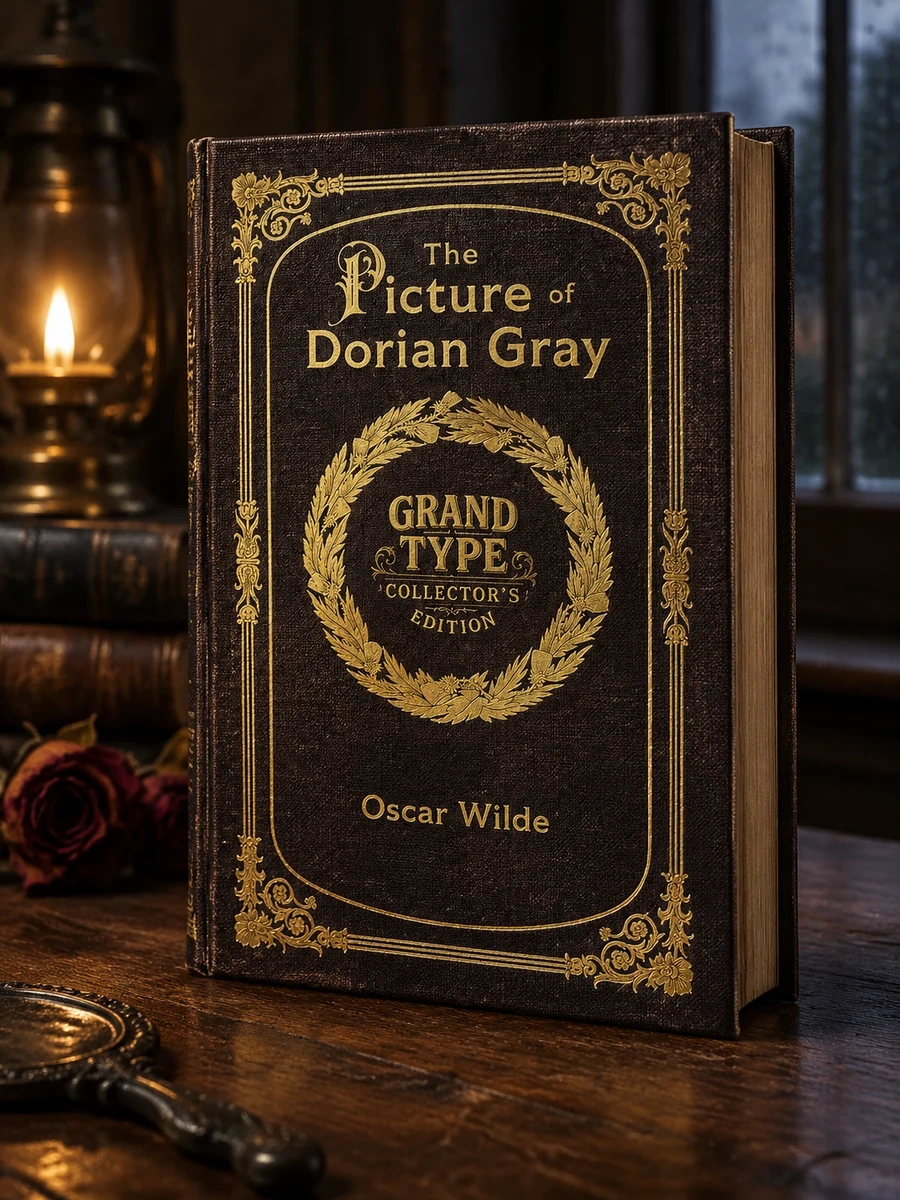
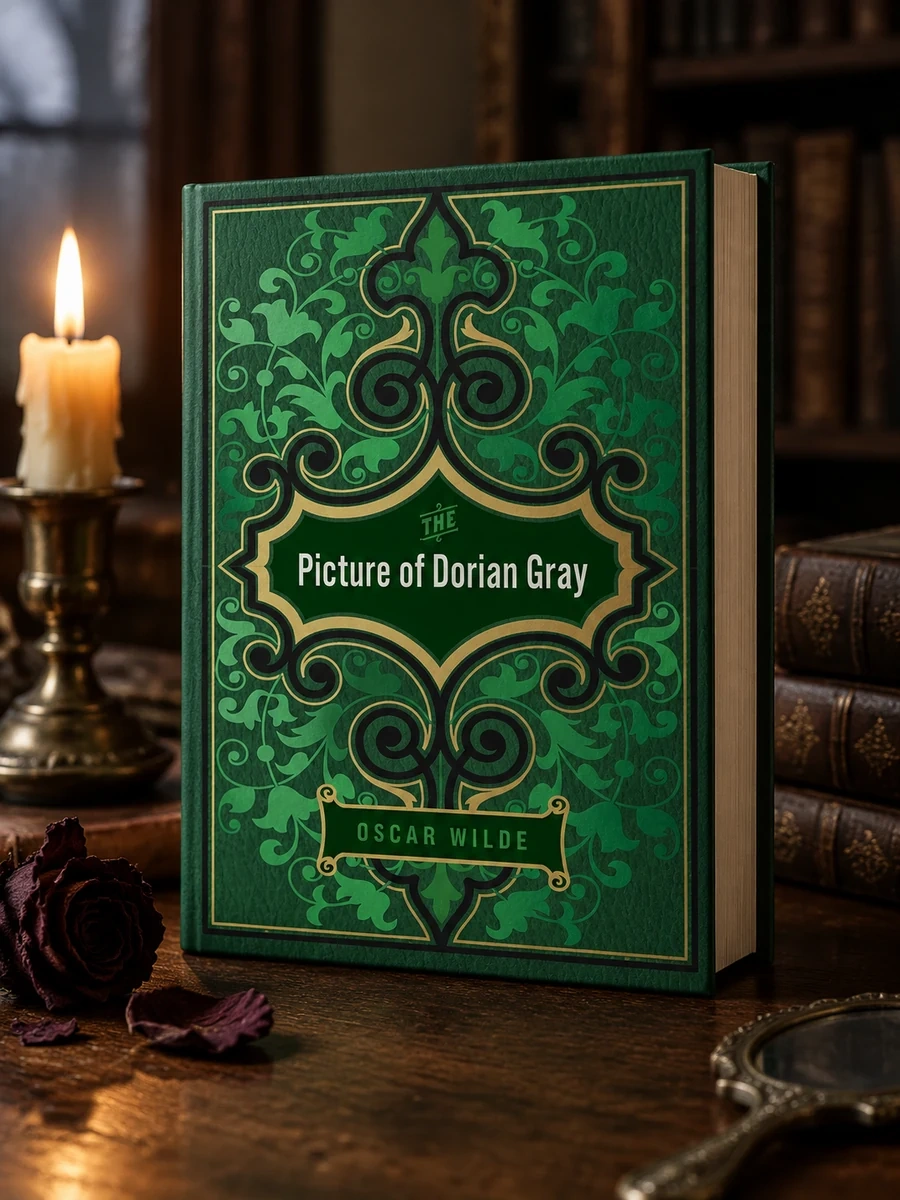
🏛 Books from this publisher Lulu.com

You might also like
See more →



Have a question about this item?
Ask about the edition, condition, delivery or anything else — we reply by email or phone, usually within a day.
