The Well of the Lost Souls
A gothic tale of a woman confronting her family's cursed legacy in Louisiana.
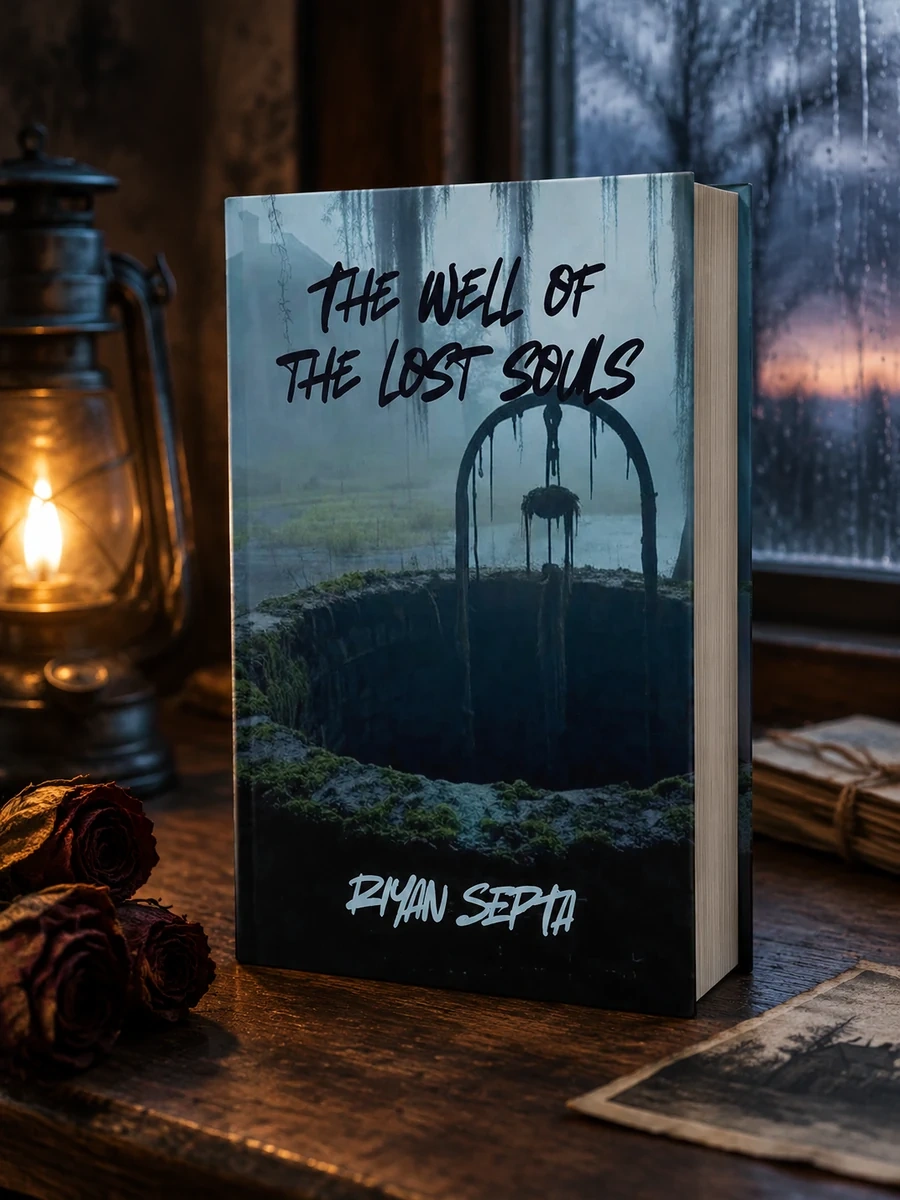
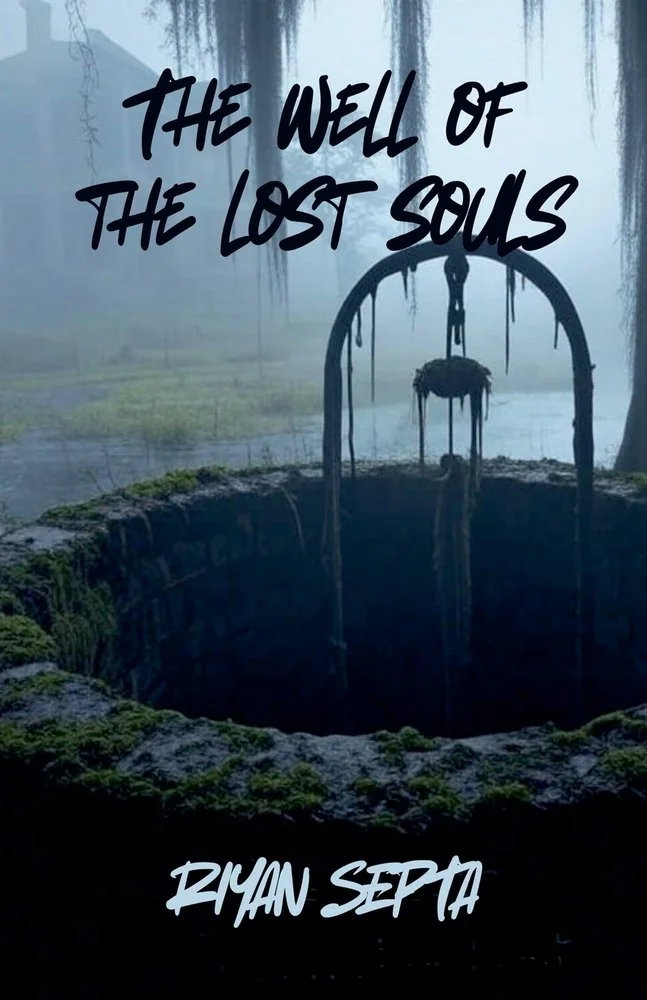
This work focuses on Wanzella Batiste’s struggle against a spectral inheritance. The narrative centers on the well behind her crumbling home as a conduit for ancestral ghosts. Septa uses the Halloween setting to heighten the stakes, forcing Wanzella to address the truth about Marlene’s death. The story explores how secrets buried deep within a family structure can resurface with destructive force. It is a character-driven exploration of guilt and supernatural obligation rather than a simple scare tactic.
The narrative is rooted in Louisiana’s Southern Gothic tradition, utilizing the region’s history of decaying plantations and spiritual beliefs. The setting of a crumbling mansion ties into classic American horror tropes concerning inherited madness and buried family secrets specific to that cultural landscape.


📝 Description: The Well of the Lost Souls
💎 Our verdict on The Well of the Lost Souls
📖 Why choose it
Why this book is worth reading
Readers who appreciate atmospheric horror and family sagas involving cursed bloodlines will find this work engaging. It offers a character-driven exploration of guilt and supernatural obligation, focusing on Wanzella Batiste’s struggle against her spectral inheritance. This book is ideal for those seeking psychological dread rather than simple scare tactics. Fans of traditional ghost stories and the trope of decaying aristocracy will connect with the narrative’s tension between routine and escalating past intrusions. It serves as a compelling study of how secrets buried within family structures resurface with destructive force, appealing to fans of dark fiction that prioritizes mood and legacy over fast-paced action or scientific explanations.
⭐ Reader reviews
Reader rating
Septa constructs a tale where personal history merges with spectral intrusion, relying on the tension between Wanzella’s routine and the escalating presence of the past. The narrative excels in examining inherited trauma within a Southern Gothic framework, using the Halloween setting to heighten stakes without resorting to cheap thrills. This approach suits readers who enjoy slow-burn psychological dread and traditional ghost stories. However, those seeking fast-paced action or contemporary settings may find the pacing less appealing. The text remains grounded in character development, making it a strong choice for enthusiasts of decaying aristocracy tropes and cursed bloodlines who value atmospheric depth over plot-driven momentum.