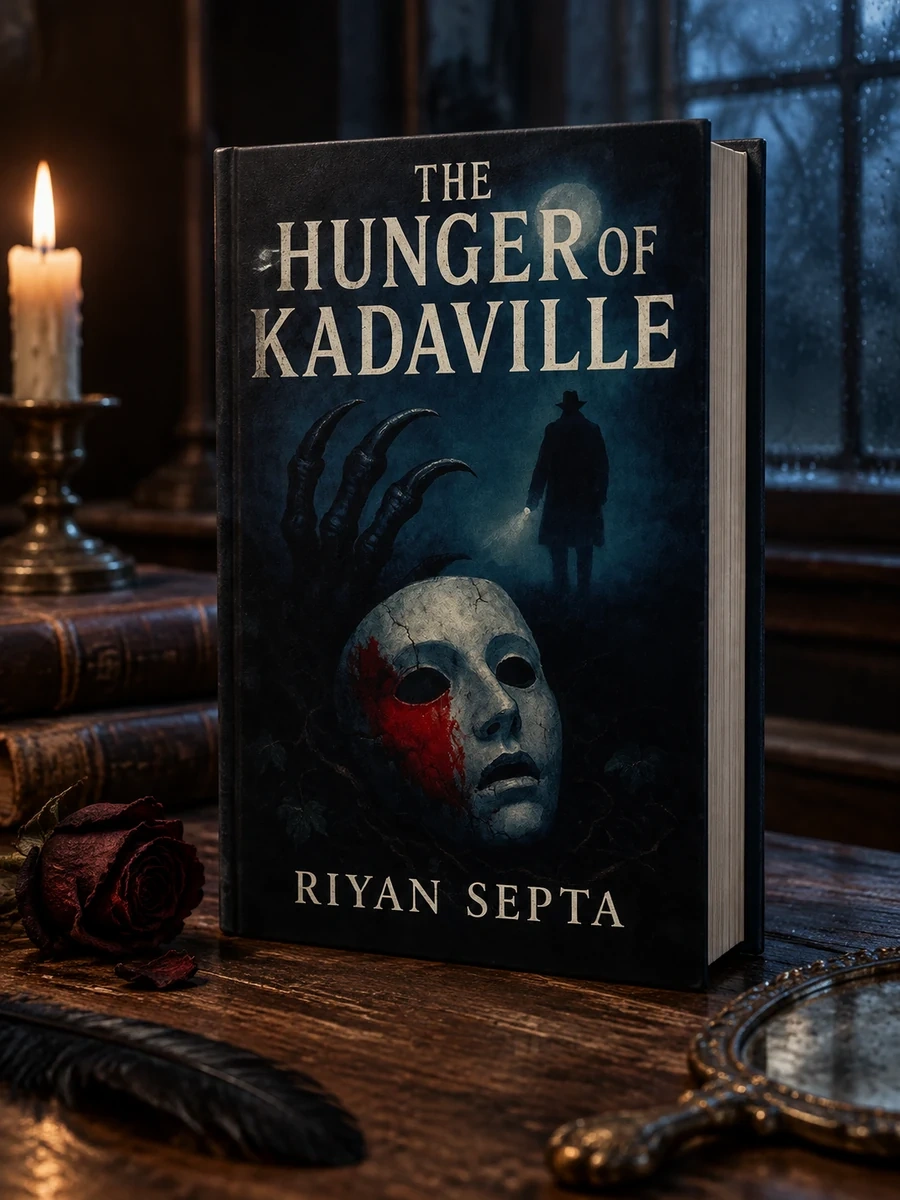
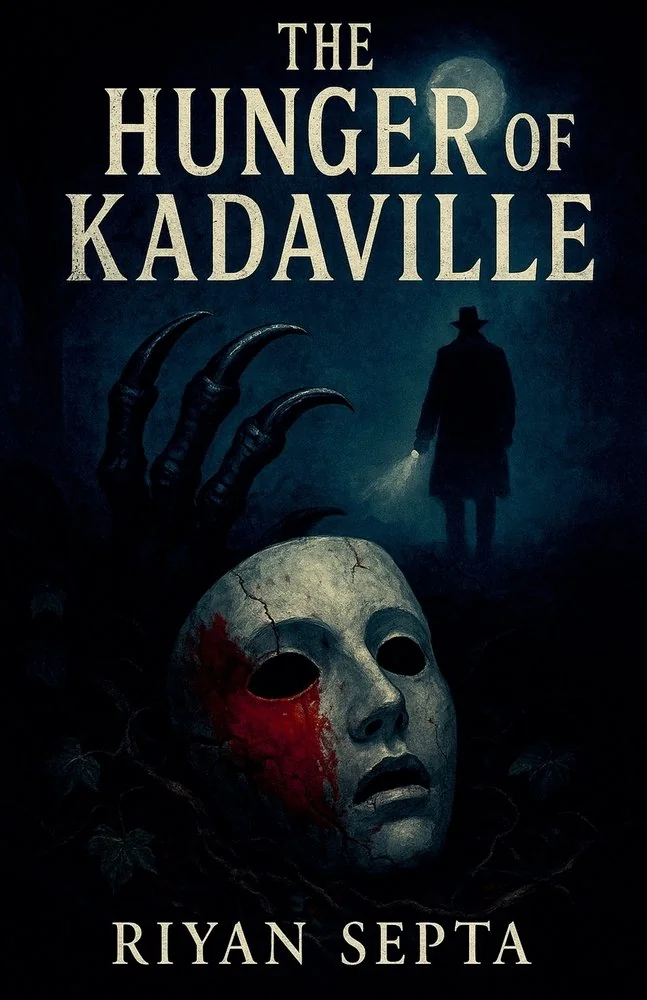
The Hunger of Kadaville
A pact for love unleashes ancient hunger in Kadaville.
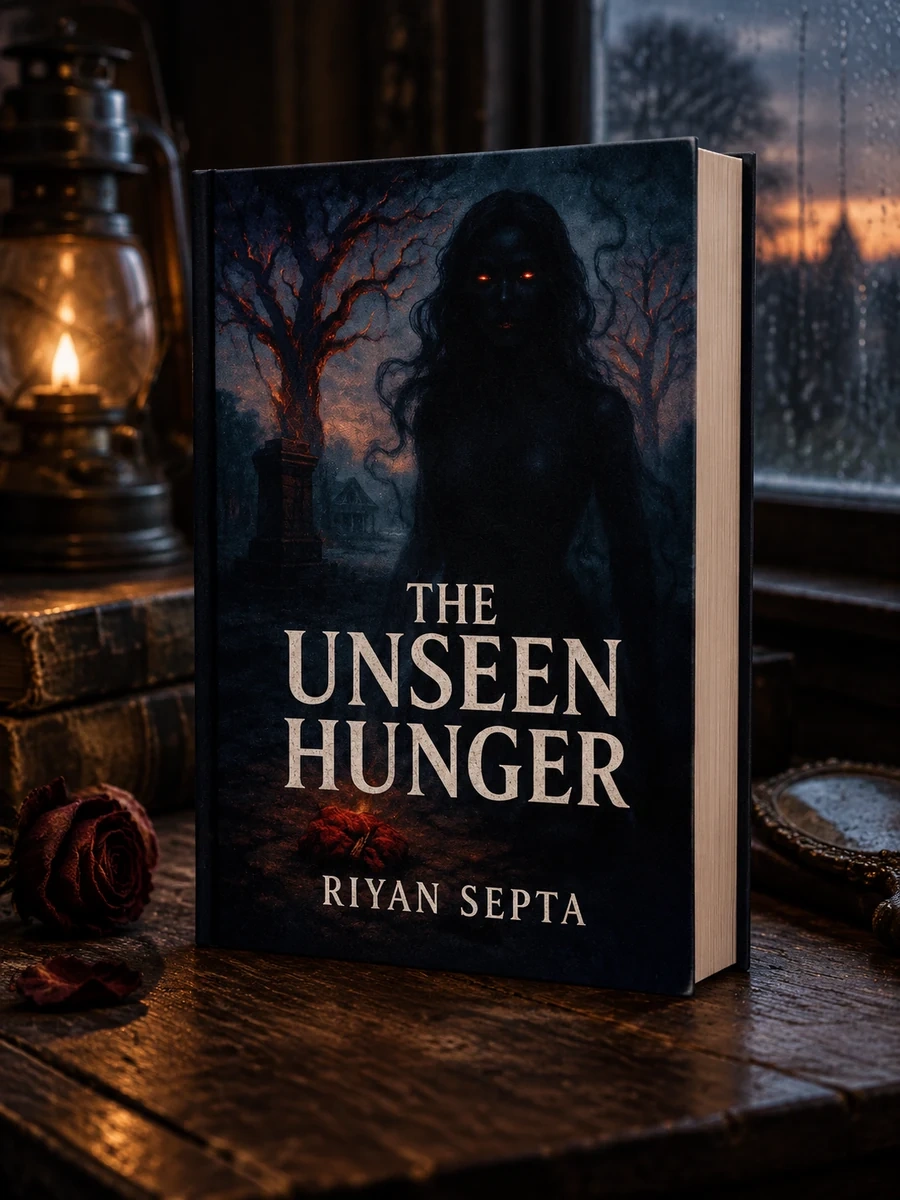
Sarhilda Mayfield seeks beauty and power to win Angello Devereaux, making a deal with ancient entities. This choice turns her into a vessel for their insatiable hunger, causing betrayal and murder in Kadaville. The town’s fate depends on Sarhilda confronting the monstrous truth of her transformation. Septa uses the setting of dark magic and restless spirits to explore obsession. The narrative does not glorify the pursuit of love but shows its dangerous potential. Readers looking for a story about the consequences of desperate choices will find this compelling. The text avoids traditional hero arcs, focusing instead on the psychological weight of the pact. This approach aligns with gothic fiction traditions where personal desire leads to supernatural ruin. The story remains grounded in Sarhilda’s perspective, making the chaos feel personal rather than abstract.
The book sits within the horror and gothic fiction genres, drawing on traditions of dark magic and restless spirits. It is published by Riyan Septa in 2025, targeting readers interested in supernatural tales of obsession and transformation.


📝 Description: The Hunger of Kadaville
💎 Our verdict on The Hunger of Kadaville
📖 Why choose it
Why this book is worth reading
Readers interested in the psychological weight of desperate choices will find this narrative compelling. It offers a haunting examination of obsession and moral decay, appealing to those who enjoy tales where personal longing triggers communal catastrophe. The book suits audiences seeking stories grounded in emotional stakes rather than abstract supernatural chaos. Those who appreciate gothic fiction traditions that focus on the insatiable nature of desire and its consequences will gain insight into the cost of such ambitions. It is ideal for fans of dark fantasy and psychological horror who prefer complex character transformations over clear-cut heroes or lighthearted romance.
⭐ Reader reviews
Reader rating
Septa crafts a tense atmosphere by grounding supernatural elements in Sarhilda’s internal struggle, making the resulting chaos feel deeply personal. The narrative excels in exploring how obsession awakens dark appetites without glorifying the pursuit of love. By avoiding traditional hero arcs, the text delivers a unique perspective on moral decay and magical consequences. This approach aligns well with gothic fiction, where personal desire leads to ruin. Readers seeking a story about the dangerous potential of desperate choices will find value in this exploration. The focus remains on the monstrous truth of transformation, ensuring the plot moves from individual longing to broader catastrophe effectively.