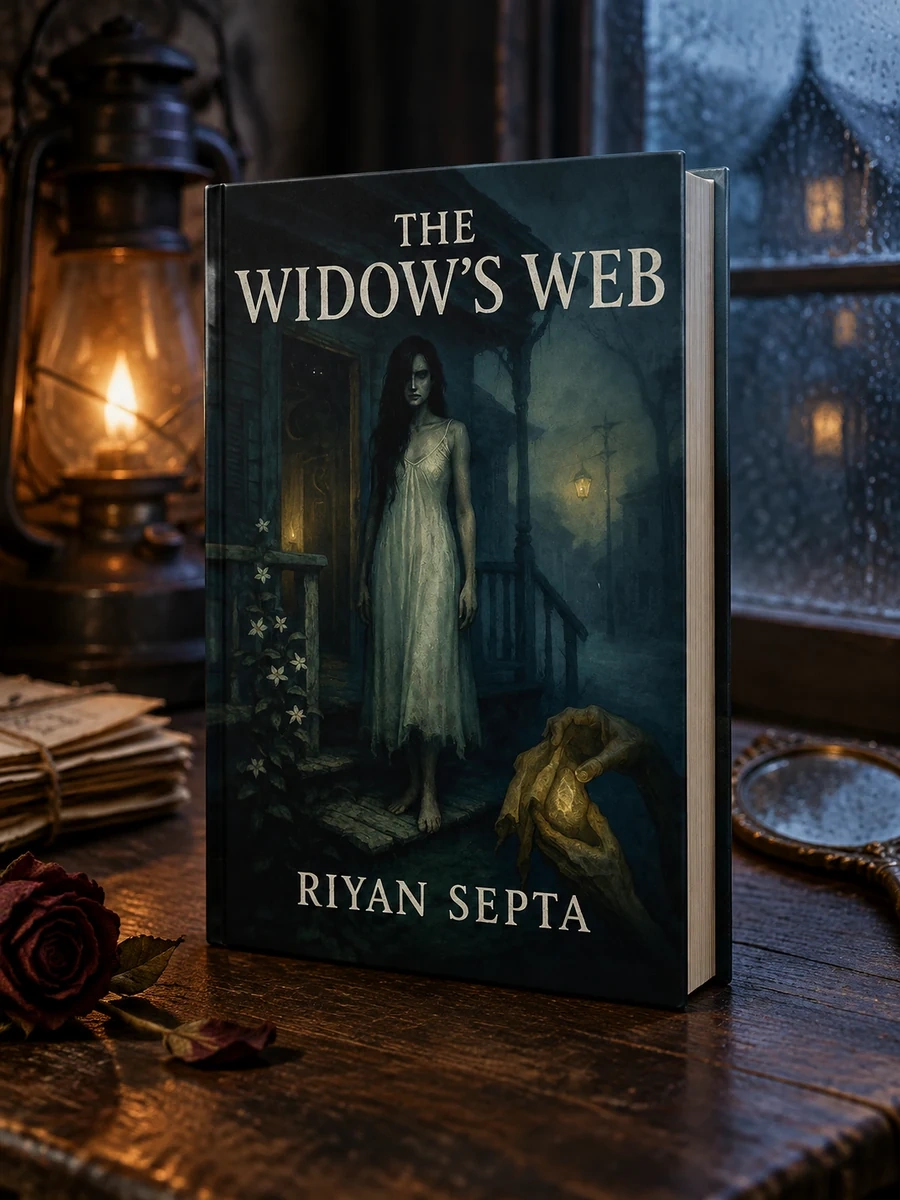
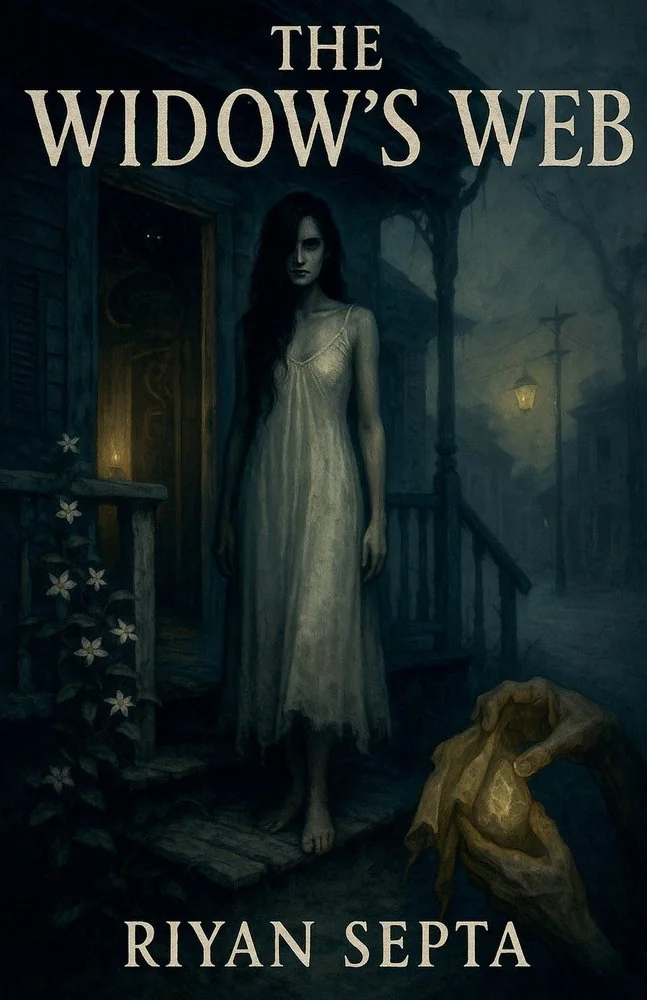
The Widow's Web
A Southern Gothic tale of murder, madness, and a mysterious widow in Louisiana.
Septa explores the consequences of repressed guilt through Amzie Wicksey’s return to his crumbling home. The narrative examines how past traumas manifest as literal horror. Beyonka acts as both refuge and threat, blurring the lines between victim and perpetrator. The story does not offer easy answers but instead immerses the reader in a world where death is persistent and secrets are dangerous. This approach aligns with classic supernatural fiction that uses the genre to examine human frailty.
The work sits within the Southern Gothic tradition, utilizing Louisiana’s bayou setting and themes of decay. It draws on supernatural fiction tropes to explore guilt and madness. The narrative reflects the genre’s focus on the past haunting the present through atmospheric dread and moral ambiguity.


📝 Description: The Widow's Web
💎 Our verdict on The Widow's Web
📖 Why choose it
Why this book is worth reading
Readers who appreciate atmospheric dread and complex character studies will find this tale compelling. The book suits those interested in gothic traditions that prioritize mood and moral decay over conventional plot structures. It offers an immersive experience where death is persistent and secrets are dangerous, appealing to fans of psychological unraveling. However, those seeking fast-paced thriller plots or clear resolutions may find the ambiguity unsettling. This work provides a deep dive into repressed guilt and how past traumas manifest as literal horror, making it ideal for readers who enjoy blurring the lines between victim and perpetrator in a world where reality and horror merge seamlessly.
⭐ Reader reviews
Reader rating
Riyan Septa crafts a haunting Southern Gothic narrative that emphasizes psychological unraveling over external action. The story effectively weaves murder and madness into a dark web, drawing on the suffocating heat of secrets to blur the line between reality and horror. Amzie Wicksey’s descent into madness serves as a vehicle for examining human frailty and repressed guilt. While the narrative lacks easy answers, it succeeds in immersing the reader in a world where the dead remain active forces. This approach appeals to fans of atmospheric dread and moral decay. Those preferring clear resolutions might struggle with the ambiguity, but lovers of character-driven horror will find this exploration of trauma and consequence deeply resonant and chillingly effective.