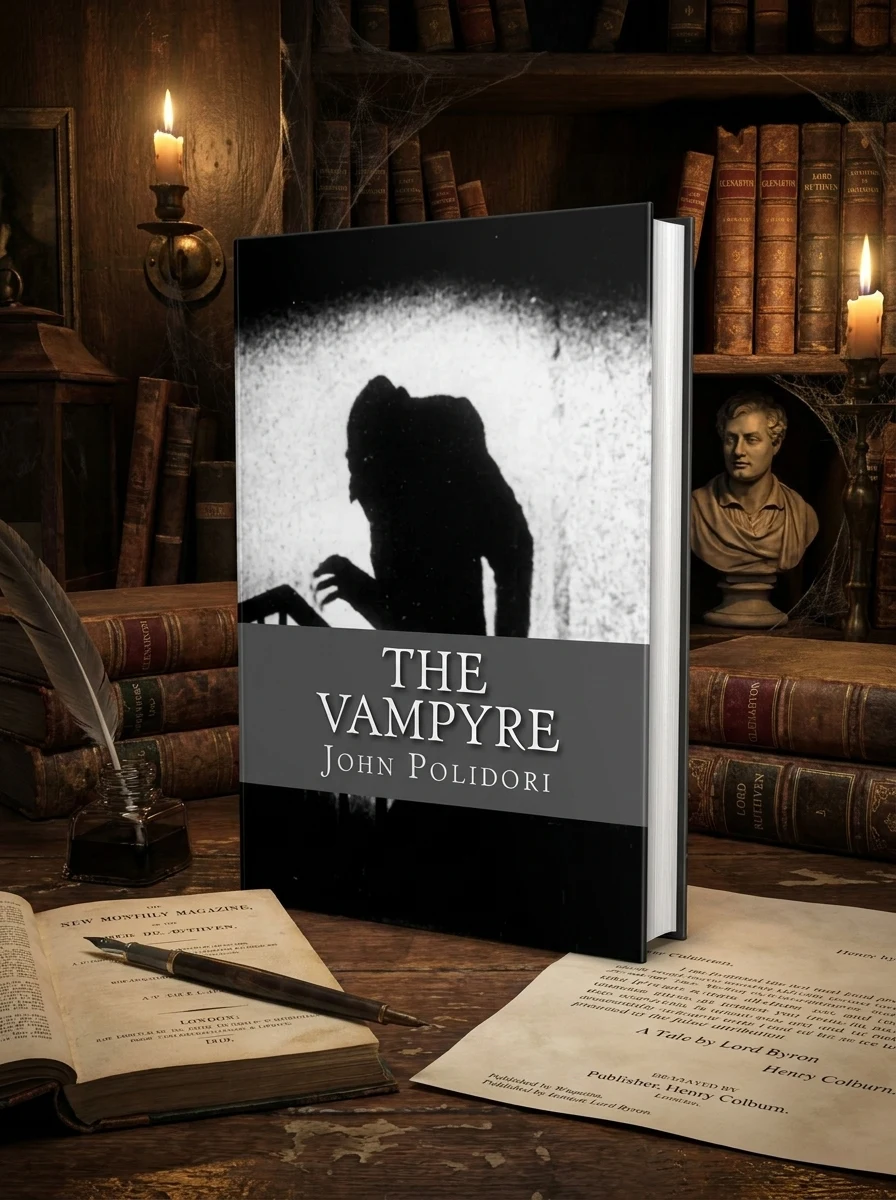

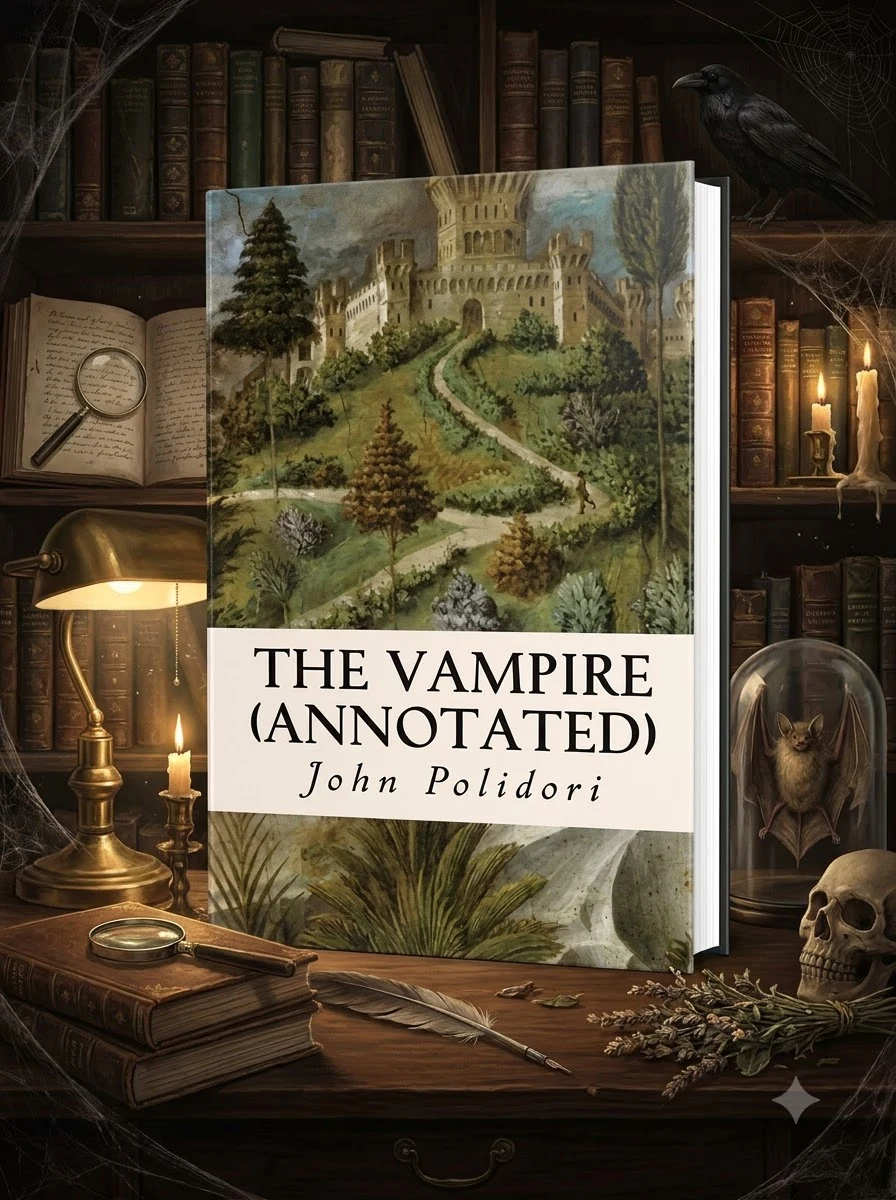
The Vampire: (originally printed as 'The Vampyre'
A foundational gothic tale that redefined the vampire as an aristocratic predator.
This text examines the literary history surrounding John Polidori’s influential narrative. The work emerged from a period of complex authorship attribution involving Lord Byron and Lady Caroline Lamb. The protagonist Lord Ruthven appears in multiple contemporary works, creating confusion regarding origins. Polidori utilized this ambiguity to introduce a new type of monster. The vampire becomes a sophisticated predator rather than a folkloric ghoul. This shift catered to the public’s interest in gothic horror and high society scandals. The narrative structure follows the predatory actions of Ruthven within elite social circles. Readers can trace how false attributions initially boosted the story's fame. The edition preserves the text as it appeared after authorship clarifications. It provides insight into early nineteenth-century publishing practices and literary rivalries.
Published in 1819 by Henry Colburn and later Sherwood, Neely, and Jones in London. The tale appeared first in the New Monthly Magazine with false Byron attribution. It reflects early nineteenth-century gothic predilections and literary rivalries involving Lord Byron and Lady Caroline Lamb.


📝 Description: The Vampire: (originally printed as 'The Vampyre'
💎 Our verdict on The Vampire: (originally printed as 'The Vampyre'
📖 Why choose it
Why this book is worth reading
Readers interested in the origins of gothic fiction and the evolution of supernatural legends will find this narrative essential. It offers a unique insight into early nineteenth-century publishing practices and literary rivalries, specifically how false attributions to Lord Byron initially boosted the story's fame. Those fascinated by the shift from folkloric ghouls to sophisticated aristocratic predators will appreciate Polidori’s social commentary woven into the terror. The work is ideal for those seeking to understand how a creature preys among elite circles, exploiting contemporary tastes and gothic horror predilections. While it may not suit seekers of fast-paced action due to its deliberate pacing, it provides a clear view of the modern vampire trope's inception within high society scandals.
⭐ Reader reviews
Reader rating
Polidori successfully crafts a tale that reshapes the vampire from folklore into an aristocratic predator, establishing the modern horror archetype. The narrative relies on the interactions between the sophisticated fiend and his victims within elite circles, exploiting public interest in gothic horror and social scandal. This edition preserves the text as it appeared after authorship clarifications, offering a clear view of early nineteenth-century publishing dynamics. While the pacing is deliberate and may not appeal to those seeking contemporary action, the work stands as a vital bridge between romantic literature and later horror traditions. It suits readers interested in literary history, social commentary, and the origins of supernatural legends.
📖 Read on the blog
✍️ More books by this author John Polidori





🏛 Books from this publisher Createspace Independent Publishing Platform






You might also like
See more →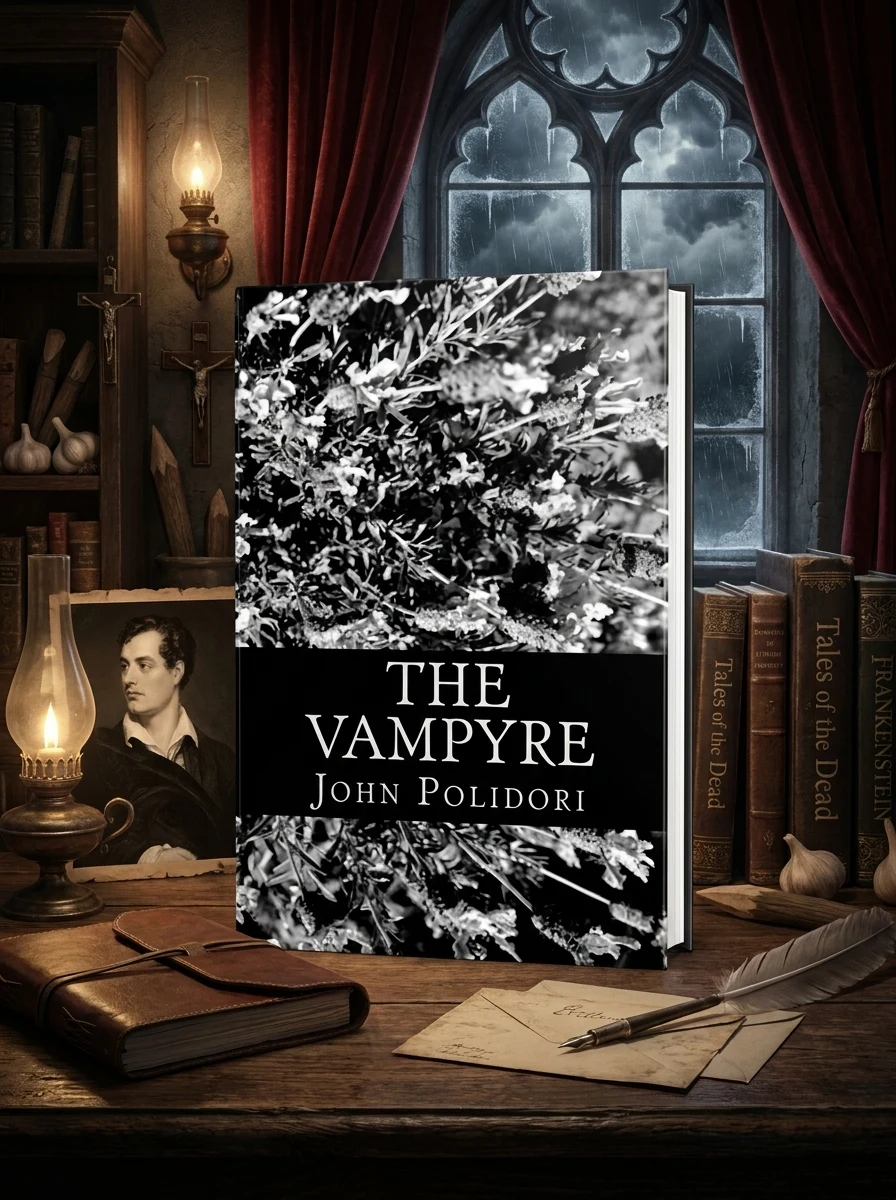



Have a question about this item?
Ask about the edition, condition, delivery or anything else — we reply by email or phone, usually within a day.
