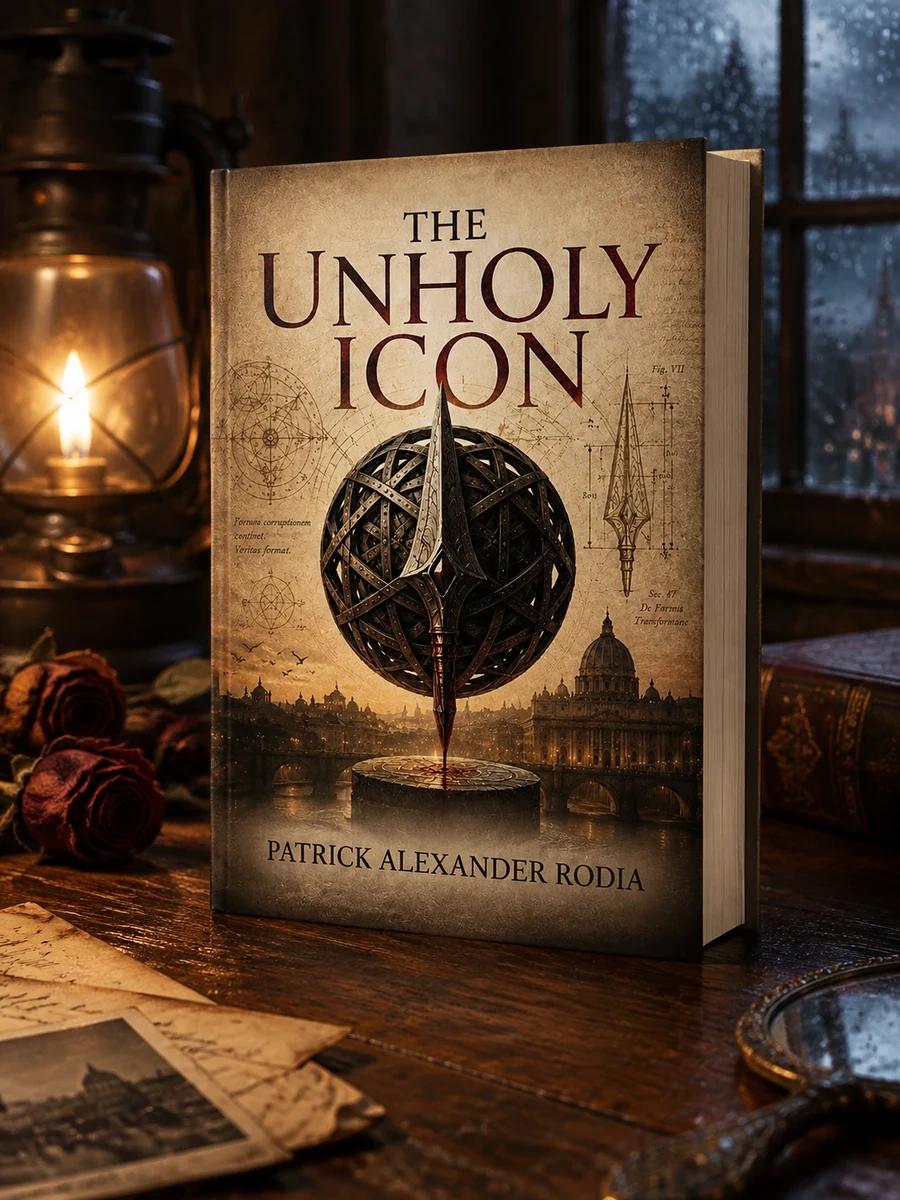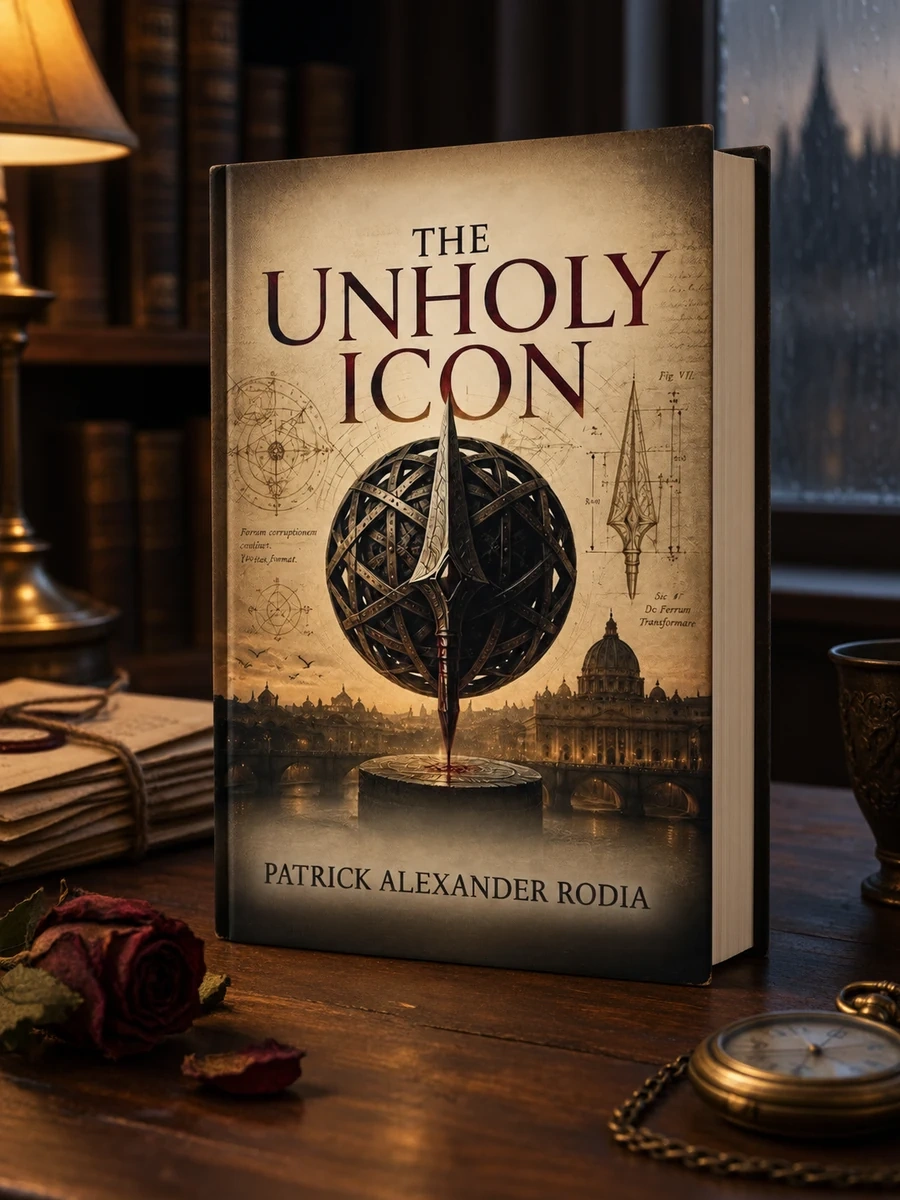
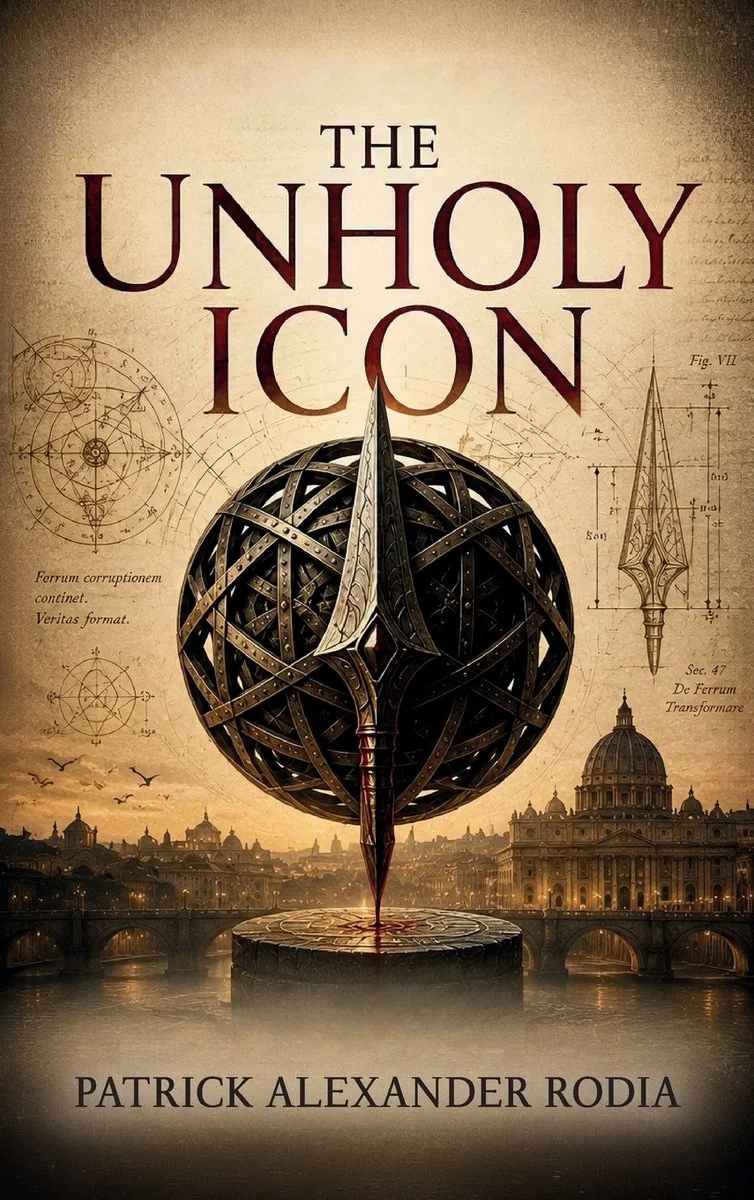
The Unholy Icon, A Novel
A darkly humorous thriller about an art historian fighting for his soul over a deceptive relic.
This novel centers on Daniel Mercer, an art historian whose professional life changes when he examines a celebrated relic. The object is not what it seems, pulling him into a conflict involving faith and deception. Rodia writes this as a thriller that balances intellectual curiosity with supernatural danger. The story does not shy away from the profane, using humor to offset the dark themes. It asks readers to reconsider their assumptions about belief and truth. The narrative remains focused on Mercer’s personal stakes as the situation escalates beyond academic interest.
The Unholy Icon is published by Spines in 2026. It sits within the genres of horror, gothic, and supernatural fiction. The work engages with traditions of religious iconography and art history, presenting a modern thriller that questions established beliefs through a narrative lens.


📝 Description: The Unholy Icon, A Novel
💎 Our verdict on The Unholy Icon, A Novel
📖 Why choose it
Why this book is worth reading
Readers who appreciate supernatural fiction that merges intellectual curiosity with high-stakes tension will find this novel compelling. It offers a unique narrative experience by balancing dark humor against profound themes of faith and deception. Those interested in the psychological aspects of belief, rather than just jump scares, will engage with the protagonist’s desperate fight for his soul. The book invites an active reading process, challenging audiences to question their assumptions about truth and spirituality. It is ideal for those seeking a thriller that does not shy away from profane elements while maintaining a gripping pace. By focusing on personal stakes within a shadow world of power, it provides entertainment that is both thought-provoking and urgent.
⭐ Reader reviews
Reader rating
Rodia delivers a fast-paced thriller that deftly blurs the line between the sacred and the profane. The narrative successfully transforms an academic investigation into a desperate struggle for humanity, maintaining urgency through its gripping structure. The use of dark humor offsets the heavy themes, creating a distinctive tone that sets it apart from standard horror fare. This approach suits readers who enjoy intellectual inquiry within supernatural settings, though those expecting traditional horror may find the blend unexpected. The work avoids relying on clichéd genre tropes, instead focusing on religious iconography and historical mystery. It is a strong recommendation for fans of psychological horror who appreciate a narrative that challenges beliefs while delivering immediate entertainment.