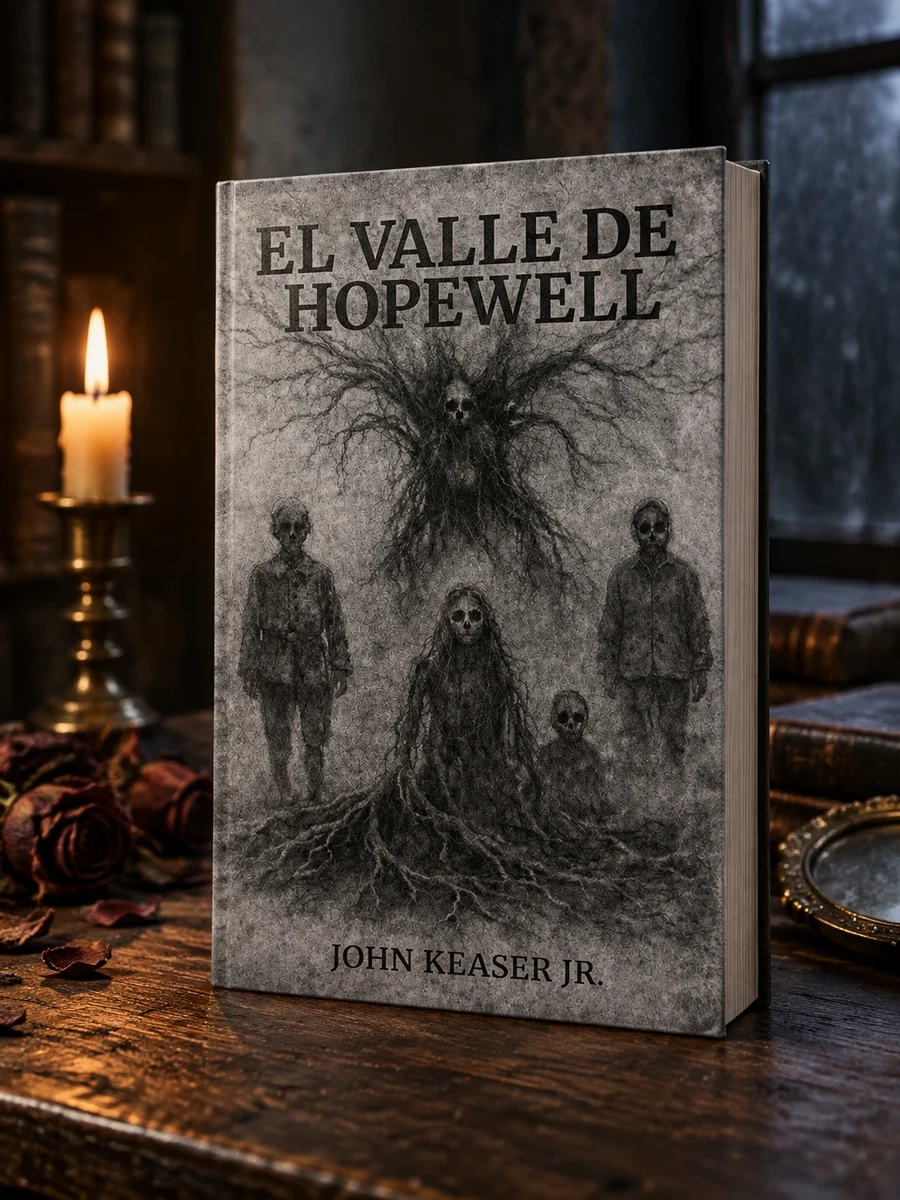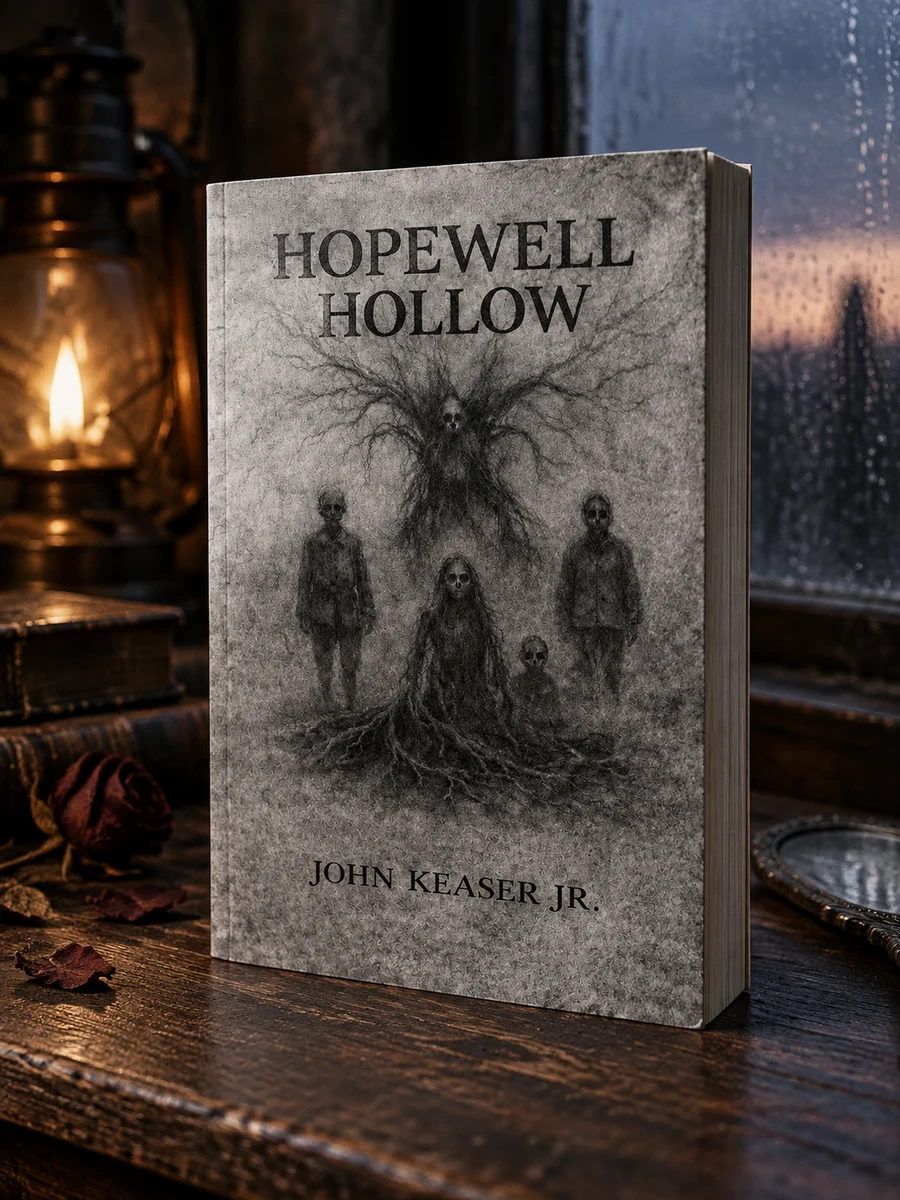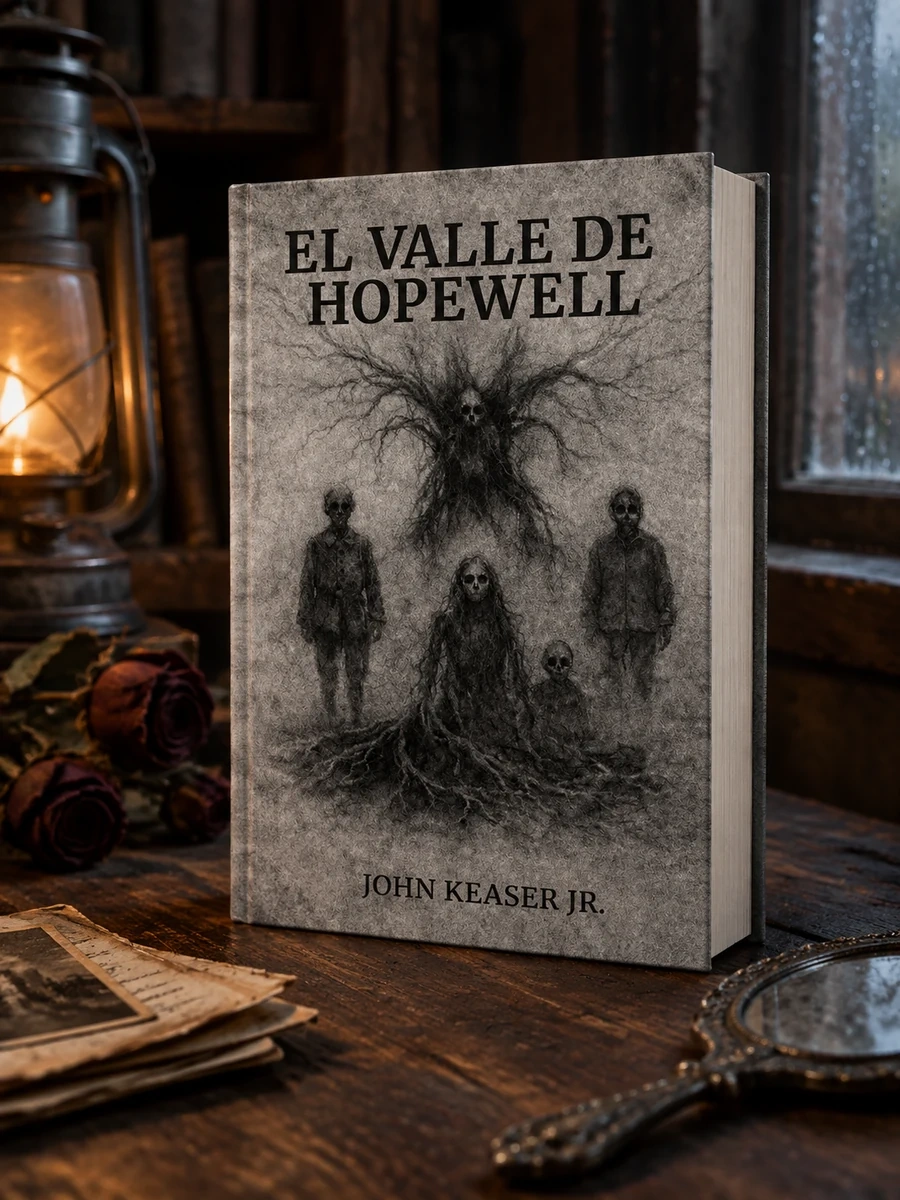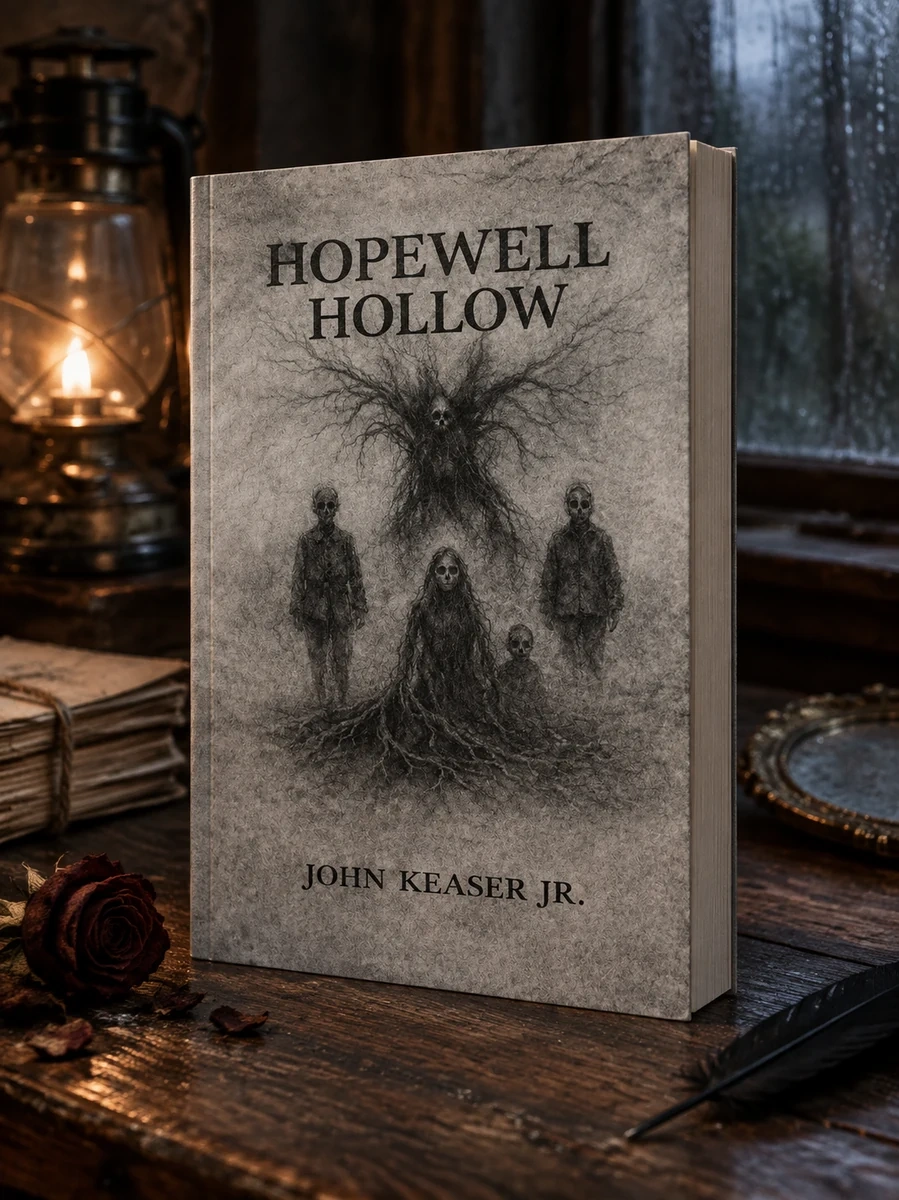
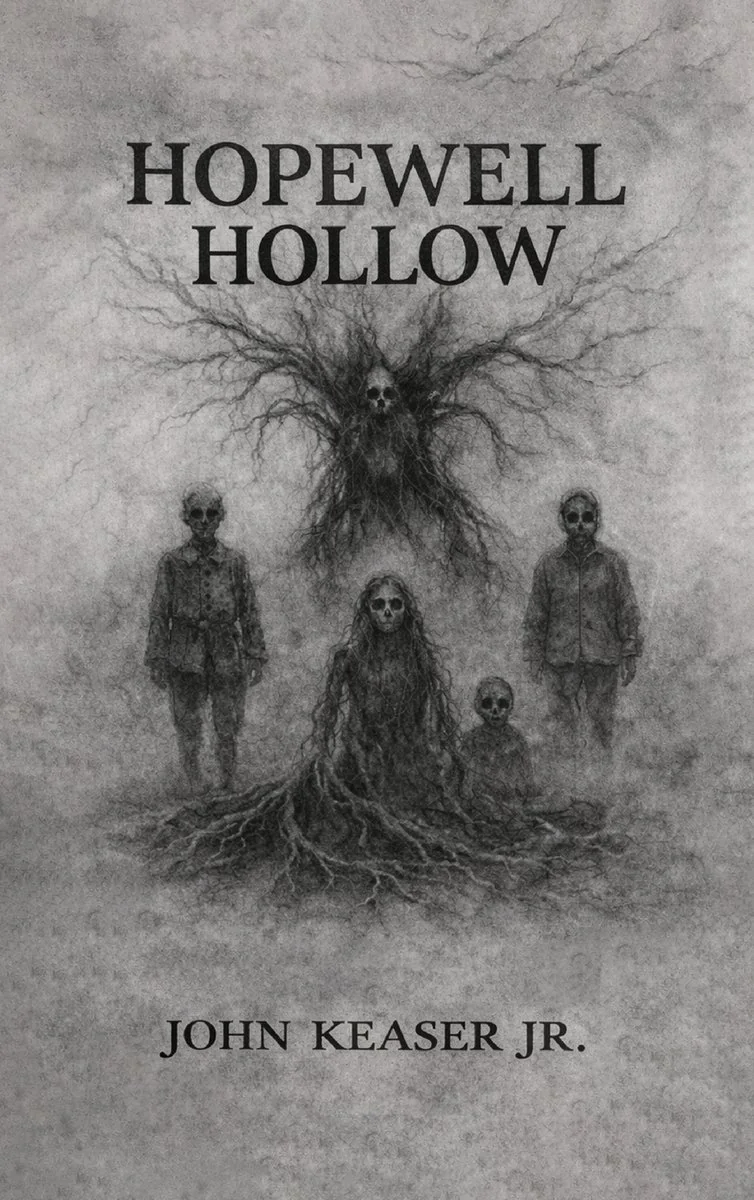
Hopewell Hollow
A slow atmospheric mystery about New England secrets and family guilt.
This novel examines the intersection of personal tragedy and regional folklore in a small American town. Keaser structures the narrative to highlight how historical choices create present-day hauntings. The text avoids traditional horror tropes, instead focusing on the psychological impact of grief and silence. Readers encounter a story where the environment reflects the internal states of the characters. The work draws on specific New England traditions to build its mood. It offers a grounded look at how communities carry their burdens across generations.
The book is set in a small New England town, drawing on regional traditions and periods to build its atmosphere. It reflects the cultural weight of history and secrets in American rural communities, focusing on how past choices echo into the present.


📝 Description: Hopewell Hollow
💎 Our verdict on Hopewell Hollow
📖 Why choose it
Why this book is worth reading
Readers seeking a contemplative and eerie experience will find Hopewell Hollow rewarding for its masterful use of atmosphere over shock value. This book is ideal for those who appreciate slow-burn mysteries rooted in specific cultural traditions, particularly the complex social dynamics of small-town New England life. It appeals to individuals interested in how silence and grief shape community identity across generations. Those who prefer psychological depth and emotional bards over high-octane plots or gore will gain the most from this reflective narrative. It offers a grounded examination of familial guilt and the lingering echoes of past choices, providing a unique perspective on how history haunts the present through internal decay rather than external monsters.
⭐ Reader reviews
Reader rating
John Keaser Jr. delivers a compelling study in atmospheric dread, effectively prioritizing emotional landscape over visceral shock. The novel succeeds by avoiding traditional horror tropes, instead focusing on the psychological impact of grief and silence within a small New England community. Its strength lies in illustrating how historical choices create present-day hauntings, making the environment itself a reflection of internal states. While it may disappoint readers seeking rapid pacing or explicit terror, it perfectly suits those who enjoy reflective, eerie fiction rooted in regional folklore. The work offers a nuanced look at generational burden, creating an unease that lingers long after the final page through its tight focus on character psychology and consequence.