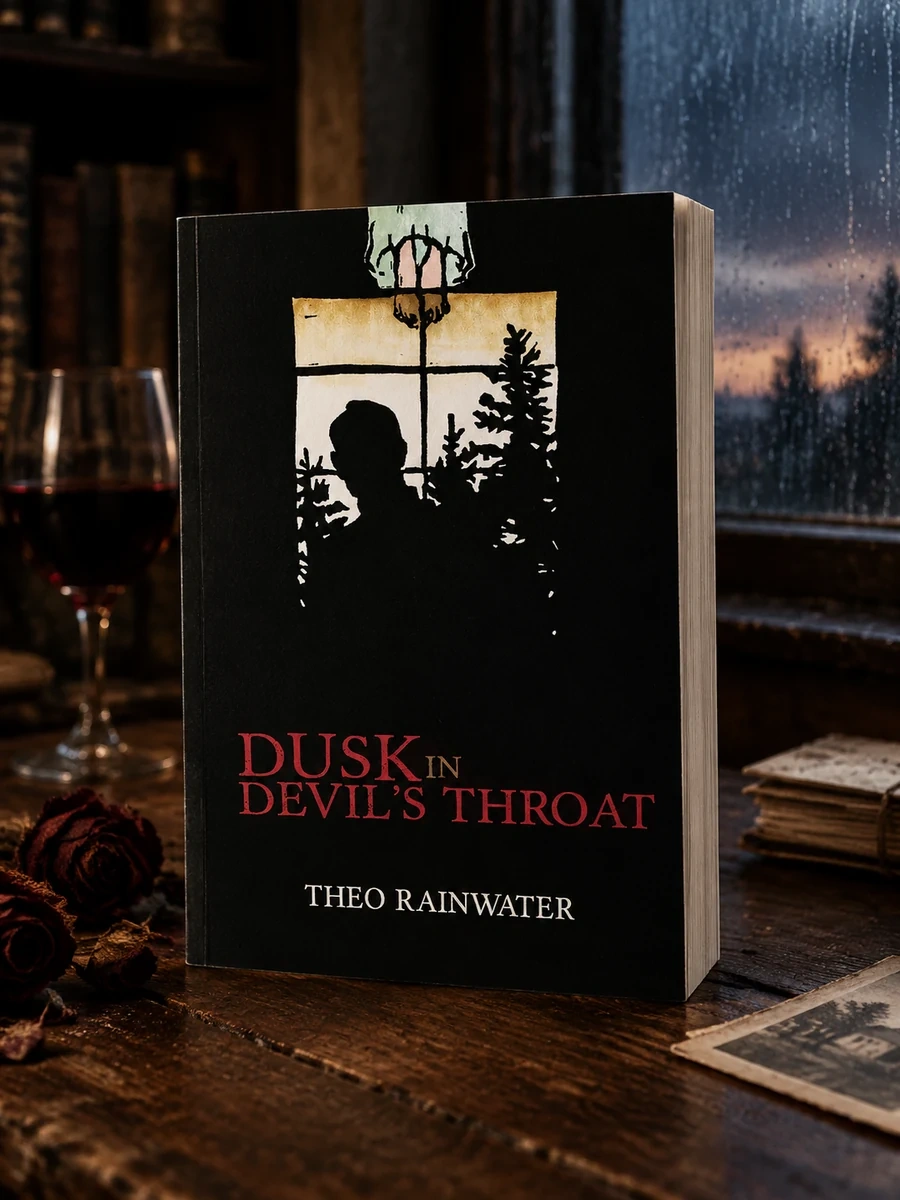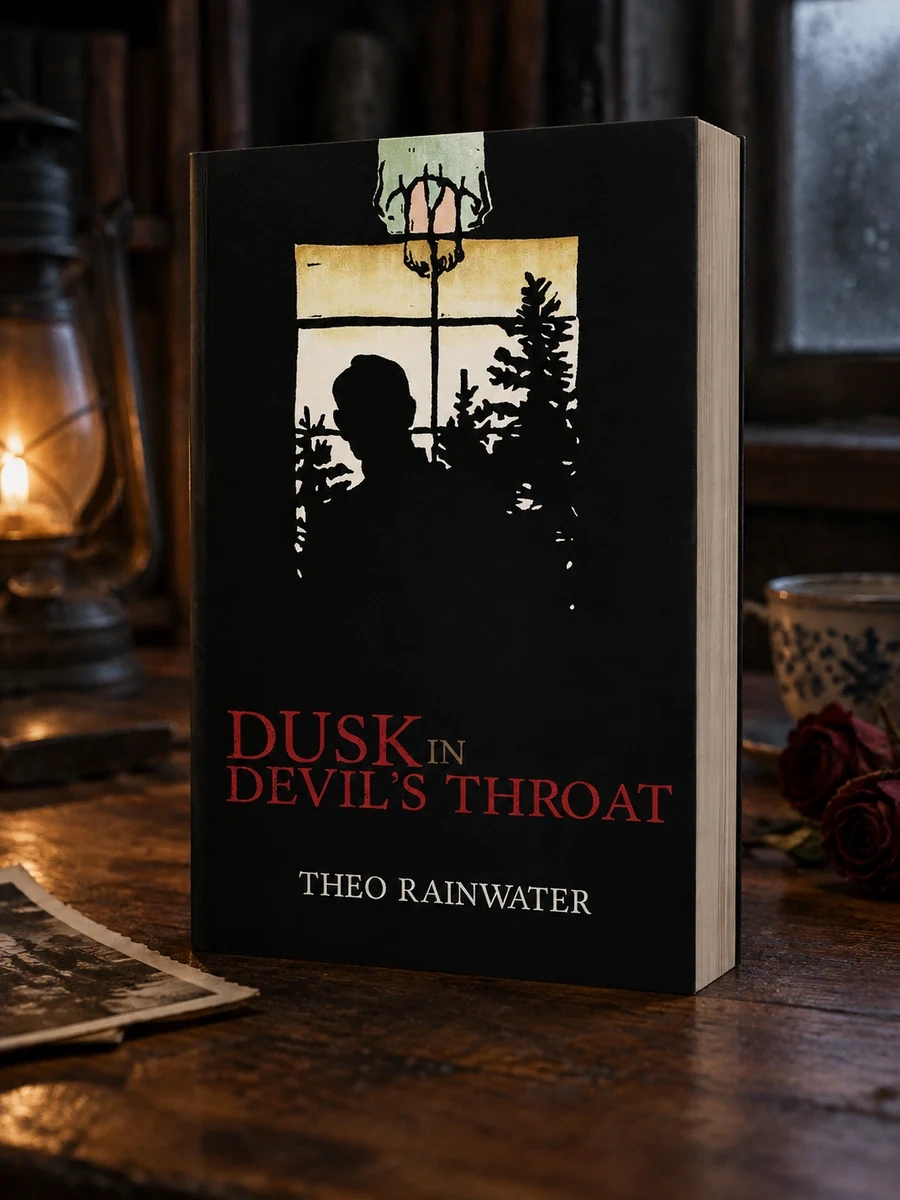
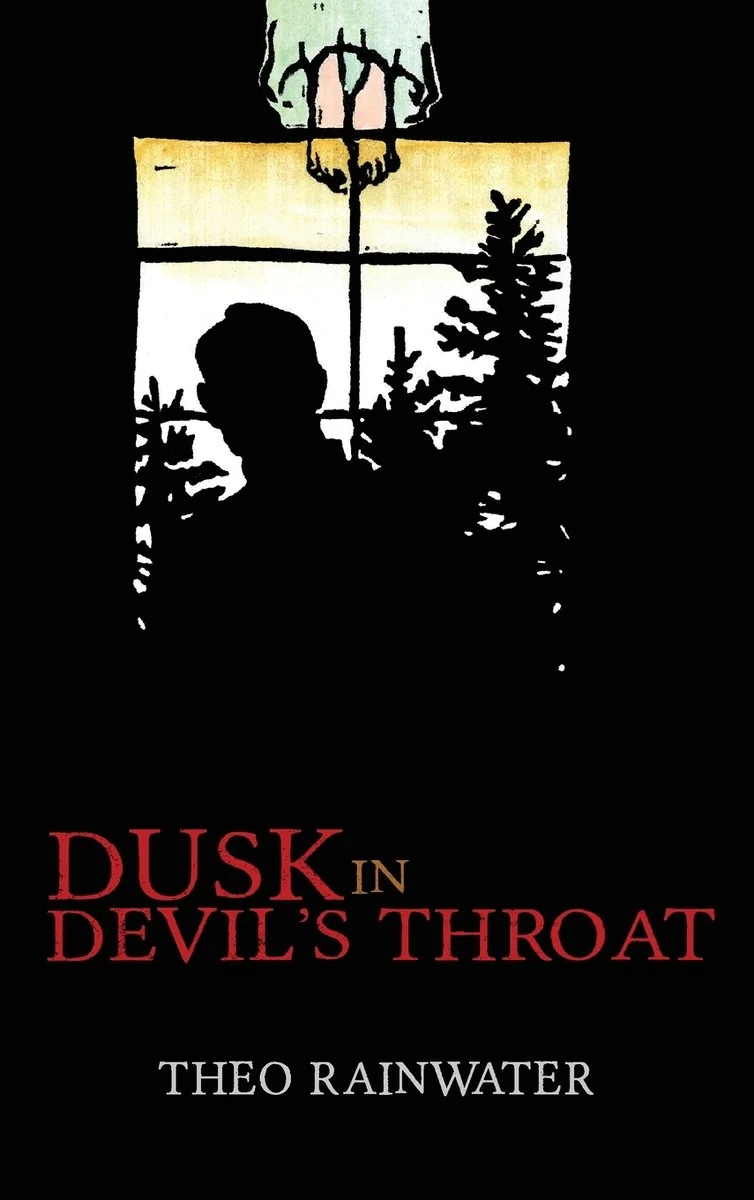
Dusk in Devil's Throat
A 1920s mining town succumbs to witchcraft fears and vigilante justice.
Rainwater presents a chilling narrative where Devil's Throat struggles with internal corruption. The plot does not rely on external invaders but rather the decay of social bonds. As trust erodes, neighbors accuse each other of witchcraft. This paranoia drives secret acts of violence that fracture the community. The author uses this setting to examine how fear distorts reality and perception. Justice becomes a tool for revenge rather than protection. The story remains focused on the psychological toll of these events on every soul involved.
The book is set in Devil's Throat, a small mining town during the 1920s. This period provides a specific historical context for the social tensions and superstitions that drive the plot forward.


📝 Description: Dusk in Devil's Throat
💎 Our verdict on Dusk in Devil's Throat
📖 Why choose it
Why this book is worth reading
Readers seeking a slow-burn atmospheric experience will find this narrative deeply rewarding. It is ideal for those who appreciate historical gothic settings where the horror stems from human paranoia rather than external monsters. The book appeals to fans of psychological tension and community-based dread, offering a grounded exploration of how fear distorts reality. Those who enjoy examining the erosion of social bonds and the psychological toll on individuals within a closed society will gain much from its intricate character dynamics. It is less suitable for those preferring fast-paced action or modern contexts, but perfect for enthusiasts of literary horror that prioritizes mood and thematic depth over plot-driven spectacle.
⭐ Reader reviews
Reader rating
Rainwater crafts a chilling examination of communal decay, where the true monster is the erosion of trust within Devil's Throat. The narrative excels in building an oppressive atmosphere, using the 1920s mining backdrop to ground its supernatural elements in tangible social tension. By focusing on vigilante justice and witchcraft fears, the author effectively illustrates how paranoia fractures relationships. This approach suits readers who favor psychological horror and gothic traditions over action-heavy plots. The slow burn of suspicion creates a compelling study of human resilience against internal evil. While not for those seeking rapid pacing, it offers a rich, eerie exploration of perception and revenge that lingers long after reading.