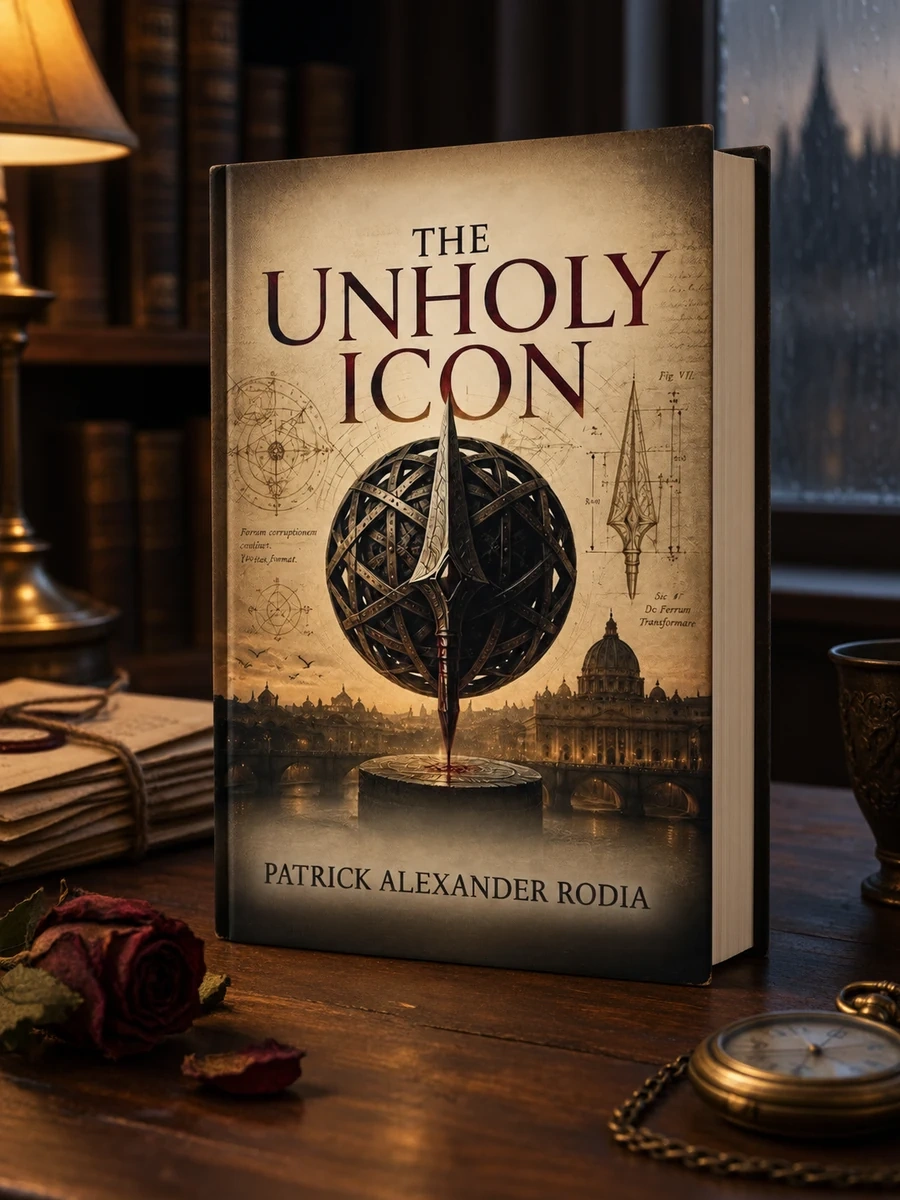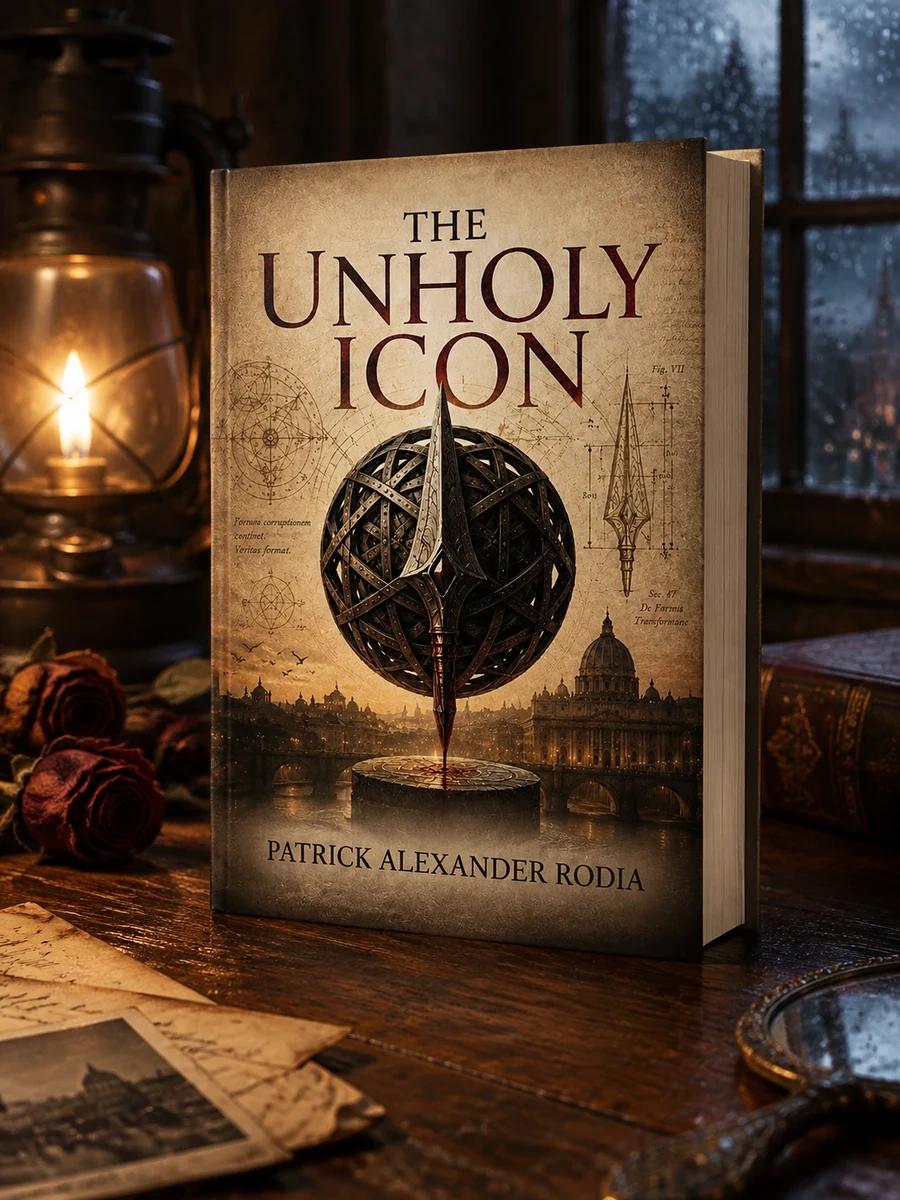
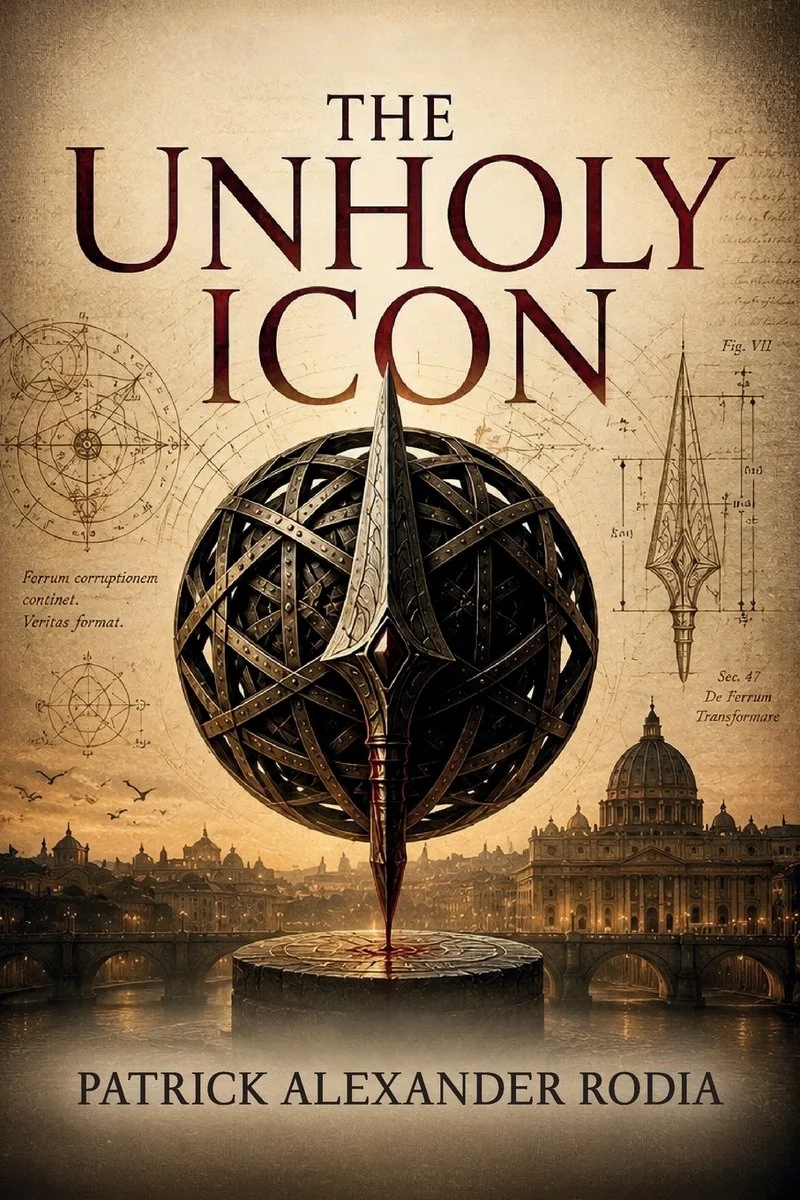
The Unholy Icon, A Novel
A darkly humorous thriller about an art historian fighting for his soul over a deceptive relic.
This novel centers on Daniel Mercer, an art historian who discovers that a celebrated relic is not what it seems. The plot shifts from academic inquiry to a high-stakes battle involving faith and deception. Rodia writes with a darkly humorous tone that distinguishes the work from standard horror. The story challenges the reader to question established beliefs while providing entertainment through its satirical take on religious power structures. It is designed for those who appreciate irony in their fiction.
Published by Spines in 2026, this novel sits within the contemporary horror and supernatural fiction market. It appeals to American readers interested in stories that mix religious iconography with modern thriller conventions. The work engages with traditions of gothic fiction while maintaining a fast-paced, accessible style for general audiences.


📝 Description: The Unholy Icon, A Novel
💎 Our verdict on The Unholy Icon, A Novel
📖 Why choose it
Why this book is worth reading
Readers who appreciate horror that blends intellectual inquiry with supernatural stakes will find this novel compelling. It is designed for those who enjoy fast-paced thrillers with a satirical edge, offering entertainment through a unique take on religious power structures. The book appeals to individuals willing to question established beliefs while laughing at the absurdity of iconography. Those seeking solemn, traditional gothic horror may find the tone too irreverent, but fans of darkly humorous fiction will gain from its challenge to perceptions. It provides a distinct entry in modern horror by grounding supernatural elements in professional expertise, making the narrative feel immediate and grounded despite its fantastical premise.
⭐ Reader reviews
Reader rating
Rodia distinguishes this work from standard horror through a darkly humorous tone that satirizes religious authority. The narrative effectively blurs the line between the sacred and the profane, following an art historian whose investigation evolves into a desperate fight for his soul. This approach makes the story feel immediate and grounded, relying on tension between tradition and deception rather than cheap scares. It suits readers who enjoy irony in their fiction and are willing to question their beliefs. However, those seeking gentle comfort or straightforward supernatural tales may find the irreverent style challenging. The novel succeeds by offering a unique blend of genres that challenges perceptions while providing engaging entertainment through its precise exploration of faith and power.