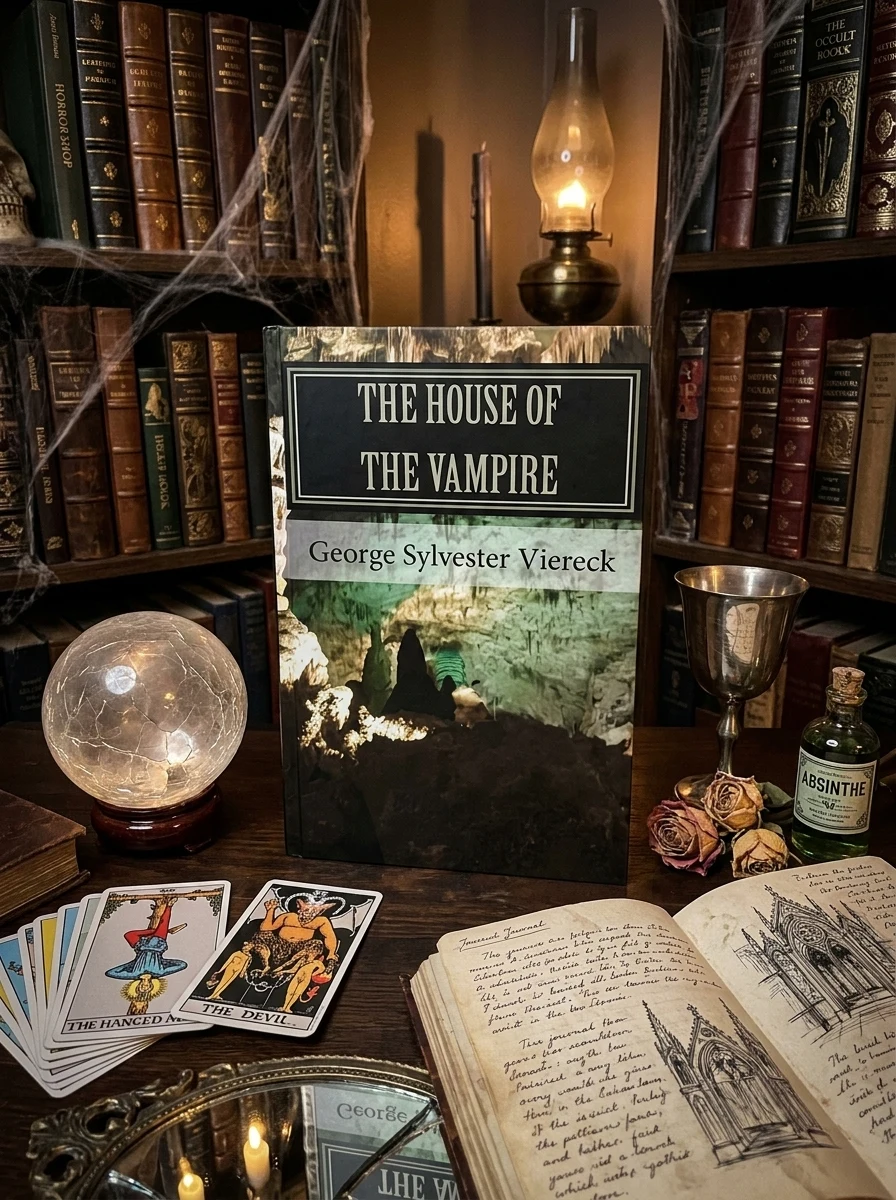
The House Of The Vampire
A 1907 novel featuring one of the first gay psychic vampires in literature.
This work examines the intersection of queer identity and supernatural horror through the lens of early twentieth-century fiction. Viereck constructs a narrative where the vampire feeds on psychic energy, diverging from traditional blood-drinking tropes. The text reflects the cultural anxieties and literary innovations of its time, offering a distinct perspective on how horror evolved to include psychological and sexual themes. It provides insight into how authors began to explore marginalized identities within genre fiction long before such topics became mainstream.
Published in 1907, this novel sits at the dawn of modern horror literature. It reflects early twentieth-century attitudes toward sexuality and the supernatural. The work predates many well-known vampire tales, establishing a precedent for exploring queer themes within the gothic tradition.


📝 Description: The House Of The Vampire
💎 Our verdict on The House Of The Vampire
📖 Why choose it
Why this book is worth reading
This book is essential for scholars and fans of early horror fiction who wish to understand the genre's historical development regarding marginalized identities. It offers a unique window into how authors explored queer identity within supernatural narratives long before such topics became mainstream. Readers interested in the evolution of vampire myths will appreciate its innovative focus on psychic consumption rather than traditional blood-drinking tropes. It provides insight into cultural anxieties and literary innovations of its time, making it valuable for those seeking historical perspectives on LGBTQ+ literature and the intersection of sexuality with gothic horror traditions.
⭐ Reader reviews
Reader rating
Viereck’s novel successfully intertwines queer identity with supernatural horror, creating a distinct narrative that diverges from established blood-drinking conventions. By introducing psychic vampires who feed on energy, the text reflects early twentieth-century anxieties while pioneering new ground in speculative fiction. The work is best suited for readers interested in the historical evolution of vampire myths and those exploring the roots of queer gothic literature. While it may not appeal to those seeking fast-paced action or straightforward gore, its literary significance and exploration of power dynamics make it a compelling study for enthusiasts of psychological horror and early genre innovation who value thematic depth over modern sensibilities.
📖 Read on the blog
✍️ More books by this author George Sylvester Viereck
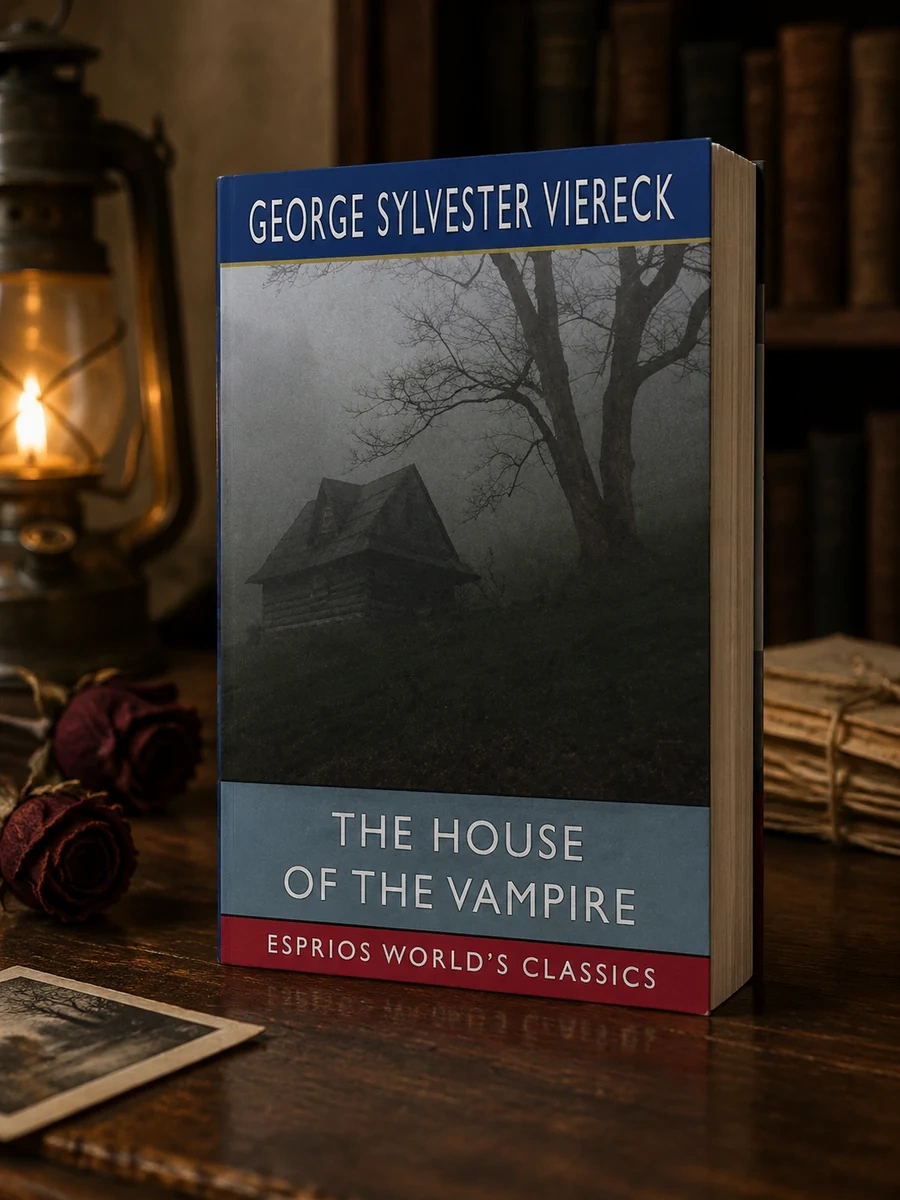


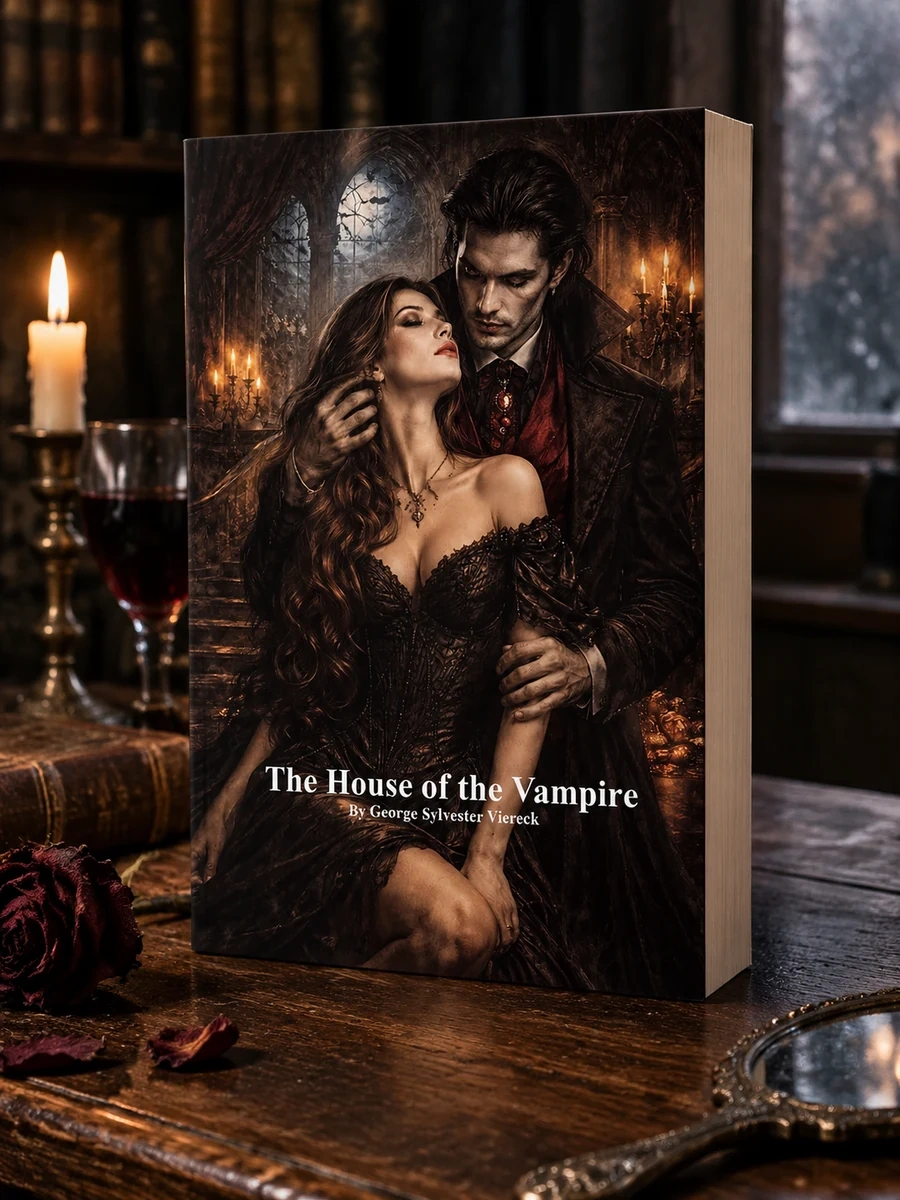
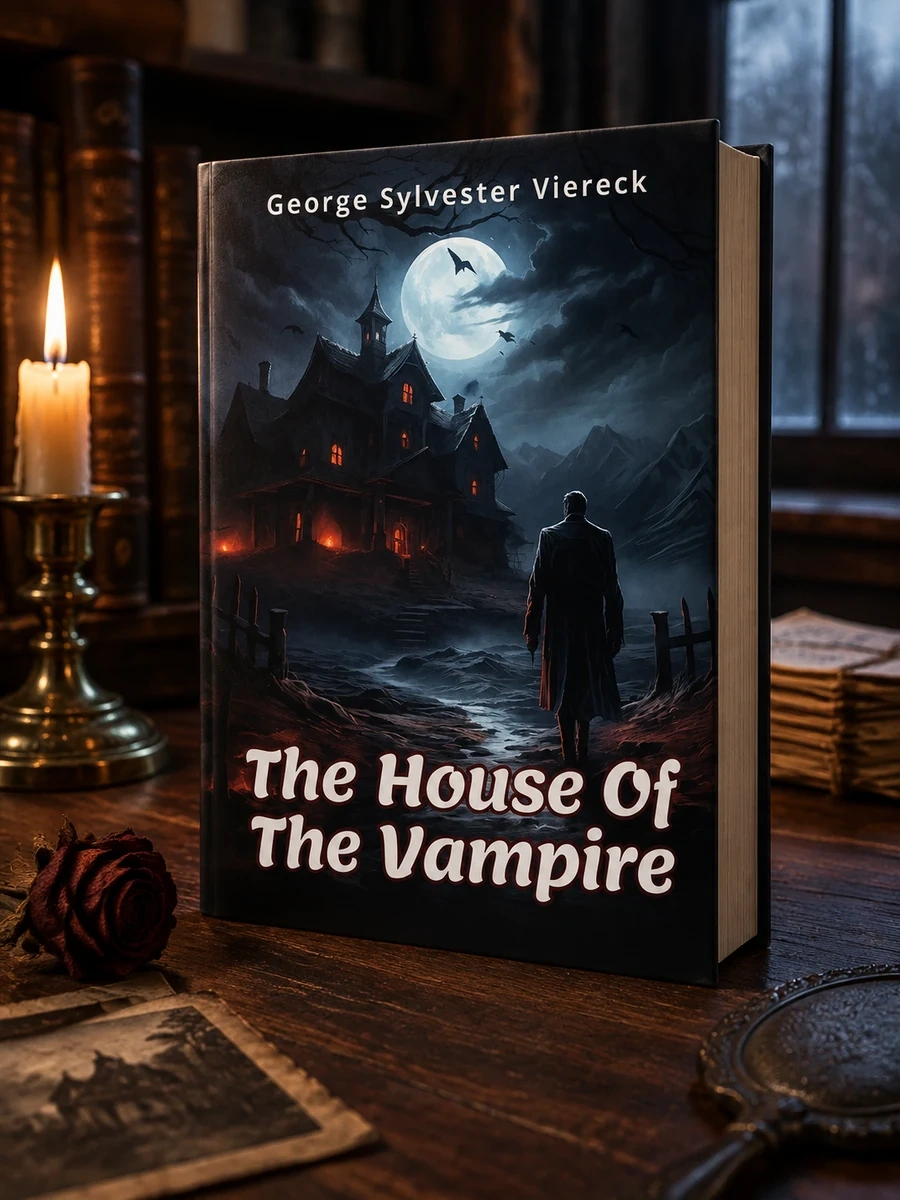
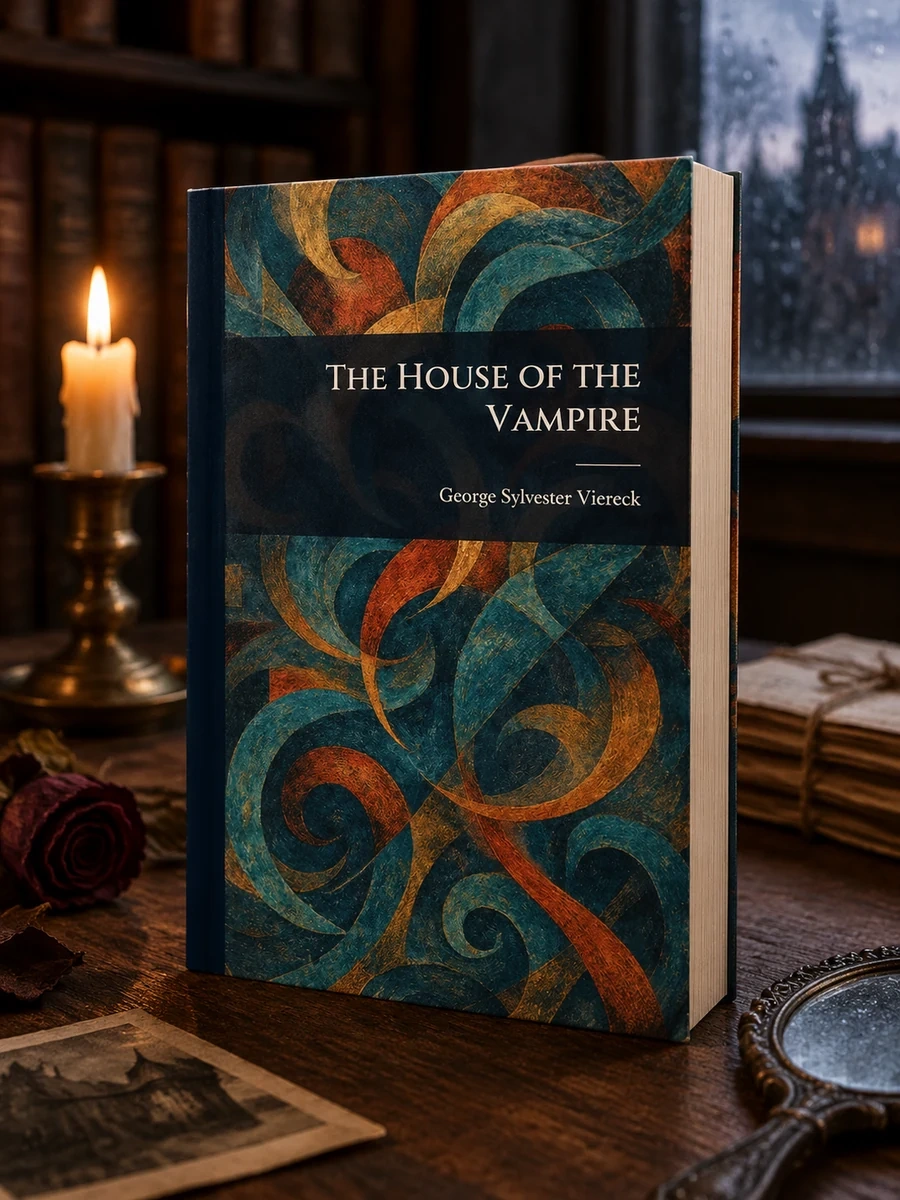
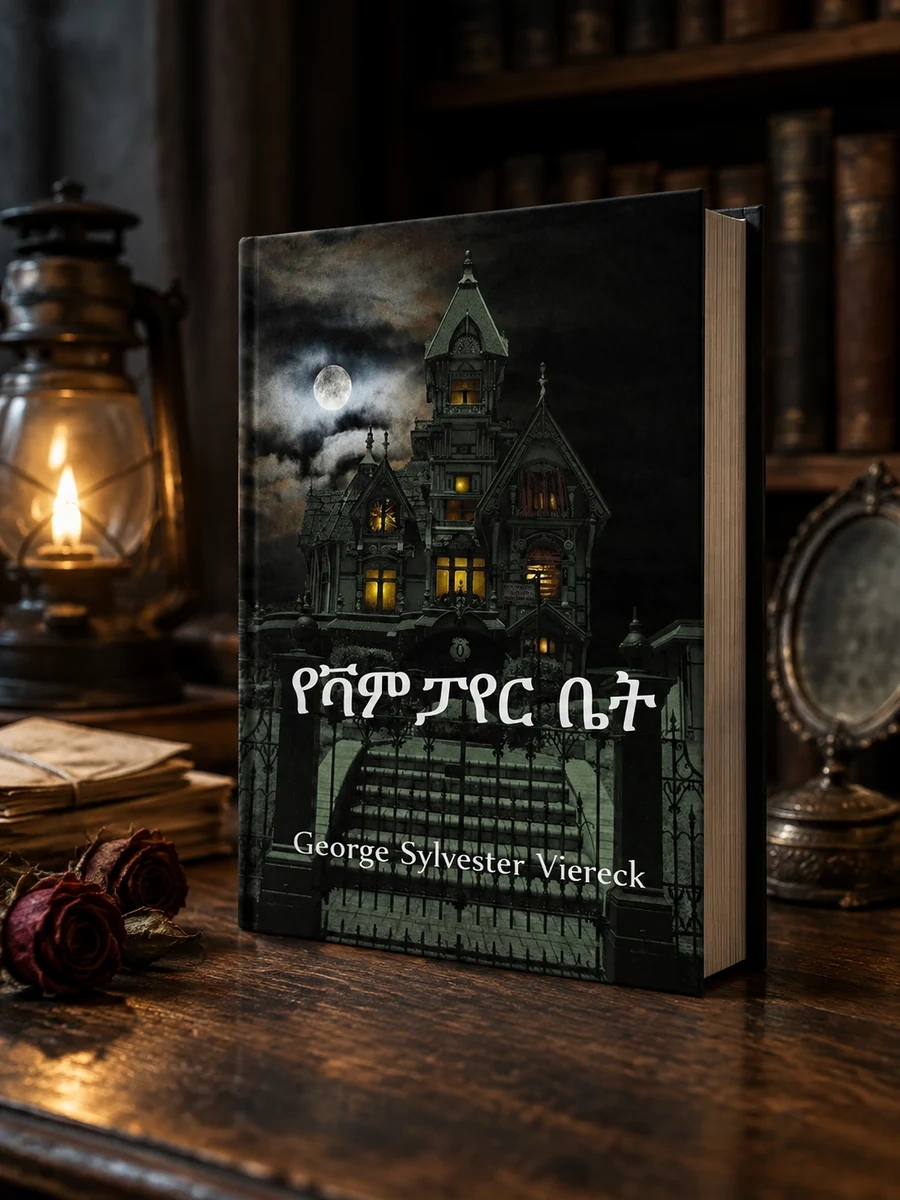
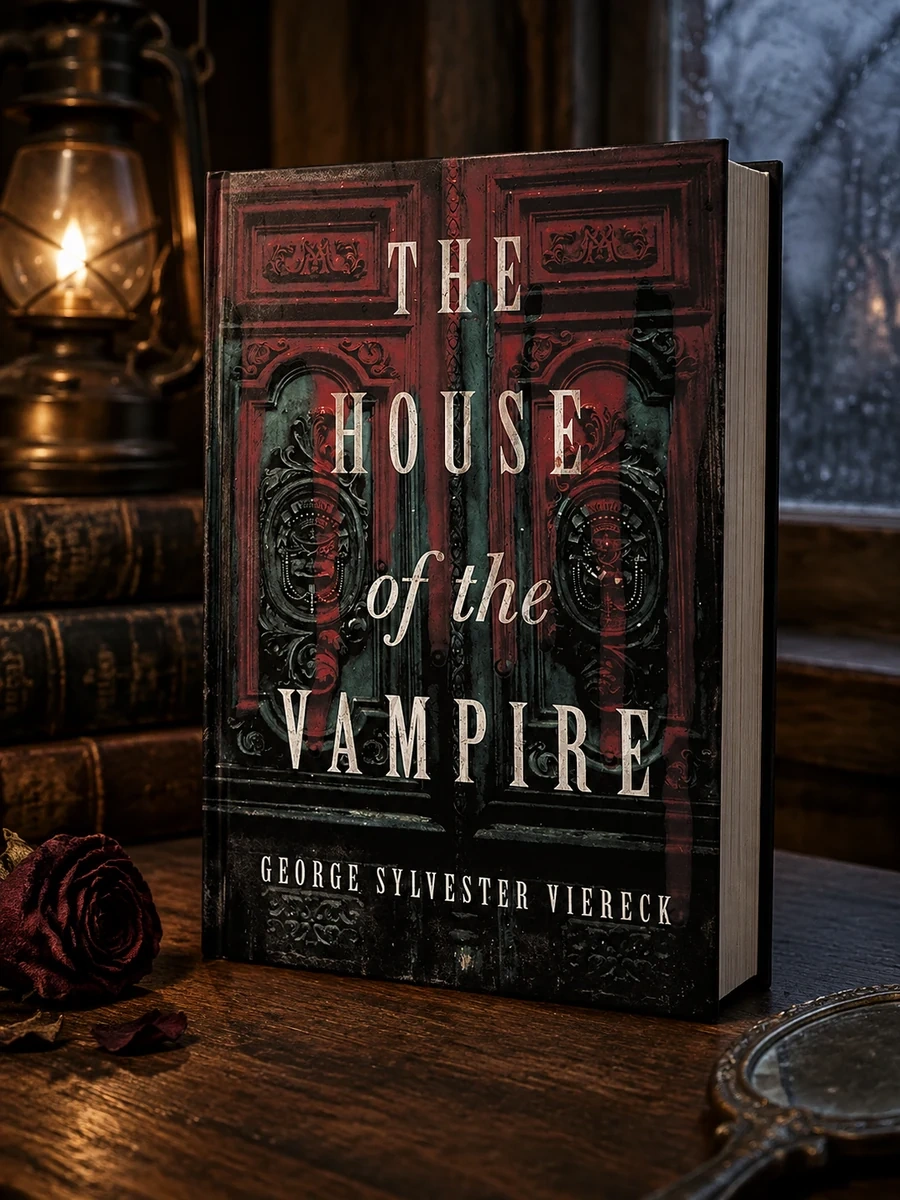
🏛 Books from this publisher Createspace Independent Publishing Platform






You might also like
See more →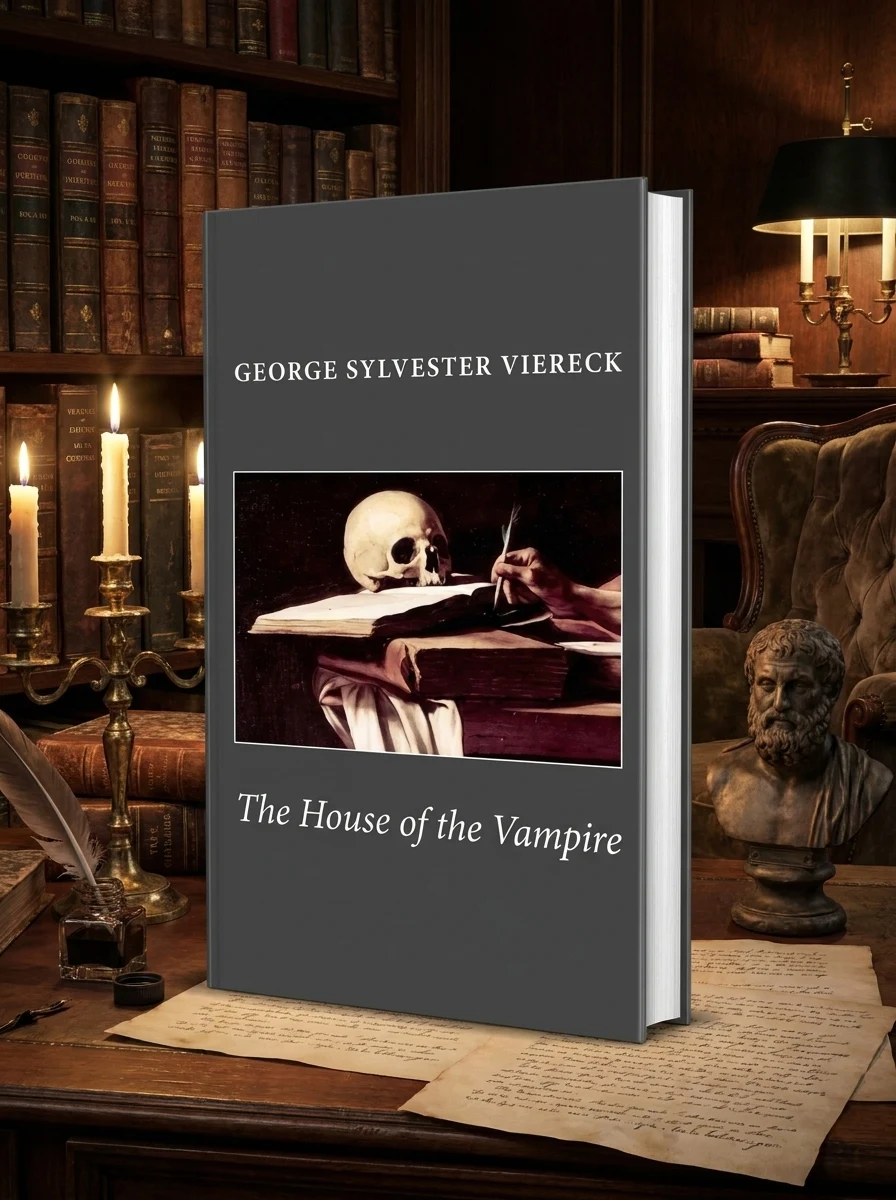
Have a question about this item?
Ask about the edition, condition, delivery or anything else — we reply by email or phone, usually within a day.
