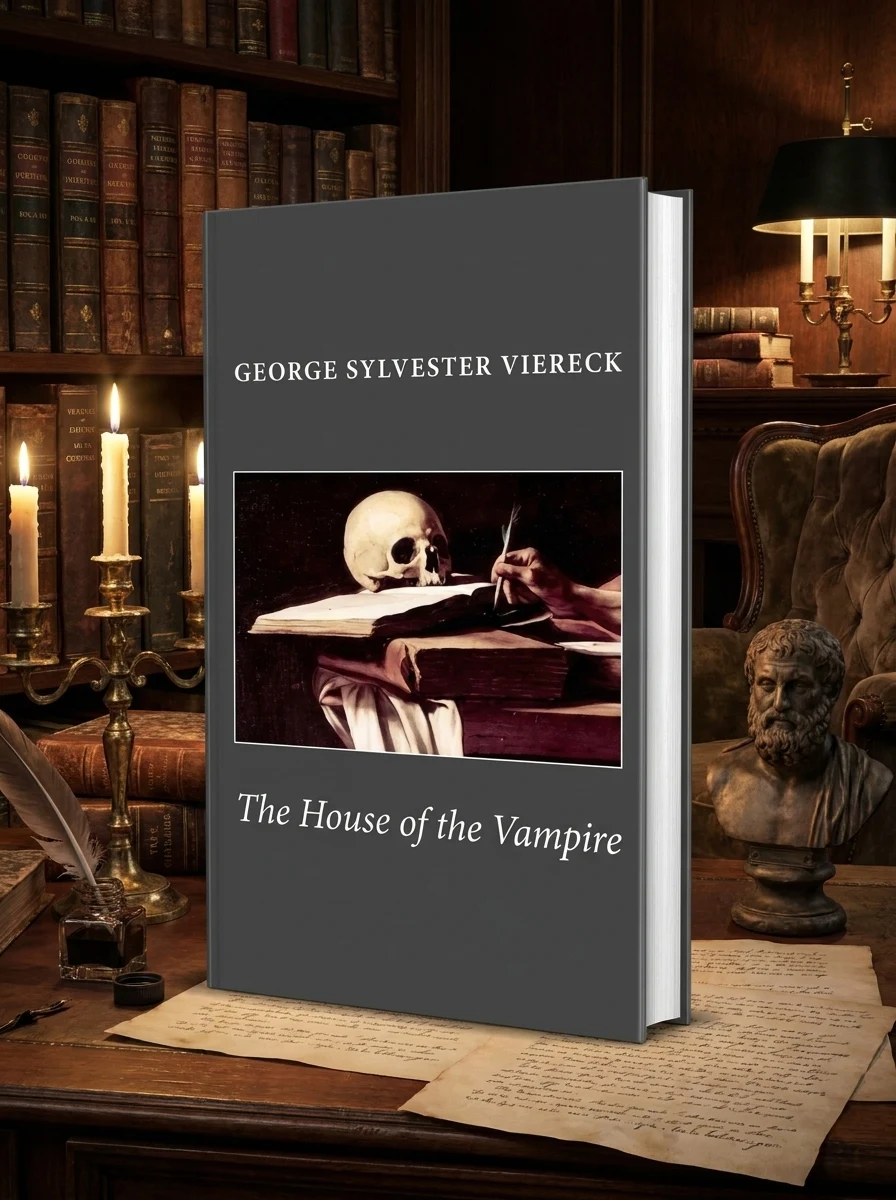
The House of the Vampire
A 1907 novella exploring artistic corruption through a vampire mentor's influence.
Viereck’s work diverges from typical blood-drinking tropes by focusing on the psychological decay of a protégé. The narrative structure follows the young writer’s gradual submission to his older master. This relationship serves as a metaphor for the destructive potential of artistic inspiration. The setting, the House of the Vampire, acts as a crucible for this transformation. Readers will find a story that prioritizes atmosphere and intellectual dread over physical combat. The novella challenges the romanticized view of the vampire by presenting one as a corrupting force in the creative process. It offers a glimpse into early modernist anxieties about influence and originality. The text remains tight and focused on this central conflict.
Published in 1907, this novella sits within the early twentieth-century gothic tradition. It reflects period anxieties about artistic integrity and mentorship. The work predates modern vampire tropes by decades, offering a unique perspective on supernatural fiction from that era.


📝 Description: The House of the Vampire
💎 Our verdict on The House of the Vampire
📖 Why choose it
Why this book is worth reading
Readers interested in the intersection of art and horror will find this novella compelling for its unique exploration of intellectual dread over physical combat. It appeals to those who appreciate early twentieth-century gothic tales that examine the destructive potential of mentorship and creative corruption. The book is ideal for individuals seeking atmospheric tension and psychological complexity rather than traditional monster hunting narratives. By focusing on the subtle erosion of a young writer’s psyche under an enigmatic master, it offers a chilling reflection on the price of genius and blind devotion to authority within the creative process.
⭐ Reader reviews
Reader rating
Viereck crafts a distinct entry in vampire literature that prioritizes atmosphere and psychological tension over gore. The narrative effectively uses the titular house as a crucible for transformation, presenting the vampire not as a romantic figure but as a corrupting force in the artistic process. While it may disappoint readers seeking fast-paced action or conventional horror tropes, it succeeds brilliantly as a tight, focused examination of power dynamics. The work stands out for its intellectual depth and eerie mood, making it a valuable text for scholars and enthusiasts of early modernist anxieties about influence and originality in creative relationships.
📖 Read on the blog
✍️ More books by this author George Sylvester Viereck


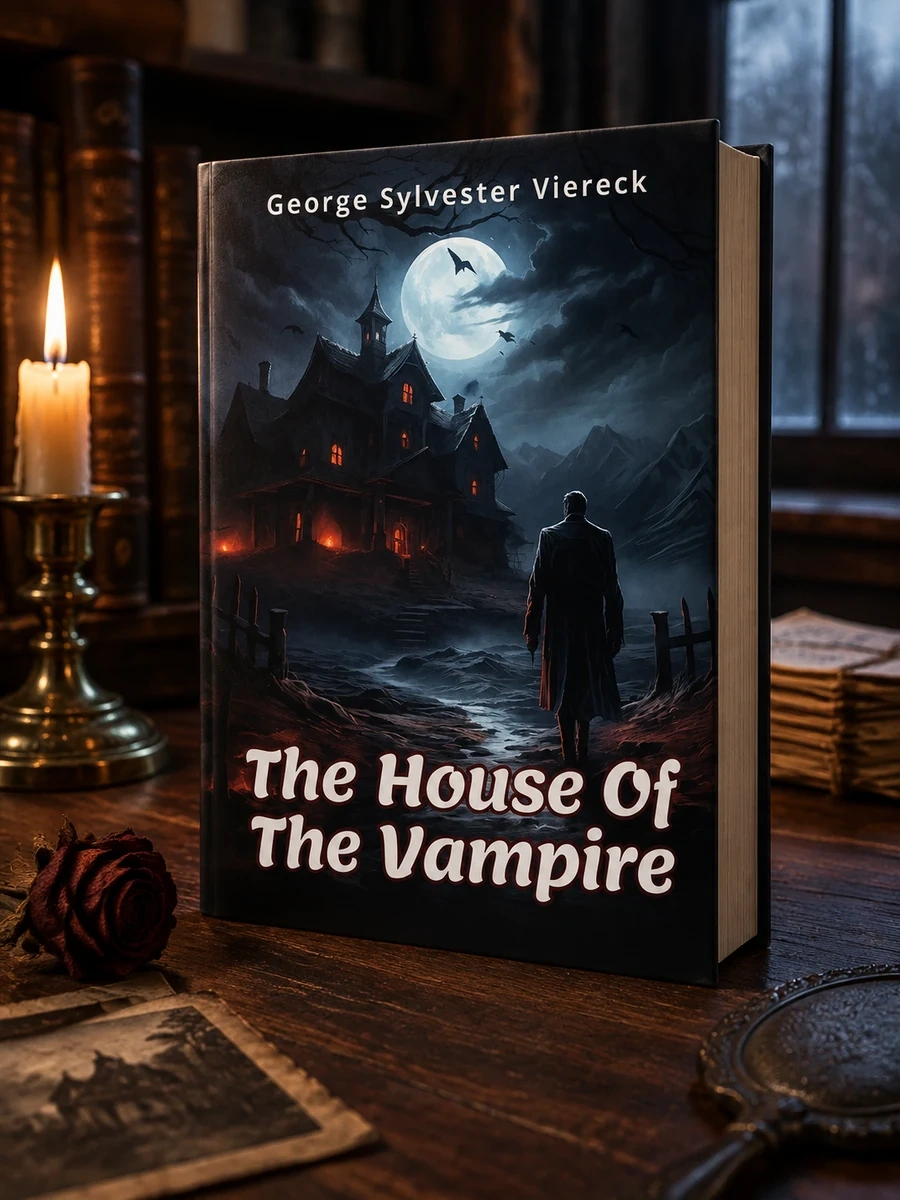
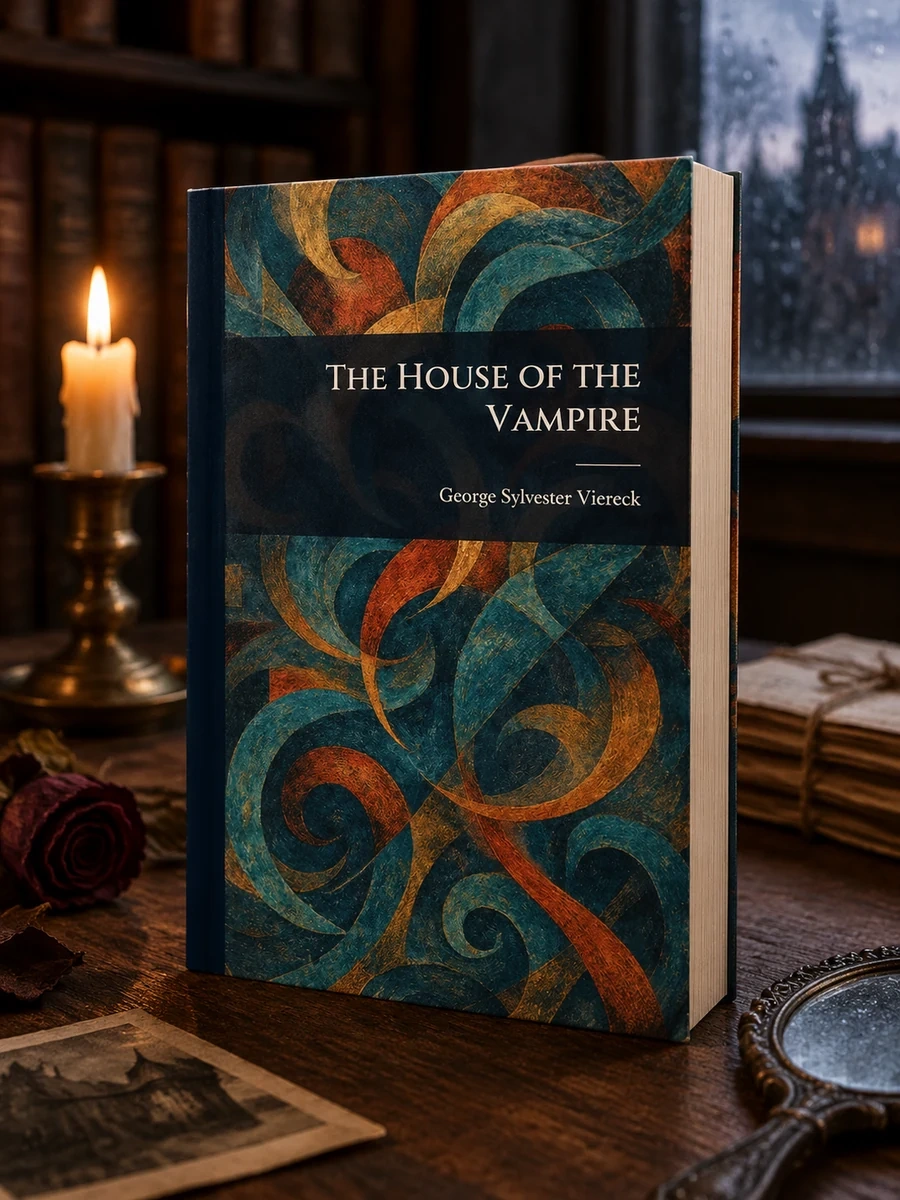
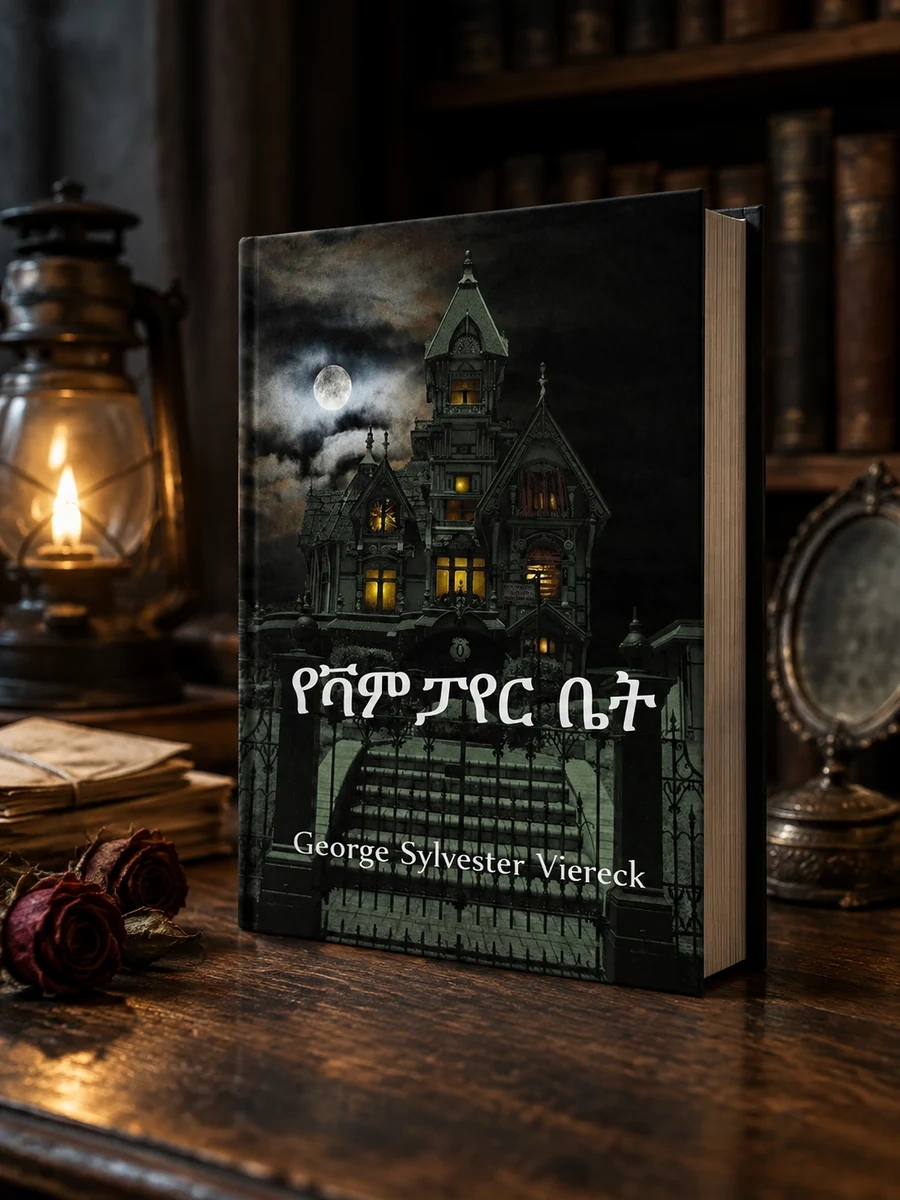
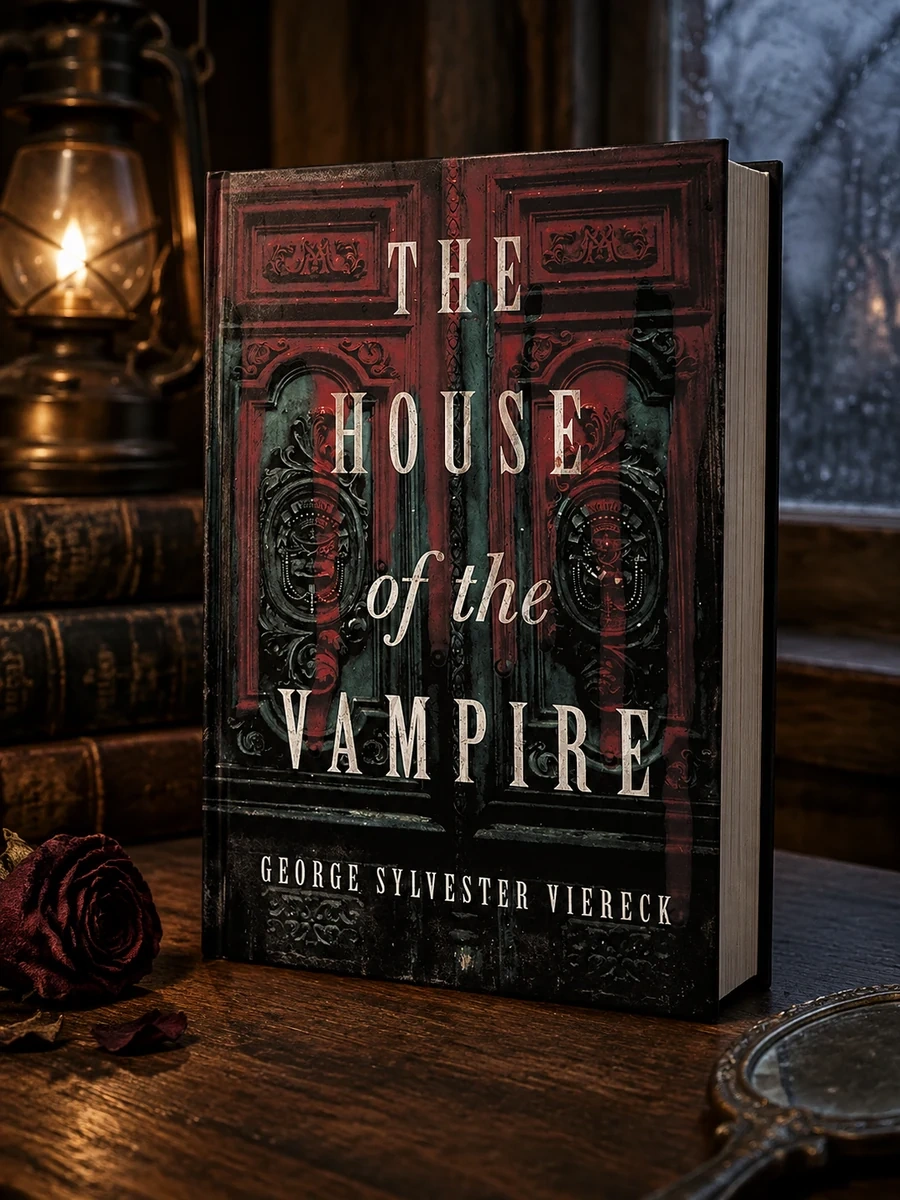
🏛 Books from this publisher Createspace Independent Publishing Platform

You might also like
See more →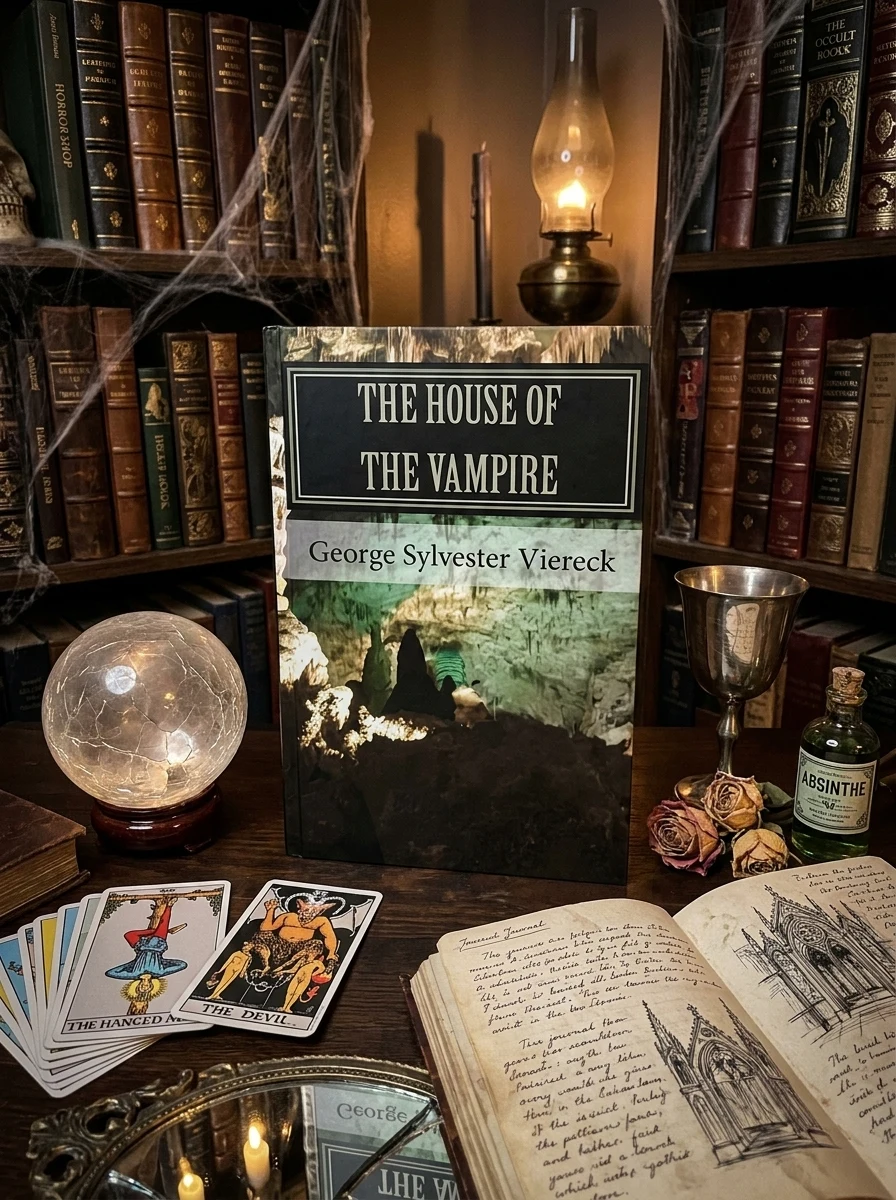

Have a question about this item?
Ask about the edition, condition, delivery or anything else — we reply by email or phone, usually within a day.
