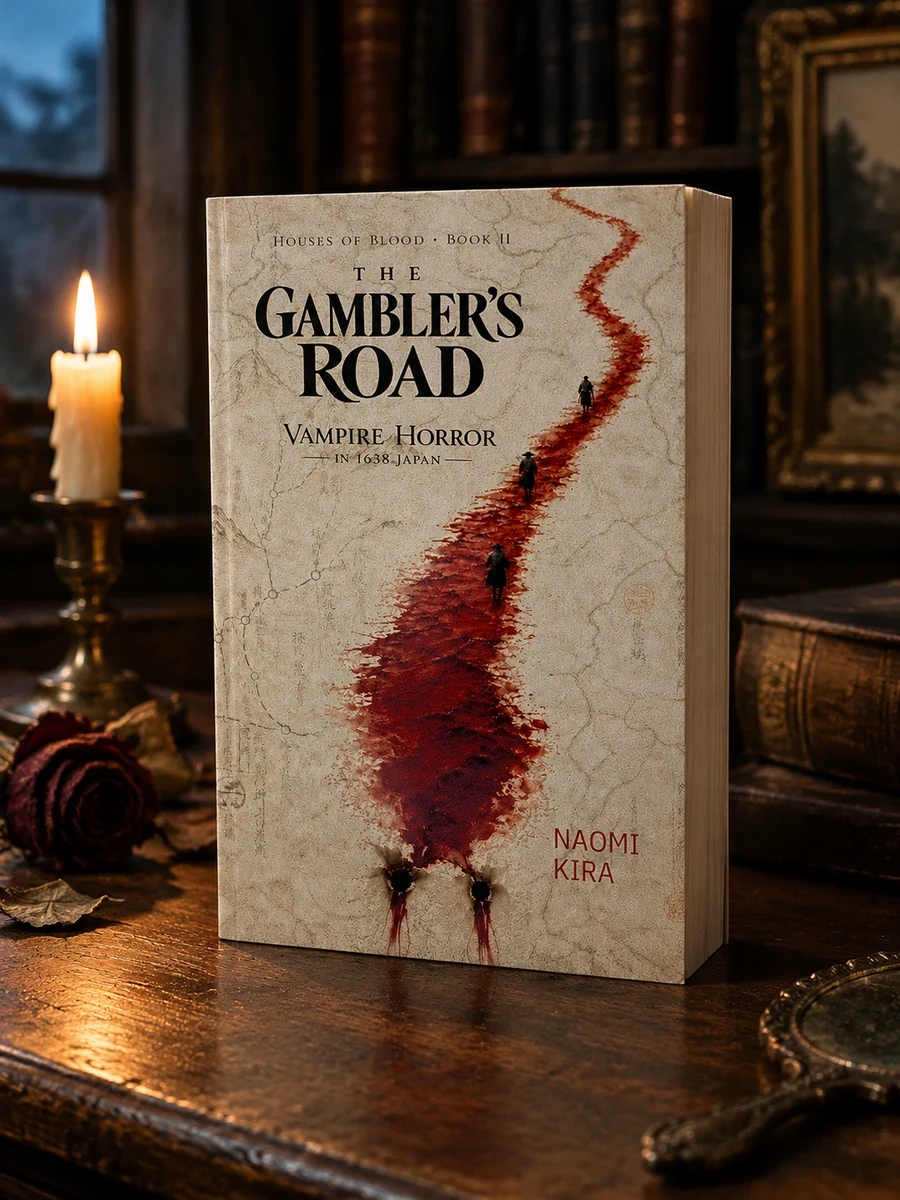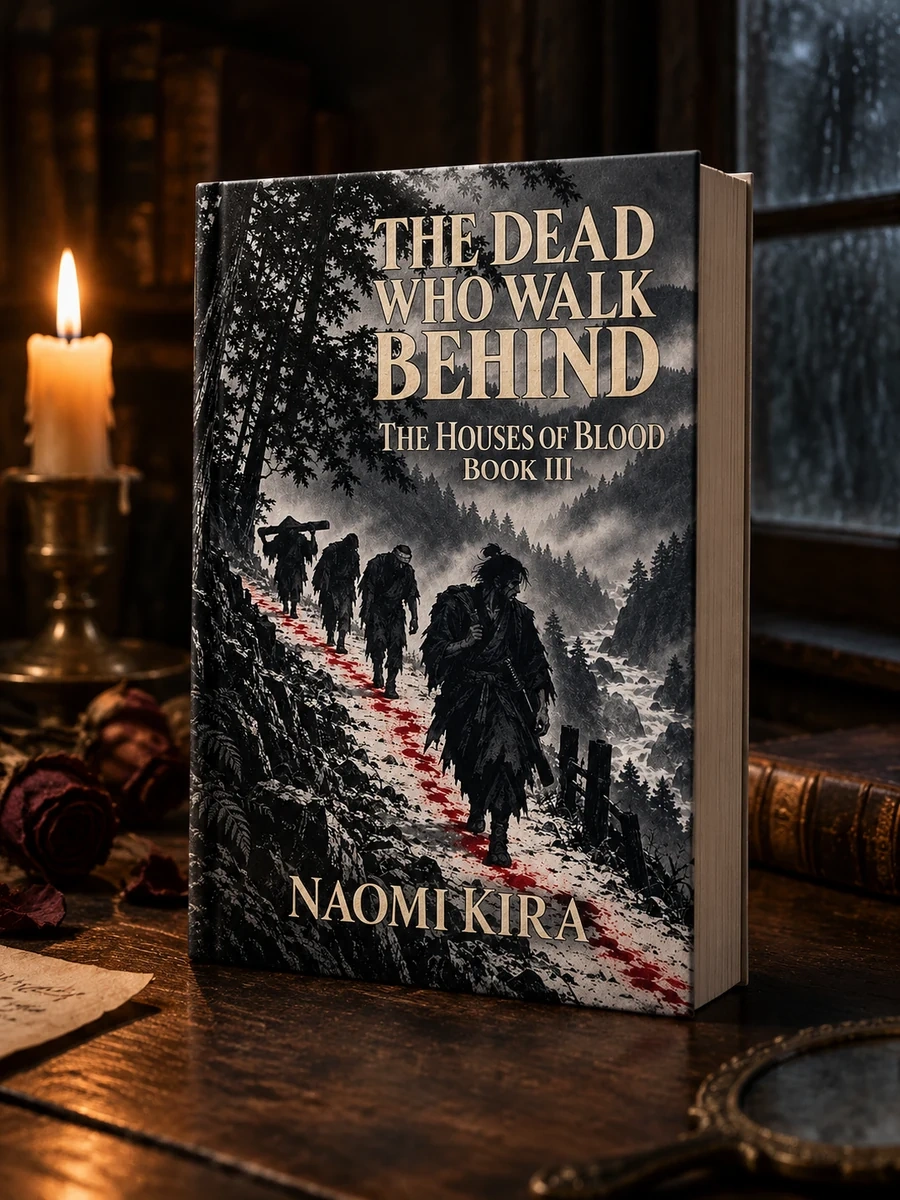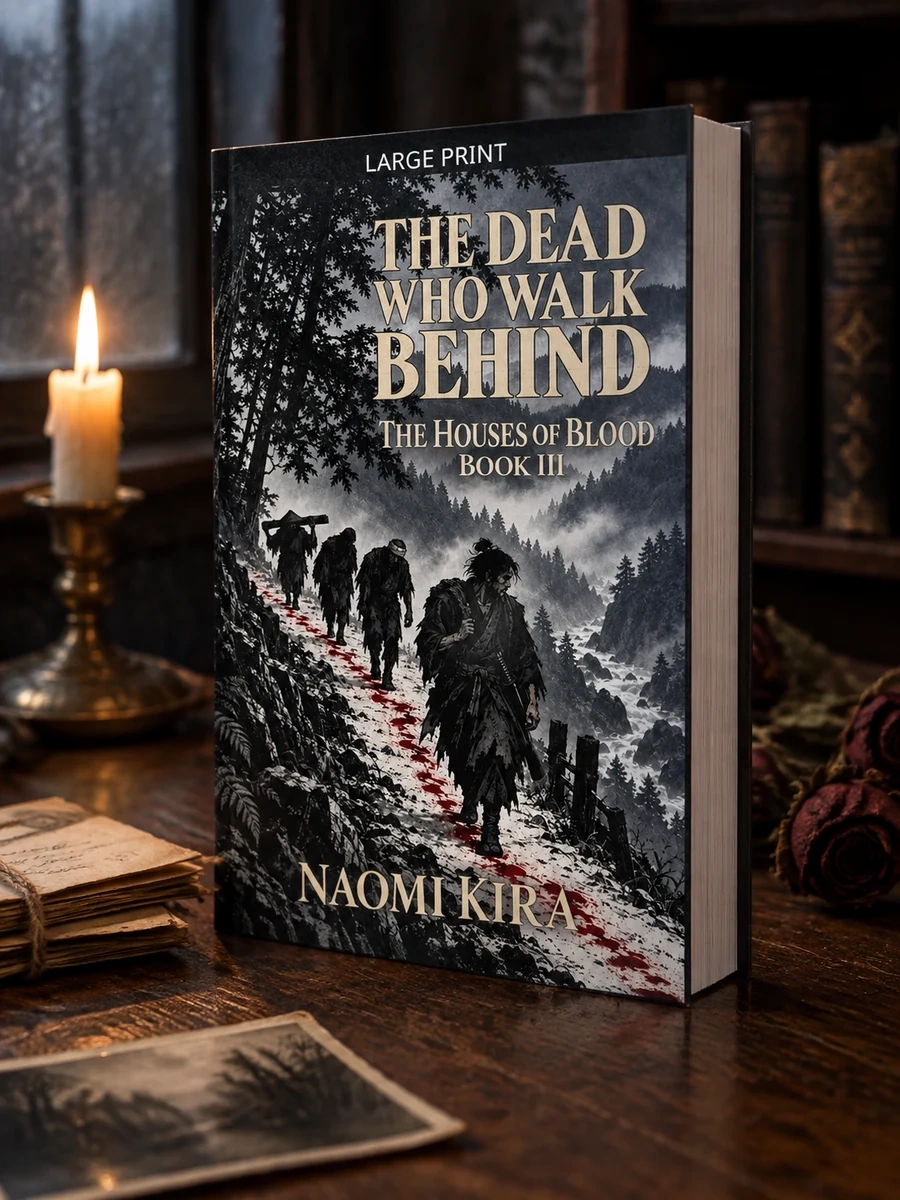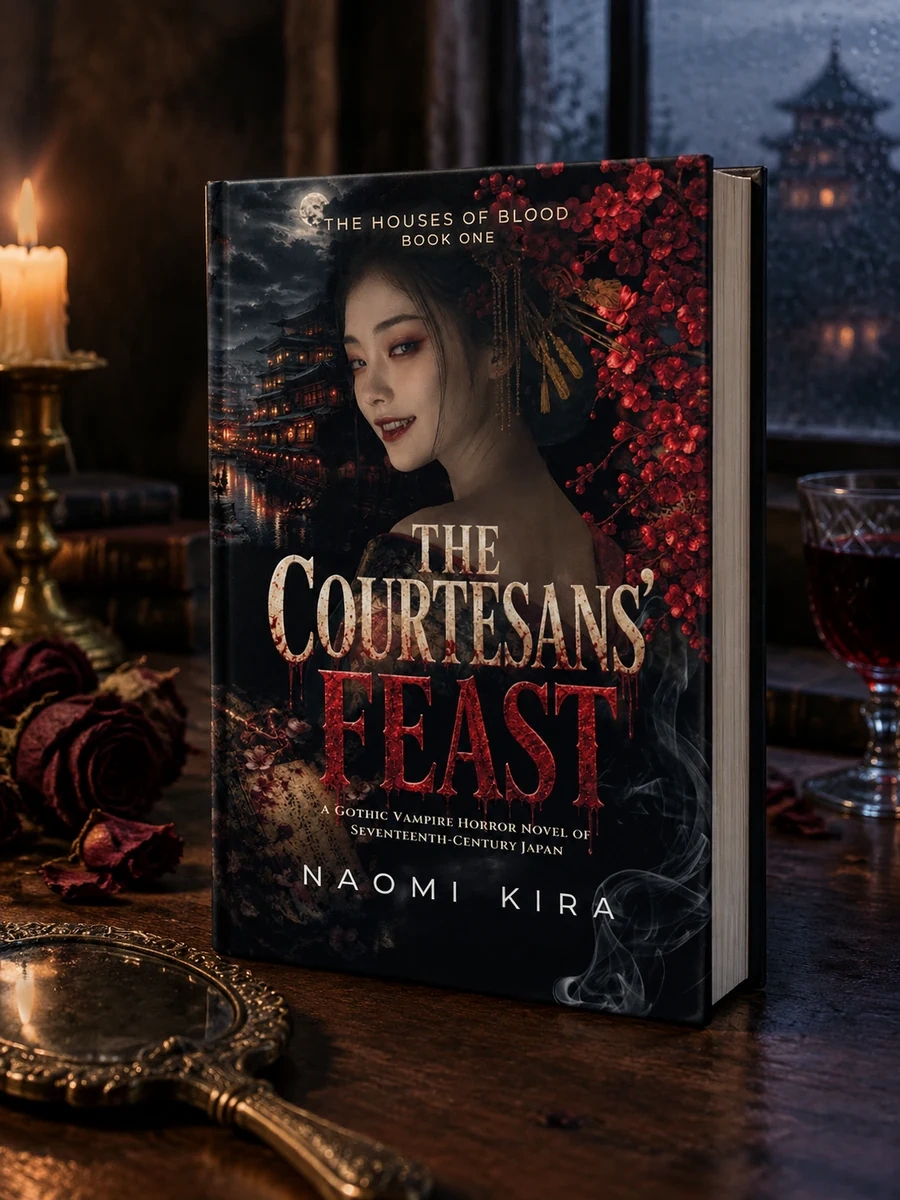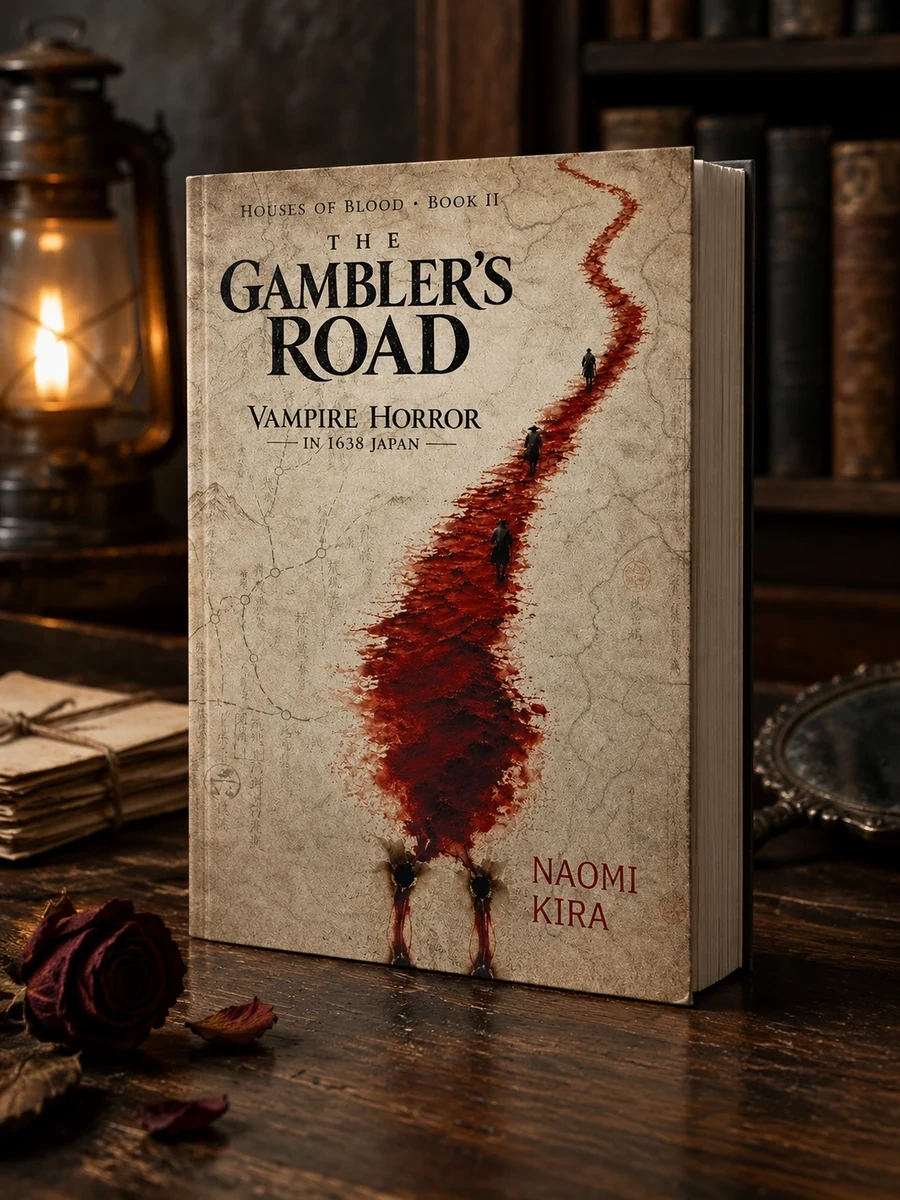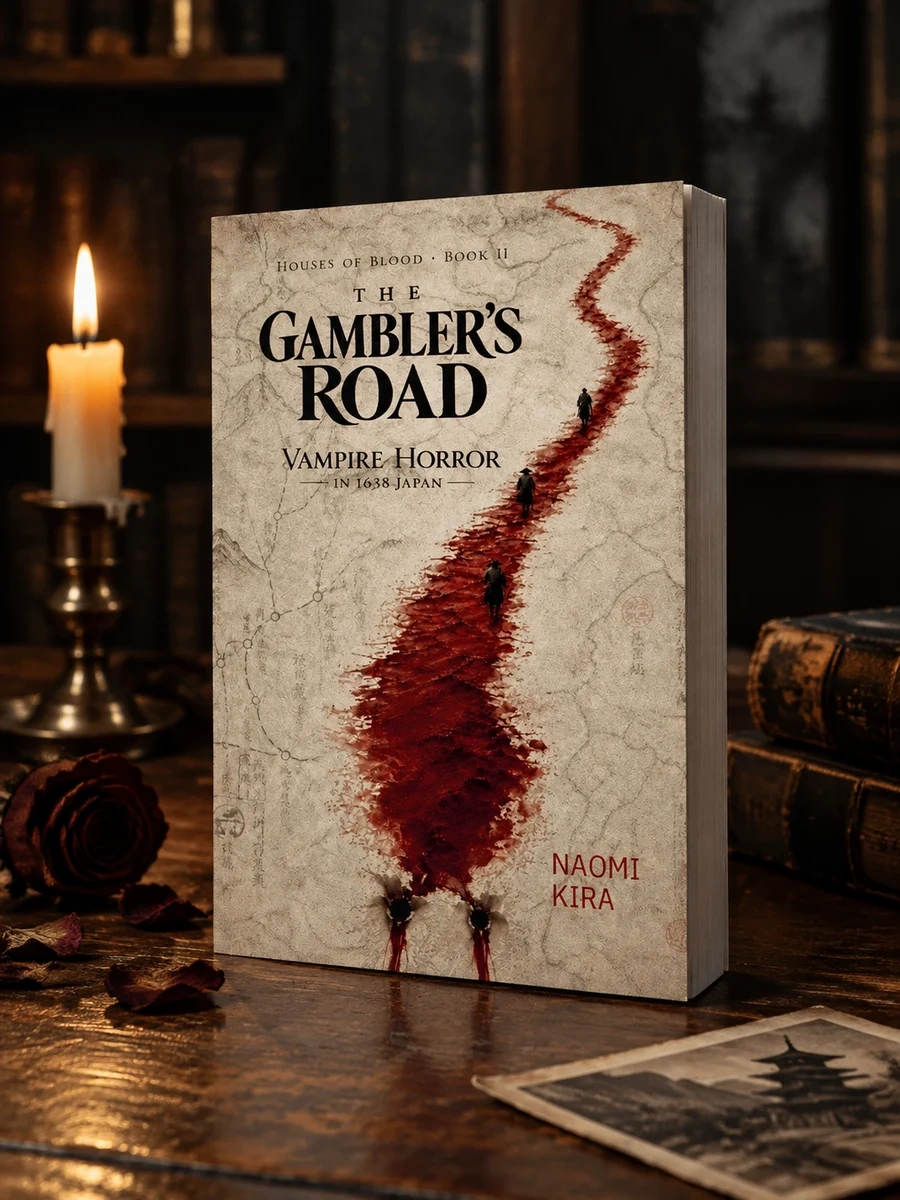
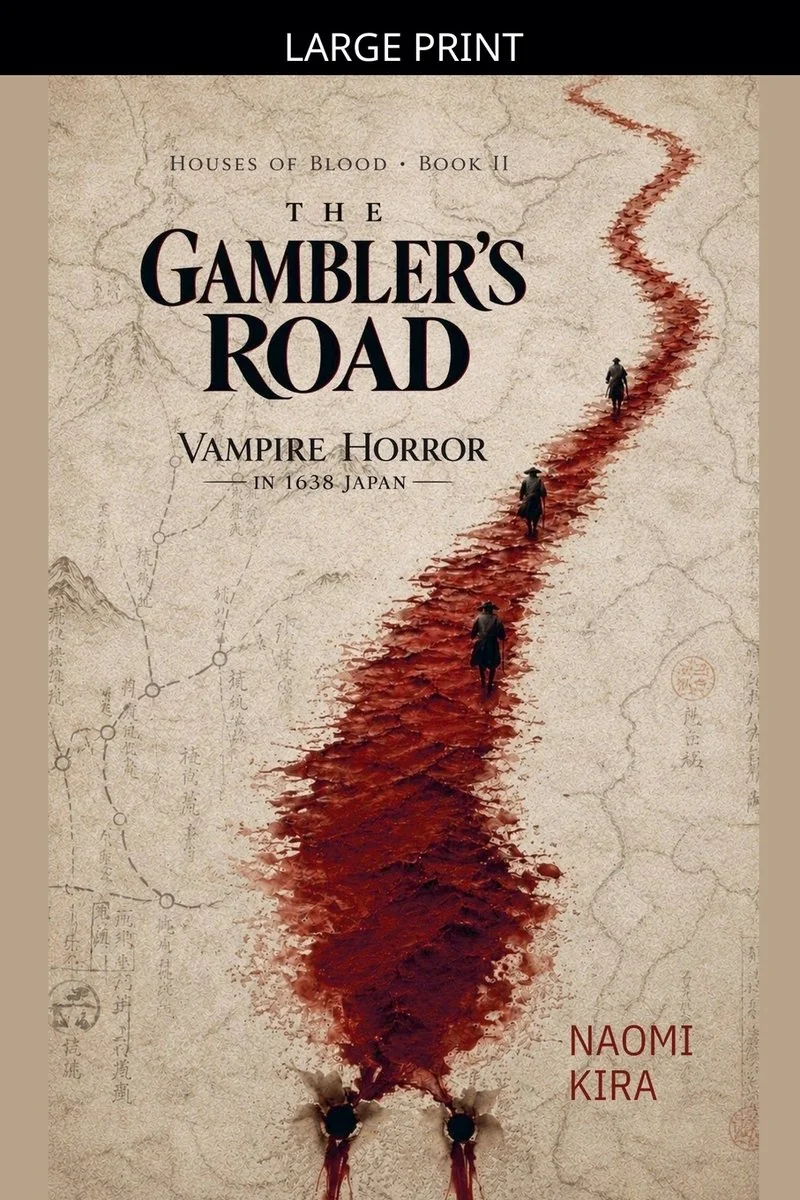
The Gamblers' Road: A Vampire Horror Novel
Three gamblers turn into vampires in 1638 Japan and seek salvation from a mysterious house.
Kira explores the psychological toll of immortality through three friends who must rely on the Sawamura House to survive. The narrative contrasts their desperate need for blood with the investigator Naoto Deshimaru’s relentless pursuit. This dynamic creates a tense atmosphere where safety is never free. The author uses historical details to ground the supernatural elements in reality. The story does not offer easy answers about morality or redemption.
The novel is set in 1638 Japan, drawing on Edo period history and Gothic vampire traditions. It examines the intersection of supernatural fiction with historical reality, focusing on the cultural context of survival and civilization during this specific era.


📝 Description: The Gamblers' Road: A Vampire Horror Novel
💎 Our verdict on The Gamblers' Road: A Vampire Horror Novel
📖 Why choose it
Why this book is worth reading
Readers drawn to atmospheric horror and complex moral dilemmas will find this novel deeply rewarding. It offers a nuanced exploration of the psychological toll of immortality, focusing on the tension between safety and autonomy rather than simple monster hunting. Those who appreciate historical fiction blended with supernatural ethics will enjoy the detailed portrayal of 1638 Japan. The book is ideal for audiences seeking thoughtful examinations of friendship and civilization’s cost. It avoids sensationalism, providing a grounded, tense narrative about survival. Fans of gothic traditions and those interested in the darker aspects of human nature will appreciate its refusal to offer easy answers regarding redemption or morality.
⭐ Reader reviews
Reader rating
Kira delivers a compelling Gothic vampire horror that prioritizes psychological weight over fast-paced action. The narrative effectively contrasts the vampires' desperate need for blood with the investigator's relentless pursuit, creating a tense atmosphere where safety is never free. By drawing on Edo period settings, the author explores themes of hunger and civilization with historical precision. The story succeeds in examining the cost of remaining human without resorting to sensationalism. It suits readers who enjoy intricate moral dilemmas and atmospheric dread. While it may not appeal to those seeking modern supernatural tales or quick thrills, it stands as a strong entry for fans of dark fantasy and true crime aesthetics.