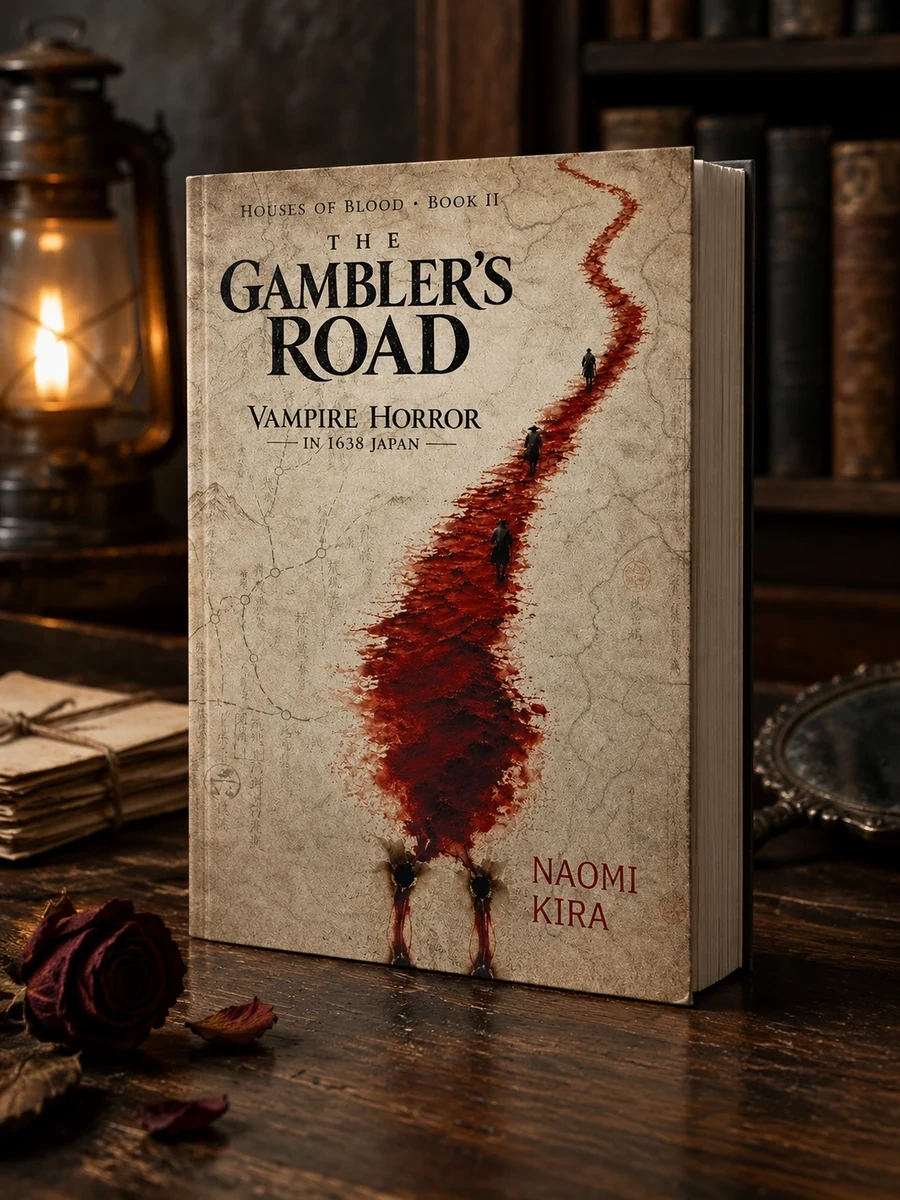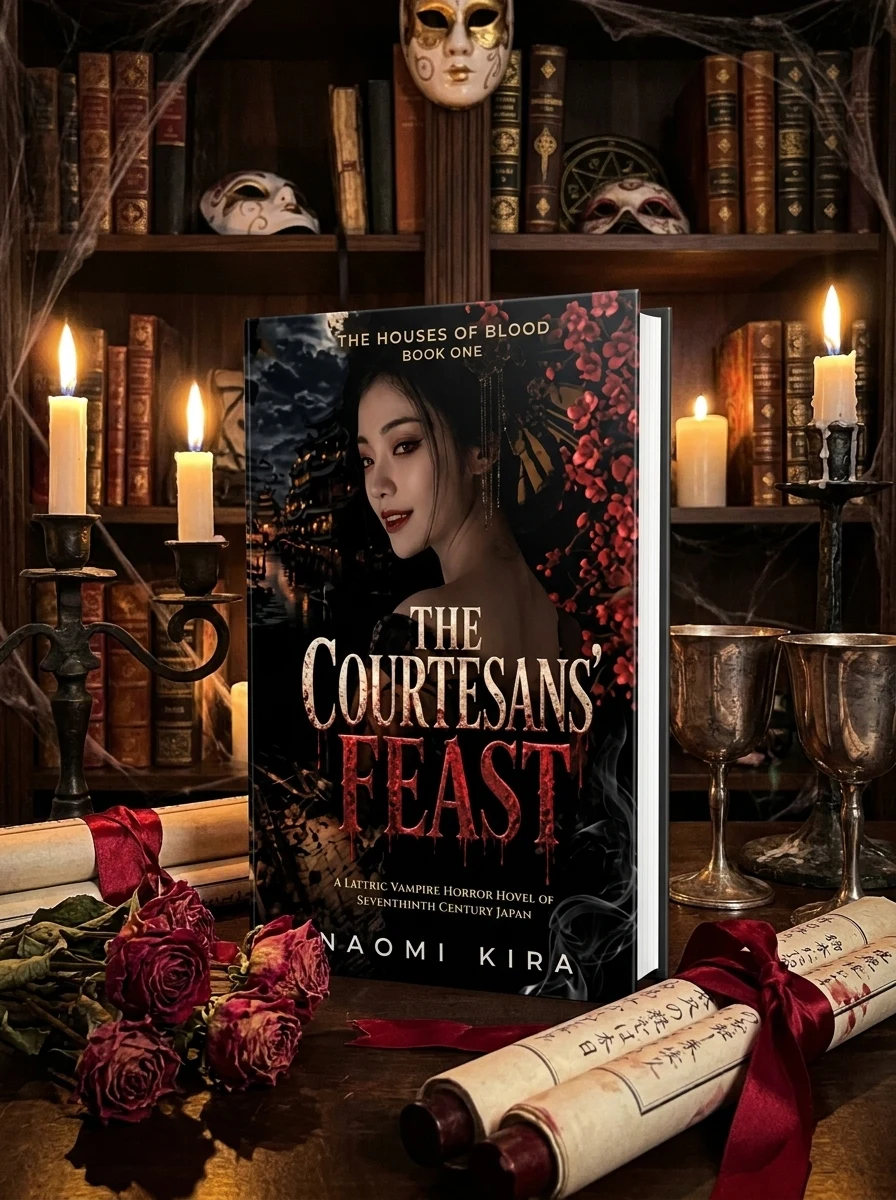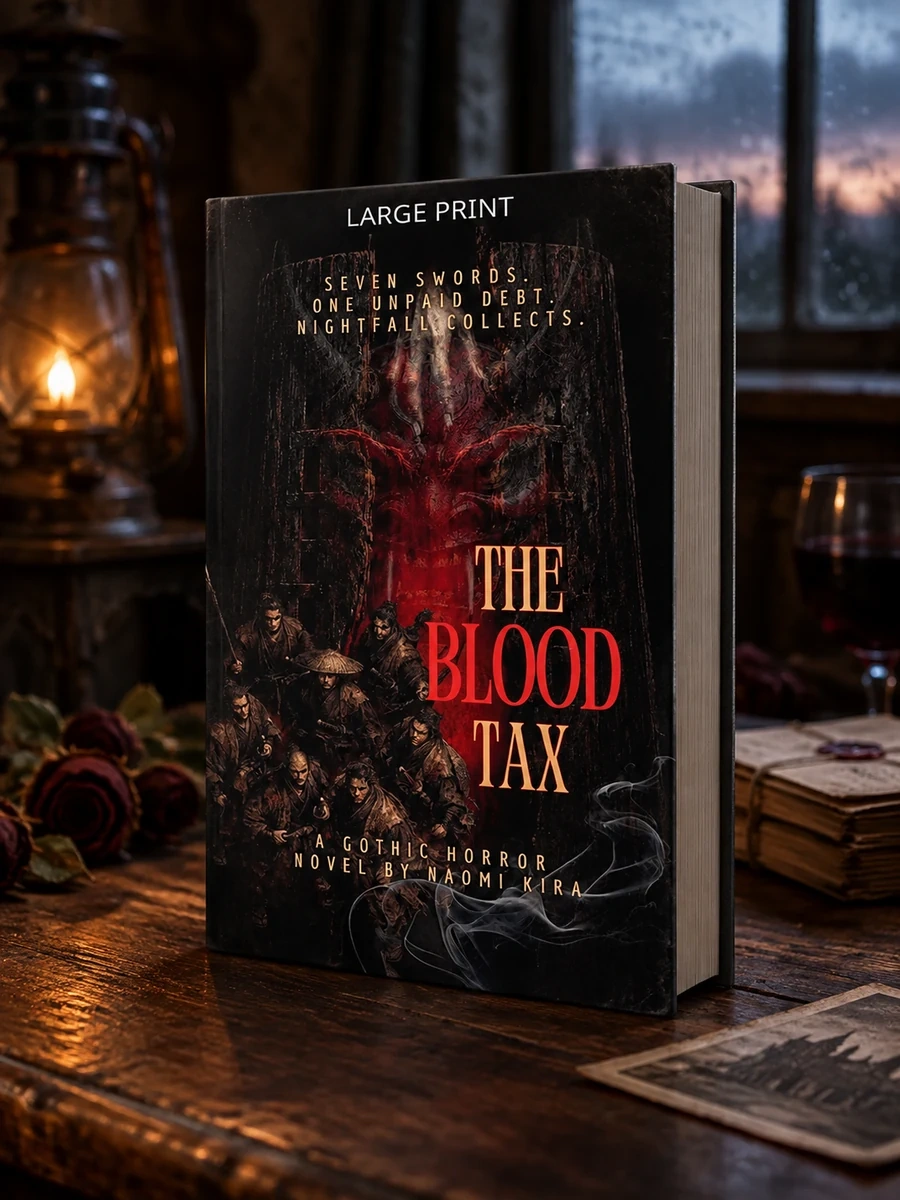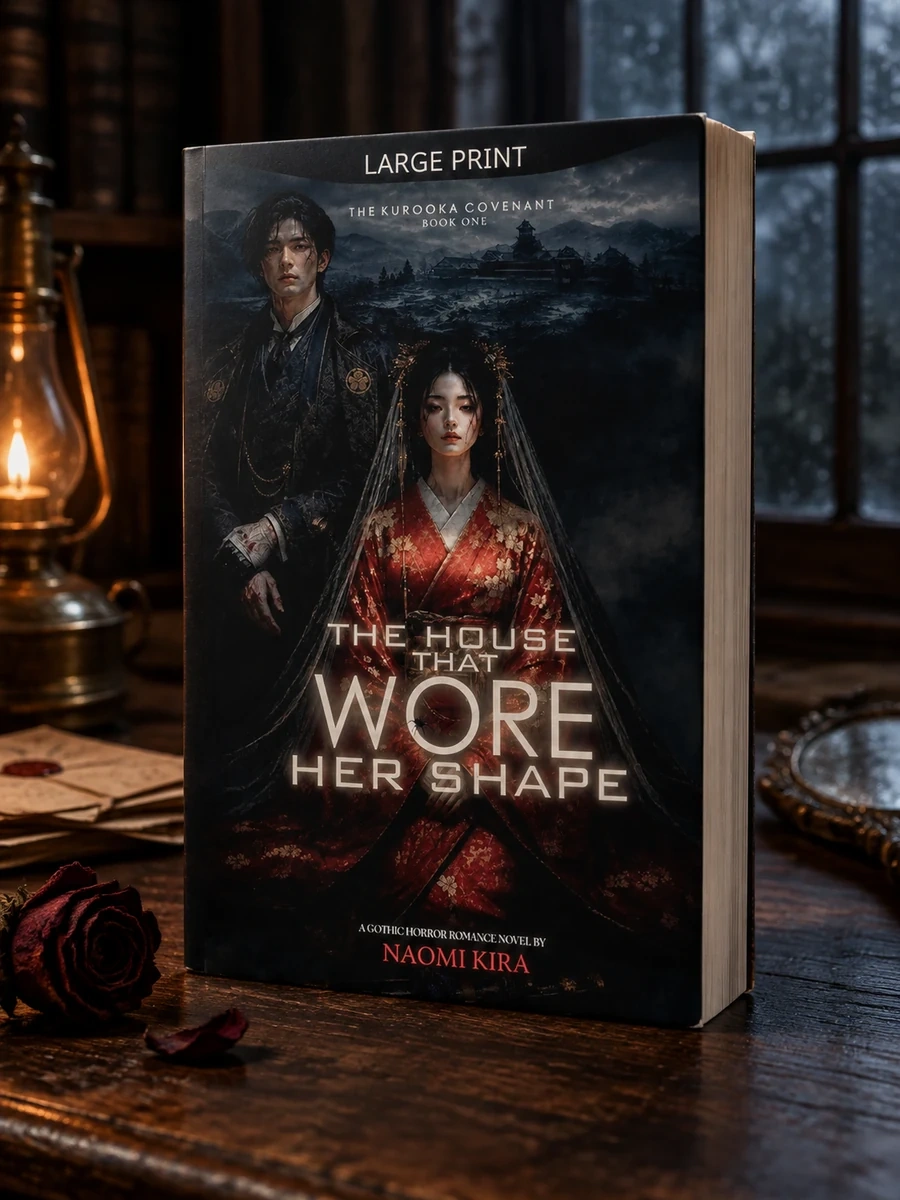
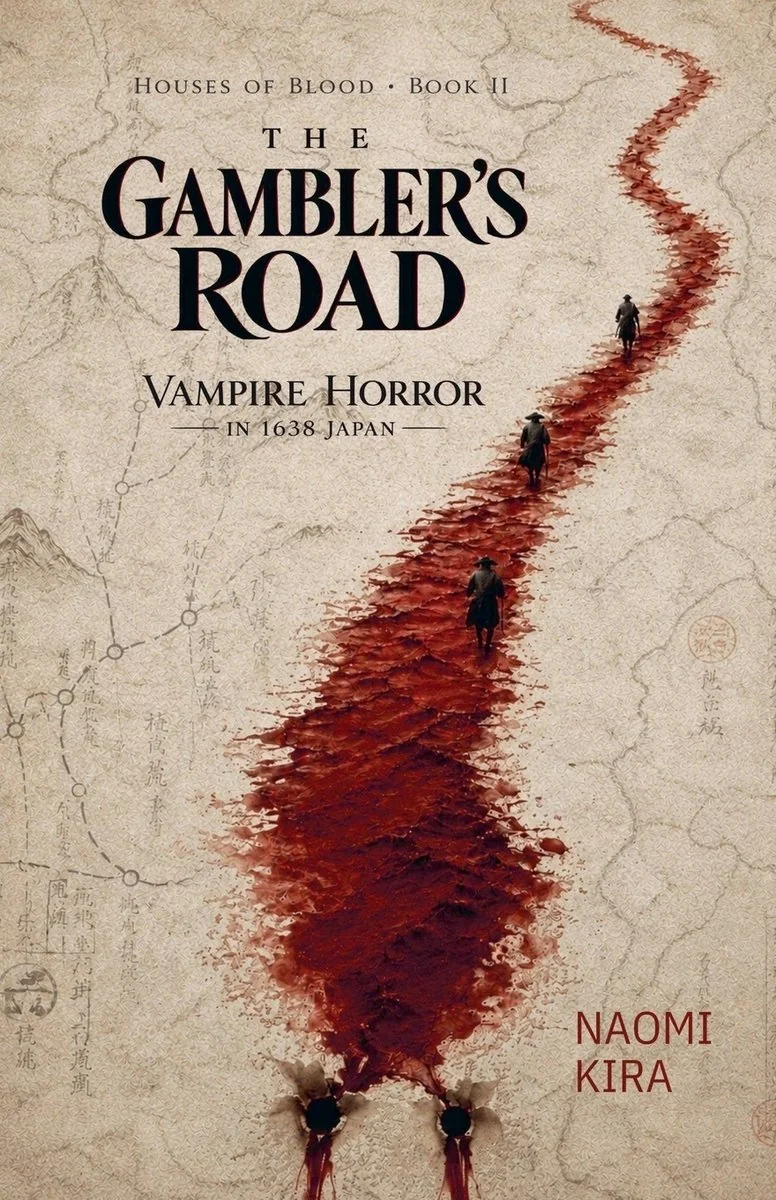
The Gamblers' Road: A Vampire Horror Novel
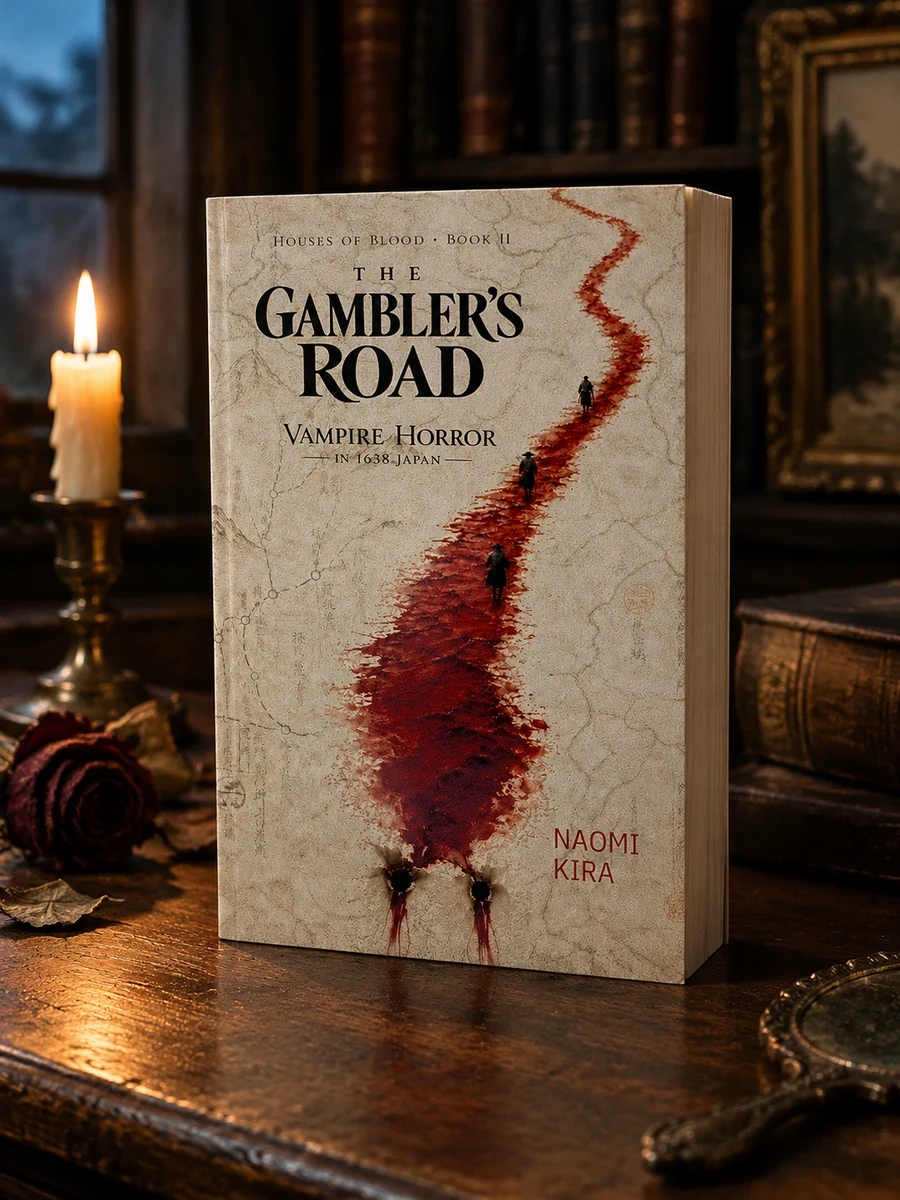
Three vampire gamblers seek survival in 1638 Japan while being hunted by an investigator.
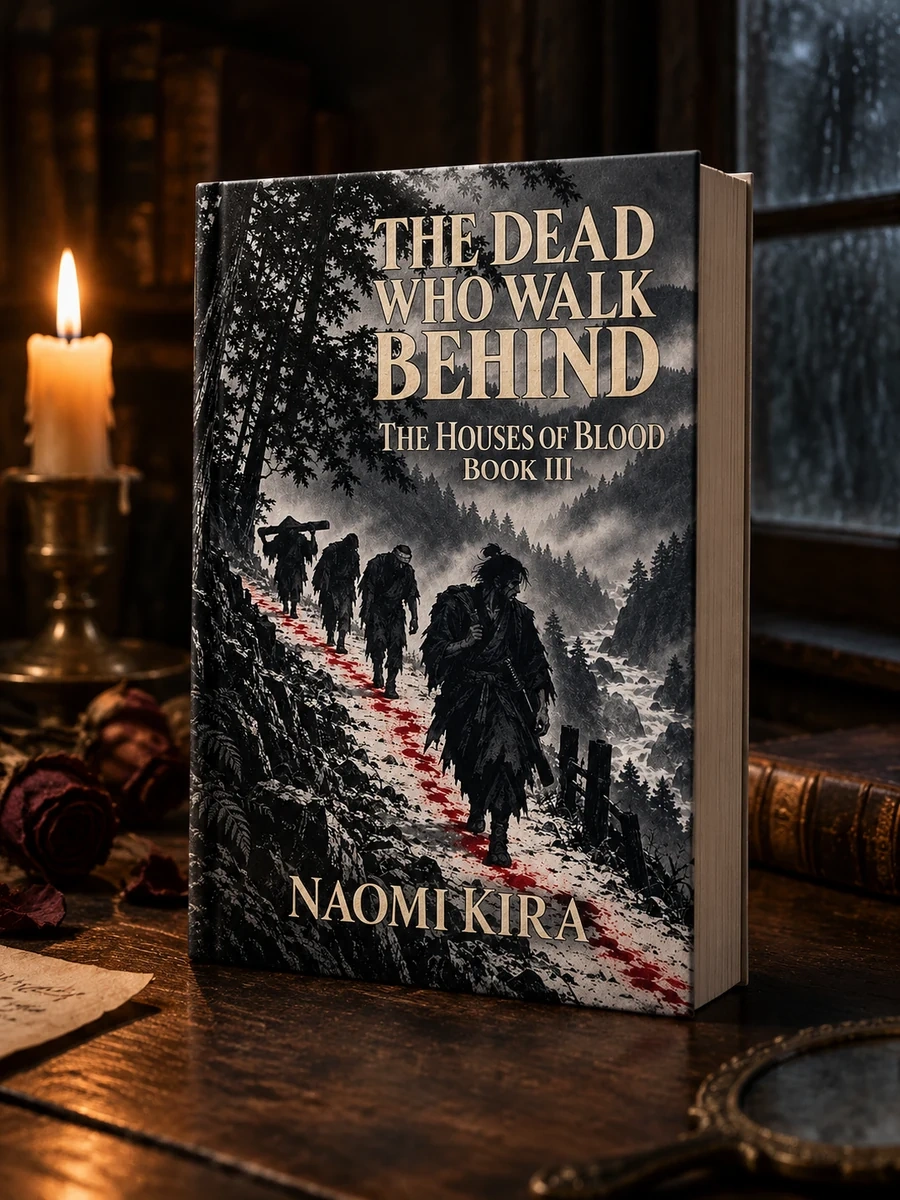
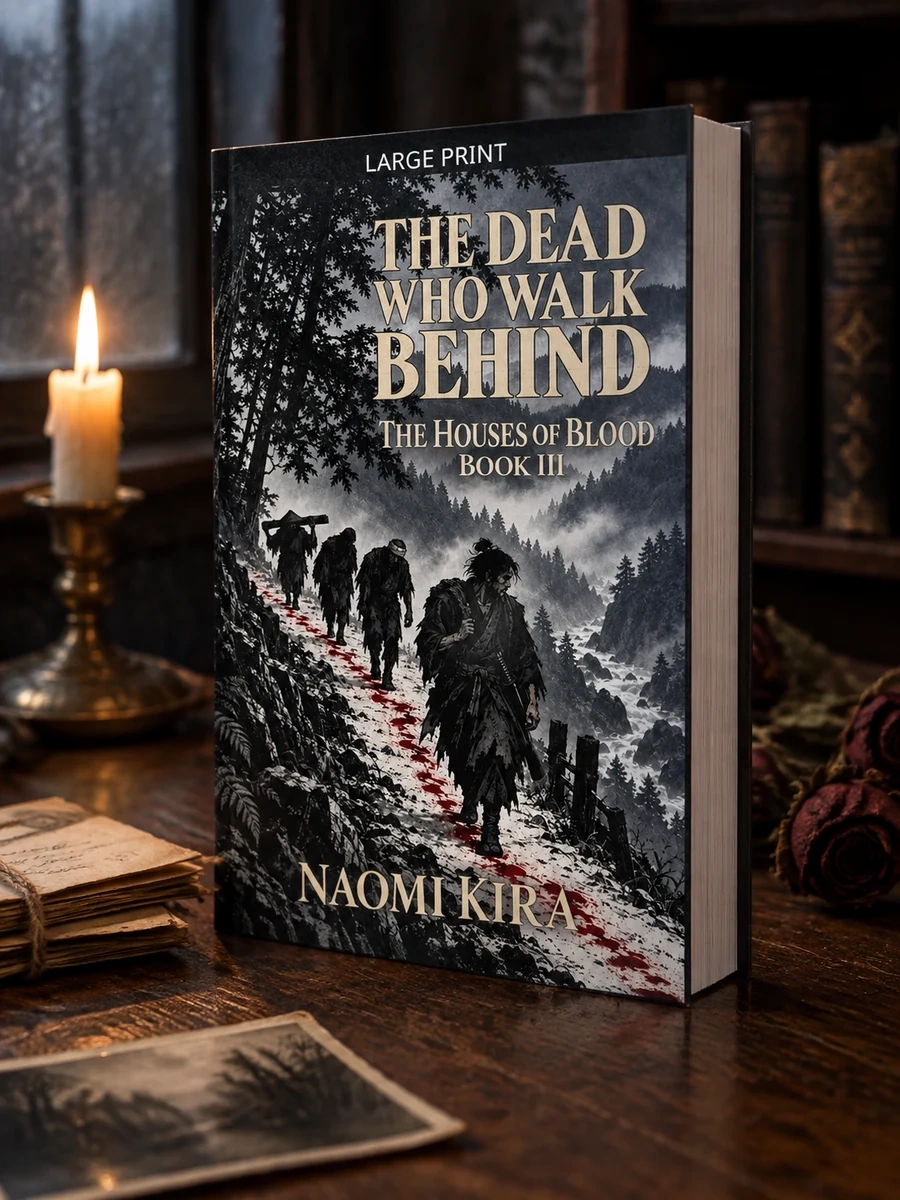
The novel focuses on the precarious existence of three newly turned vampires navigating a hostile world. They rely on the Sawamura House for resources like medicine and credit, yet face the constant threat of exposure. Investigator Naoto Deshimaru pursues them through a landscape marked by contradictions and blood. The narrative explores how these men balance their hunger against their humanity. Kira uses the historical context of 1638 Japan to ground the supernatural elements in tangible reality. The story does not offer easy answers about morality or survival. It presents a grim view of friendship tested by predatory instincts.
This work is set in 1638 Japan during the Edo period. It draws on historical traditions of vampire lore and feudal social structures. The setting provides a backdrop for exploring themes of isolation and community within a rigid societal framework.


📝 Description: The Gamblers' Road: A Vampire Horror Novel
💎 Our verdict on The Gamblers' Road: A Vampire Horror Novel
📖 Why choose it
Why this book is worth reading
Readers who appreciate historical supernatural fiction will find this narrative compelling due to its unique setting and complex moral dilemmas. The story offers a grim, unflinching look at friendship tested by predatory instincts, making it ideal for those interested in the psychological weight of immortality. It appeals to audiences seeking tension and transformation without the comfort of easy answers or lighthearted horror. Fans of gothic atmospheres will enjoy the exploration of how survival requires becoming predators while maintaining humanity. The pursuit element adds a layer of suspense that complements the internal struggle, providing a rich experience for those who enjoy dark fantasy and true crime aesthetics within a historical framework.
⭐ Reader reviews
Reader rating
Naomi Kira delivers a tense atmospheric journey through 1638 Japan, effectively blending gothic vampire horror with historical fiction. The narrative excels in depicting the precarious balance between hunger and humanity, grounded by the specific constraints of the Sawamura House. Kira’s use of Edo period traditions creates a vivid sense of place that enhances the supernatural elements rather than overshadowing them. The dynamic between the hunted vampires and the pursuing investigator Naoto Deshimaru drives the plot with consistent urgency. This work suits readers who enjoy complex moral dilemmas and psychological horror over action-driven plots. It is a sophisticated entry in the subgenre, offering a grim but intellectually stimulating examination of survival and friendship under extreme duress.