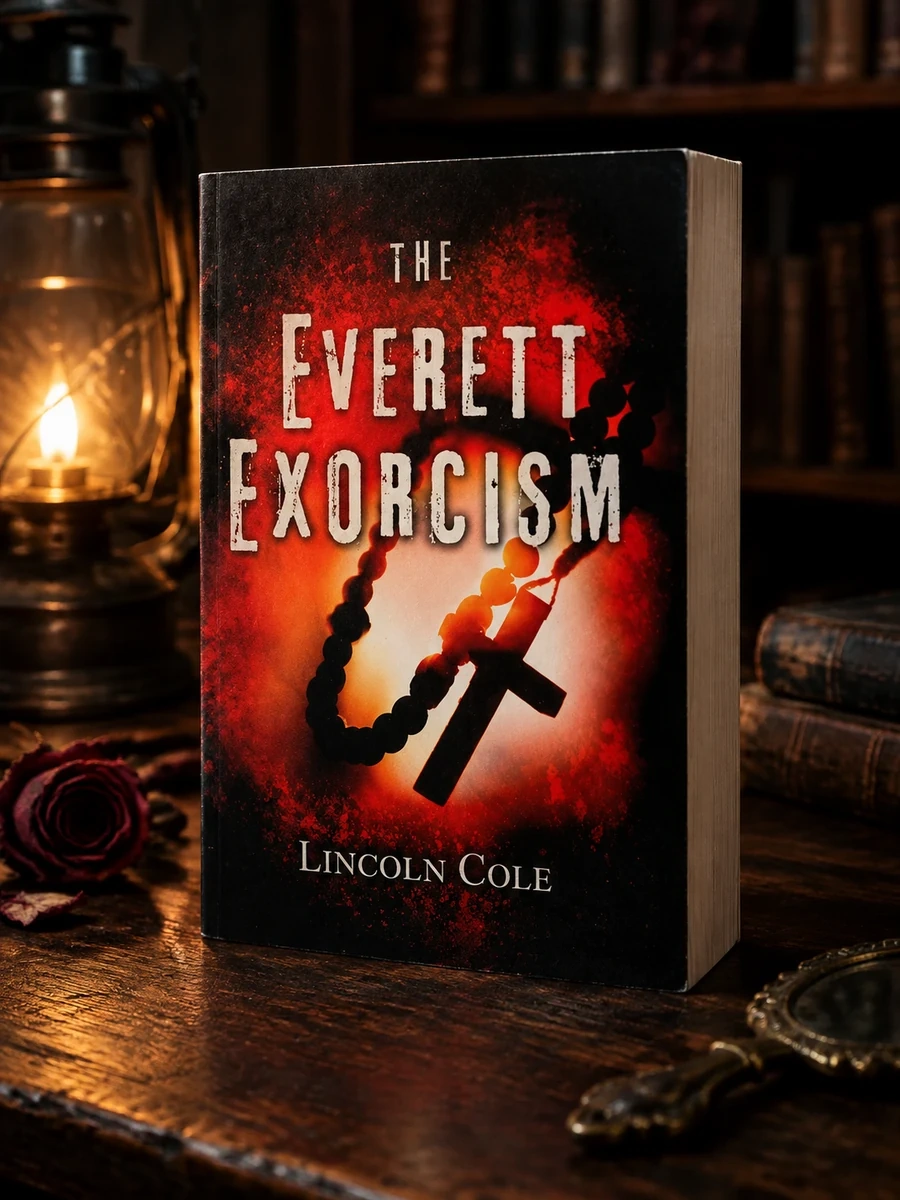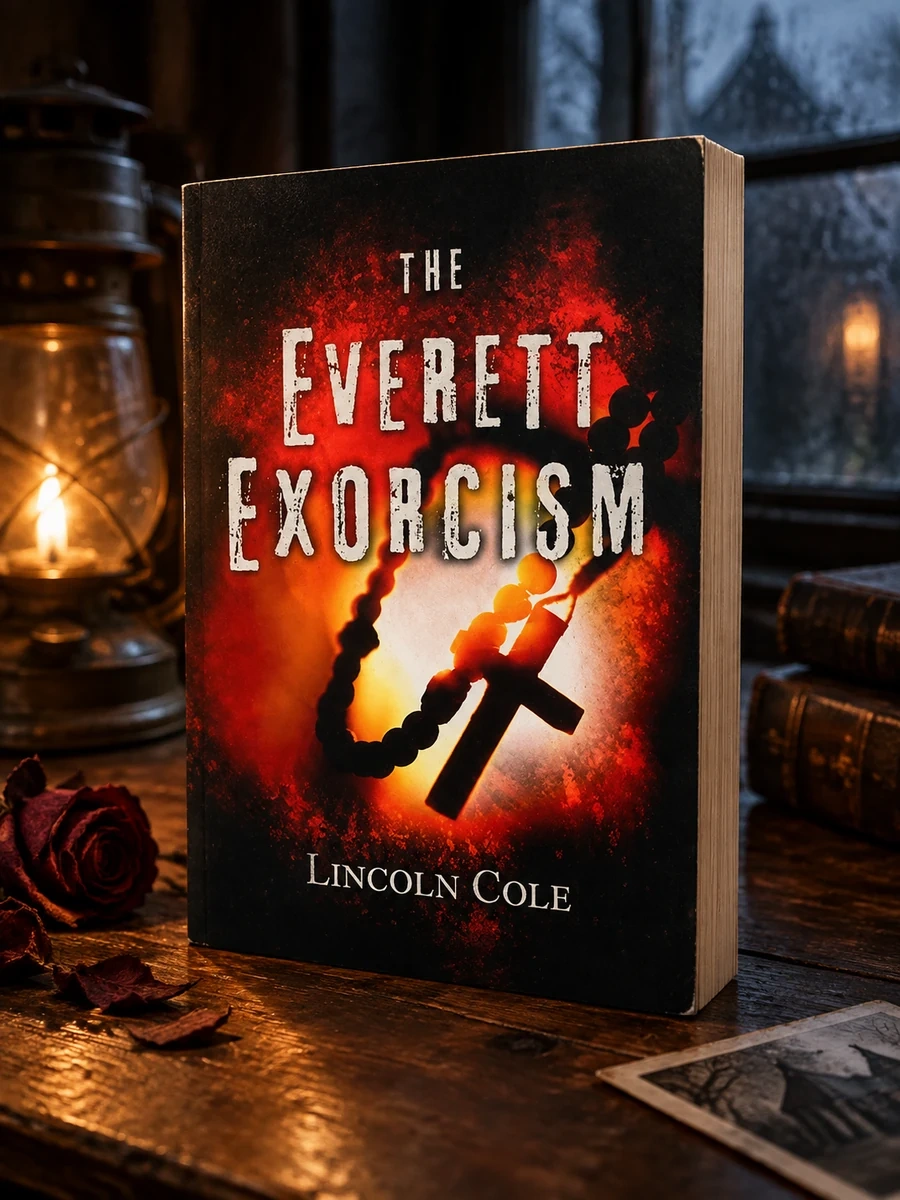

The Everett Exorcism
A priest investigates demonic activity in Washington that spirals beyond his control.
The narrative follows Father Niccolo Paladina as he responds to unusual events in Everett, Washington. His initial task involves assessing possible demonic influence, but the situation quickly becomes unpredictable. Cole structures the plot around the priest’s loss of authority and the unraveling of his understanding of the phenomena. The story emphasizes the disorientation caused by supernatural interference in a mundane setting. It avoids traditional horror tropes in favor of a more grounded, yet unsettling, progression of events. The text does not offer solutions or resolutions but rather immerses the reader in the escalating confusion. This approach suits those who prefer psychological unease over jump scares. The work reflects contemporary concerns about faith in secular environments without preaching or moralizing.
Published in 2017 by LC Publishing, this book sits within the modern American horror tradition. It reflects contemporary anxieties about supernatural forces encroaching on everyday life. The setting in Everett, Washington, grounds the story in a specific regional context familiar to US readers.


📝 Description: The Everett Exorcism
💎 Our verdict on The Everett Exorcism
📖 Why choose it
Why this book is worth reading
This title is ideal for readers who prefer psychological unease and atmospheric dread over traditional jump scares or graphic spectacle. It appeals to those interested in the disintegration of faith and reason when faced with the unknown, offering a grounded yet unsettling exploration of demonic activity in a modern context. The book suits fans of gothic atmosphere blended with contemporary urban legends, providing an intense, character-driven experience that immerses the reader in escalating confusion without offering easy resolutions or moralizing lessons.
⭐ Reader reviews
Reader rating
Lincoln Cole delivers a focused and intense entry into religious horror by prioritizing psychological tension over conventional exorcism tropes. The narrative effectively captures the disorientation of supernatural interference within a mundane setting, maintaining momentum through concise prose and avoiding unnecessary exposition. By emphasizing the protagonist's loss of authority and the unraveling of his understanding, Cole creates a compelling study of spiritual crisis. This work is best suited for enthusiasts of atmospheric horror who appreciate subtle tonal shifts and complex explorations of faith in secular environments, rather than those seeking straightforward manuals or historical accounts.