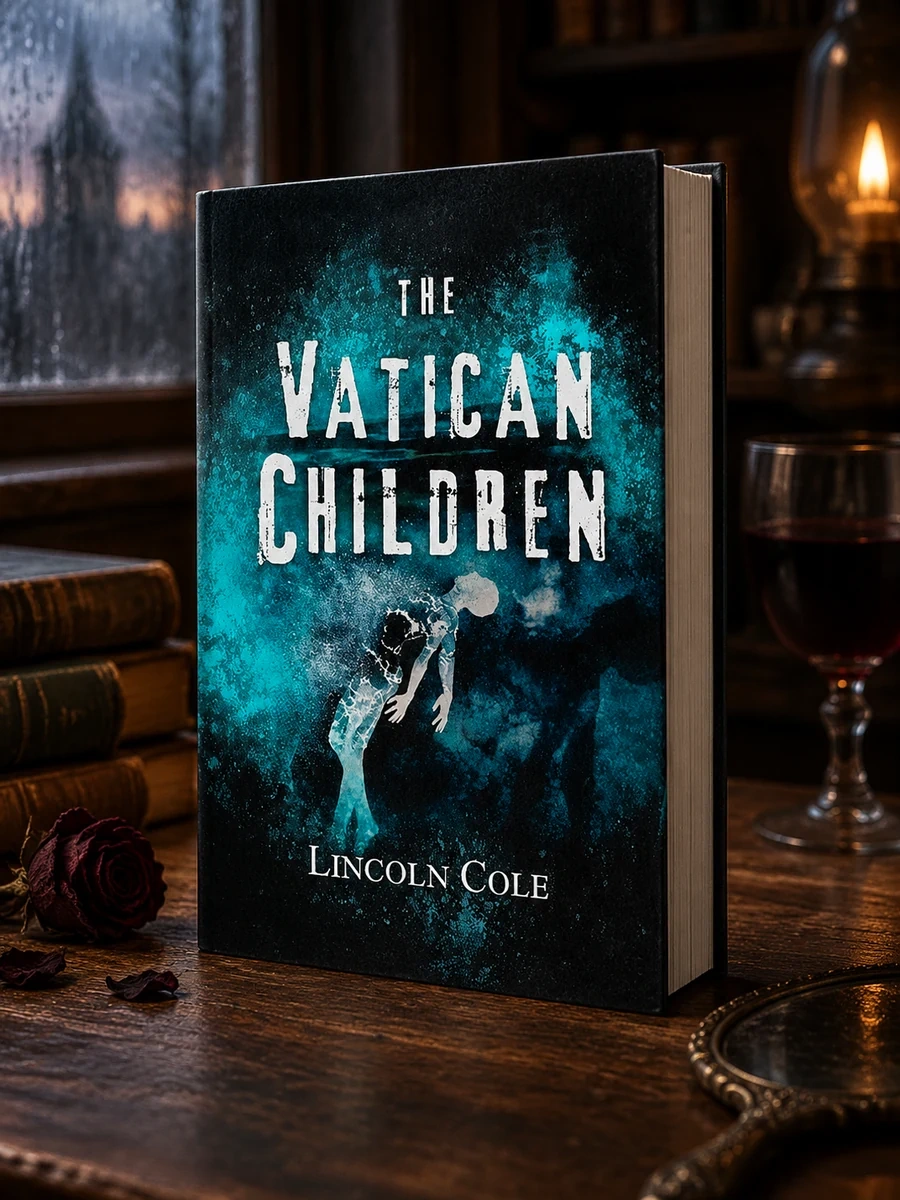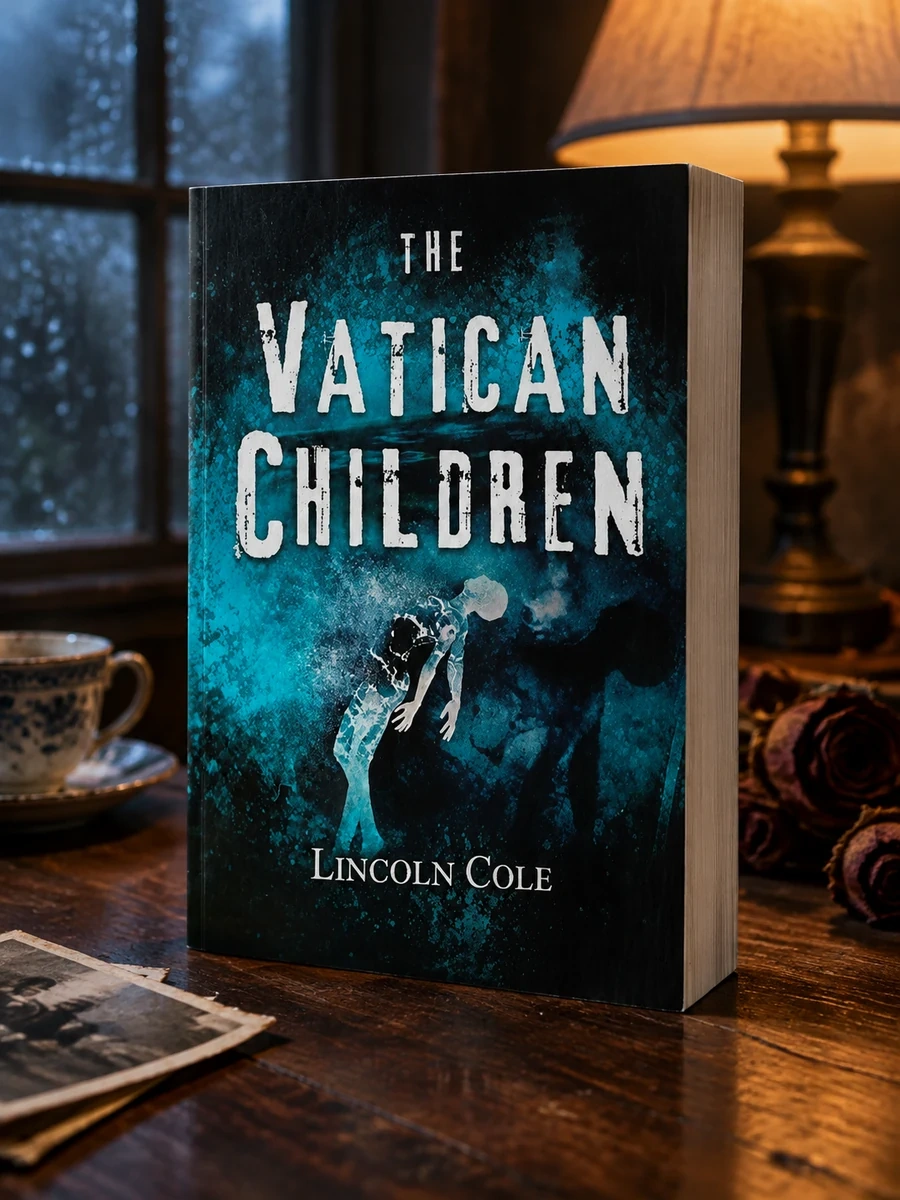

The Vatican Children
Father Niccolo Paladina hunts an enemy after events in Everett, Washington.
This volume by Lincoln Cole follows Father Niccolo Paladina as he leaves his post to pursue justice for crimes committed against the faith. The narrative stems from events in Everett, Washington, where Paladina uncovers a threat that demands action. He chooses to assist in hunting down the enemy rather than remaining passive. The story explores the weight of religious dedication when faced with direct danger. Cole portrays a protagonist who acts out of necessity rather than confidence. The text examines how faith influences decisions during a violent confrontation. It offers a glimpse into the life of a priest willing to risk everything for his beliefs. The plot remains tight and focused on this specific mission.
This work sits within the horror and supernatural fiction genres, published in 2017 by LC Publishing. It draws on gothic traditions involving clergy and divine justice, reflecting a period where religious figures confront tangible evil in modern settings.


📝 Description: The Vatican Children
💎 Our verdict on The Vatican Children
📖 Why choose it
Why this book is worth reading
Readers seeking character-driven horror will appreciate the direct approach taken by Lincoln Cole. This book is ideal for those who enjoy stories about clerical figures confronting specific adversaries rather than abstract theological debates. The narrative appeals to fans of supernatural fiction who prefer focused quests for justice over broad philosophical musings. It offers a glimpse into the life of a priest willing to risk everything for his beliefs, making it suitable for audiences interested in the weight of religious dedication when faced with direct danger. Those who value tight plots and immediate stakes will find this tale compelling.
⭐ Reader reviews
Reader rating
Lincoln Cole delivers a focused narrative centered on Father Niccolo Paladina’s pursuit of justice. The book excels in portraying a protagonist driven by duty rather than certainty, avoiding complex exposition in favor of immediate stakes. It effectively examines the intersection of religious devotion and violent justice within its gothic framework. While it lacks historical non-fiction depth, it succeeds as a character-driven horror story. Readers who enjoy supernatural fiction with tangible evil will find this tale engaging. Cole’s structure highlights internal conflict without unnecessary digression, making it a solid choice for those preferring direct action over theological debate.