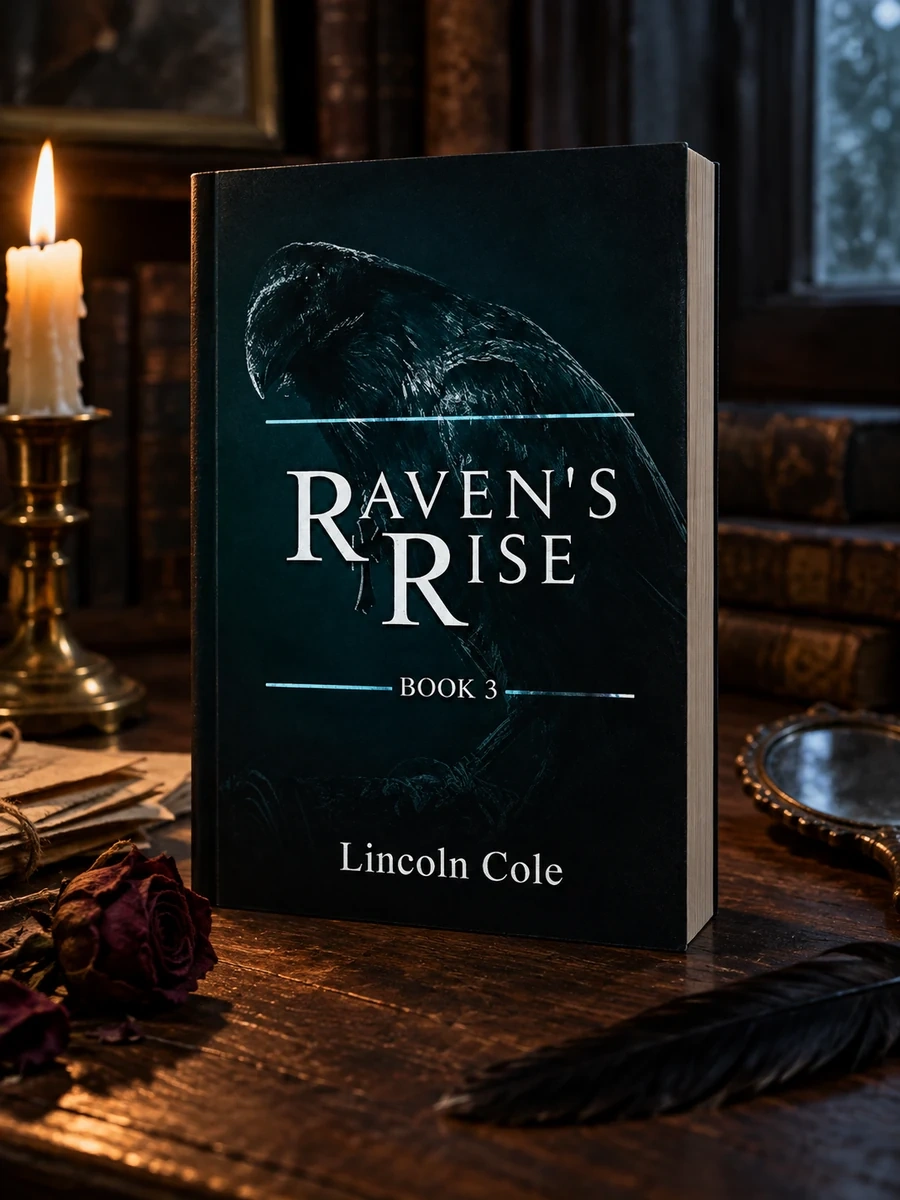

Raven's Rise
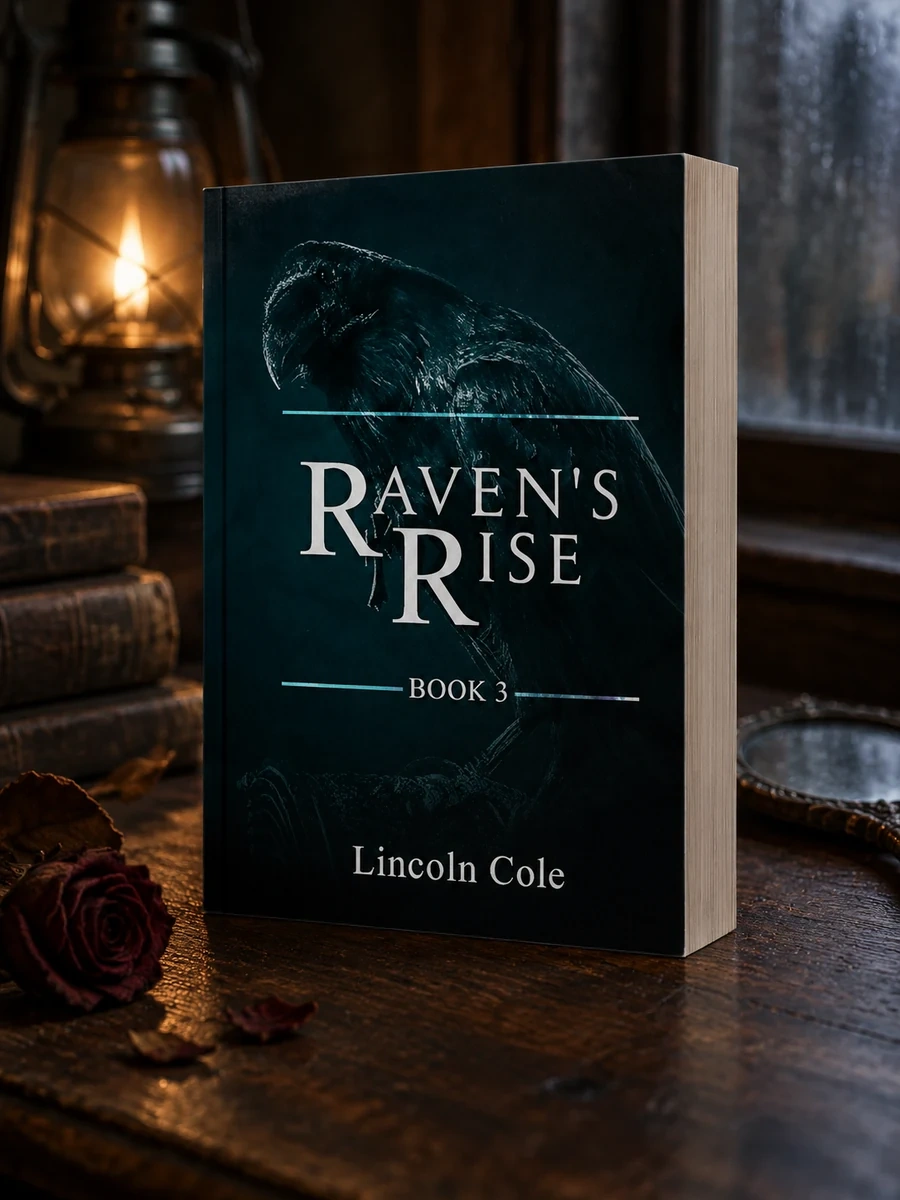
A sequel following Abigail's fight against a cult after Raven's Fall.
The narrative centers on the immediate aftermath of Raven's Fall, where society has fractured and trust in institutions like the Church has collapsed. Abigail faces false accusations for the disaster while trying to keep herself alive. The story tracks her efforts to identify and neutralize the cult that continues to pose a threat from the mountains. Cole structures the plot around survival and resistance, emphasizing the difficulty of finding allies in a broken world. The work does not offer easy answers but rather focuses on the harsh reality of living under constant surveillance and fear. Readers interested in the psychological impact of supernatural disasters will find this account compelling.
This work sits within the American horror tradition, specifically focusing on gothic elements and supernatural fiction. It draws on themes of religious institutional power and the lingering dread of cult activities in rural settings.


📝 Description: Raven's Rise
💎 Our verdict on Raven's Rise
📖 Why choose it
Why this book is worth reading
Readers who appreciate the psychological impact of supernatural disasters and the grim realities of societal breakdown will find this narrative compelling. It suits those interested in religious intrigue and the tension between individual survival and institutional power. The book offers a direct continuation for fans of the previous work, focusing on harsh truths rather than easy resolutions. Those seeking lighthearted adventures or clear endings should look elsewhere, as the story emphasizes constant surveillance and fear. It is ideal for audiences who value grounded accounts of how communities fracture under pressure and the difficulty of finding allies in a broken world.
⭐ Reader reviews
Reader rating
Cole delivers a gritty examination of survival in a fractured society, maintaining the dark tone established in his earlier work. The narrative effectively captures the despair of living under constant threat while dismantling a persistent cult. By focusing on the aftermath of catastrophe rather than the event itself, Cole highlights the erosion of trust in the Church and other institutions. This approach resonates with readers who enjoy complex character dynamics amidst societal collapse. The writing reflects the grim reality of a world stripped of stability, making it a potent choice for those who prefer atmospheric horror over action-driven plots. It is a serious, unflinching look at resistance and the human cost of supernatural events.