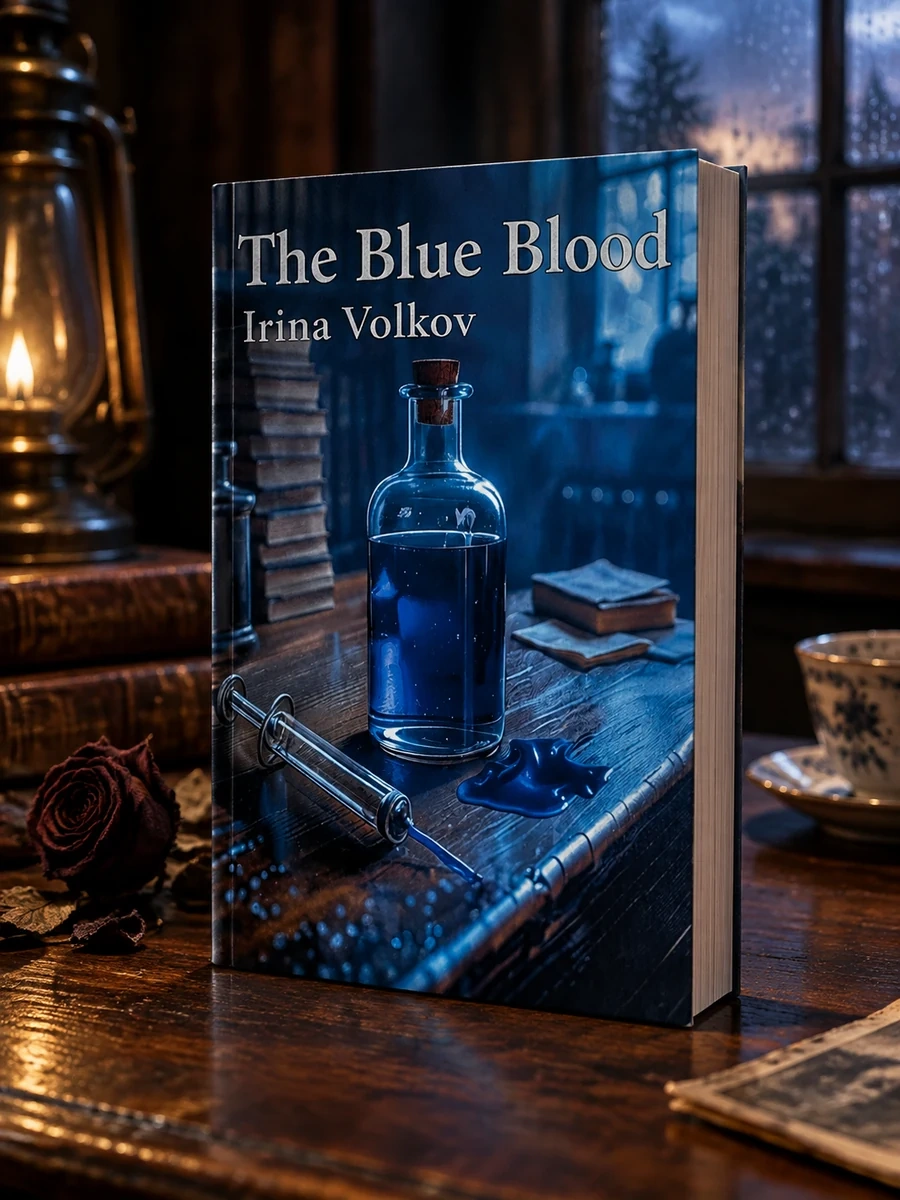
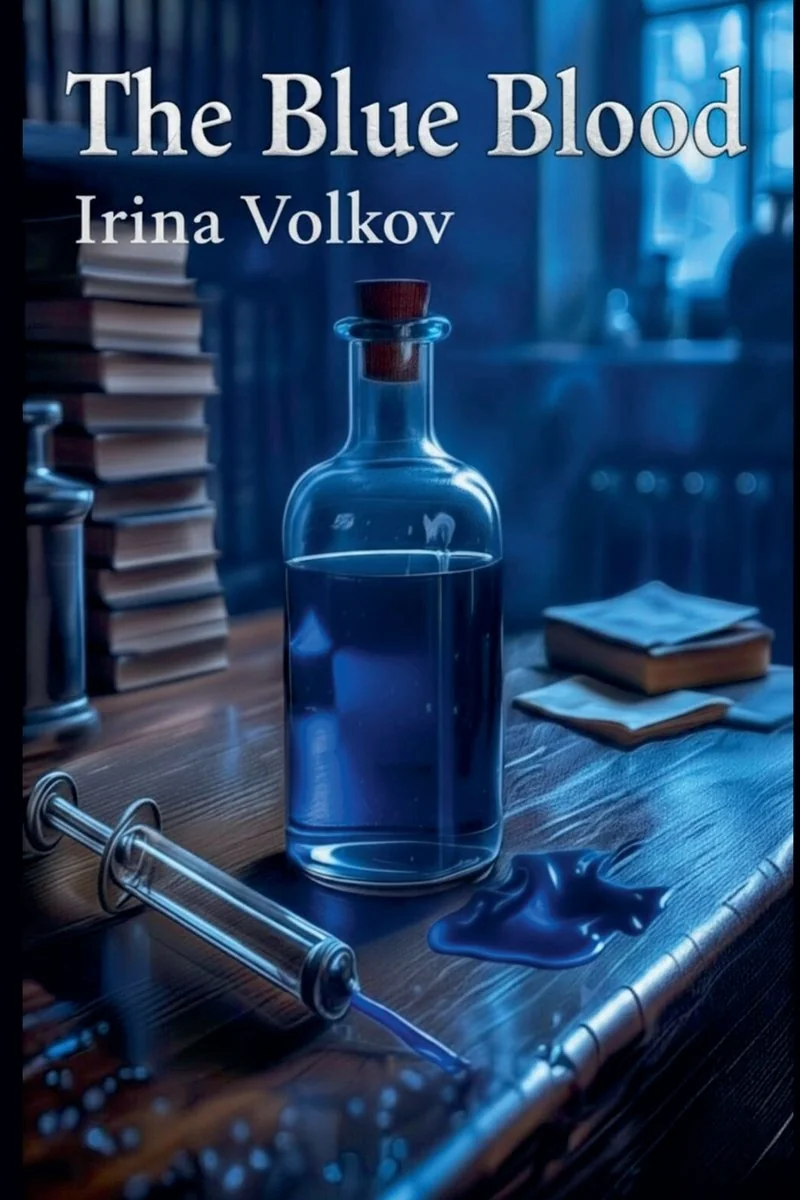
The Blue Blood
A gothic novella where a doctor finds a patient with blue blood in a mansion that is actually a lab.
Volkov writes about Dr. Raymond Heine, who visits his mentor’s isolated estate expecting professional work. Instead, he encounters Serena, whose existence violates natural laws. Her blue blood signals that she is not a person but a piece of an old aristocratic mechanism. The text details how Raymond navigates shifting shadows and whispered codes within the house. He realizes the building operates as a site for biological experimentation. The plot demands that Raymond choose between loyalty to his mentor and saving Serena. This choice requires him to reject scientific norms and accept mutation. The narrative emphasizes that the true danger lies in what is inherited rather than what is seen.
The Blue Blood sits within the tectonic gothic tradition, blending supernatural fiction with medical horror. It draws on gothic themes of isolated manors and reclusive mentors to explore biological inheritance. The novella uses the framework of a mentor-patient relationship to examine flaws in reality's code.


📝 Description: The Blue Blood
💎 Our verdict on The Blue Blood
📖 Why choose it
Why this book is worth reading
Readers who appreciate dense, atmospheric horror that prioritizes psychological unease over traditional monster hunts will find this novella compelling. It is ideal for those interested in the intersection of medical ethics and aristocratic secrets, offering a unique perspective on how biological inheritance can serve as a source of terror rather than mere lineage. The narrative appeals to audiences who enjoy exploring flawed reality codes and the terrifying implications of mutation. By focusing on the cost of understanding Serena's true nature, the book provides a profound examination of loyalty and scientific norms. It suits those willing to engage with a tone that is both intellectually rigorous and deeply unsettling, rewarding patience with a nuanced look at the boundaries between genius and madness within a decaying gothic setting.
⭐ Reader reviews
Reader rating
Irina Volkov crafts a tectonic gothic novella that examines horror through the lens of a structural anomaly in reality. The narrative effectively builds tension as Dr. Raymond Heine navigates shifting shadows within a mansion that operates as a site for biological experimentation. The portrayal of Serena as a piece of an old aristocratic mechanism creates a compelling sense of biological heresy. The text succeeds in emphasizing that true danger lies in what is inherited rather than what is seen. This approach suits readers interested in gothic fiction and supernatural narratives where horror stems from flawed reality codes. It appeals to those who enjoy stories about medical ethics and aristocratic secrets, offering a dense and terrifying exploration of the cost of understanding Serena's true nature.