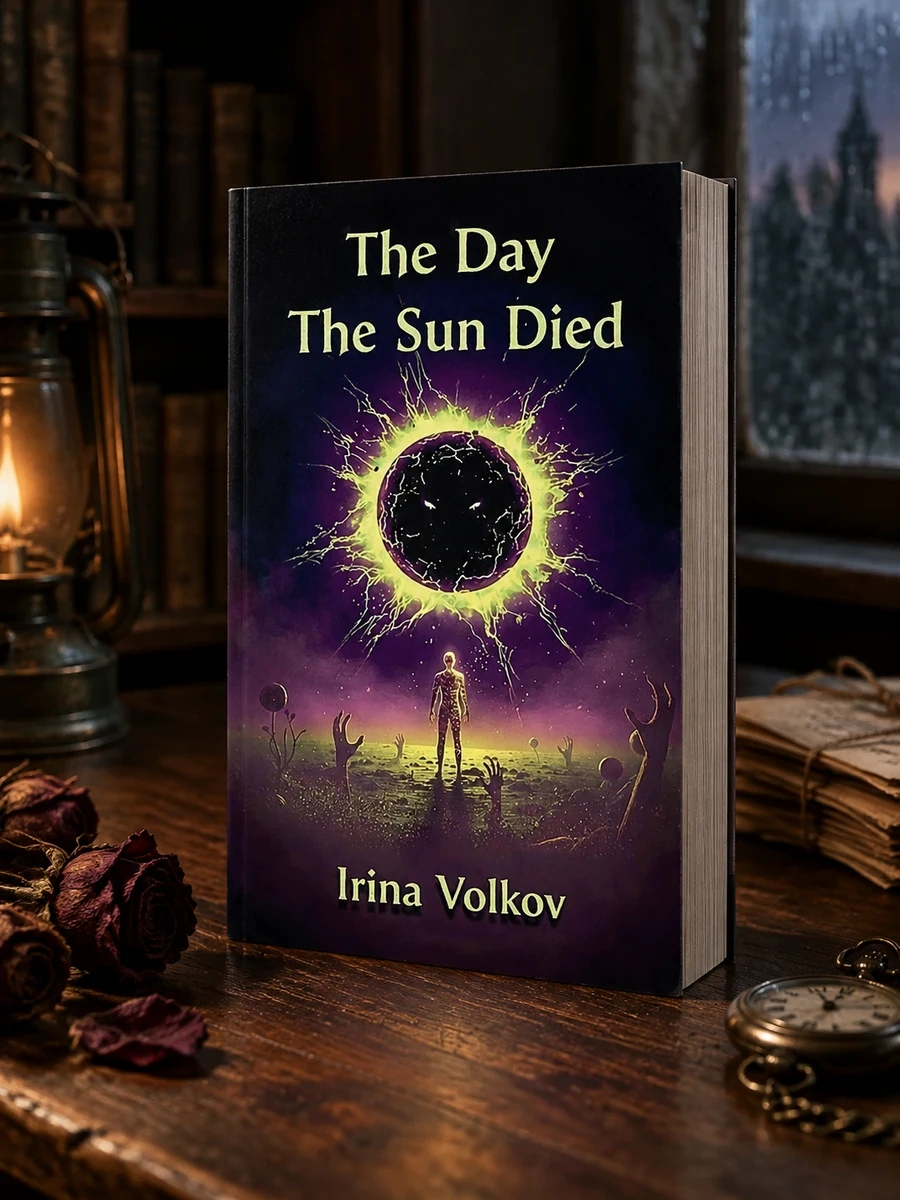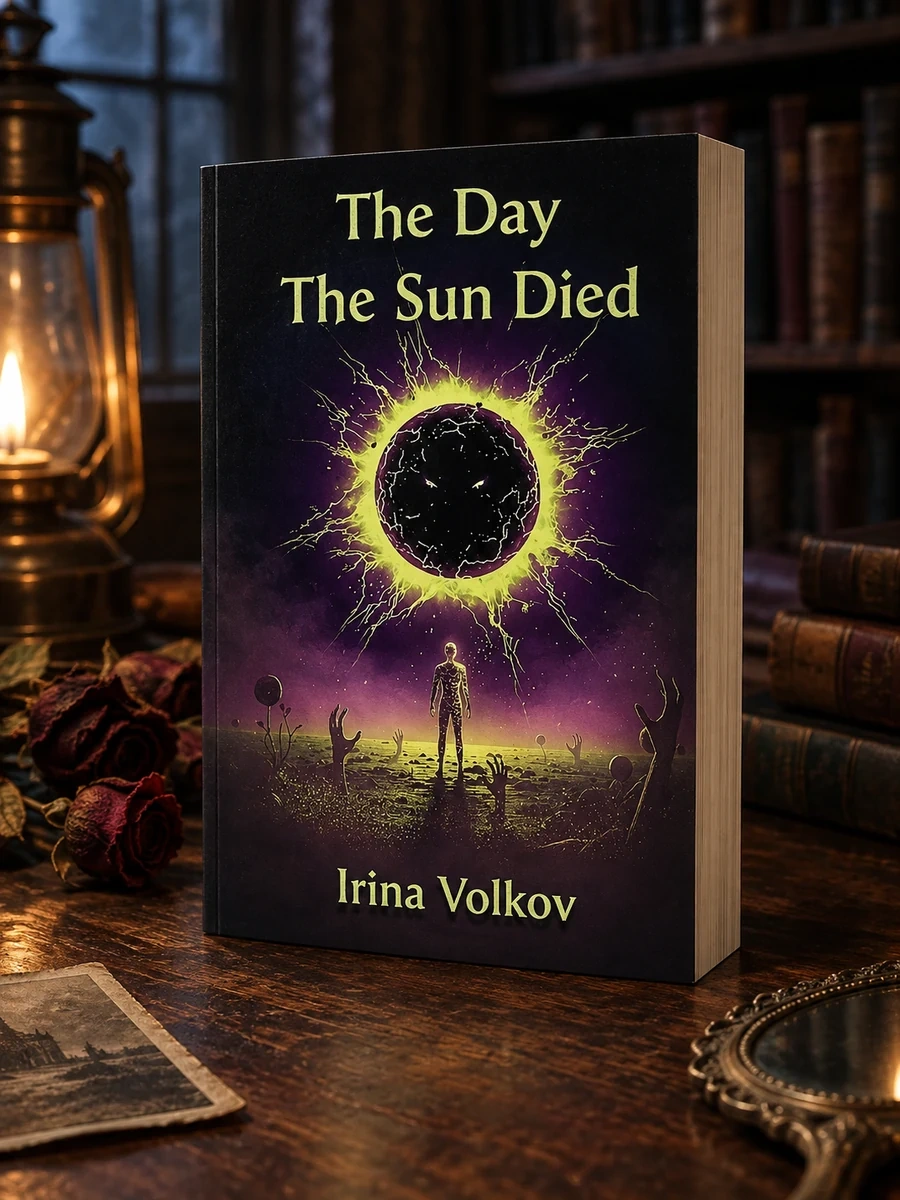
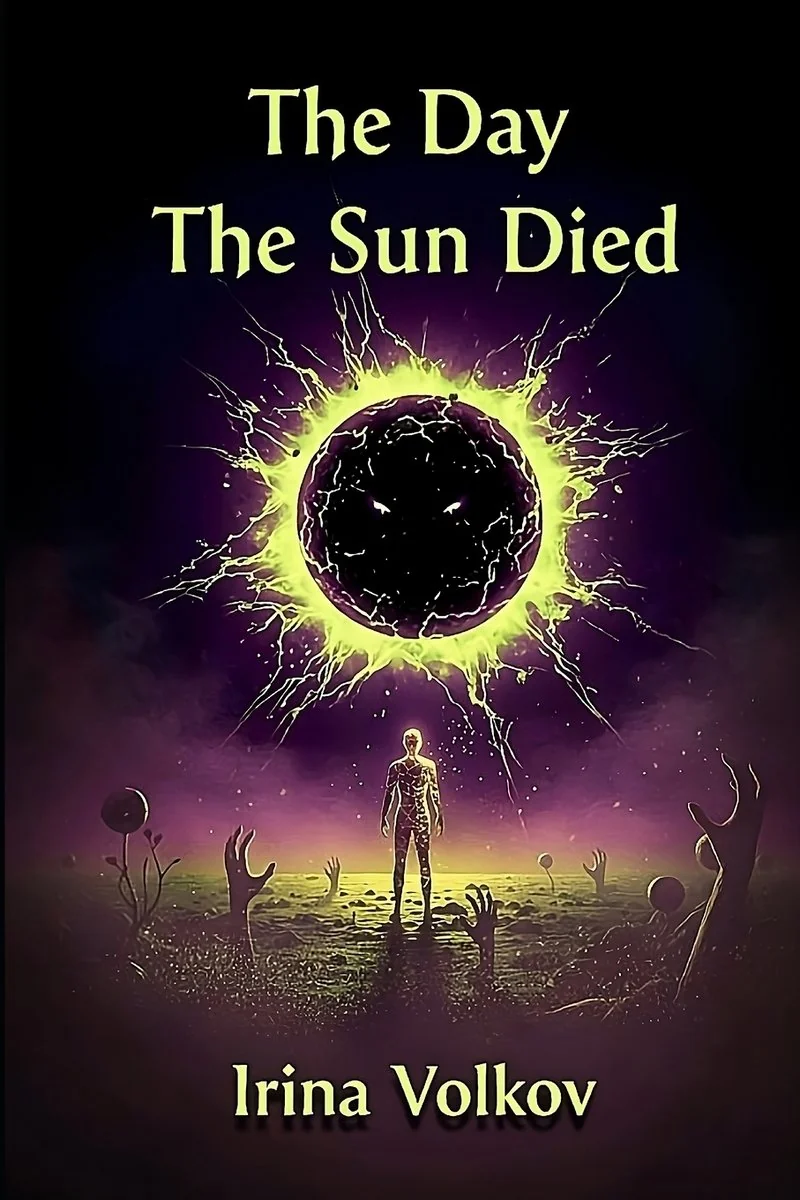
The Day The Sun Died: Where the Light Is a Lie
A novella where the apocalypse is an audit of reality's code.
The story follows Izar and Atria Felton as they escape a dead Earth on an ark ship. They seek refuge among the stars but find only a fractured reality where logic fails. Atria’s transformation into a node for a planetary mind forces Izar to confront his own obsolescence. The text examines survival as a grim equation of energy conservation and questions the nature of human identity when biology is deemed obsolete. It explores the tension between individual choice and systemic control in a post-solar universe.
This novella sits within the tectonic gothic tradition, blending cosmic horror with existential philosophy. It draws on themes of digital error and systemic audit to reframe the apocalypse not as an event but as a correction of reality's code.


📝 Description: The Day The Sun Died: Where the Light Is a Lie
💎 Our verdict on The Day The Sun Died: Where the Light Is a Lie
📖 Why choose it
Why this book is worth reading
Readers who appreciate existential dread and the deconstruction of human identity will find this novella compelling. It offers a unique perspective where survival is framed as a grim equation of energy conservation rather than traditional heroism. Those interested in the tension between individual choice and systemic control in a post-solar universe will engage with the text’s exploration of obsolescence. The book appeals to fans who view horror through the lens of logic failing and biology being deemed obsolete, providing a stark, intellectual confrontation with the void.
⭐ Reader reviews
Reader rating
Volkov crafts a tectonic gothic narrative where horror emerges from flaws in reality's code rather than traditional monsters. By framing the apocalypse as an audit, the text forces protagonists to confront their own obsolescence within a corrected universe. The novella excels in examining survival as a systemic issue, turning love into a legacy protocol and hallucinations into glitches. It suits readers interested in cosmic horror and psychological tension over monster-driven plots. While it may not appeal to those seeking traditional survival stories, its examination of human identity in a fractured reality offers a profound, chilling experience for the right audience.