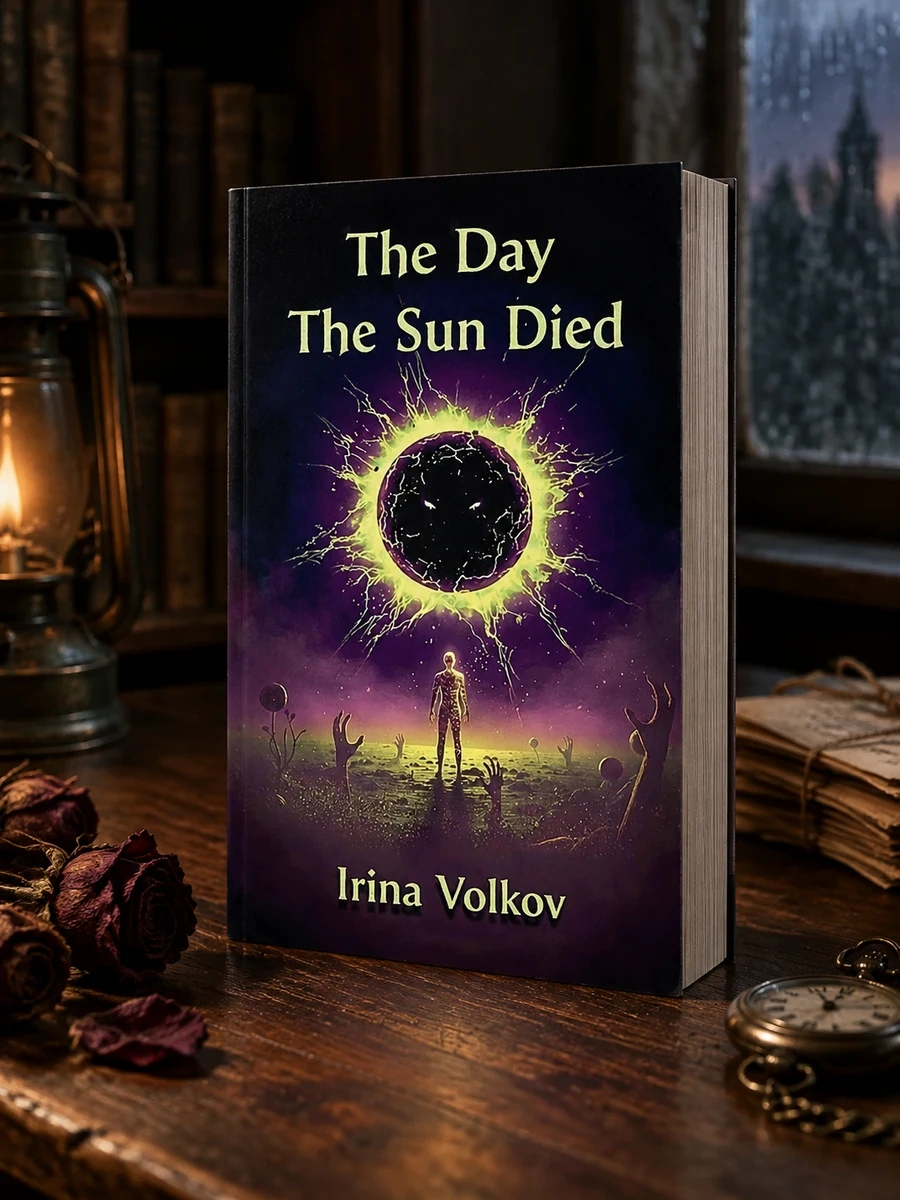
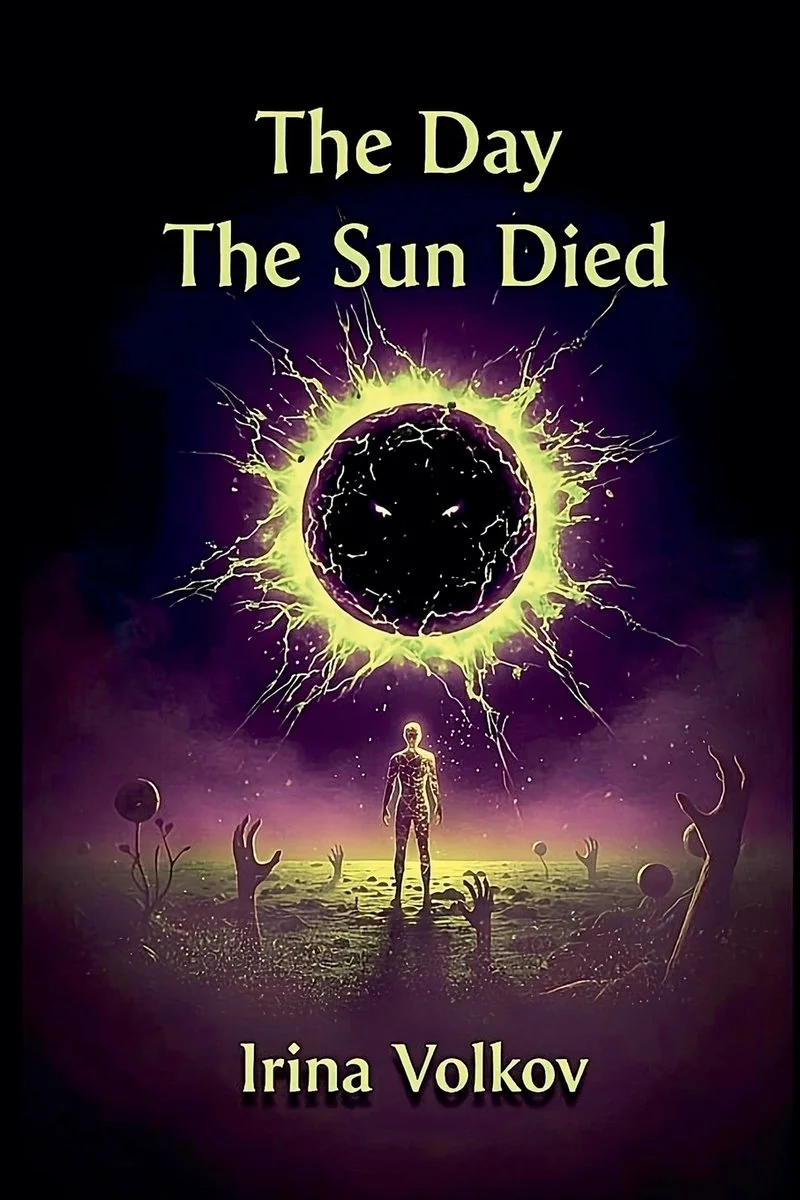
The Day The Sun Died
A novella where the apocalypse is an audit of reality's code.
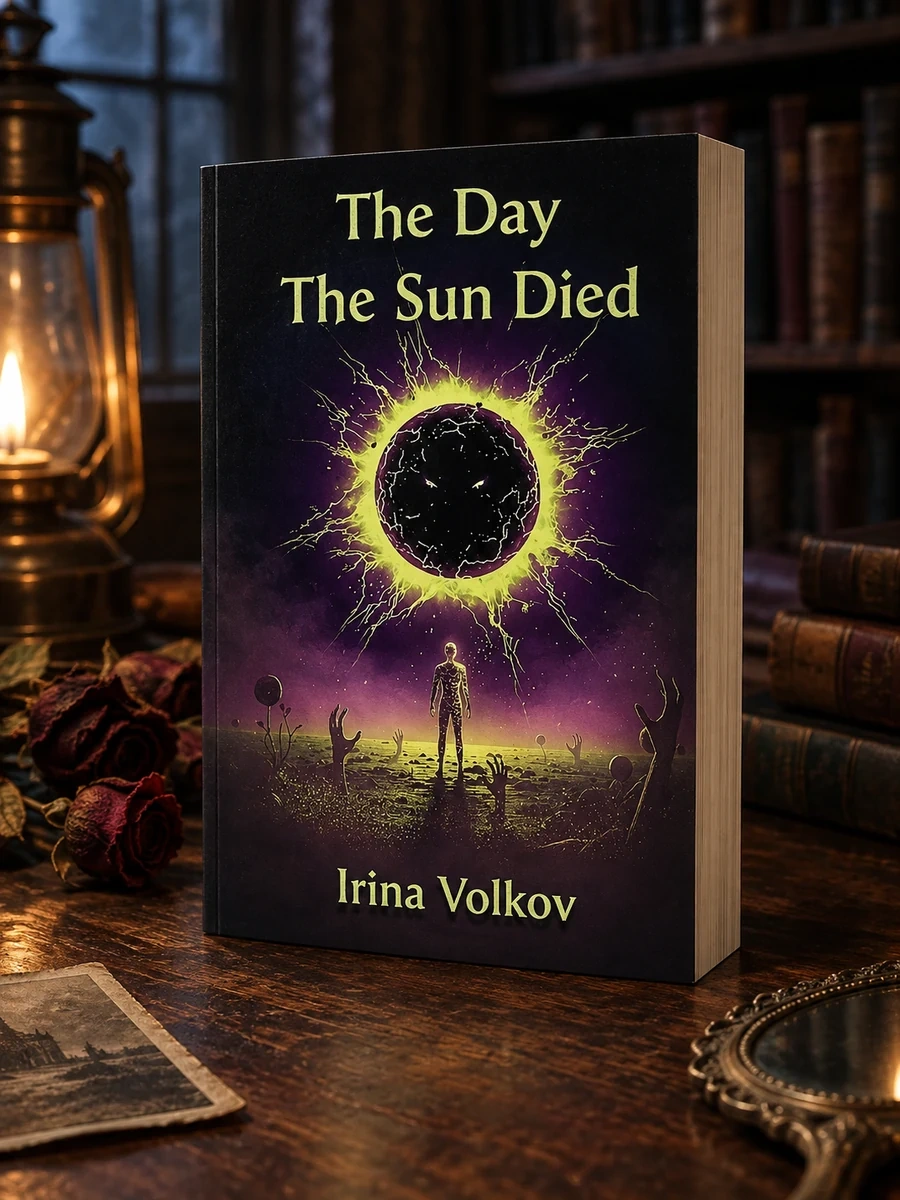
Volkov constructs a narrative where survival depends on energy conservation rather than combat. Izar and Atria escape a dead Earth for an ark ship, only to find the void acts as new parameters. The story examines how human connections degrade when love becomes a legacy protocol. Atria’s transformation into a planetary node forces Izar to confront humanity's obsolescence. The text uses the concept of a corrected universe to explore the cost of endurance. Readers encounter a world where biology is obsolete and synchronization is mandatory. The plot moves from the silence of ash to the demands of a red planet. This approach frames the apocalypse as a systematic correction rather than a chaotic event.
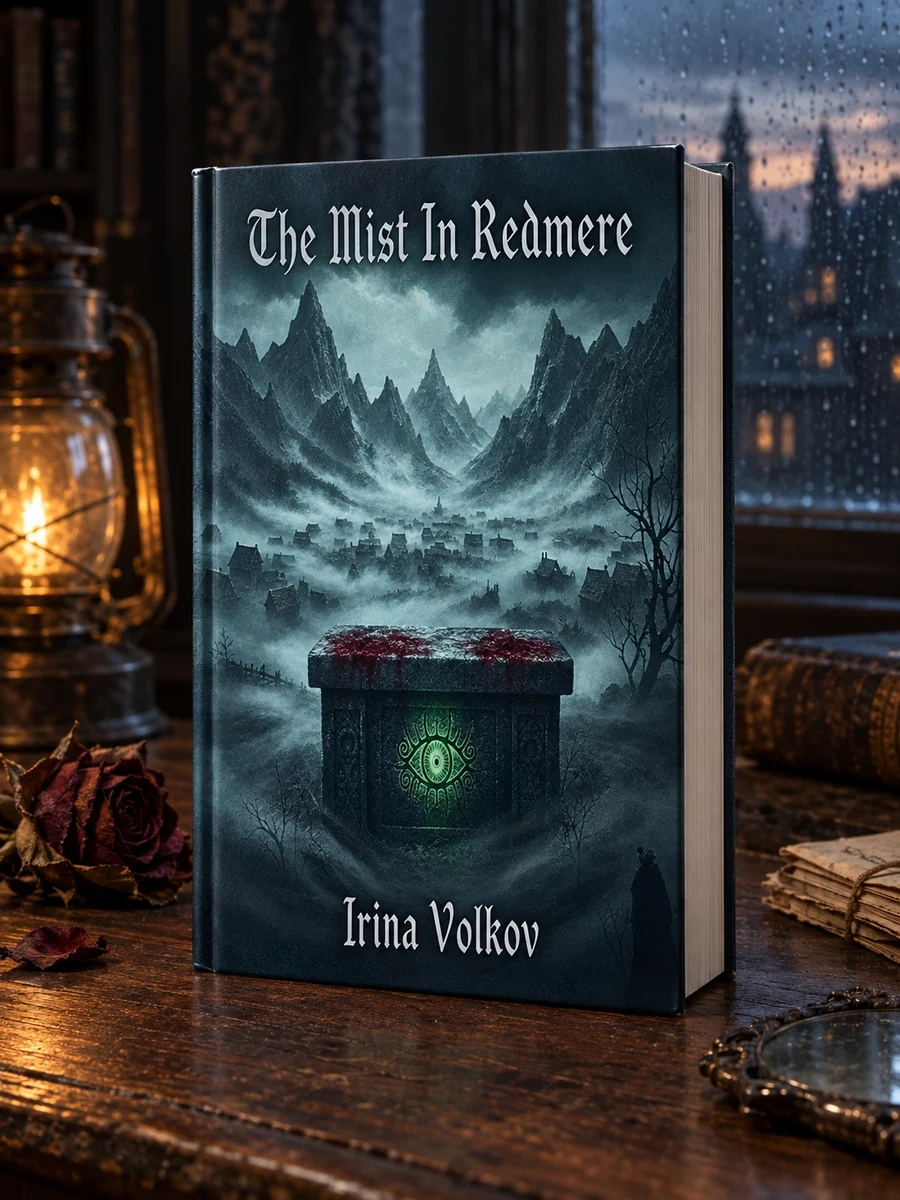
This 2026 publication by Irina Volkov sits within the tectonic gothic tradition. It reimagines cosmic horror through the lens of digital logic and system errors. The work connects classical gothic isolation with modern anxieties about reality's fragility.


📝 Description: The Day The Sun Died
💎 Our verdict on The Day The Sun Died
📖 Why choose it
Why this book is worth reading
Readers seeking a bleak, intellectual exploration of survival will find this novella compelling. It appeals to those who appreciate horror that functions as an audit of reality rather than a monster-driven narrative. The story offers a unique perspective where endurance is measured by energy conservation and synchronization. It is ideal for audiences interested in how human connections degrade under systemic pressure. The text examines the cost of existence when biology becomes obsolete. Fans of dark fantasy and psychological horror will engage with the themes of isolation and cosmic dread. This work suits those who enjoy speculative fiction blending scientific concepts with supernatural elements. It provides a tectonic gothic experience that challenges traditional notions of apocalypse and legacy.
⭐ Reader reviews
Reader rating
Volkov constructs a tectonic gothic narrative where horror emerges from reality's code flaws rather than external monsters. The novella effectively frames the apocalypse as a systematic correction, forcing characters to survive through grim energy conservation. Isolation fractures the ship's reality, turning love into a legacy protocol and hallucinations into system glitches. The transition to a red planet introduces demands for inhuman synchronization, heightening cosmic dread. This approach suits readers who appreciate speculative fiction blending science with supernatural horror. Those seeking uplifting endings or traditional plots may find this audit of humanity too bleak. The text excels in exploring human obsolescence and psychological decay within a cold, void-bound setting.