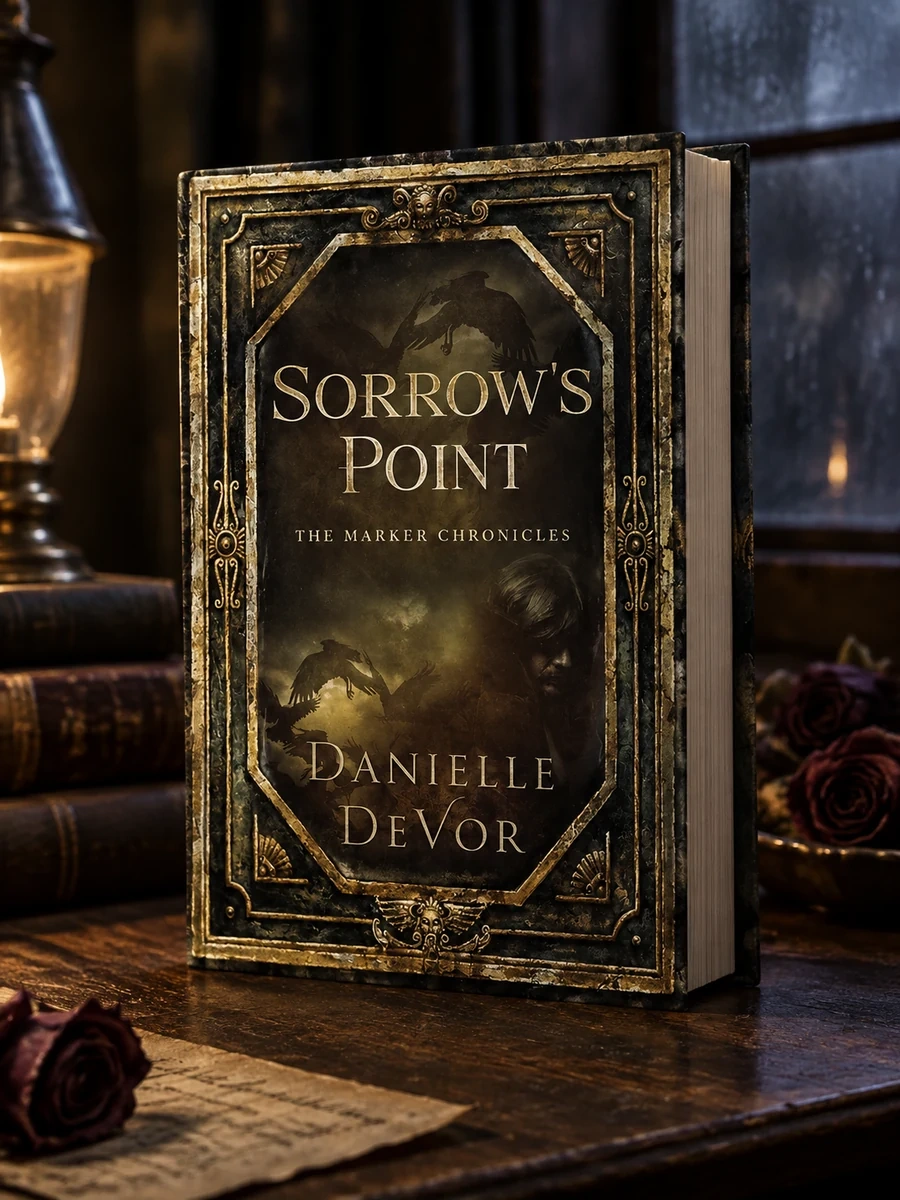

Sorrow's Point (Revised with New Publisher)
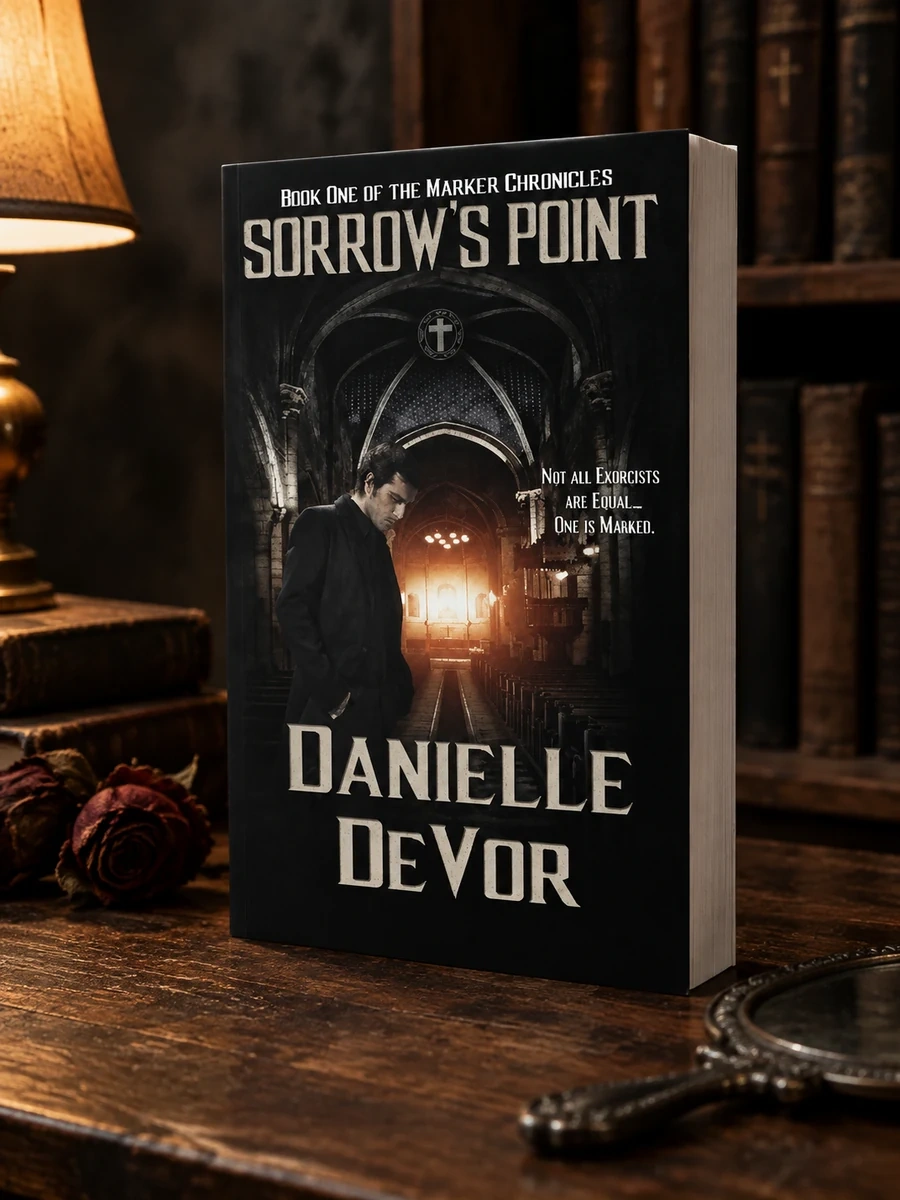
A defrocked priest performs an exorcism to save a possessed girl in a haunted house.
This novel explores the intersection of faith and supernatural terror through the eyes of Jimmy Holiday. Devor constructs a narrative where religious trauma meets real occult danger. The Blackmoor residence serves as a crucible for Jimmy’s redemption or ruin. He must confront the ghosts of his past while battling a present evil. The story emphasizes the physical and spiritual toll of performing rites he abandoned. Devor draws on traditions of Catholic exorcism and rural American horror. The plot relies on character-driven tension rather than gore. It appeals to fans of psychological horror with theological undertones.
Published by City Owl Press in 2015, this work sits within the tradition of American gothic fiction. It draws on Catholic exorcism lore and rural Southern horror tropes. The setting reflects a specific period where faith and fear intersect in isolated communities.


📝 Description: Sorrow's Point (Revised with New Publisher)
💎 Our verdict on Sorrow's Point (Revised with New Publisher)
📖 Why choose it
Why this book is worth reading
Readers drawn to psychological horror with theological undertones will find this narrative compelling. It appeals to those interested in Catholic folklore and rural gothic settings who prefer character-driven tension over gore. Fans of stories examining the weight of past vows against present necessity will appreciate the focus on spiritual toll. The book offers a deep dive into religious trauma and redemption, suitable for those seeking emotional depth rather than fast-paced action. It provides insight into the physical and spiritual costs of abandoned rites, making it ideal for audiences who value atmospheric dread and complex character studies over traditional jump scares.
⭐ Reader reviews
Reader rating
Devor constructs a tense narrative where faith meets supernatural terror through Jimmy Holiday’s journey. The novel effectively blends insight with self-deprecation, creating a sincere voice that anchors the horror in emotional reality. By focusing on psychological depth rather than visceral gore, the story examines the crucible of redemption against a backdrop of occult danger. The Blackmoor residence serves as an effective setting for exploring lost faith and spiritual integrity. While it eschews traditional horror tropes for slower, character-driven pacing, it rewards readers with a nuanced look at religious trauma. It suits those who appreciate atmospheric dread and complex moral dilemmas over action.