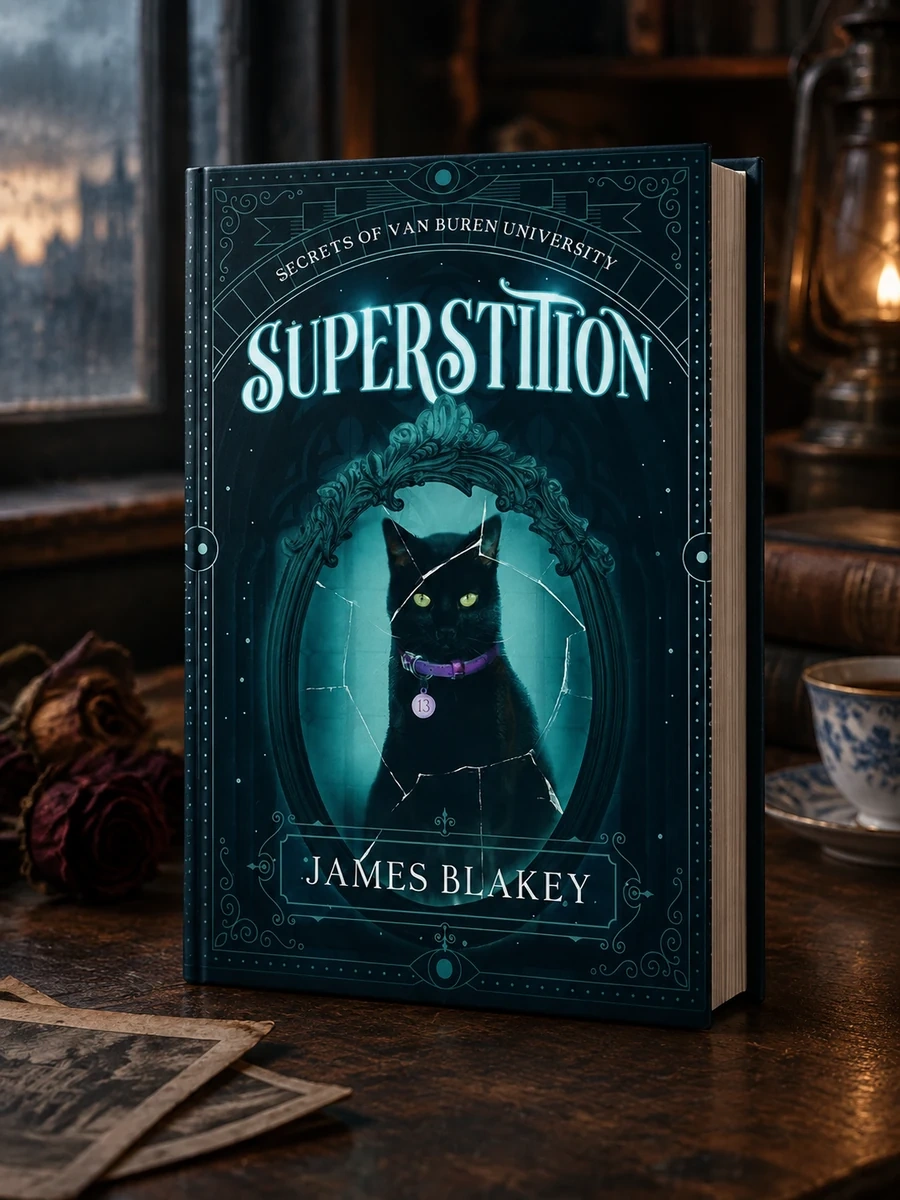
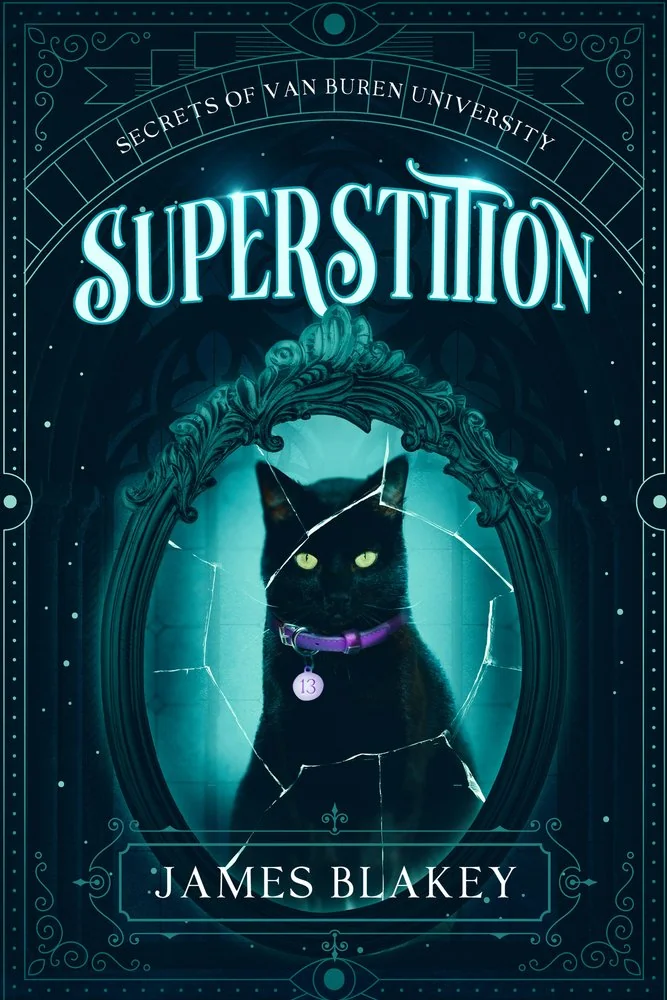
Superstition
A campus thriller where broken superstitions lead to deadly consequences at Van Buren University.
Jerry Williams discovers a pattern linking student deaths to violated omens at Van Buren University. After his editor kills the story, he publishes the truth in the alternative paper despite administrative threats. Darla survives an attack, pushing Jerry to find the cause before Friday the Thirteenth arrives. Blakey uses classic bad luck signs to drive the plot forward in this suspenseful academic mystery.
This work sits within the tradition of urban legend horror and college campus thrillers. It utilizes well-known Western omens like black cats and broken mirrors, grounding its supernatural elements in familiar cultural fears associated with bad luck and Friday the Thirteenth.


📝 Description: Superstition
💎 Our verdict on Superstition
📖 Why choose it
Why this book is worth reading
Readers who enjoy the intersection of academic intrigue and supernatural suspense will find value in this narrative. The book appeals to those fascinated by the psychological weight of broken taboos and the tension arising from institutional suppression of truth. Fans of college-set mysteries benefit from the high-stakes race against time as the protagonist navigates administrative threats while uncovering deadly patterns. Those interested in how traditional bad luck signs manifest as lethal forces in a modern environment will appreciate the blend of folklore and thriller mechanics. It offers a fast-paced exploration of fear rooted in everyday actions, making it accessible for readers who prefer plot-driven horror over slow-burn literary fiction or historical gothic narratives.
⭐ Reader reviews
Reader rating
Blakey effectively utilizes classic bad luck signs to drive a suspenseful academic mystery at Van Buren University. The narrative succeeds in creating tension through the immediate lethality of violated omens, such as opening an umbrella indoors, grounding supernatural horror in tangible daily actions. The plot intensifies through the conflict between journalistic integrity and administrative censorship, adding a layer of realistic stakes to the supernatural events. This approach suits readers who prefer active protagonists racing against impending doom rather than passive observers. While it may not satisfy seekers of deep literary analysis or pure historical gothic tales, it delivers a compelling, folklore-infused thriller for fans of cursed rituals and campus secrets.