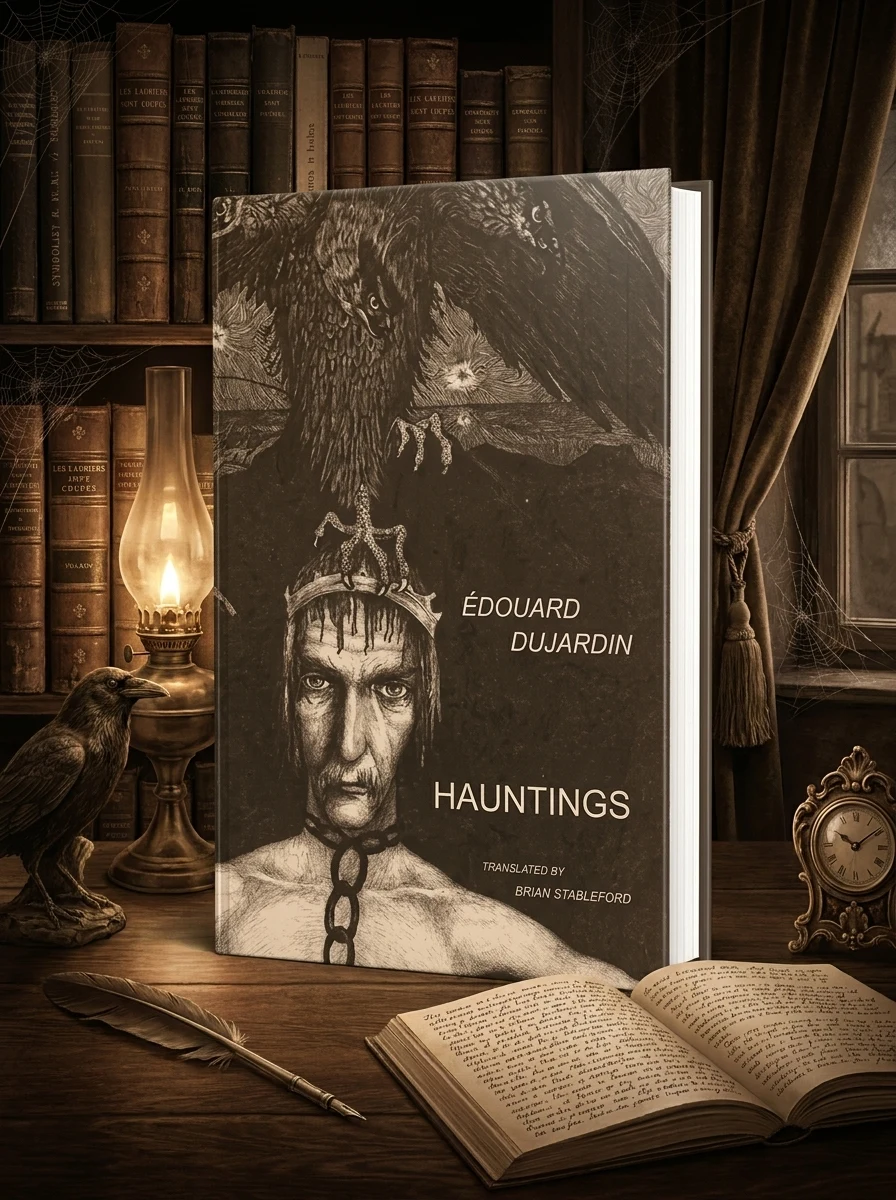
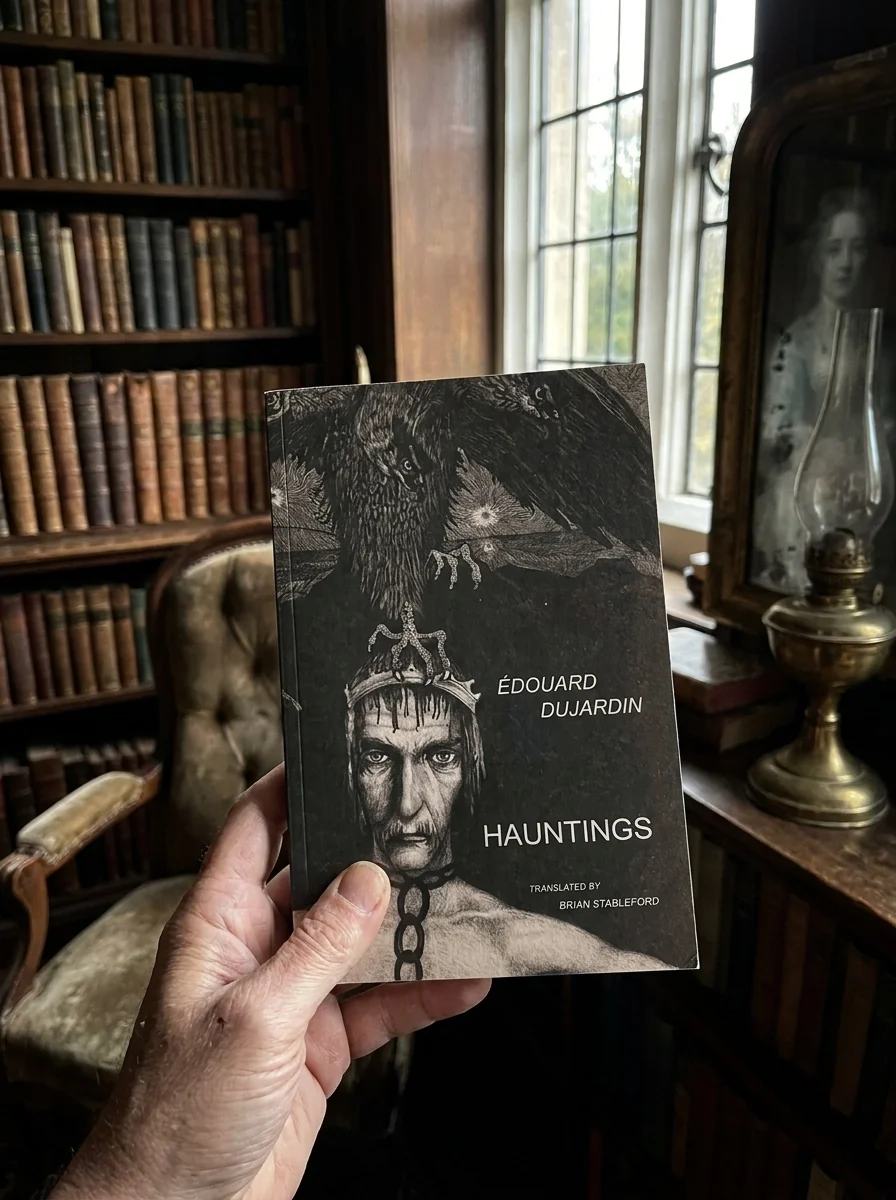
Hauntings
A rare English translation of a 1886 French precursor to stream-of-consciousness fiction.
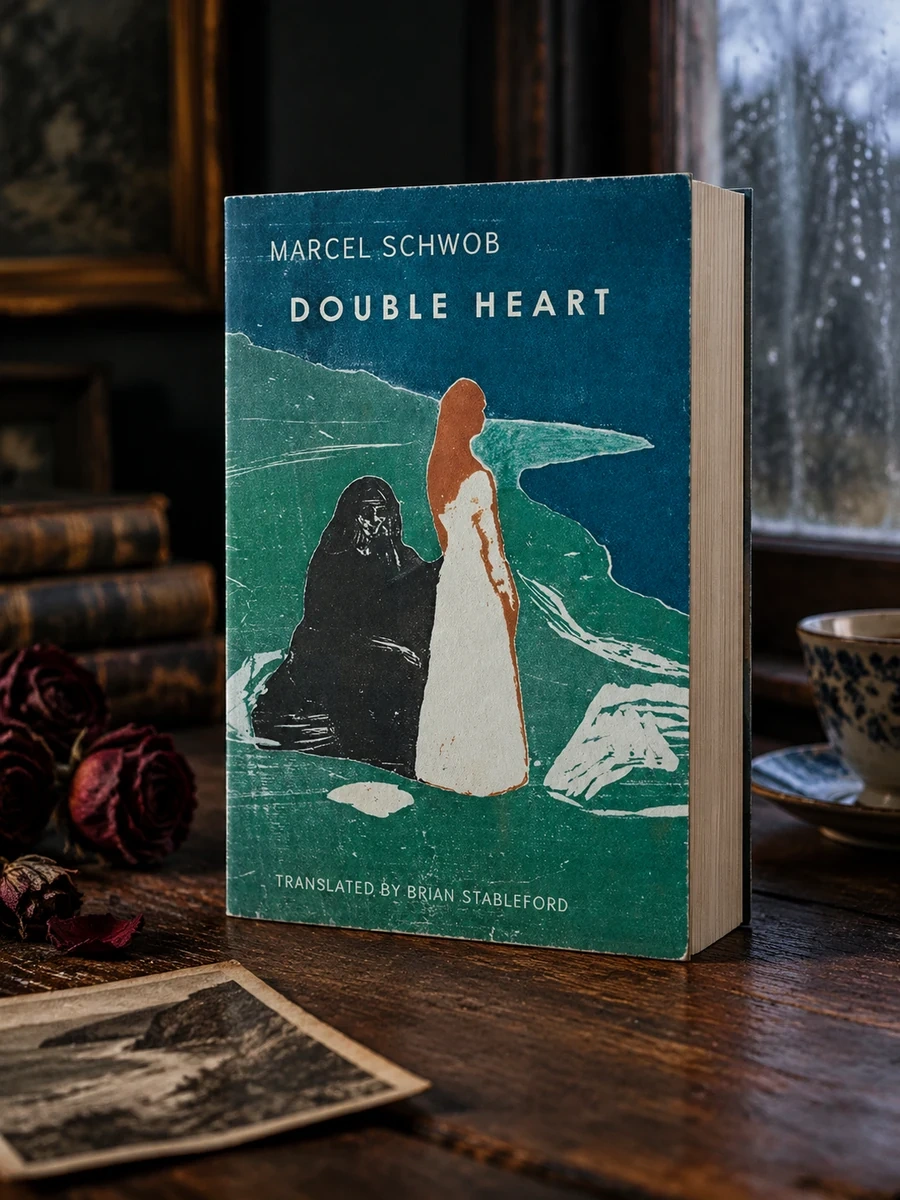
This volume captures a pivotal moment in literary history before Dujardin achieved widespread recognition. The text examines how the author constructed his famous technique by stages. It uses specific narrative devices like monologues and biographical commentaries to illustrate psychological states. The work belongs to the symbolist movement and focuses on the subgenre of manic monologues. The content reveals a curiosity and intensity that challenges conventional storytelling norms. It provides insight into the development of modern narrative styles through its frank examination of obsession. The translation by Brian Stableford makes this historical artifact accessible to contemporary readers who study the roots of psychological fiction.
Dujardin wrote this in France during the 1880s. It appeared one year before his more famous work Les Lauriers sont coupes. This timing places it at the dawn of modernist experimentation in European literature, preceding James Joyce by decades.


📝 Description: Hauntings
💎 Our verdict on Hauntings
📖 Why choose it
Why this book is worth reading
This volume is essential for scholars and enthusiasts of literary history who wish to trace the genealogy of psychological fiction and modernist narrative techniques. Readers interested in the Symbolist tradition will appreciate Dujardin’s innovative use of manic monologues and biographical commentary to dissect obsession. It offers a rare, frank examination of internal psychological states that challenges conventional storytelling norms. Those studying the roots of stream-of-consciousness writing will find value in observing how Dujardin constructed his famous technique through stages. The translation by Brian Stableford makes this historical artifact accessible, providing insight into the development of modern narrative styles without relying on external plot events.
⭐ Reader reviews
Reader rating
Dujardin’s Hauntings stands as a minor masterpiece within the symbolist fiction tradition, specifically targeting the subgenre of manic monologues. It excels in its intense, curious exploration of psychological perversity through internal dialogue rather than external plot. While readers seeking traditional narrative arcs may find this approach challenging, it rewards those interested in literary innovation. The text provides a vital glimpse into late nineteenth-century French literary experimentation. Its frank examination of obsession illustrates the evolution toward modernist techniques. This work suits academic readers and horror aficionados who appreciate psychological depth over supernatural spectacle. It remains a compelling artifact for understanding the transition from conventional storytelling to complex psychological analysis.
📖 Read on the blog
🏛 Books from this publisher Snuggly Books


You might also like
See more →

Have a question about this item?
Ask about the edition, condition, delivery or anything else — we reply by email or phone, usually within a day.
