Frankenstein
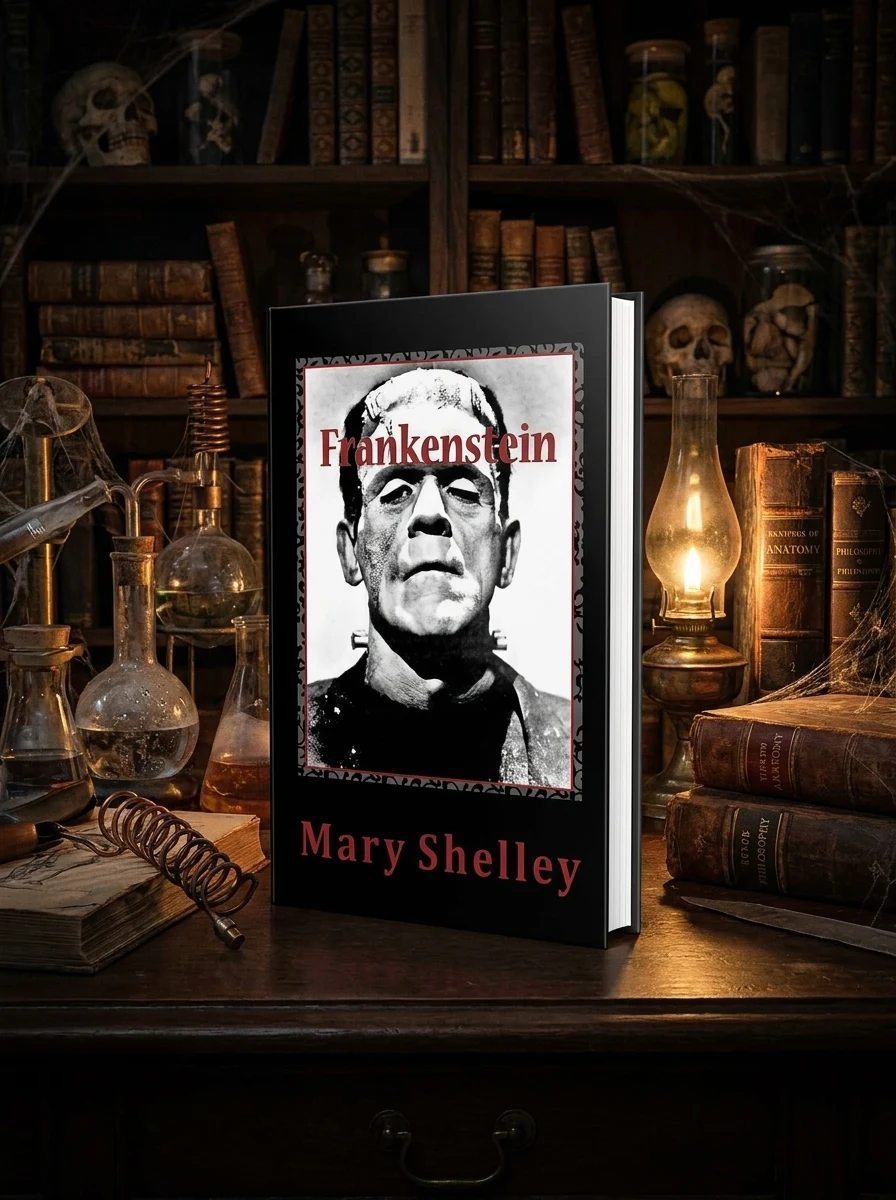
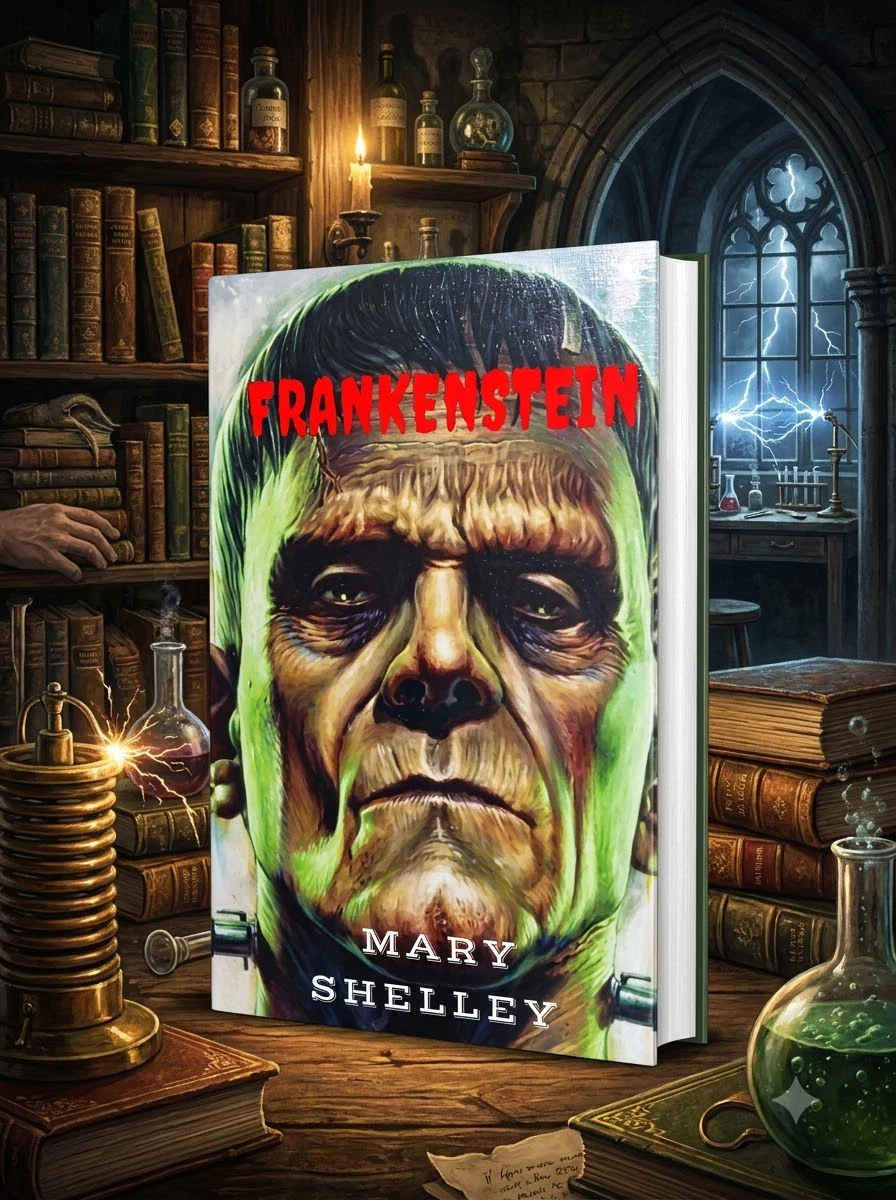
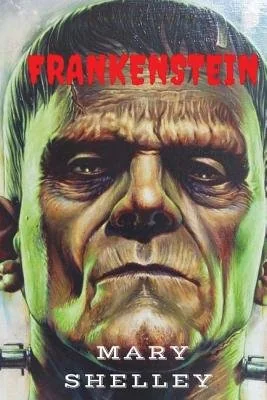
A 2017 edition of Mary Shelley's Gothic novel about a scientist who creates life.
The story follows Victor Frankenstein as he learns to create life and builds a powerful being. Popular culture often confuses the monster with the scientist, but this text maintains the original distinction. The narrative draws on Gothic and Romantic traditions to warn against human over-reaching during the Industrial Revolution. It is considered one of the first fully realized science fiction novels. The work has spawned numerous horror stories and films across literature and popular culture. Readers encounter a tale that questions the limits of scientific ambition and the responsibilities of creation.
Published in 2017 by Createspace Independent Publishing Platform, this edition preserves Mary Shelley’s original title. The work is recognized as the first fully realized science fiction novel. It has influenced literature and popular culture, spawning a complete genre of horror stories and films.


📝 Description: Frankenstein
💎 Our verdict on Frankenstein
📖 Why choose it
Why this book is worth reading
This text is essential for readers interested in the origins of science fiction and Gothic storytelling, offering a deep dive into the relationship between creator and creation. It appeals to those analyzing the responsibilities of creation and the limits of scientific ambition during the Industrial Revolution. While it may not suit those seeking fast-paced action or modern technological thrillers due to its deliberate pacing, it provides profound insights into the evolution of horror literature. The narrative questions human over-reaching, making it a vital study for understanding global cultural impacts and the enduring legacy of supernatural fears in both literature and film.
⭐ Reader reviews
Reader rating
This volume successfully blends Gothic fiction with Romantic traditions to explore themes of scientific hubris and moral responsibility. It excels in establishing the distinction between Victor Frankenstein and his creation, clarifying common cultural misconceptions. The work functions effectively as a cautionary tale regarding industrial-era anxieties, maintaining its relevance through philosophical depth rather than mere shock value. It is best suited for readers seeking foundational horror texts and those interested in the historical roots of science fiction. Those preferring rapid pacing or contemporary tech-thrillers might find the narrative structure deliberate, but the book remains an indispensable resource for understanding the evolution of horror literature and its significant impact on global culture.