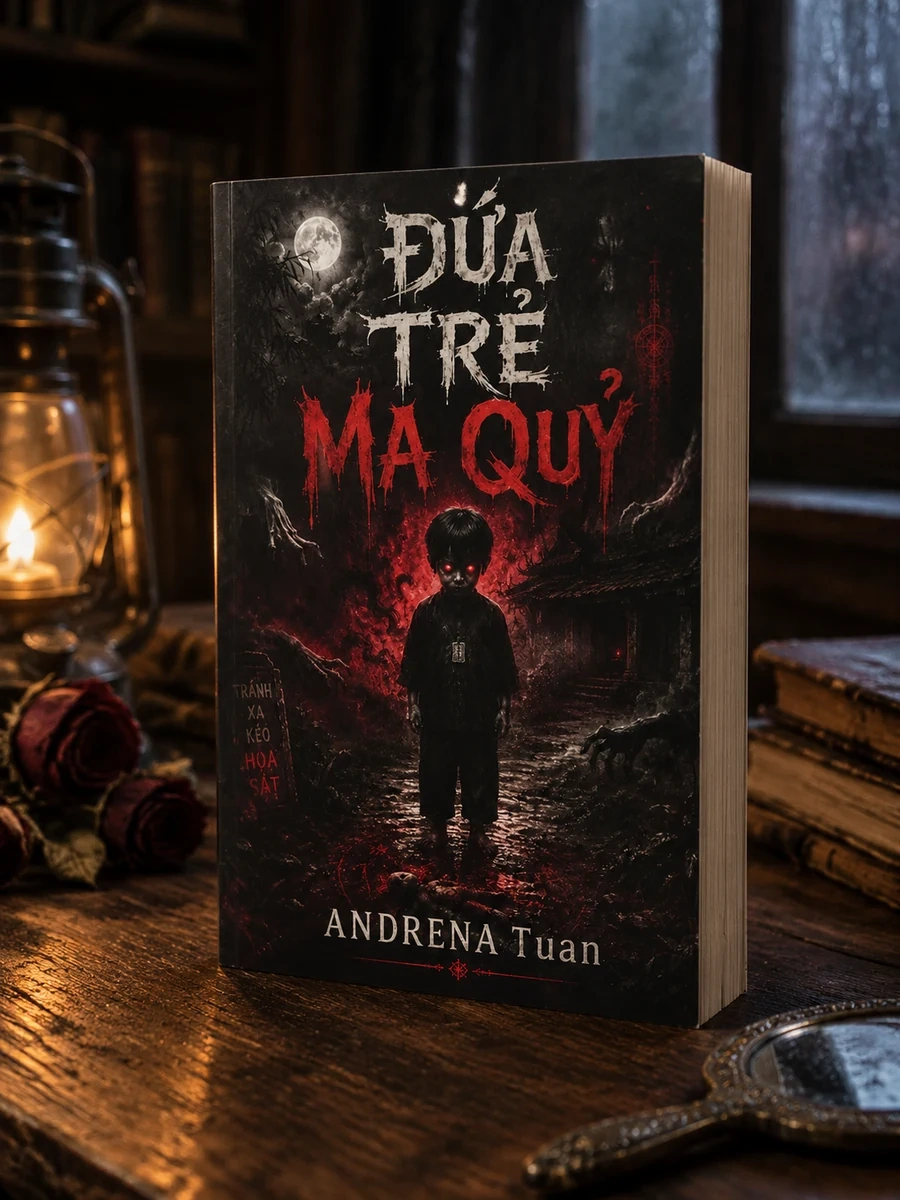
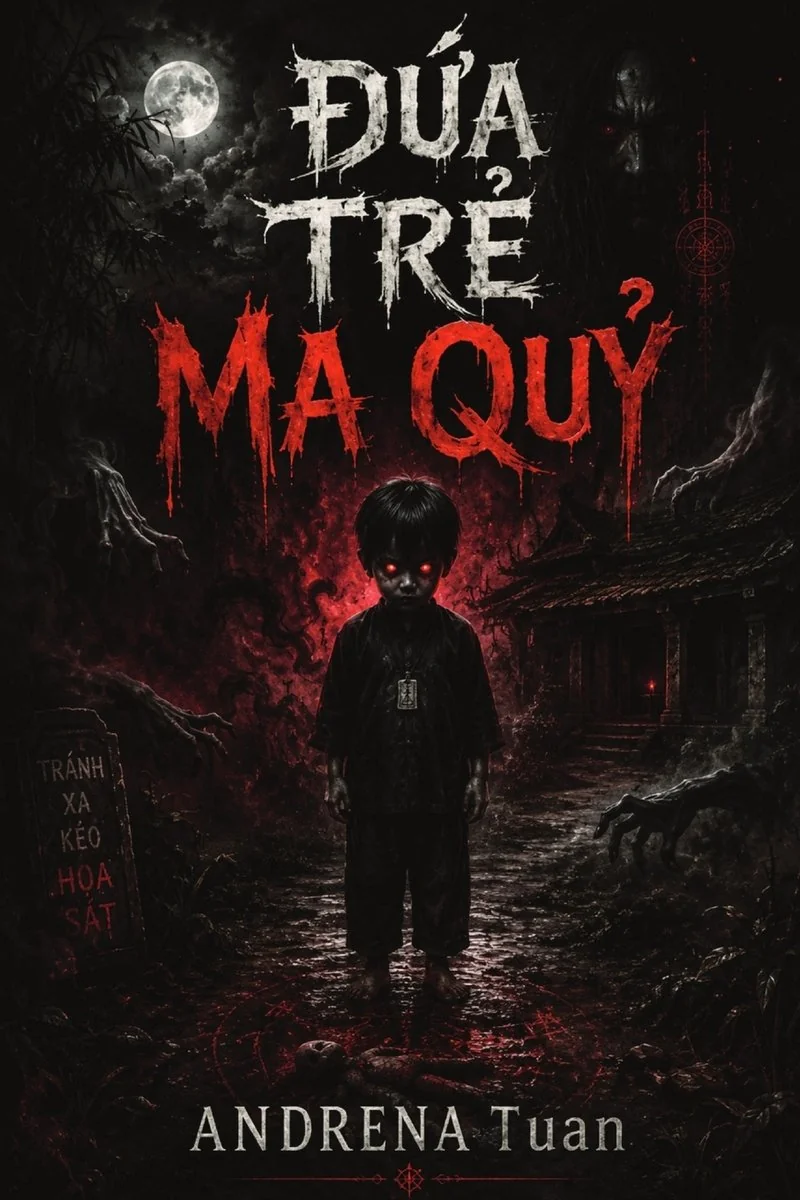
DUa TrE Ma QuY
A Vietnamese horror story about a house with a dark history.
The story follows Ba Lam delivering an insurance hat to Mr. Thiep at his home. The environment is described through visual and olfactory details that create a sense of dread. Tuan utilizes the physical layout of the house, including its height and surrounding walls, to establish isolation. The narrative does not rely on supernatural exposition but instead focuses on the immediate visceral reaction of the protagonist. This approach grounds the horror in tangible reality before introducing any paranormal elements. The work examines how architecture influences perception and fear in Vietnamese settings.
The narrative is set in Vietnam, drawing on local traditions of house spirits and alleyway superstitions. It reflects Vietnamese architectural styles and the cultural significance of family homes in urban or semi-urban environments.


📝 Description: DUa TrE Ma QuY
💎 Our verdict on DUa TrE Ma QuY
📖 Why choose it
Why this book is worth reading
Readers seeking atmospheric horror that prioritizes psychological tension over explicit violence will find this narrative compelling. It appeals to those interested in how physical spaces influence fear, offering a distinct perspective within the supernatural genre. The book is ideal for fans of gothic and cosmic horror who appreciate sensory descriptions and cultural nuances. Those willing to engage with deliberate pacing will discover a profound examination of dread rooted in tangible reality rather than exposition.
⭐ Reader reviews
Reader rating
Tuan’s narrative excels in establishing isolation through precise architectural details, using the four-story building and enclosing walls to amplify psychological unease. By grounding horror in immediate visceral reactions like chills and unsettling scents, the text creates a potent sense of dread without relying on supernatural exposition. This approach suits readers who favor atmospheric tension and cultural specificity over fast-paced action or Western Gothic tropes. The deliberate pacing may challenge those expecting immediate thrills, but the focus on sensory description builds a unique, lingering fear that resonates with enthusiasts of psychological horror.
You might also like
See more →


Have a question about this item?
Ask about the edition, condition, delivery or anything else — we reply by email or phone, usually within a day.
