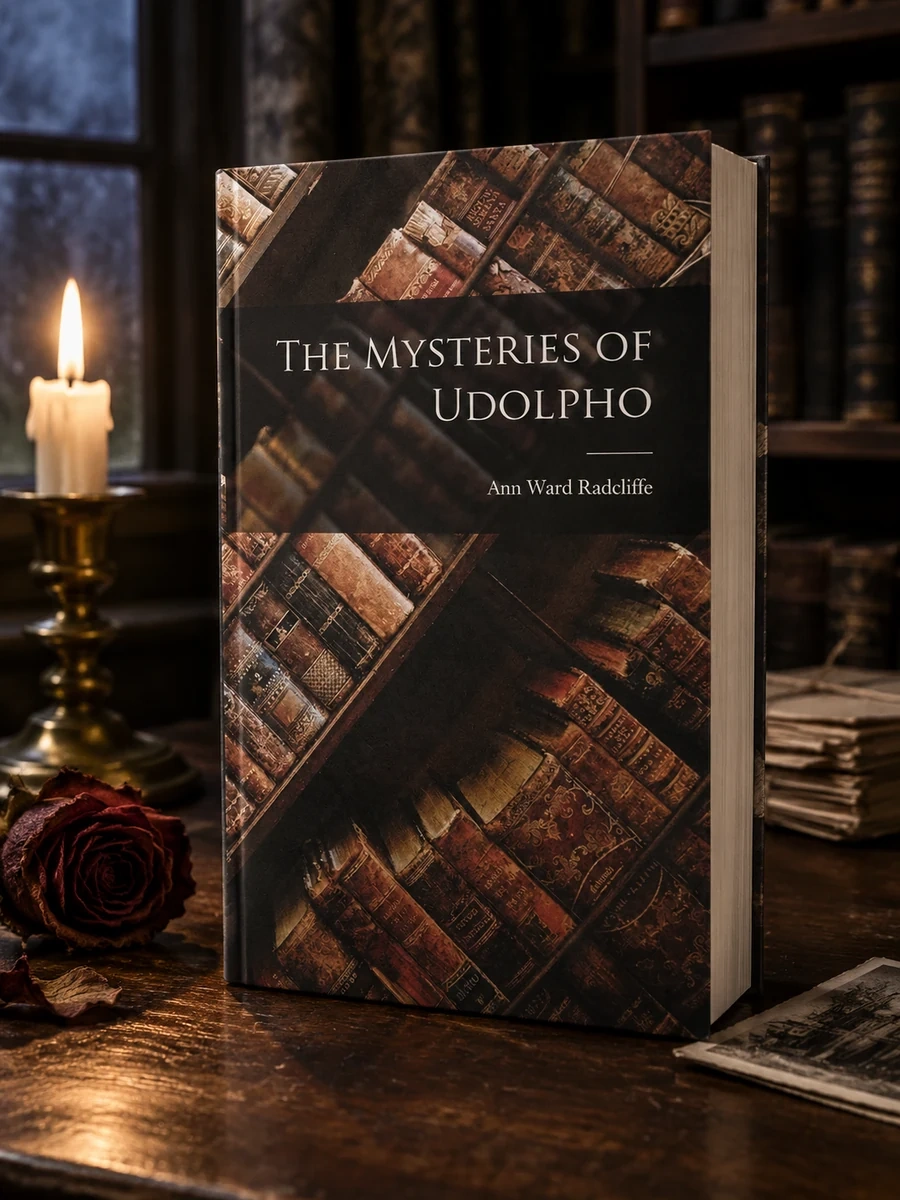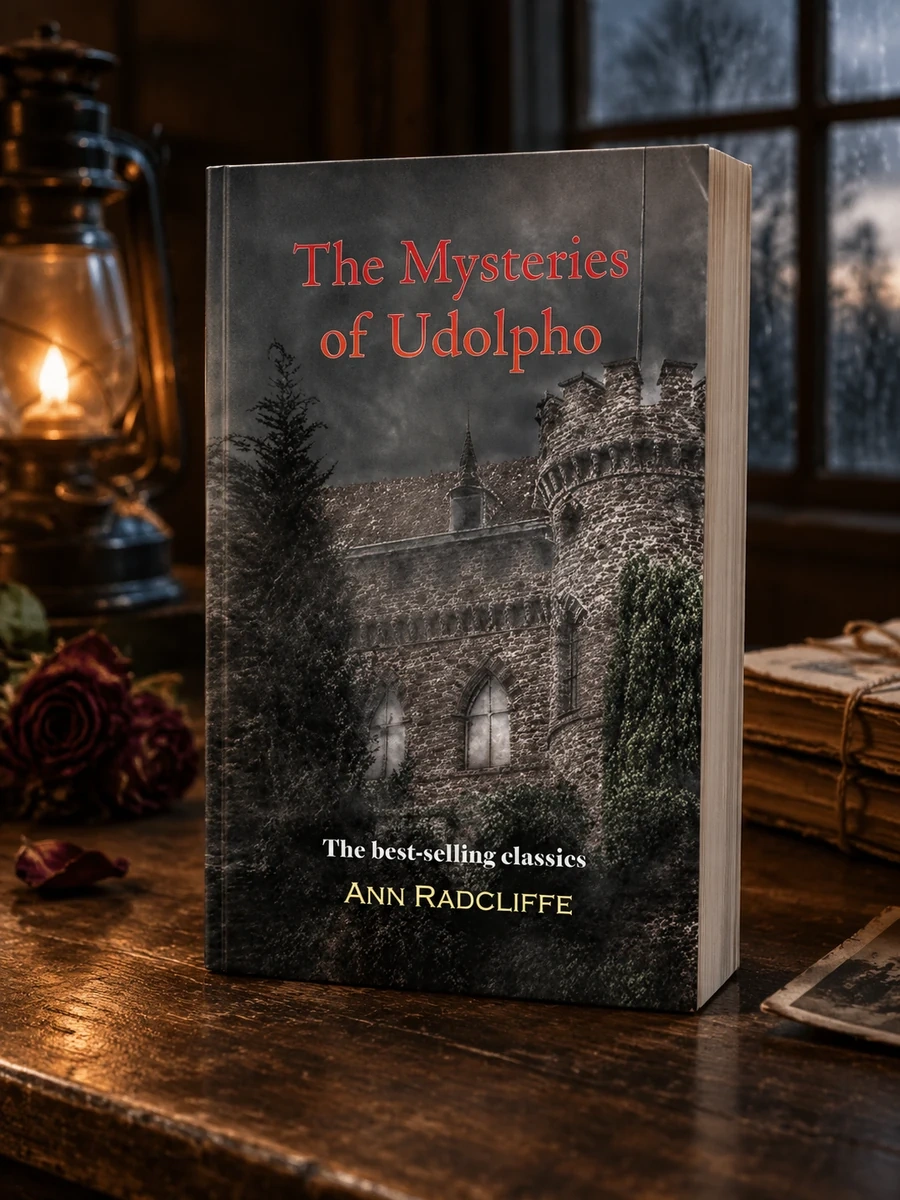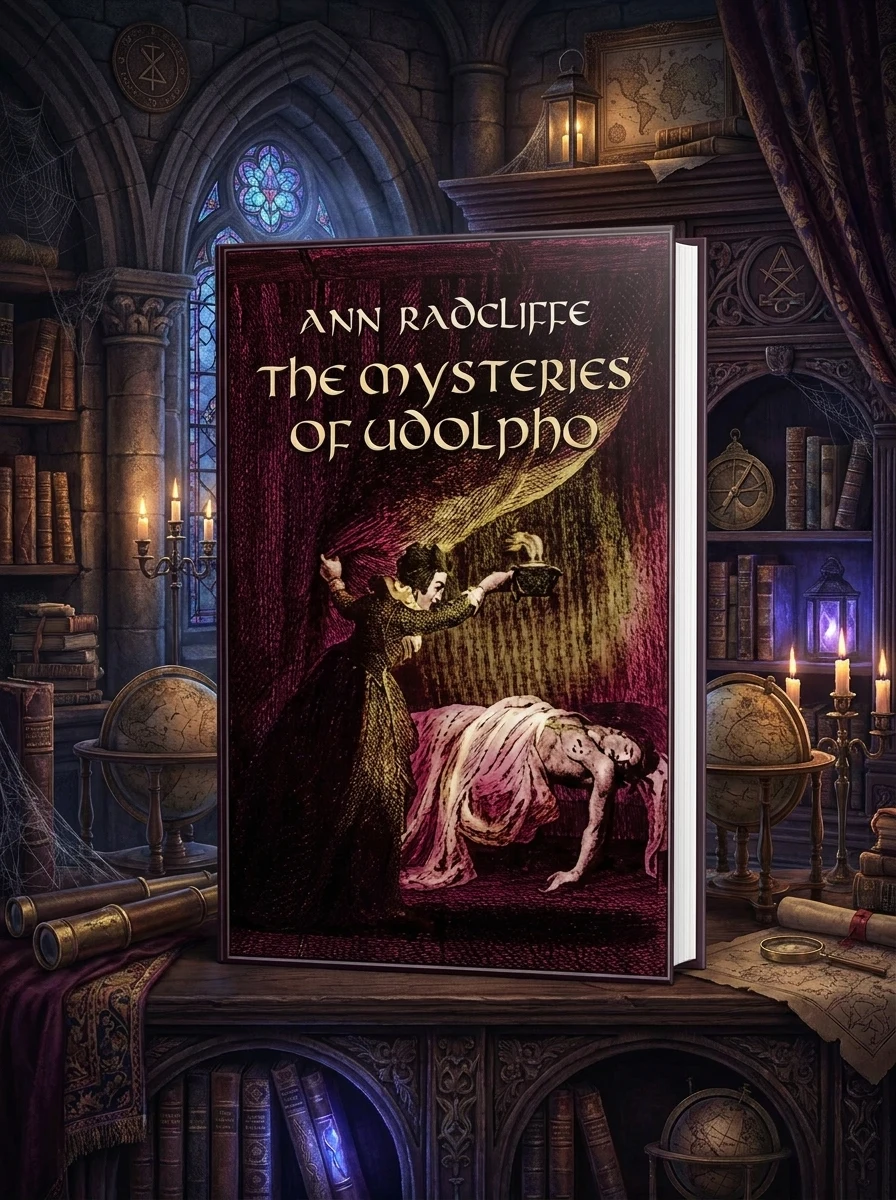
The Mysteries of Udolpho: A Romance
A classic Gothic novel following Emily St. Aubert through supernatural terrors and tragic losses.
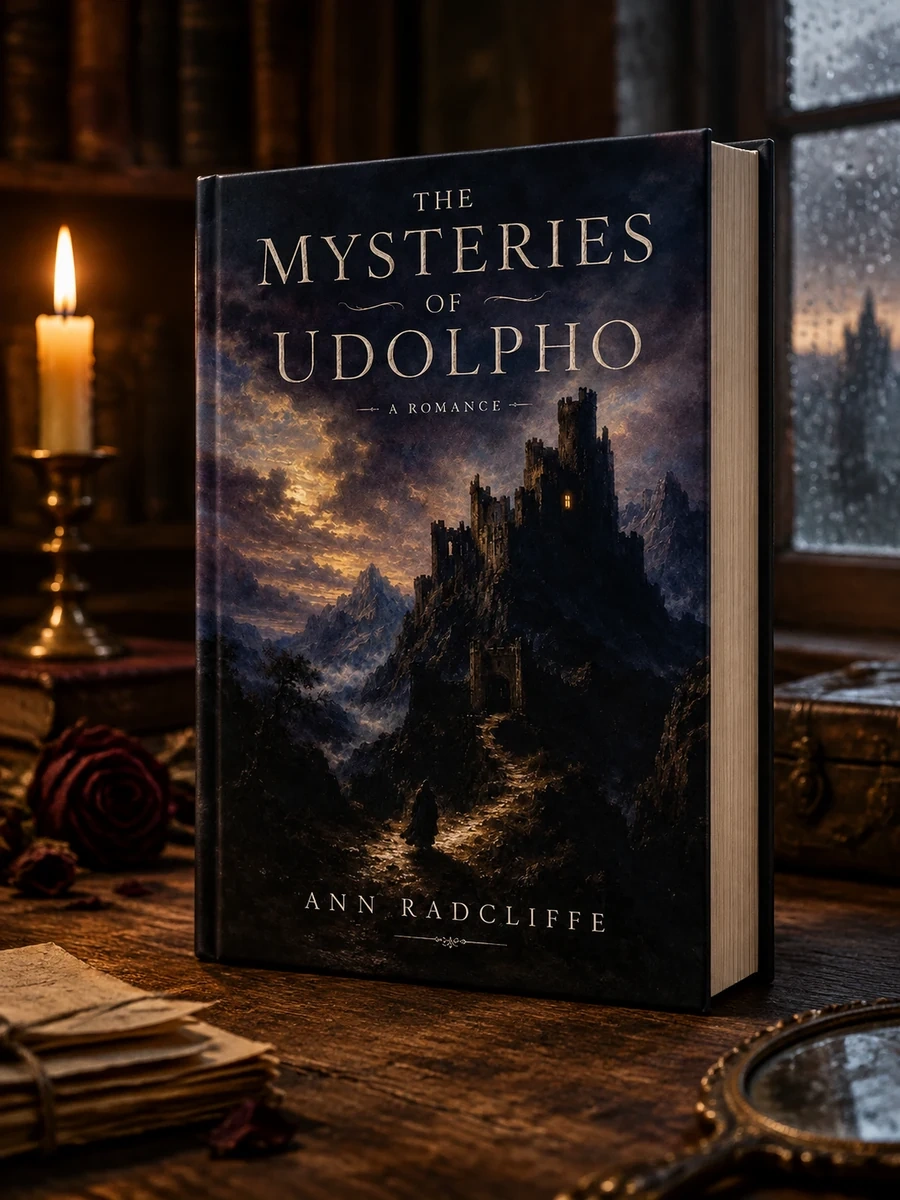
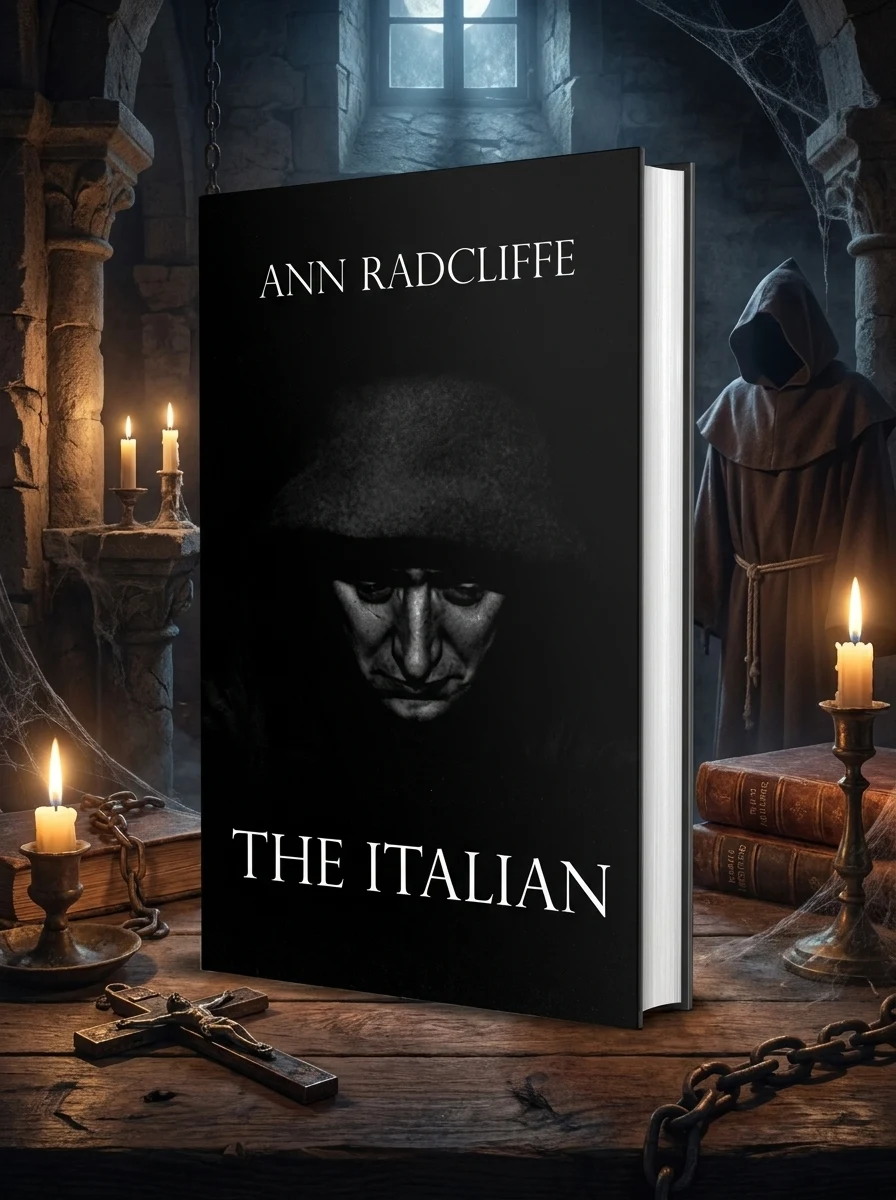
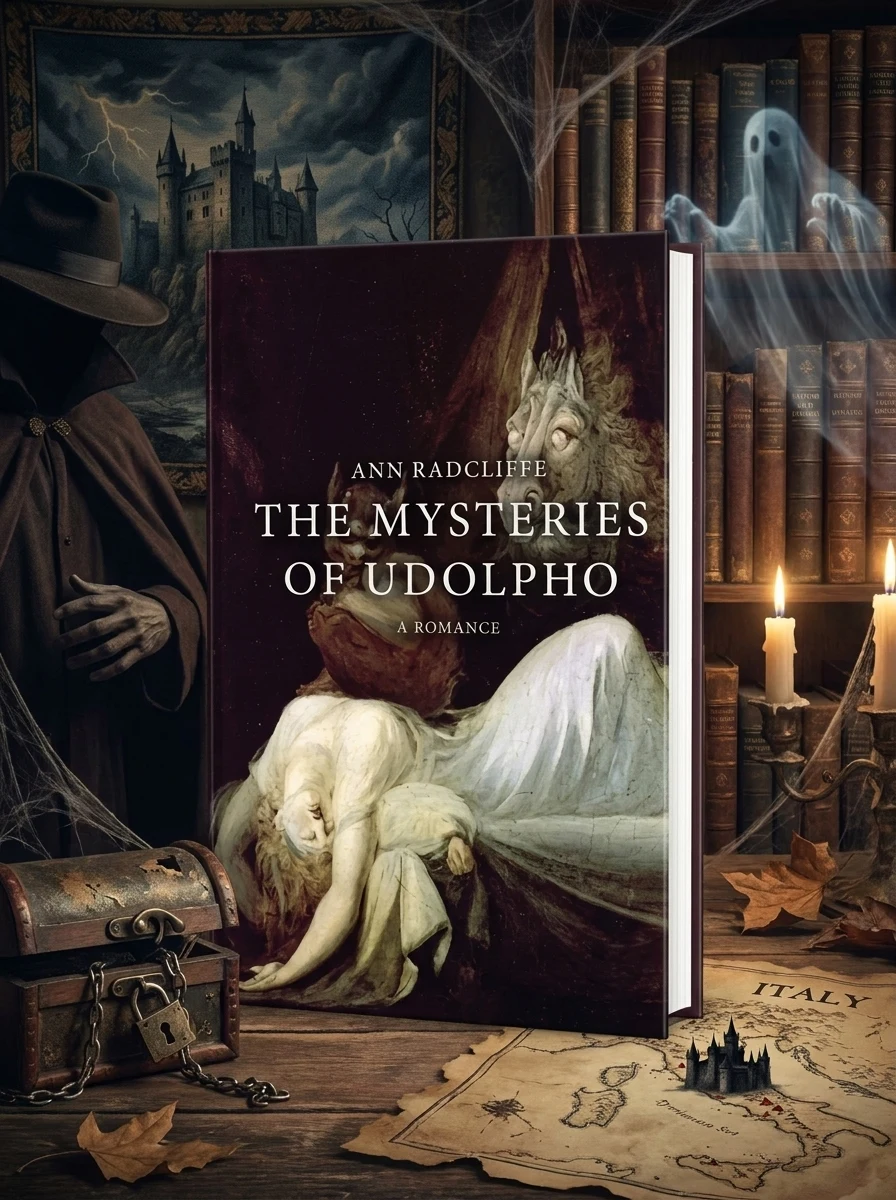
Radcliffe crafted this romance to establish conventions for the horror genre. The plot centers on Emily St. Aubert, who faces personal loss and external threats. Her father’s death triggers a sequence of events leading her into danger. She encounters supernatural elements in a castle designed to evoke dread. An Italian brigand adds human malice to the mix. This combination of natural and unnatural fears defines the book's appeal. It stands as a foundational text for understanding how Gothic fiction evolved. The narrative prioritizes atmosphere and emotional distress over action. Readers familiar with later horror tropes will recognize their origins here.
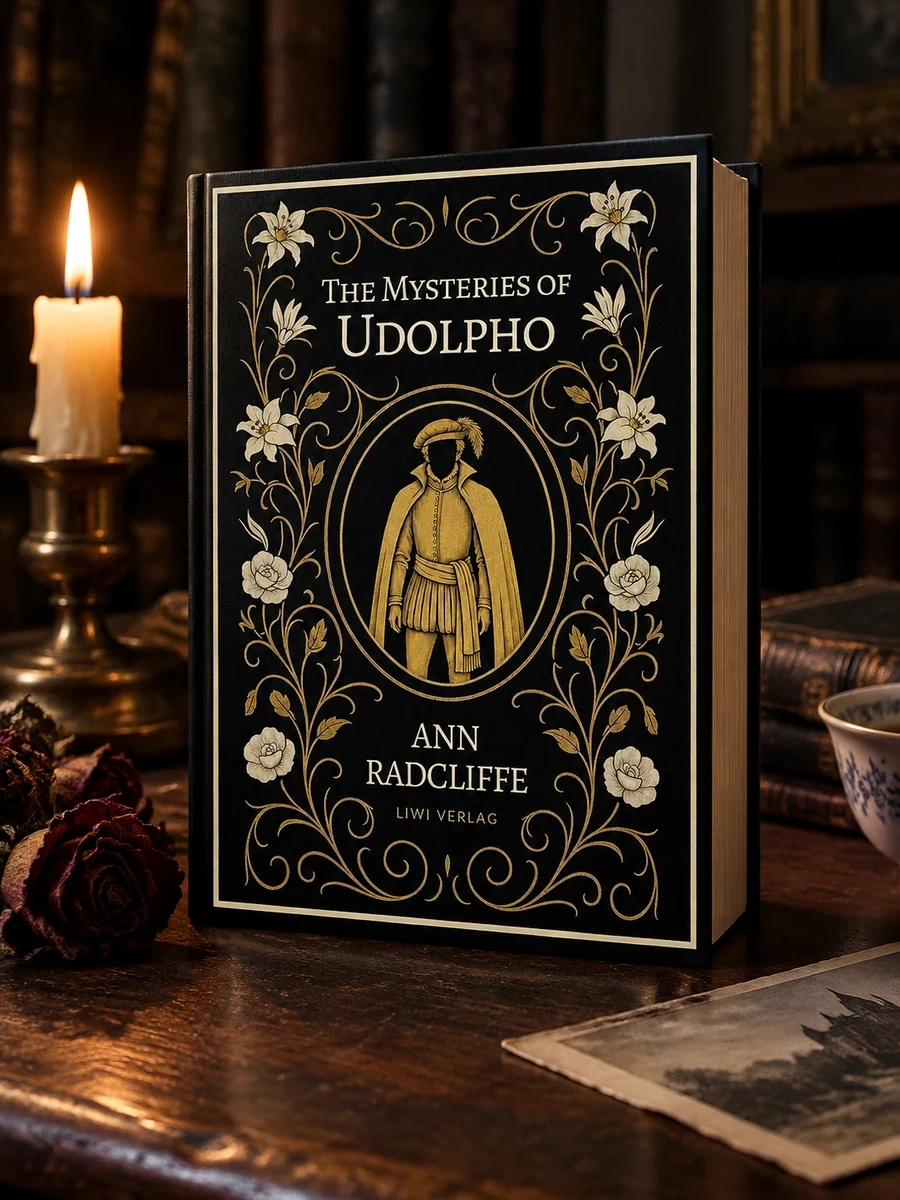
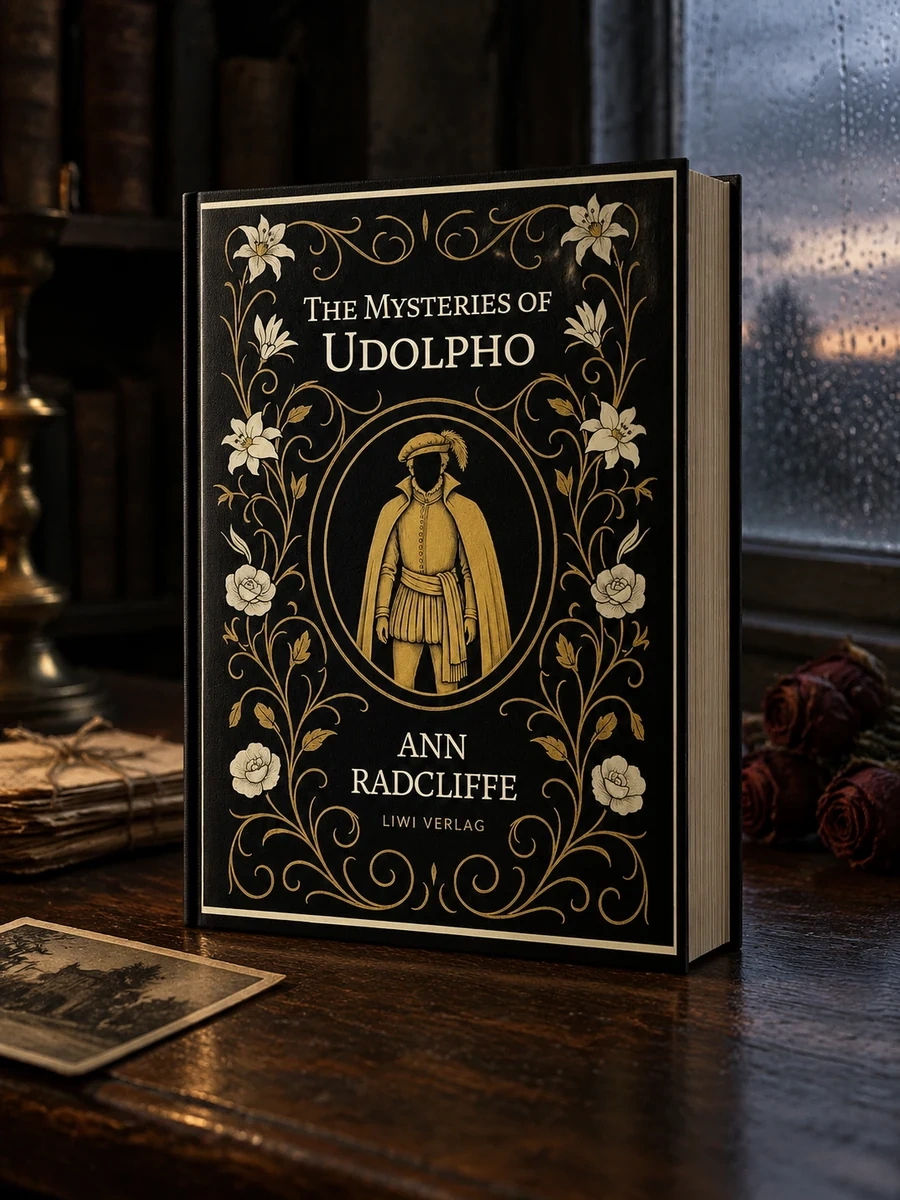
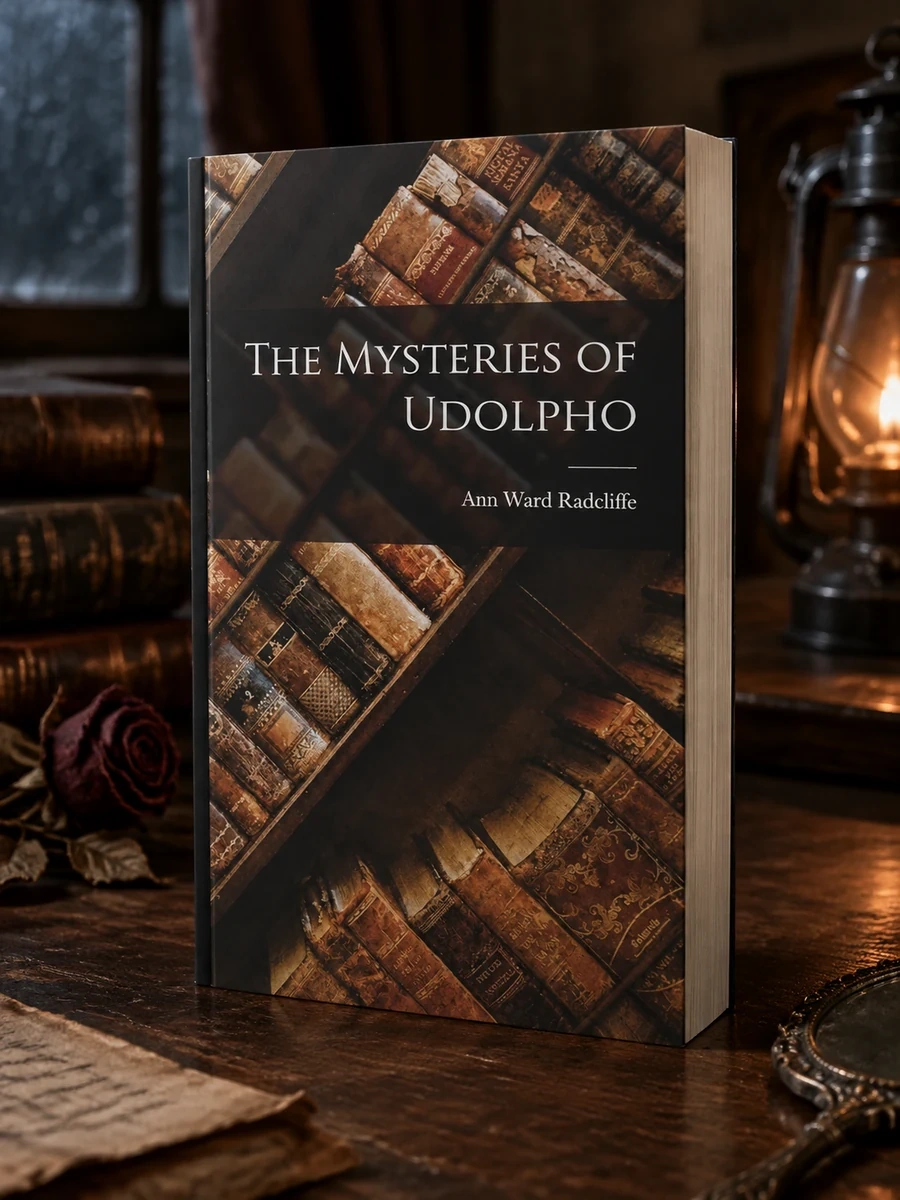
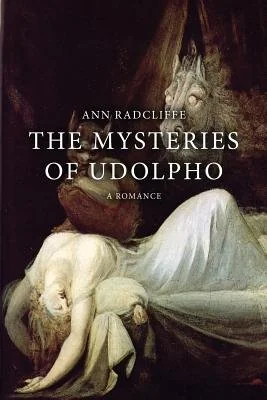
Published in 2015 by Createspace Independent Publishing Platform, this edition preserves the legacy of Radcliffe's work. The text is one of the first Gothic novels, playing a prominent role in defining the genre for future works of gothic fiction.


📝 Description: The Mysteries of Udolpho: A Romance
💎 Our verdict on The Mysteries of Udolpho: A Romance
📖 Why choose it
Why this book is worth reading
Readers interested in the origins of modern horror tropes will find this volume essential for understanding how early authors constructed tension through isolation and fear. It serves as a primary resource for those studying literary history or the development of supernatural tales. The narrative prioritizes atmospheric dread over rapid action, appealing to students of classic literature who wish to observe the structural evolution of Gothic fiction. While modern readers seeking fast-paced plots may find the buildup slow, enthusiasts of dark fantasy and psychological horror will appreciate the clear presentation of Radcliffe’s style without modern commentary.
⭐ Reader reviews
Reader rating
This work excels in crafting a pervasive sense of dread through its gloomy castle settings and the interplay between natural threats and supernatural terrors. Radcliffe effectively blends human malice with atmospheric unease, creating a template for future Gothic narratives. The focus on Emily St. Aubert’s emotional distress provides depth to the traditional romance framework. It suits readers who appreciate slow-burn tension and historical literary context over immediate gratification. Fans of cosmic horror or ghost stories will recognize the roots of their preferred scares in these pages. It is a vital study for anyone analyzing the transition from early Gothic conventions to contemporary horror, offering an unadulterated look at the genre’s formative period.