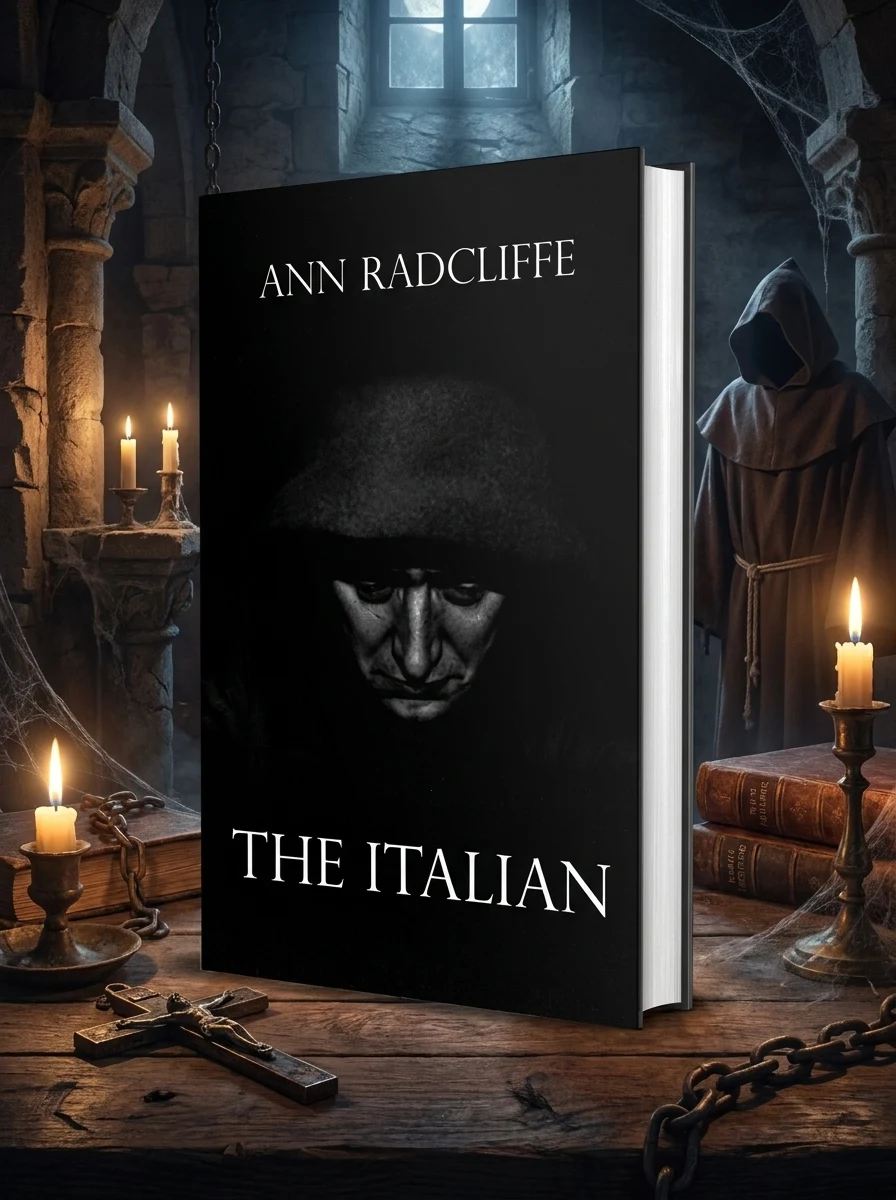
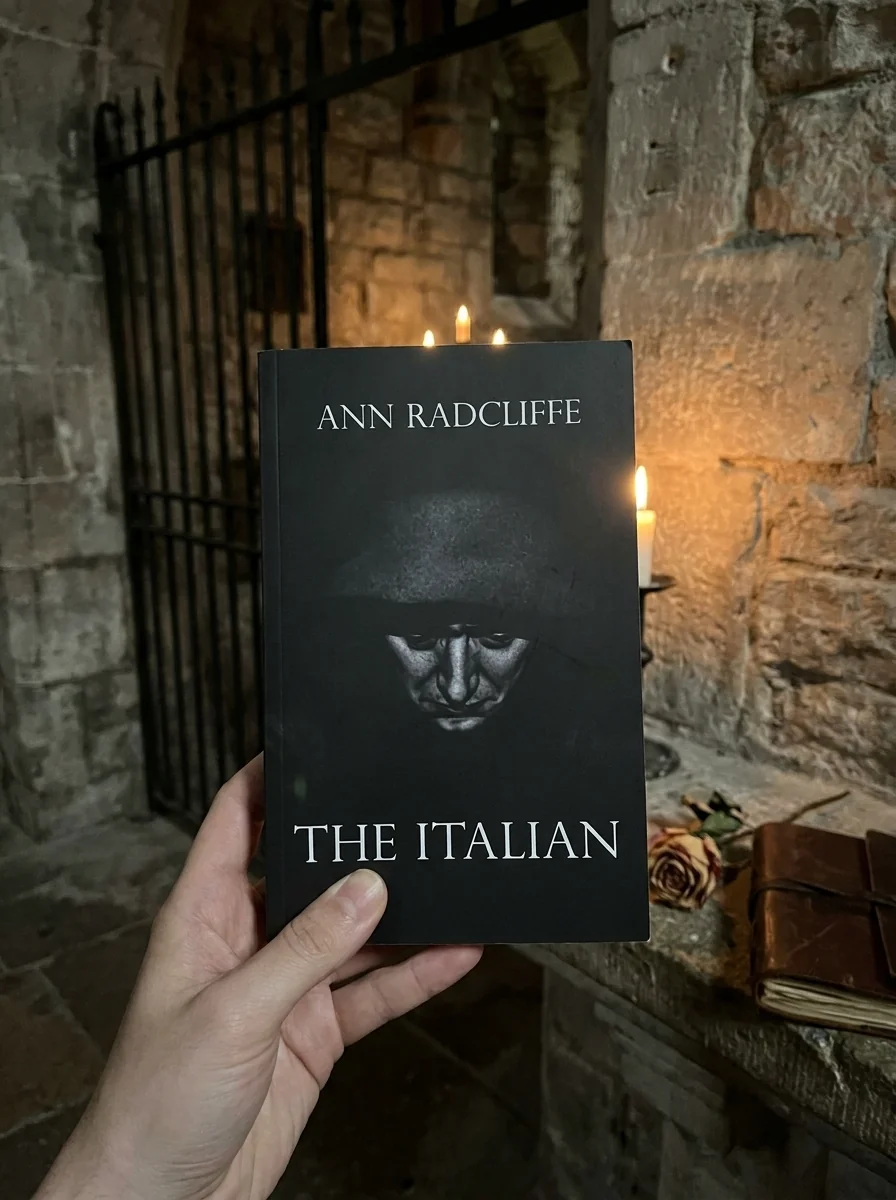
The Italian: Or the Confessional of the Black Penitents
Radcliffe's final novel explores Inquisition persecution through veiled imagery and disguise.
This volume examines the intersection of personal devotion and institutional oppression. Radcliffe constructs a narrative where concealment drives the plot forward. Father Schedoni operates as a formidable force within this framework. The story reflects the anxieties surrounding aristocracy and nationality during a turbulent historical period. Readers encounter a world where religious authority dictates personal fate. The text prioritizes atmospheric tension over explicit action. It offers a study of how disguise affects identity and relationships. The work remains relevant for its critique of power structures.
The narrative engages with issues prevalent at the time of the French Revolution. It examines religion, aristocracy, and nationality within that specific historical context. Radcliffe wrote this during a period of significant social upheaval in Europe.


📝 Description: The Italian: Or the Confessional of the Black Penitents
💎 Our verdict on The Italian: Or the Confessional of the Black Penitents
📖 Why choose it
Why this book is worth reading
Readers drawn to atmospheric tension and psychological depth will find this volume rewarding for its sophisticated exploration of disguise and identity. It appeals to those interested in the intersection of personal devotion and institutional oppression, offering a critique of power structures through veiled imagery. The narrative prioritizes complex character dynamics over explicit action, making it ideal for audiences who appreciate historical religious conflict and the subversion of religious authority. Fans of dark, mysterious tones will recognize Radcliffe's distinctive style in this serious contribution to horror and gothic literature, where concealment drives the plot forward with intricate symbolism.
⭐ Reader reviews
Reader rating
Radcliffe concludes her career with a somber narrative that masterfully employs veiled imagery to examine persecution by the Holy Inquisition. Father Schedoni emerges as a formidable antagonist, anchoring a story where concealment dictates personal fate and relationships. The text excels in building psychological and social tensions, reflecting era-specific anxieties about religion and aristocracy. While it may not suit readers seeking lighthearted romance or fast-paced action, it offers profound insight into how disguise affects identity. This work is best appreciated by those who value intricate symbolism and historical context within the gothic horror genre.
📖 Read on the blog
✍️ More books by this author Ann Ward Radcliffe




🏛 Books from this publisher Createspace Independent Publishing Platform






You might also like
See more →




Have a question about this item?
Ask about the edition, condition, delivery or anything else — we reply by email or phone, usually within a day.
