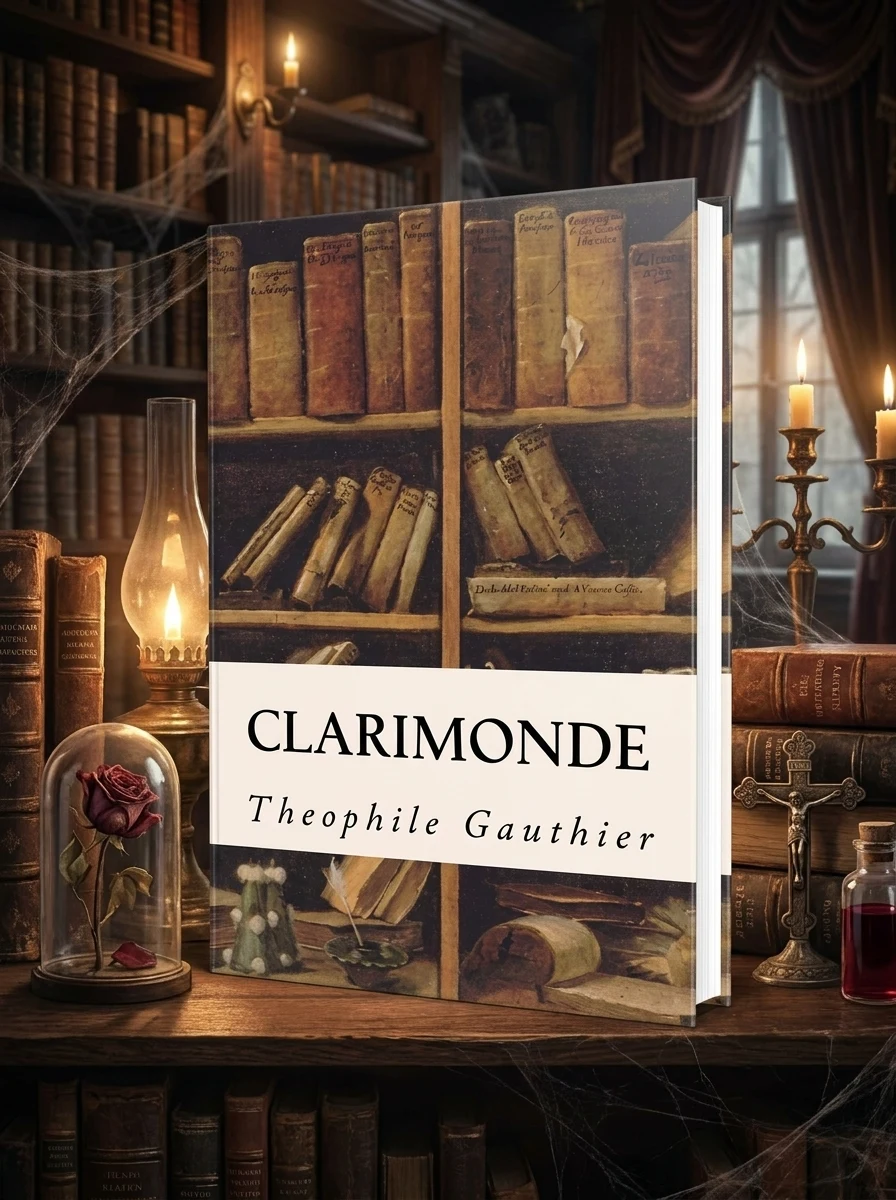
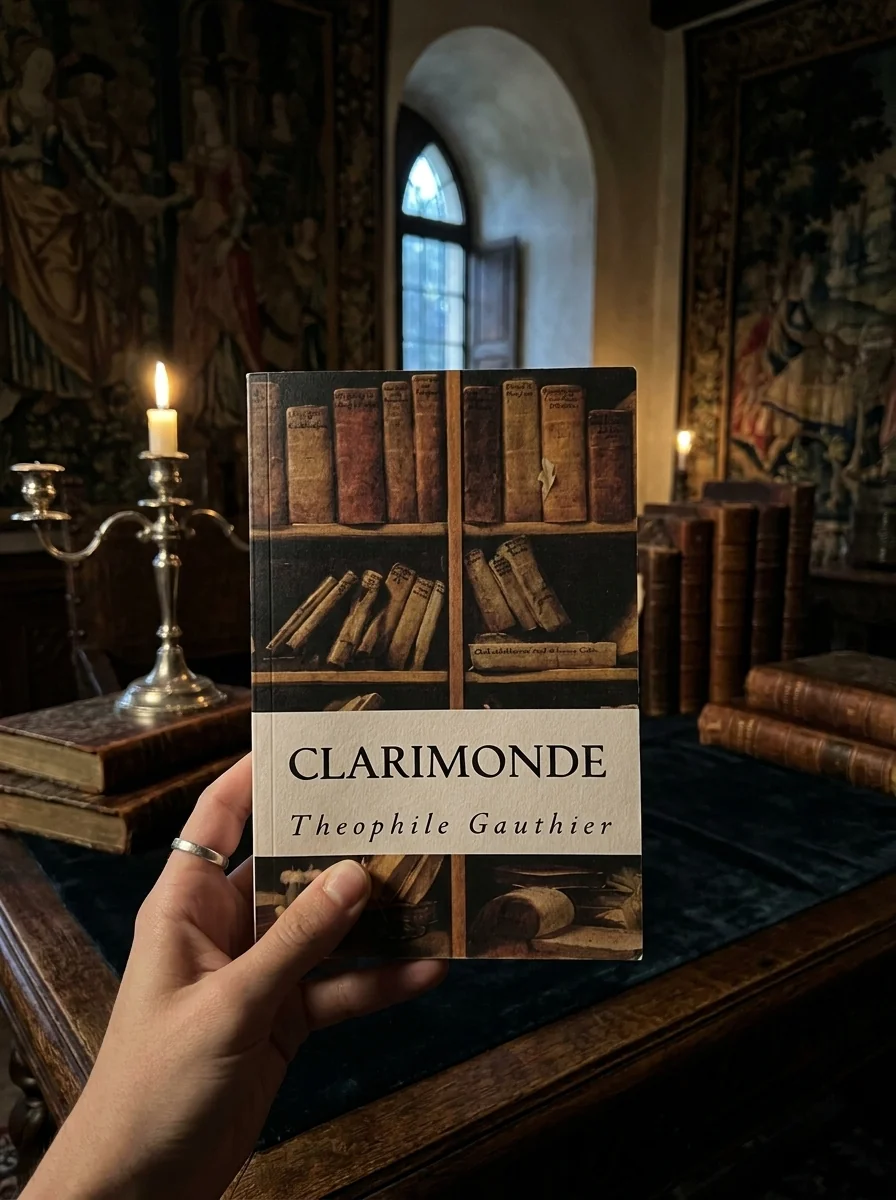
Clarimonde
Lafcadio Hearn presents Gautier's 1836 vampire short story about a priest and his undead lover.
The text examines the romantic and supernatural conflict between a clergyman and a vampiric woman. It reflects nineteenth century literary trends in France, specifically through its appearance in La Chronique de Paris. The work demonstrates early narrative techniques for portraying the undead. Hearn’s contribution ensures this specific tale remains accessible to contemporary audiences interested in the origins of vampire fiction. The story avoids complex subplots, focusing instead on the immediate emotional and moral dilemmas faced by the protagonist.
The story originates from France in 1836, appearing in La Chronique de Paris. It represents an early phase of European supernatural fiction, influencing later vampire narratives through its blend of religious guilt and romantic obsession.


📝 Description: Clarimonde
💎 Our verdict on Clarimonde
📖 Why choose it
Why this book is worth reading
Readers interested in the genealogy of vampire fiction will find this volume essential for understanding how early authors conceptualized the undead beyond mere folklore. It is particularly suited for those who appreciate the intersection of religious duty and forbidden desire, offering a concise look at the moral dilemmas faced by clergy in supernatural contexts. The text provides a bridge between nineteenth-century French literary trends and contemporary horror interests. Those who enjoy short fiction from the Victorian era will appreciate the immediate emotional focus without complex subplots. It appeals to scholars and enthusiasts of gothic literature seeking the origins of themes later popularized in modern horror. The narrative’s exploration of spiritual vows versus earthly passion offers a timeless conflict for fans of dark fantasy and psychological horror.
⭐ Reader reviews
Reader rating
This edition successfully preserves Lafcadio Hearn’s curation of Théophile Gautier’s significant 1836 tale, offering readers a direct window into early vampire lore. The narrative avoids convoluted plotting, focusing instead on the intense, immediate conflict between a priest and his vampiric lover. This approach highlights the development of supernatural themes in European literature during the nineteenth century. The work is best suited for readers who value historical context within horror fiction rather than modern twists or lengthy novels. It excels in demonstrating how early literary techniques portrayed the undead with emotional depth. Fans of gothic romance and the specific tension between spiritual repression and carnal desire will find this short story compelling. It stands as a vital artifact for understanding the roots of the genre.
📖 Read on the blog
✍️ More books by this author Lafcadio Hearn








🏛 Books from this publisher Createspace Independent Publishing Platform




You might also like
See more →

Have a question about this item?
Ask about the edition, condition, delivery or anything else — we reply by email or phone, usually within a day.
