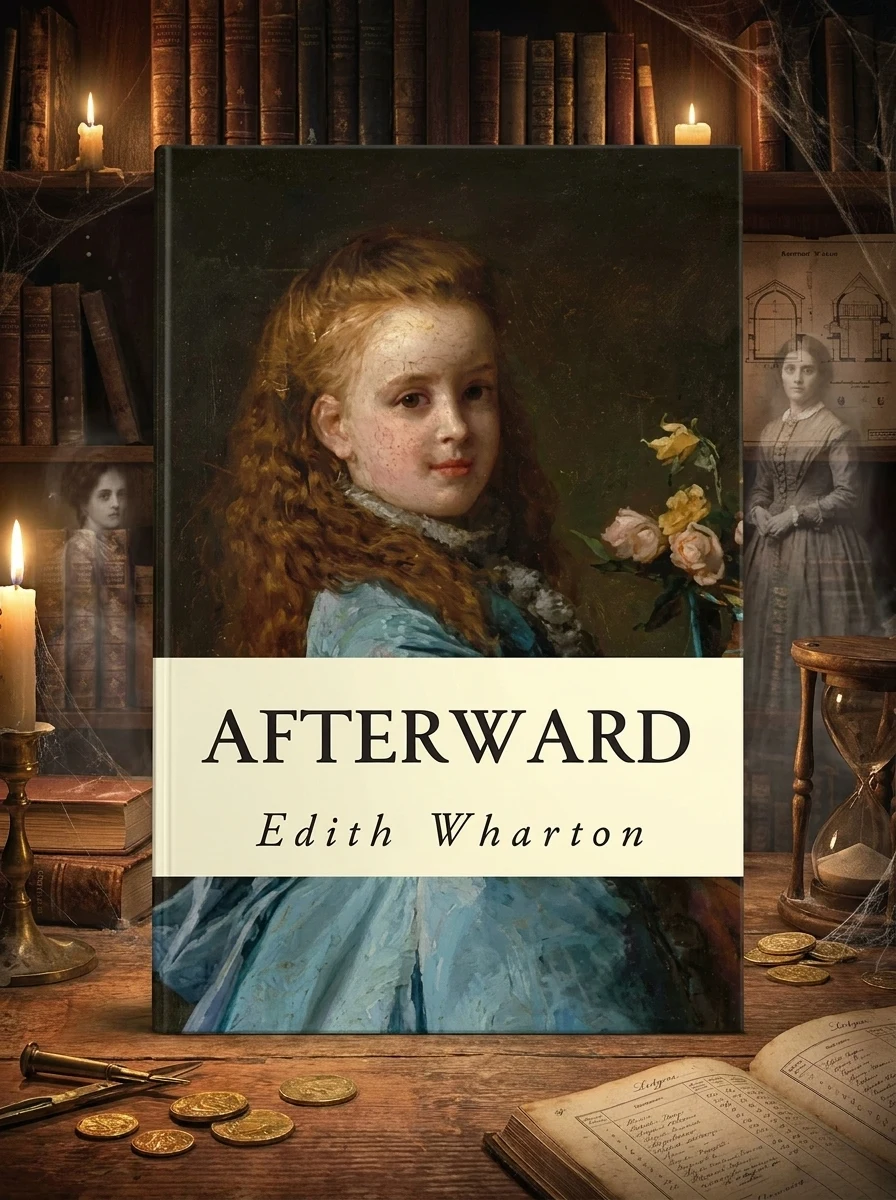
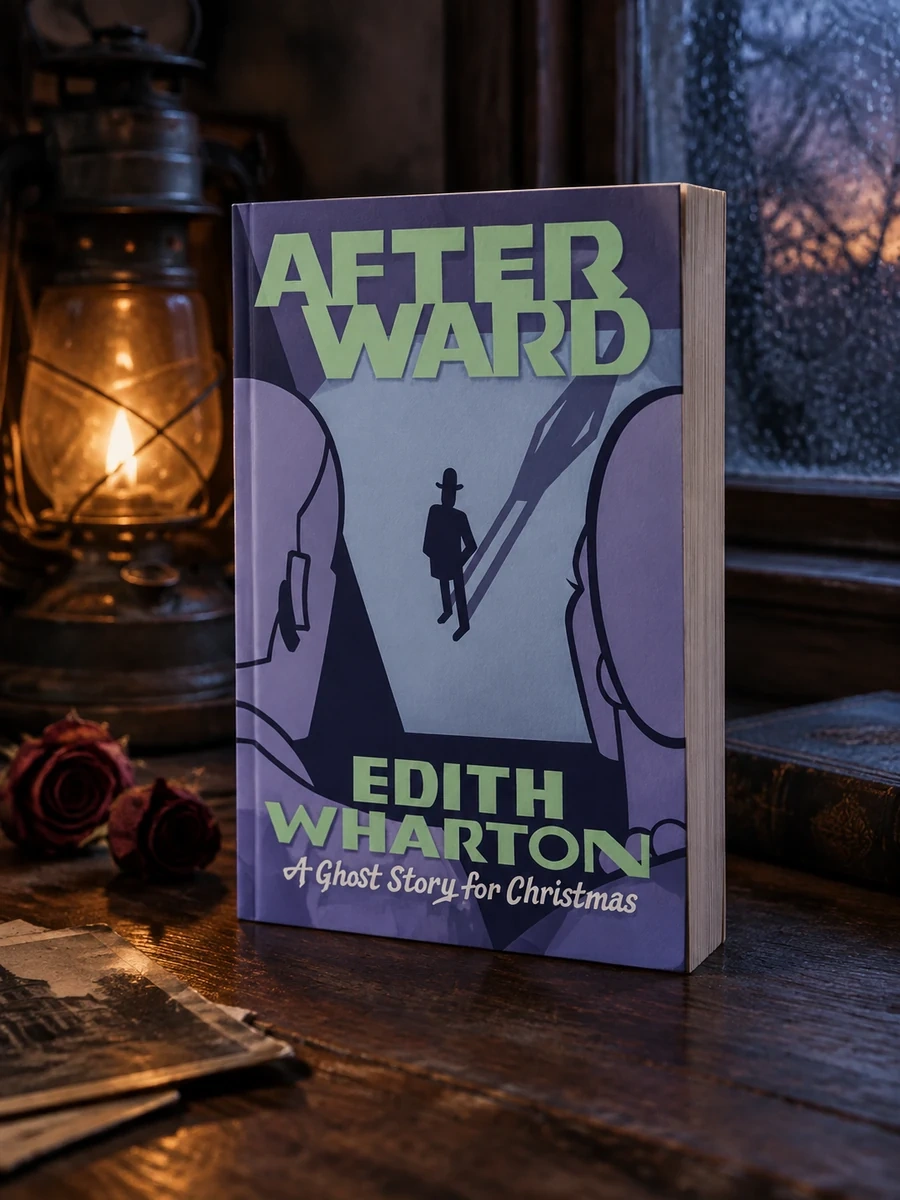
Afterward
A 1910 ghost story by Edith Wharton about delayed supernatural retribution for greed.
Wharton’s Afterward examines the lingering effects of ethical breaches in business dealings. The narrative focuses on a protagonist who committed a wrong against another individual, only to face consequences years later. This delay creates a unique tension, as the character believes they have escaped accountability. The ghost serves as an agent of justice, appearing when least expected. The story critiques the illusion of impunity and the inescapable nature of moral debts. Wharton’s prose remains crisp and unadorned, allowing the irony to drive the emotional impact. The tale reflects early twentieth century anxieties about wealth and social standing. It stands as a compact example of her ability to blend domestic realism with supernatural elements. Readers will find the ending both satisfying and unsettling in its finality.
The story first appeared in The Century Magazine in 1910. It later joined Tales of Men and Ghosts, published the same year. This places it firmly within early twentieth century American literary circles. Wharton wrote during a period where supernatural fiction often served as social commentary. Her work bridges the gap between traditional gothic tales and modern psychological horror.


📝 Description: Afterward
💎 Our verdict on Afterward
📖 Why choose it
Why this book is worth reading
Readers interested in the slow-burning examination of moral failure will find this volume rewarding, as it eschews modern horror tropes for a deliberate pacing that emphasizes the inevitability of justice. It is ideal for those who appreciate psychological horror and historical fiction, offering a nuanced portrayal of guilt without explicit violence. Fans of Edith Wharton’s literary precision will enjoy how she blends domestic realism with supernatural elements to critique the illusion of impunity. The story appeals to scholars and general readers alike by leaving the weight of past actions to be contemplated rather than shown, providing a satisfying yet unsettling finality that underscores the inescapable nature of moral debts.
⭐ Reader reviews
Reader rating
Wharton crafts a sharp, ironic ghost story that critiques greed through delayed supernatural retribution. Her crisp prose allows the narrative tension to arise from the protagonist’s false sense of security, making the eventual arrival of the ghost both inevitable and jarring. The book excels in its subtle exploration of ethical breaches in business dealings, using the spectral agent as a vessel for justice rather than mere terror. It suits readers who prefer implication over explicit violence and those drawn to early twentieth-century literary traditions. While not for fans of fast-paced action, it offers a compact, intellectually stimulating experience that balances accessible storytelling with deep thematic resonance regarding wealth and accountability.
📖 Read on the blog
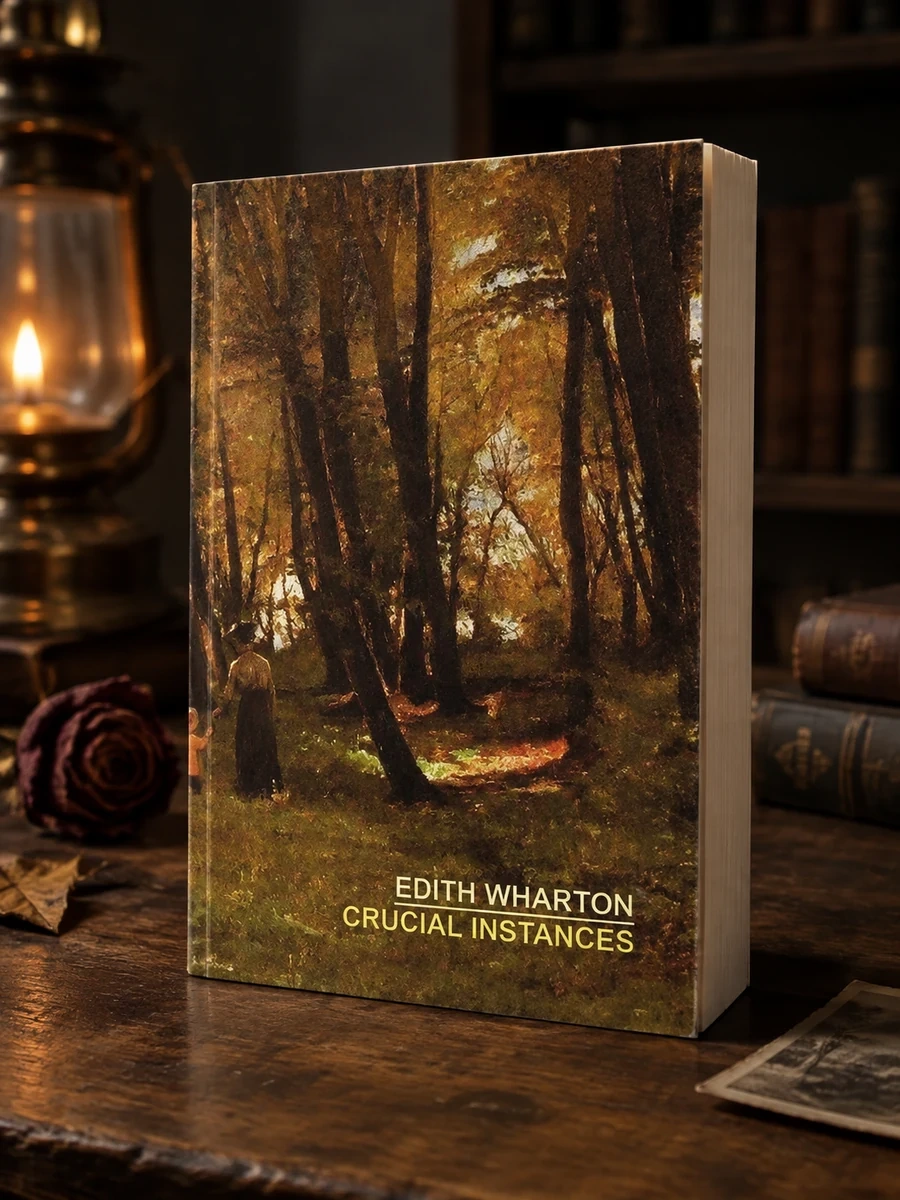
✍️ More books by this author Edith Wharton





🏛 Books from this publisher Createspace Independent Publishing Platform






You might also like
See more →

Have a question about this item?
Ask about the edition, condition, delivery or anything else — we reply by email or phone, usually within a day.
