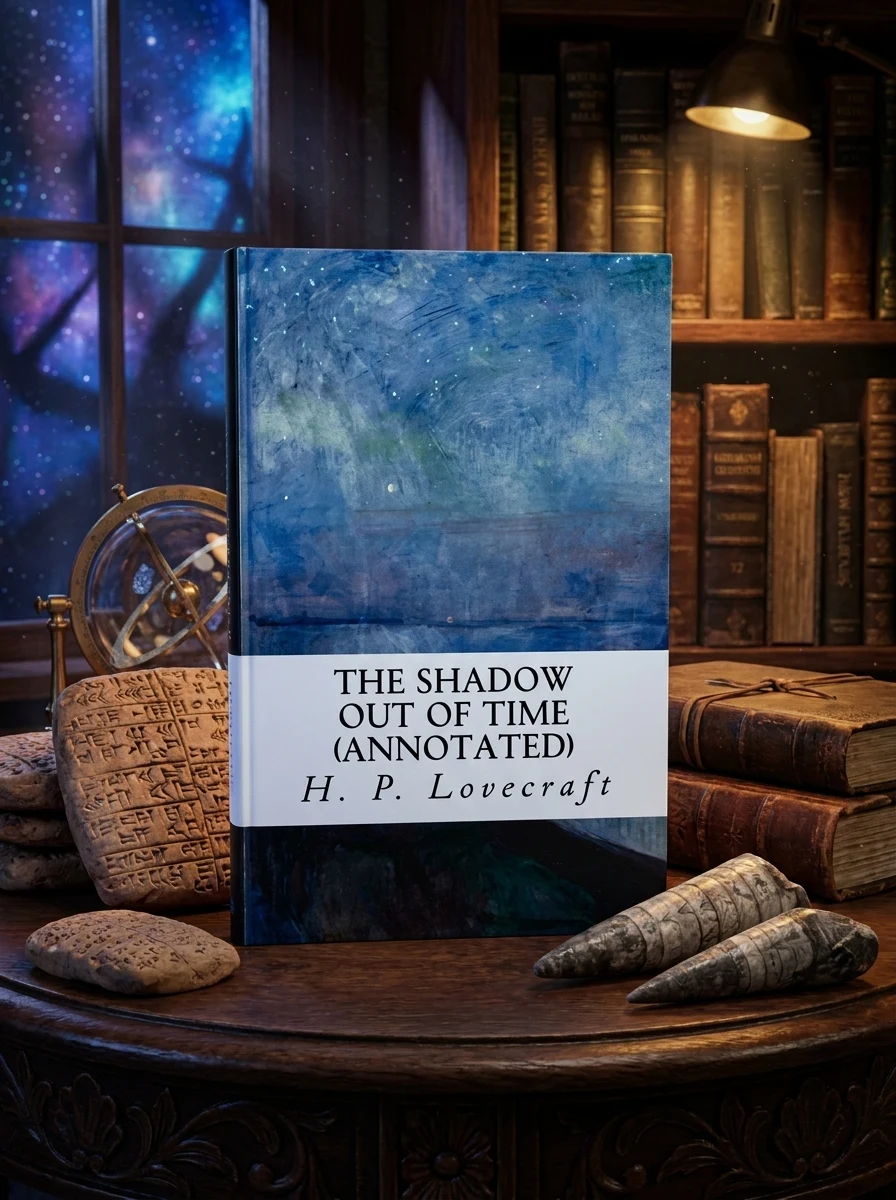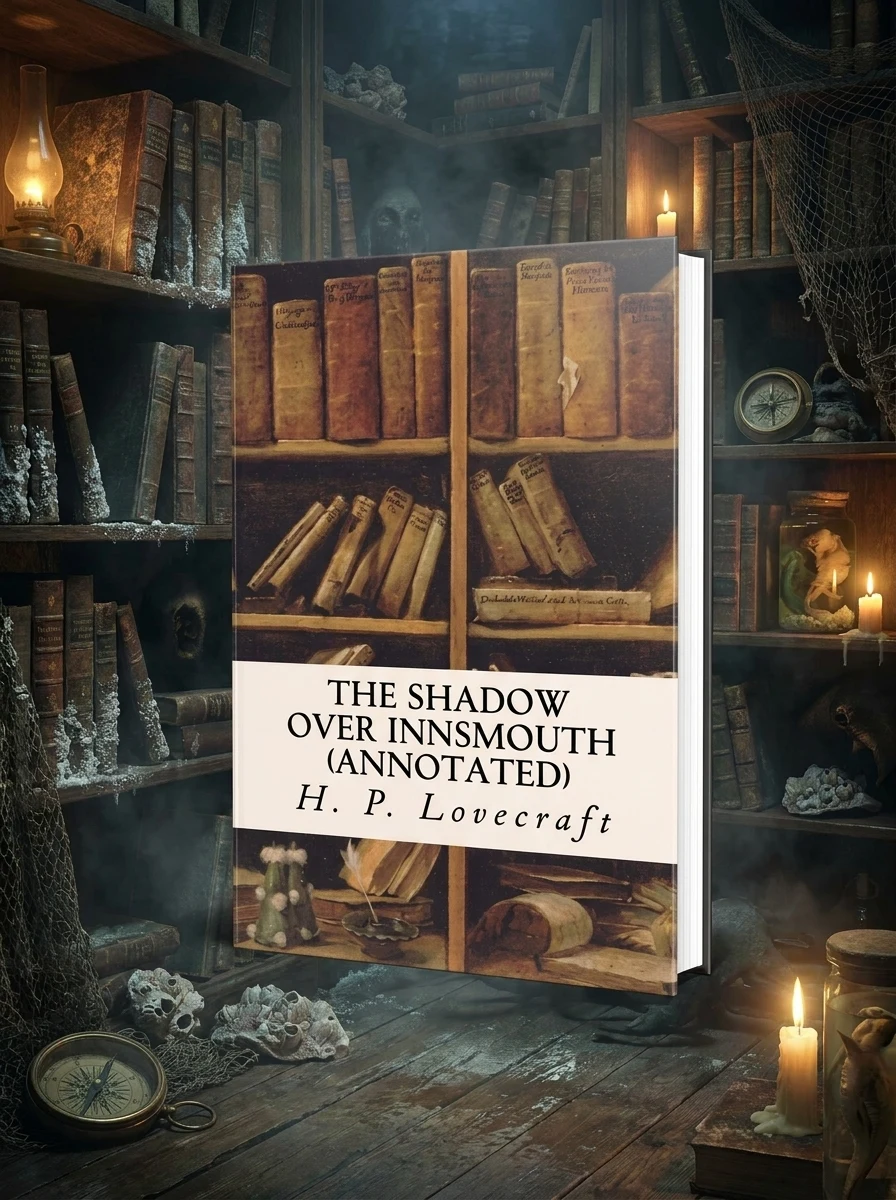
The Shadow Over Innsmouth (annotated)
An annotated edition of Lovecraft's tale of a seaside village with a monstrous hybrid population.
This volume offers a close reading experience of Lovecraft’s narrative about Innsmouth. The annotations provide necessary context for the strange biology and social decay depicted in the story. Readers gain insight into the author’s techniques for building unease through description rather than action. The text remains faithful to the original publication while adding scholarly notes that explain historical and literary references. This approach allows modern audiences to engage with the material without losing the original atmosphere. It is particularly useful for those studying the evolution of horror tropes in American literature.
This work sits within the tradition of American horror fiction from the early twentieth century. Lovecraft’s writing reflects the anxieties and gothic sensibilities of that period, focusing on isolation and the unknown. The story remains a key example of supernatural fiction that influenced later genres.


📝 Description: The Shadow Over Innsmouth (annotated)
💎 Our verdict on The Shadow Over Innsmouth (annotated)
📖 Why choose it
Why this book is worth reading
Readers interested in the evolution of horror tropes in American literature will find this annotated edition particularly valuable for understanding Lovecraft’s unique approach to cosmic fear and isolation. The scholarly notes provide necessary context for the strange biology and social decay depicted, clarifying dense prose and obscure references typical of his era. It is ideal for students of horror fiction or collectors who wish to examine the construction of fear in early American weird fiction without losing the original atmospheric unease. By offering a close reading experience, it allows modern audiences to engage deeply with thematic concerns and literary techniques that define this major figure in horror literature.
⭐ Reader reviews
Reader rating
This edition successfully bridges the gap between classic gothic storytelling and modern scholarly analysis. Lovecraft’s narrative builds unease through description rather than action, creating a slow-burn tension that appeals to those who appreciate atmospheric dread over fast-paced thrills. The annotations are essential for decoding the specific elements of his writing style and the historical context of the hybrid creatures. While it may not suit readers seeking lighthearted entertainment, it is a vital resource for understanding early twentieth-century supernatural tales. The volume remains faithful to the original publication while adding depth, making it a compelling study of isolation and the unknown for dedicated horror enthusiasts.