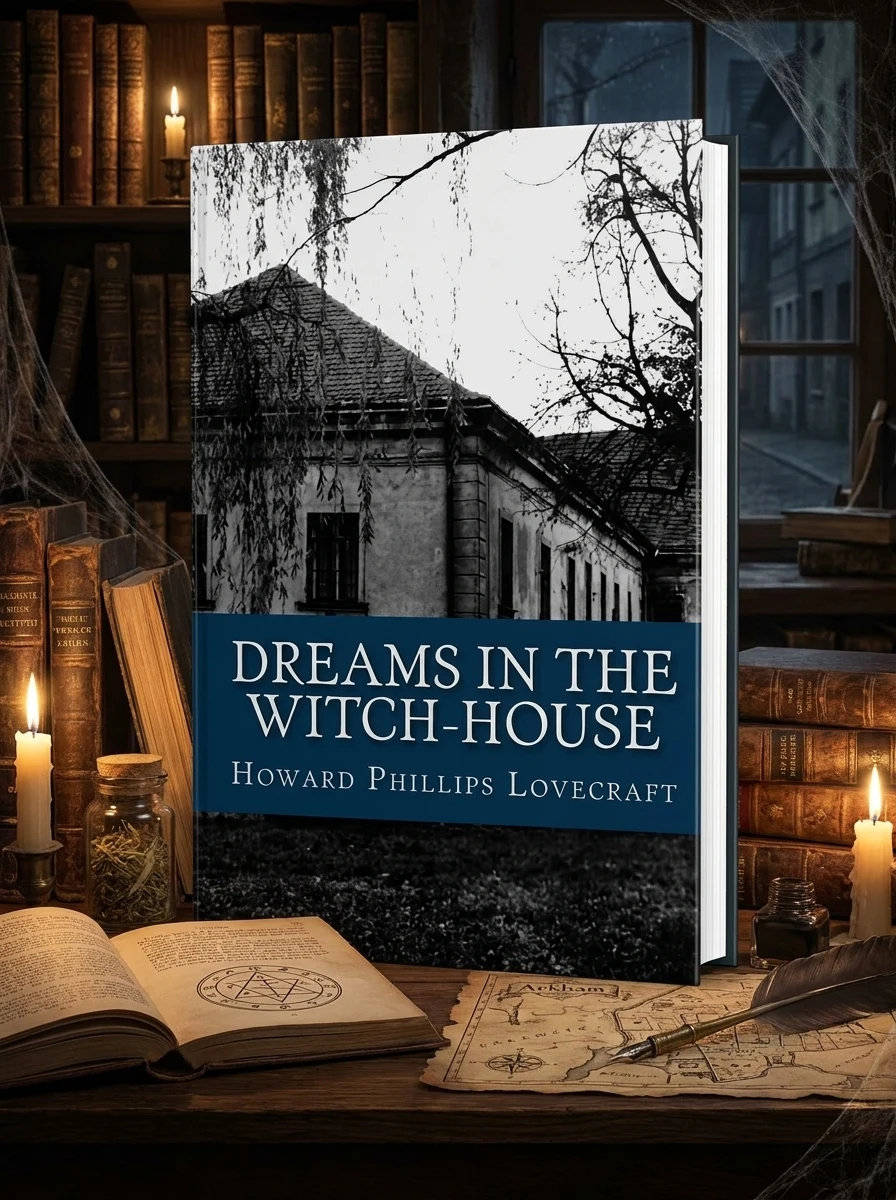
Dreams in the Witch-House
A math student investigates a cursed house linked to a vanished Salem witch.
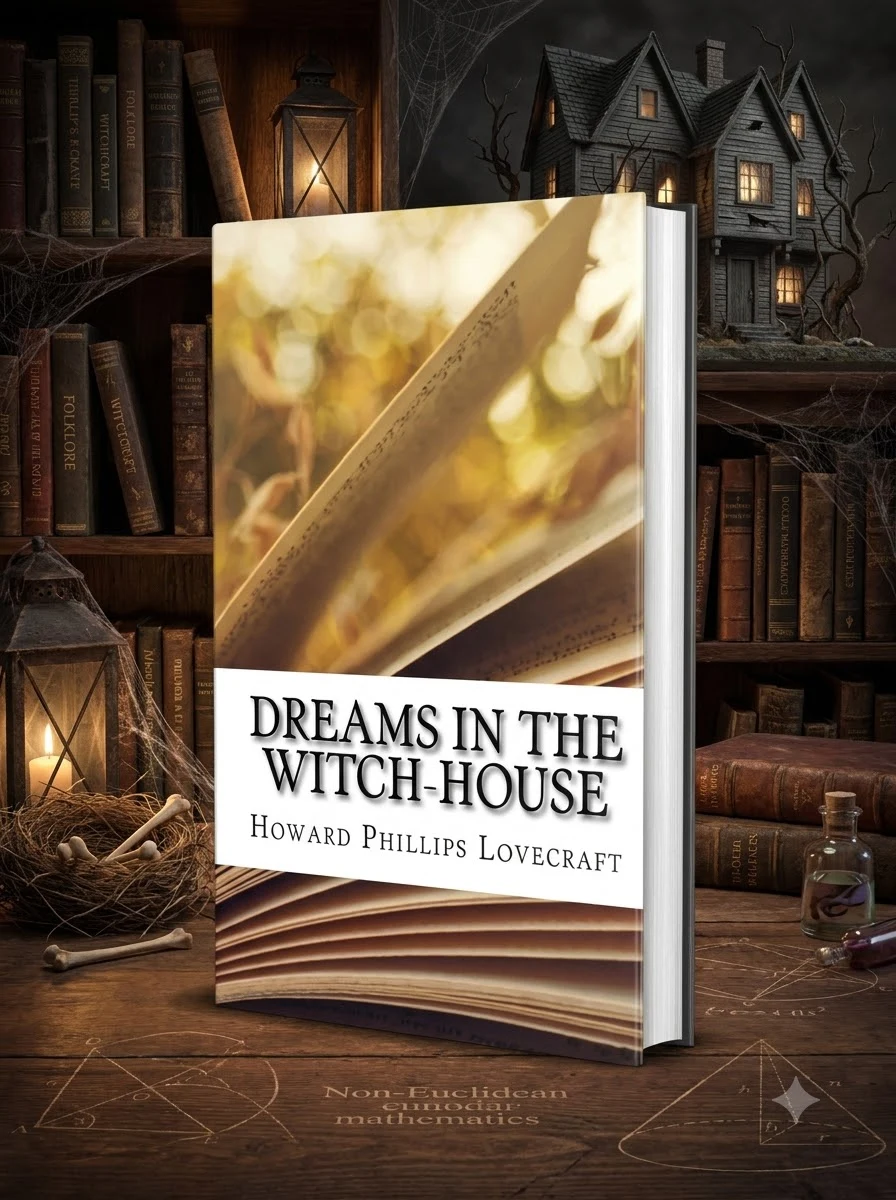
Walter Gilman studies mathematics and folklore at Miskatonic University while living in Arkham's Witch House. The narrative traces the building's dark history, starting with Keziah Mason, an accused witch who disappeared from a Salem gaol in 1692. Gilman discovers that most occupants have died prematurely over two centuries. Lovecraft uses this setting to explore the intersection of academic study and supernatural horror. The story relies on historical records and personal observation to build its atmosphere. It appeals to readers interested in gothic fiction and early weird literature. Those preferring clear resolutions may find the ending ambiguous.
This work sits within the tradition of American weird fiction. It draws on the historical period of Salem in 1692. The narrative connects academic study at Miskatonic University with local Arkham lore. Lovecraft blends mathematical inquiry with supernatural dread.


📝 Description: Dreams in the Witch-House
💎 Our verdict on Dreams in the Witch-House
📖 Why choose it
Why this book is worth reading
Readers who appreciate slow-building tension and atmospheric dread will find value in this narrative. It appeals to those interested in the intersection of academic rigor and supernatural horror, particularly how folklore influences mathematical inquiry within a cursed environment. Fans of early weird literature and gothic fiction seeking an exploration of decay and mystery will enjoy the historical depth. However, it may not suit those preferring fast-paced action or clear resolutions, as the ending remains ambiguous.
⭐ Reader reviews
Reader rating
Lovecraft masterfully establishes a malevolent atmosphere by weaving historical records with personal observation. The narrative effectively traces the Witch House's dark lineage to Keziah Mason, creating a sense of inevitable doom. While the pacing is deliberate and the tone heavy, this suits fans of psychological horror who enjoy intellectual engagement. The text excels in blending academic study with cosmic dread, offering a unique perspective on the supernatural. It is best appreciated by those who value atmosphere over plot resolution, providing a profound look at the decay inherent in cursed spaces.