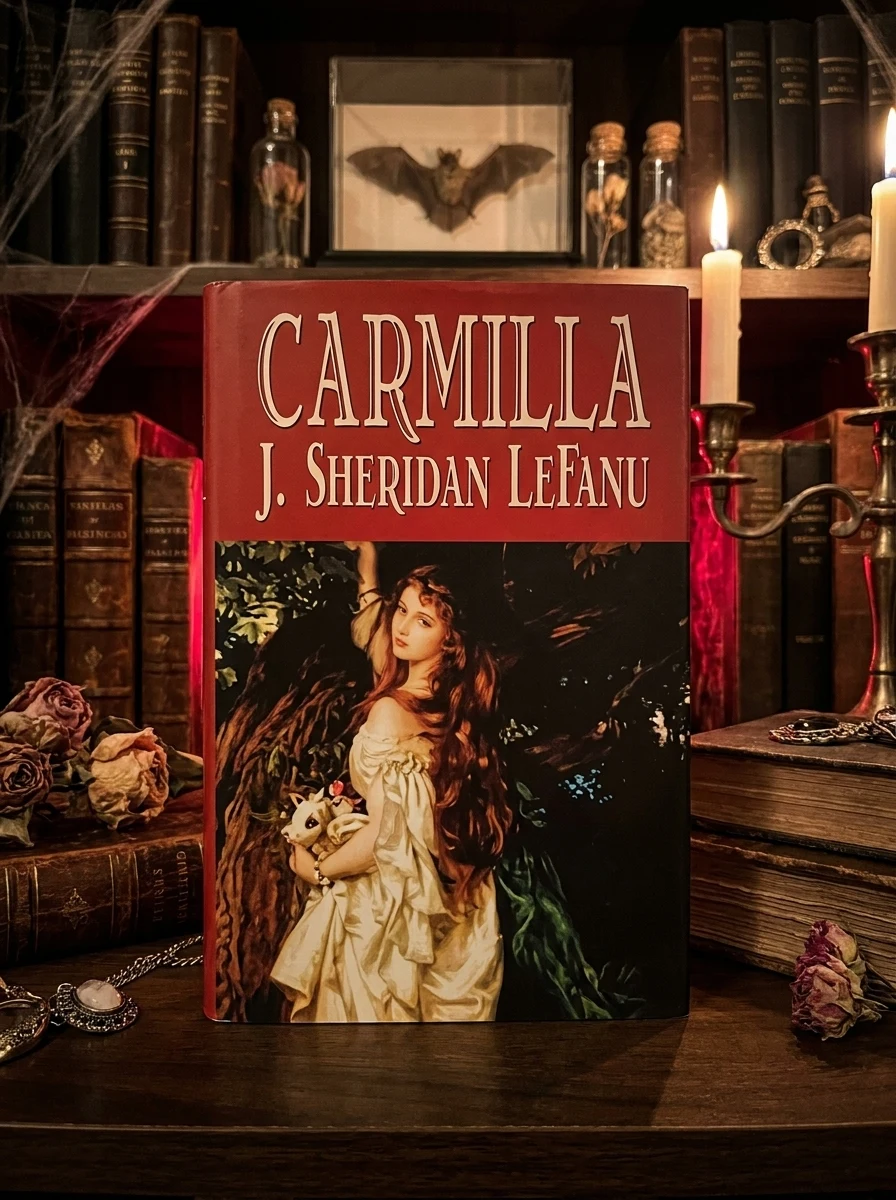

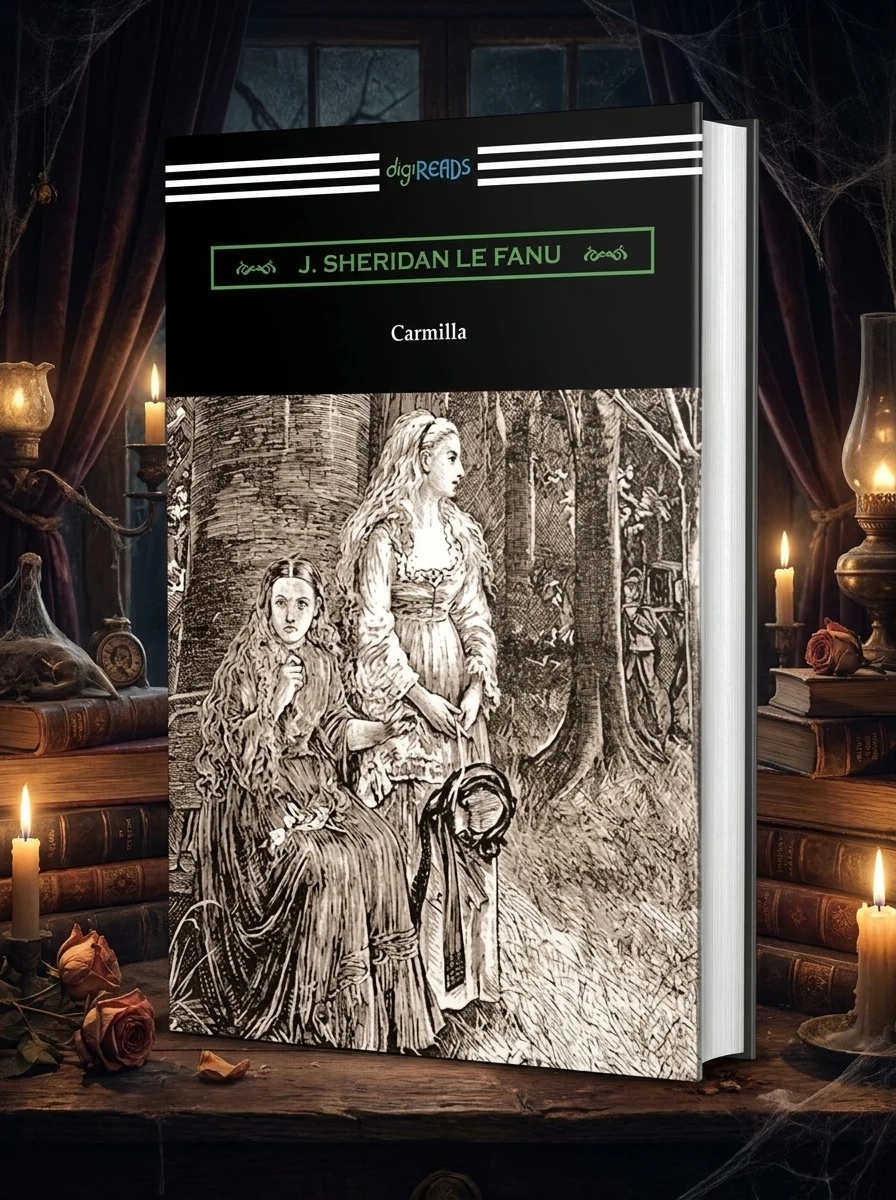
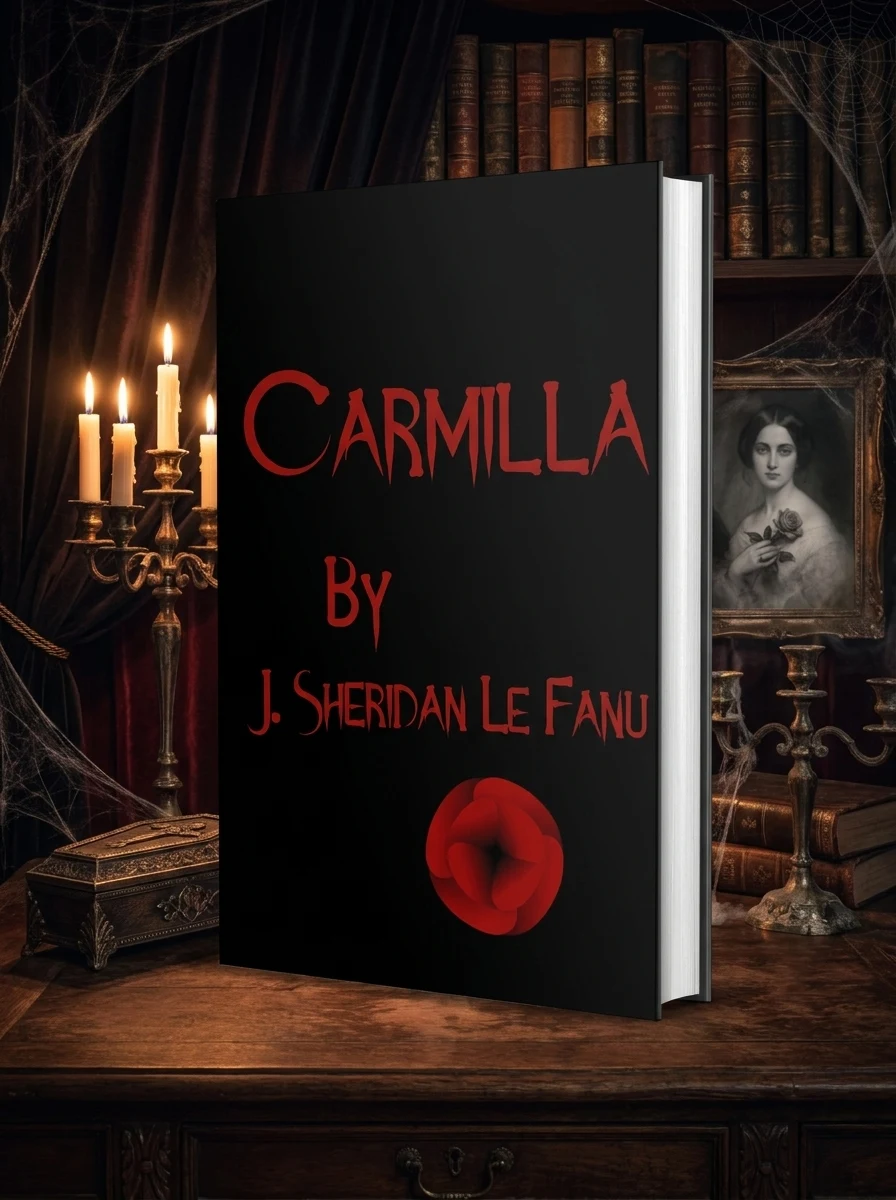
Carmilla by J. Sheridan LeFanu, Fiction, Literary, Horror, Fantasy
A 1872 serial about a young woman targeted by a female vampire named Carmilla.
Le Fanu’s novella presents a unique entry in the history of horror literature. The story centers on Mircalla, Countess Karnstein, who assumes the identity of Carmilla to prey upon a young woman. The narrative avoids direct commentary on sexual orientation, instead weaving romantic desire into the supernatural plot. This approach creates a morally ambiguous atmosphere that distinguishes it from later vampire tales. The work’s legacy stems from its early publication date and its influence on subsequent cultural adaptations. It stands as a key text for understanding the evolution of gothic fiction in the late nineteenth century.
Published in 2005 by Wildside Press, this edition preserves Le Fanu’s original serial from The Dark Blue (1871–72). It predates Bram Stoker's Dracula by twenty-six years, establishing an early tradition of vampire fiction that influenced later gothic and supernatural narratives.


📝 Description: Carmilla by J. Sheridan LeFanu, Fiction, Literary, Horror, Fantasy
💎 Our verdict on Carmilla by J. Sheridan LeFanu, Fiction, Literary, Horror, Fantasy
📖 Why choose it
Why this book is worth reading
Readers interested in the historical roots of vampire fiction will find Carmilla essential for understanding the genre's evolution. Those who appreciate gothic literature and psychological horror over physical action will gain insight into how romantic desire was woven into supernatural plots without explicit modern categorizations. The book offers a unique perspective on moral ambiguity, making it compelling for fans of literary horror who enjoy exploring the subtle tensions between predation and affection in early supernatural tales.
⭐ Reader reviews
Reader rating
Le Fanu’s novella excels in establishing a morally ambiguous atmosphere that distinguishes it from later vampire tales. By focusing on psychological tension rather than explicit action, the narrative creates a compelling study of predatory desire within a gothic framework. The work is particularly suited for readers who value historical context and literary influence over straightforward horror tropes. While some may find the lack of explicit modern identity labels challenging, the text remains a prototypical example of its subgenre. Its legacy in film and media adaptations underscores its enduring significance as a key text for understanding the development of horror literature in the late nineteenth century.
📖 Read on the blog
✍️ More books by this author J Sheridan Le Fanu
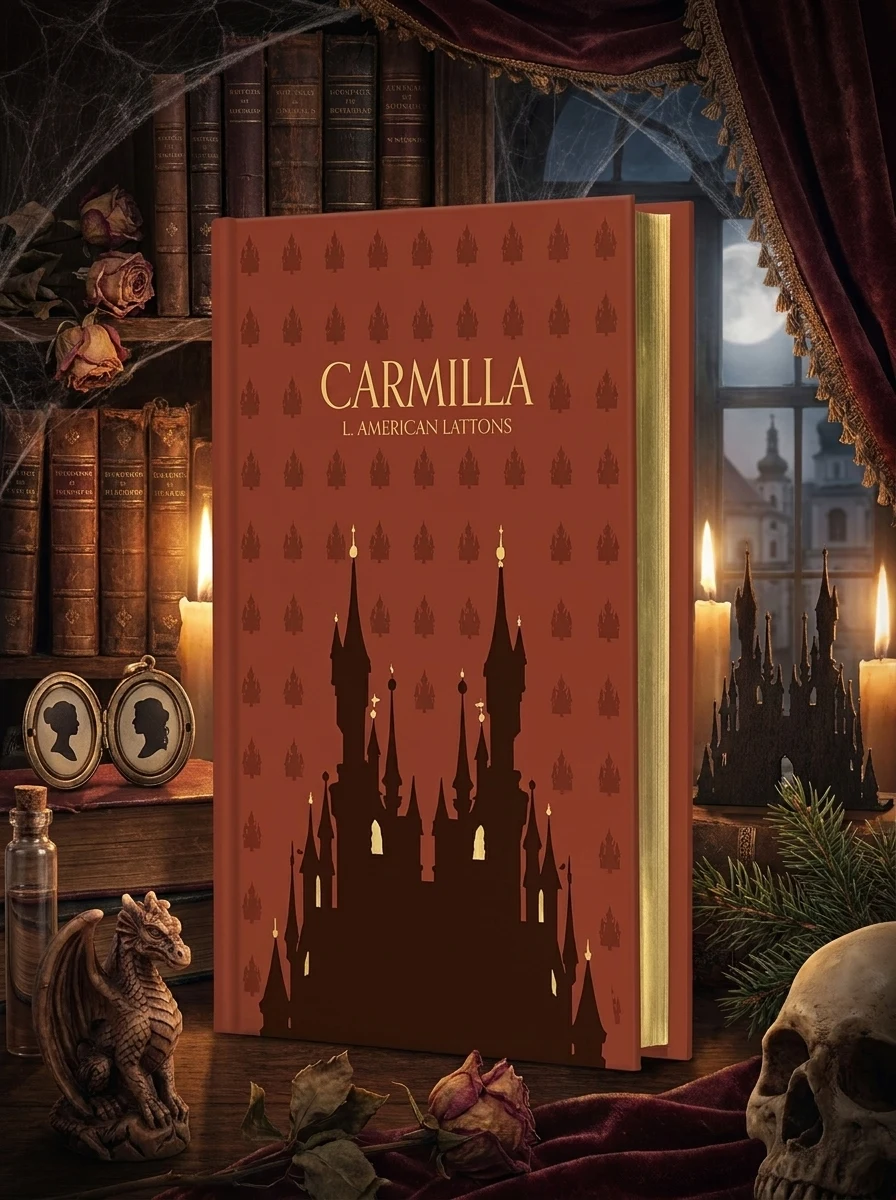


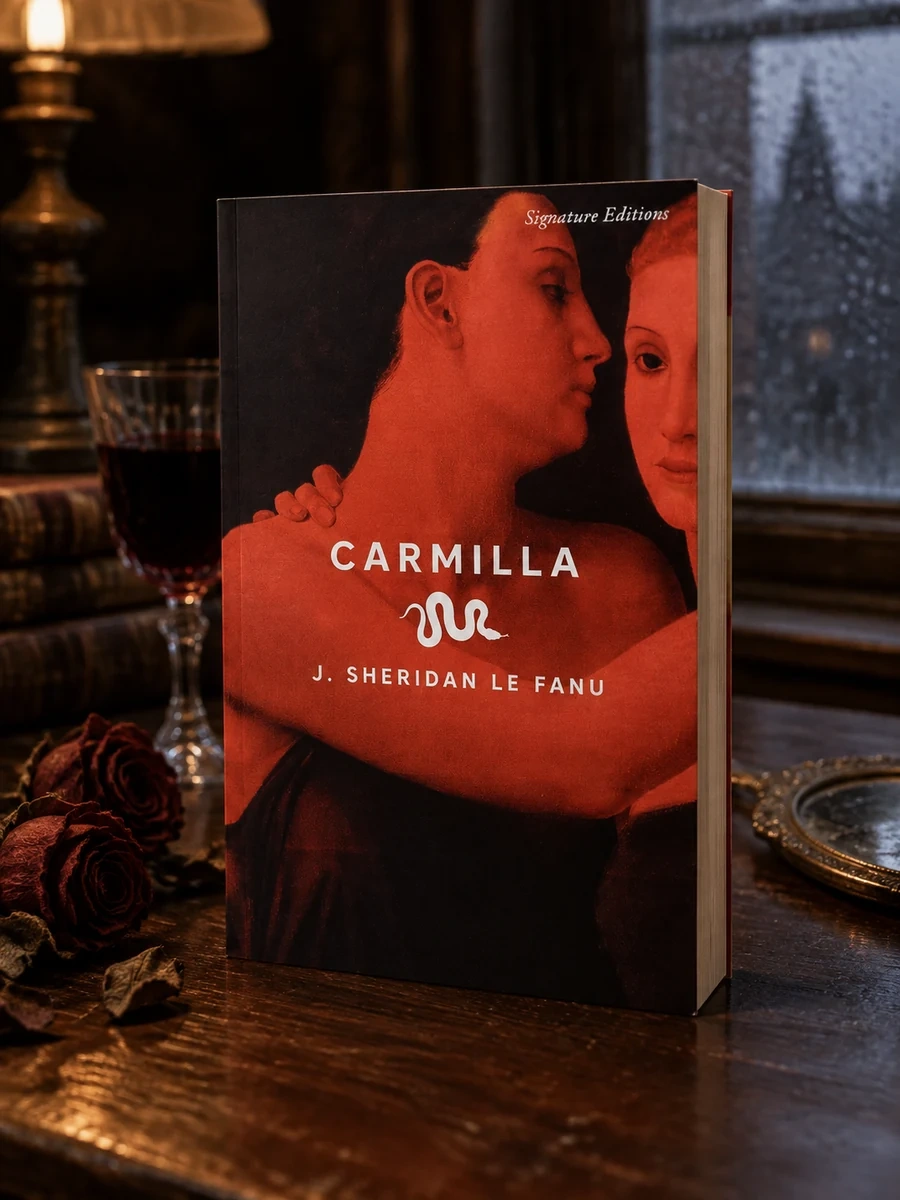
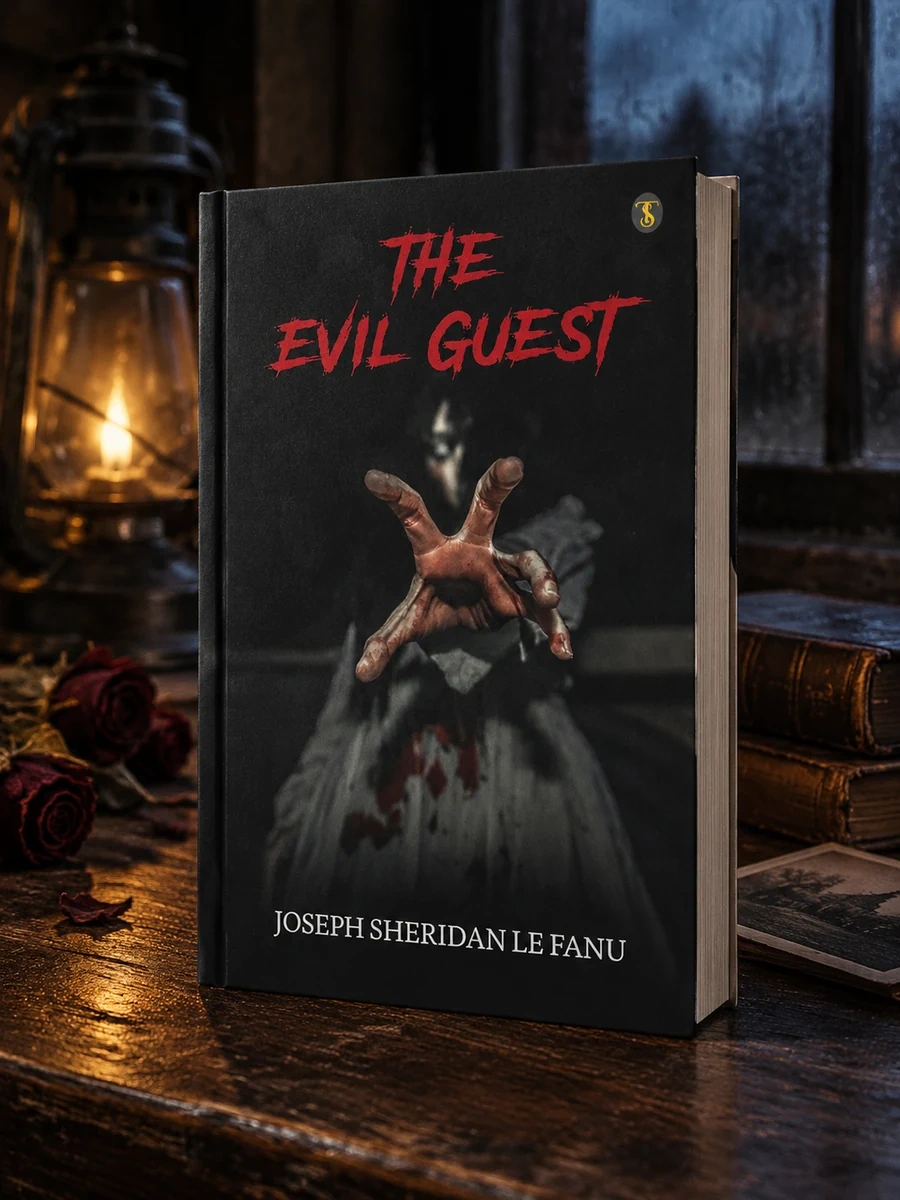
🏛 Books from this publisher Wildside Press


You might also like
See more →


Have a question about this item?
Ask about the edition, condition, delivery or anything else — we reply by email or phone, usually within a day.
