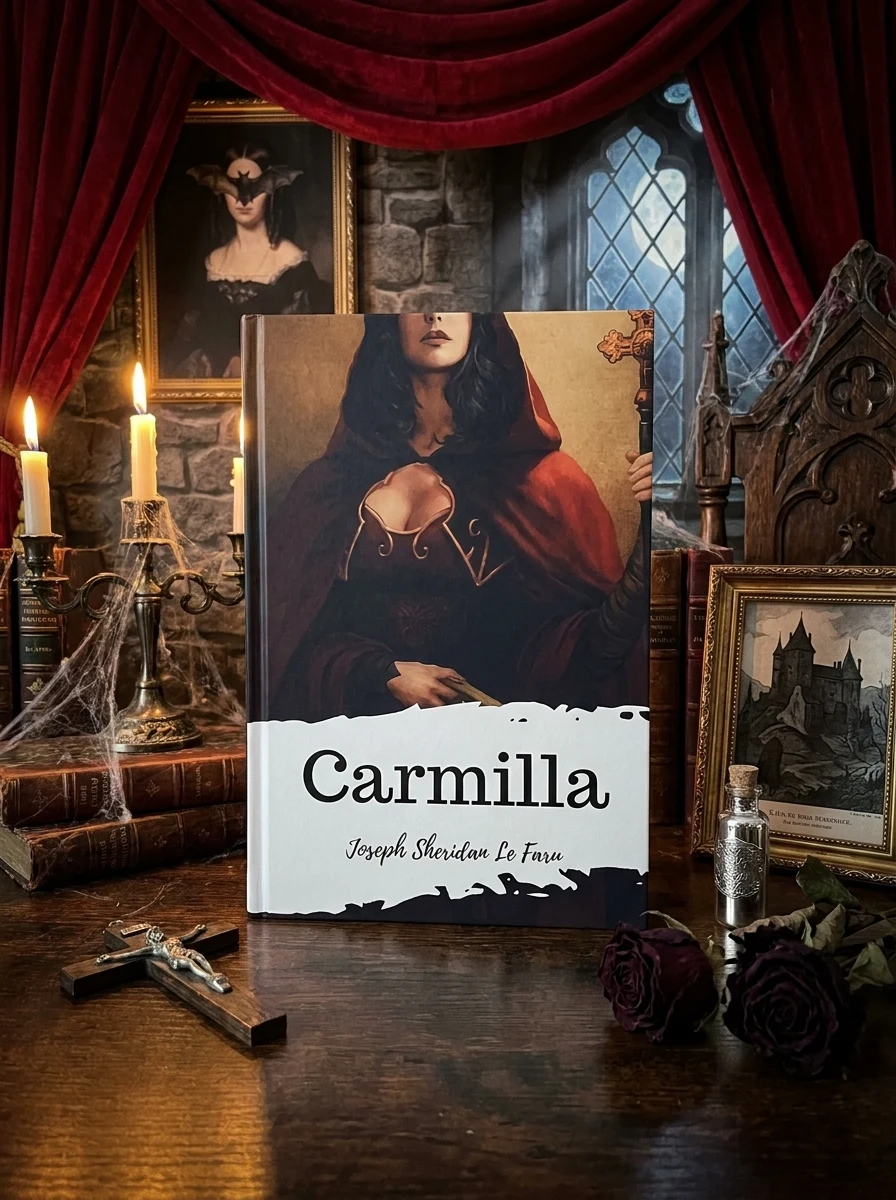
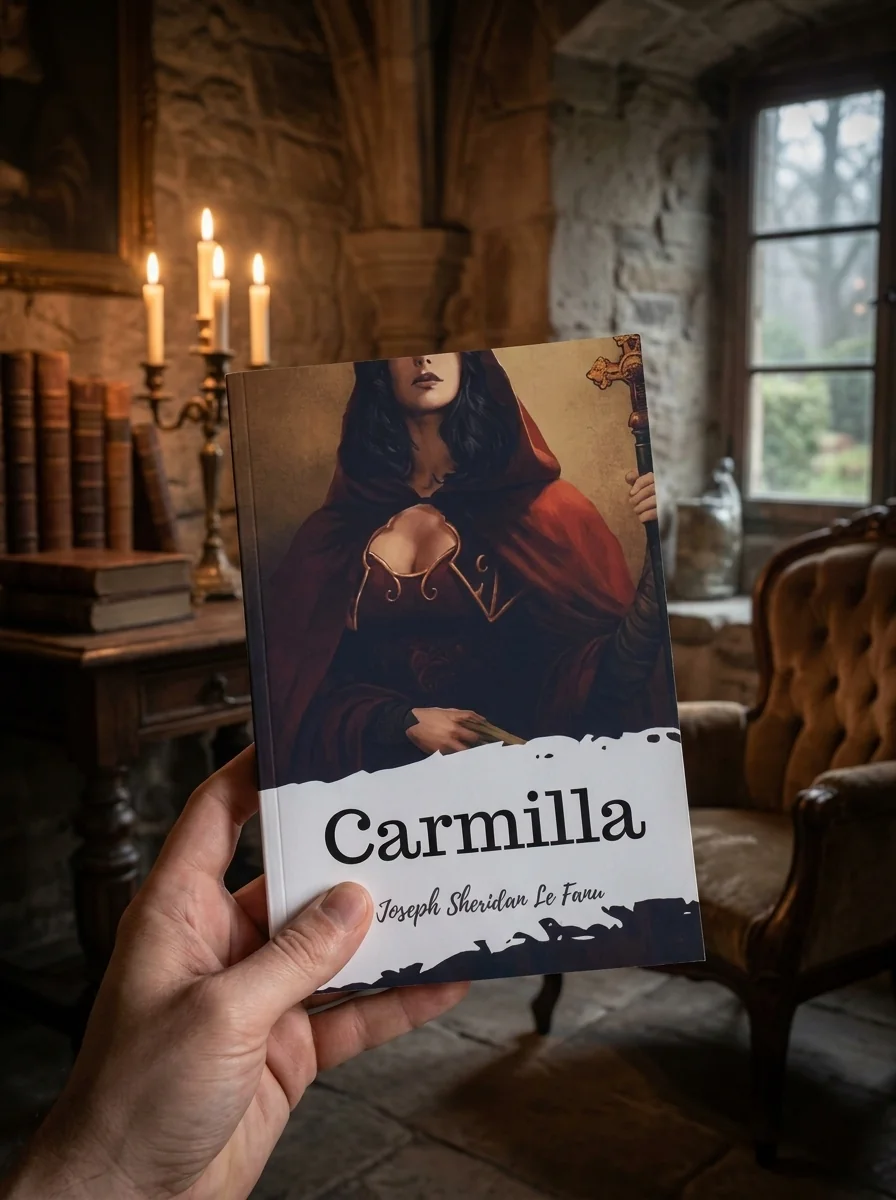
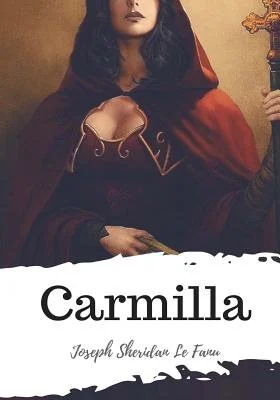
Carmilla
A Gothic novel about a female vampire influencing Bram Stoker's Dracula.
Le Fanu’s Carmilla offers a titillating tale that diverges from traditional male-centric vampire stories. The plot focuses on a lady-loving vampire who targets an unsuspecting family in nineteenth-century Austria. This approach creates a unique atmosphere of dread and intimacy. The novel’s structure allows for a deep exploration of fear and desire. It stands as a key text for understanding the evolution of horror fiction. The influence on later works, particularly Dracula, highlights its importance in literary history. Readers gain insight into the genre’s roots through this specific narrative lens.
This novel sits firmly within the tradition of nineteenth-century Gothic horror. It draws on supernatural fiction tropes prevalent in that era. The work influenced Bram Stoker’s Dracula, marking a pivotal moment in literary history. It reflects the cultural anxieties and narrative styles of its time.


📝 Description: Carmilla
💎 Our verdict on Carmilla
📖 Why choose it
Why this book is worth reading
Readers who appreciate the structural roots of horror fiction will find immense value in this primary source material. It is essential for those tracing the literary lineage that leads to contemporary vampire narratives, particularly Dracula. The book offers a unique lens into how fear and desire were intertwined in classic Gothic tales. Those interested in the subversion of male-centric monster tropes through a female perspective will gain insight into the genre's development. It provides a deep exploration of intimacy and dread rather than simple action. For scholars or enthusiasts of dark fantasy, this work illuminates the specific narrative techniques used to create lingering psychological tension. Understanding these early innovations is crucial for fully appreciating the evolution of supernatural fiction.
⭐ Reader reviews
Reader rating
Le Fanu’s novel excels in crafting an unsettling atmosphere where domestic invasion blends seamlessly with supernatural horror. The slow-burn pacing effectively builds psychological tension, making it ideal for readers who prefer complex character dynamics over rapid action. It suits audiences comfortable with the intricate, intimate dread characteristic of high Gothic fiction. The narrative structure allows for a profound exploration of fear, establishing key tropes that would define later vampire stories. While those seeking modern technological thrillers may find the experience less engaging, fans of classic horror will appreciate its historical significance and atmospheric depth.
📖 Read on the blog
✍️ More books by this author Joseph Sheridan Le Fanu


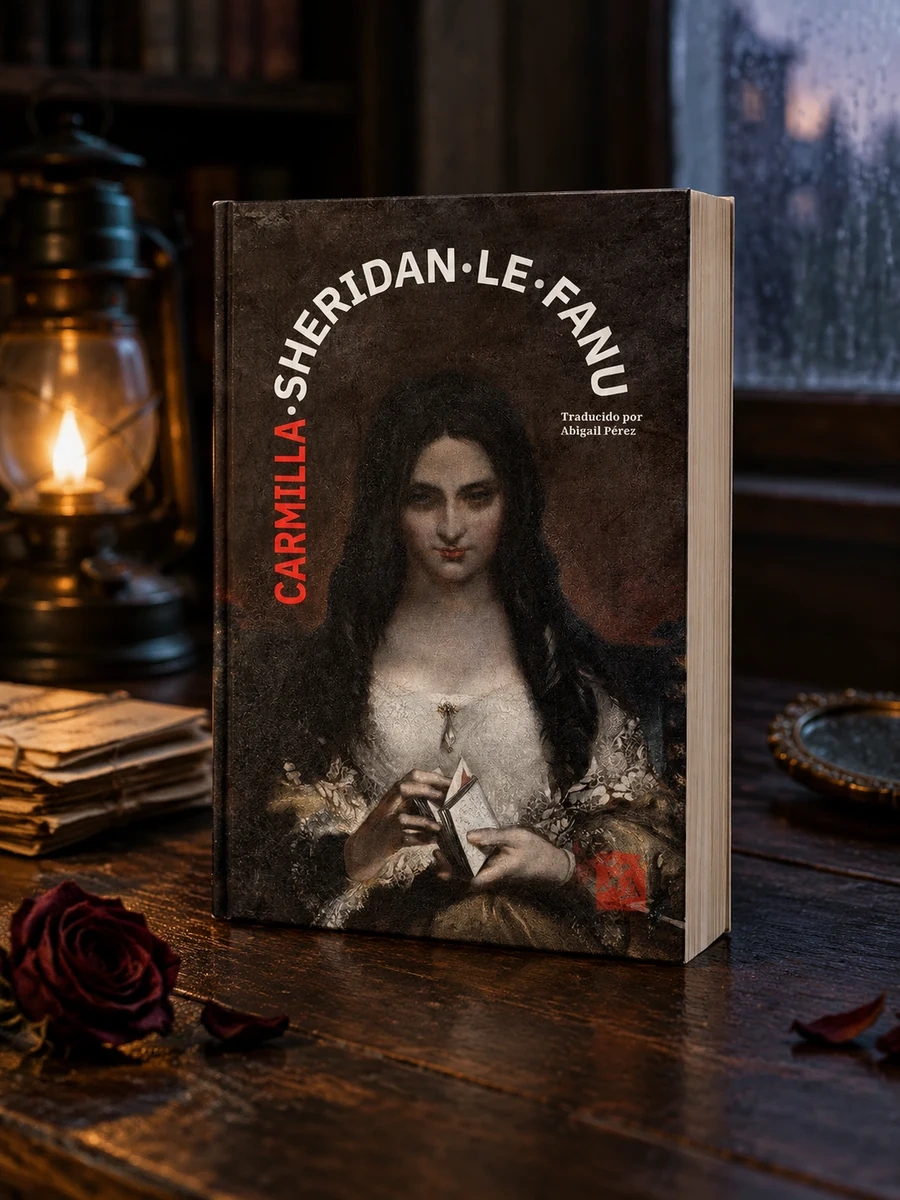
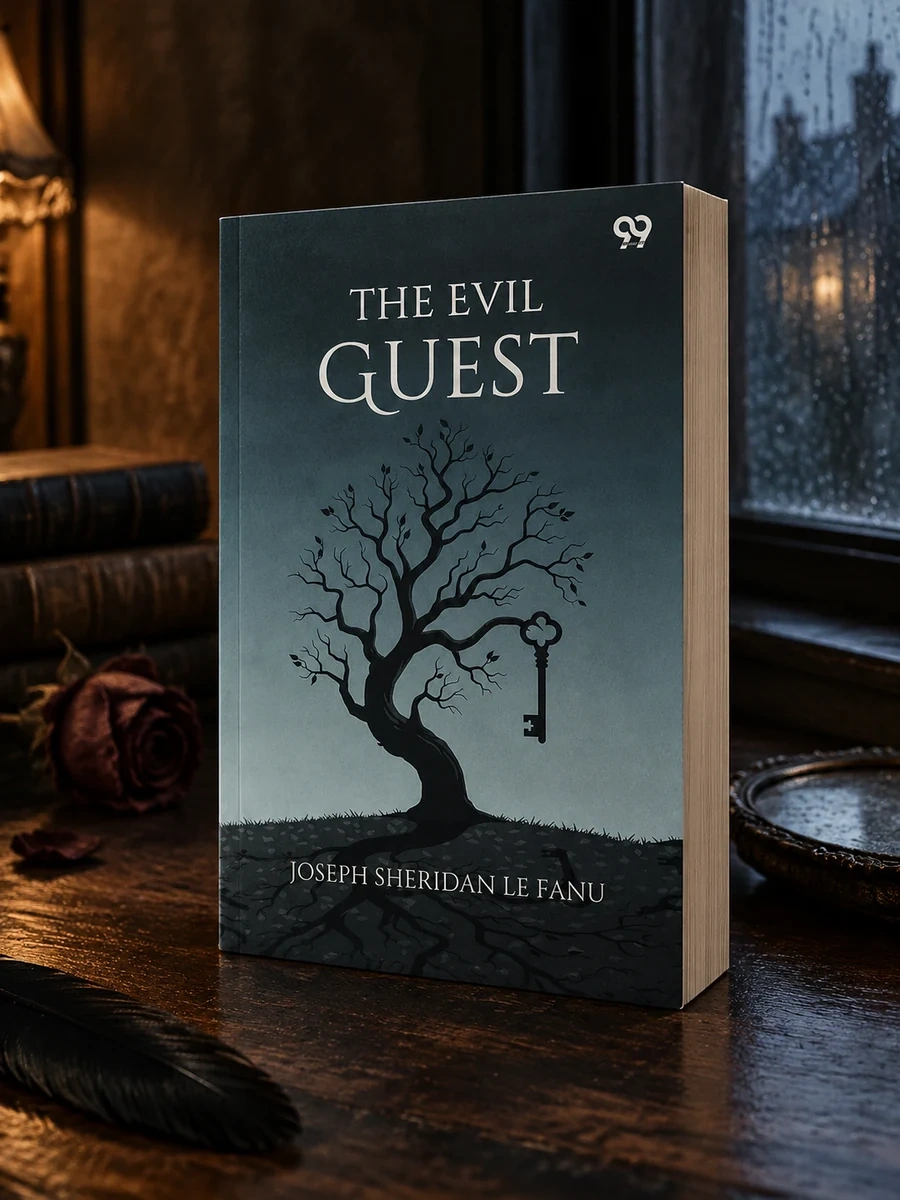
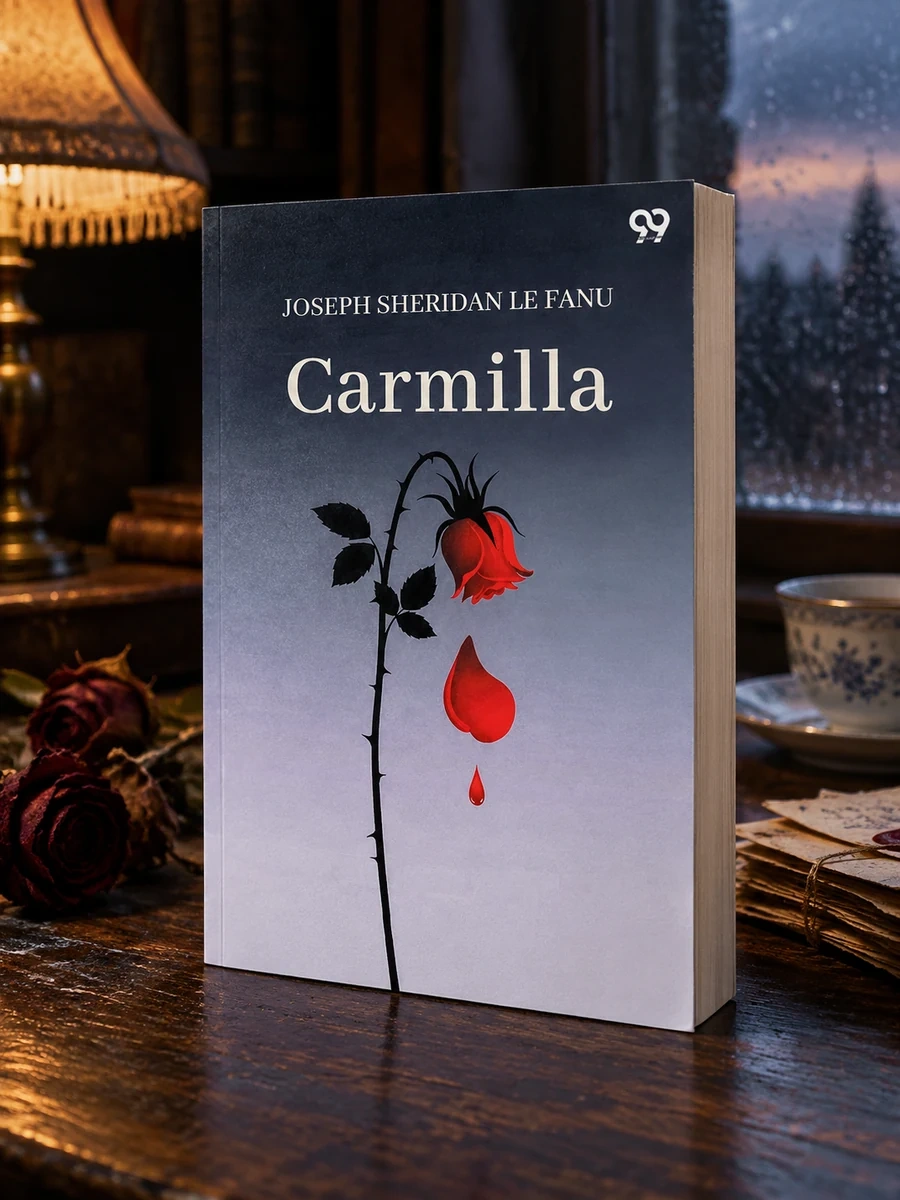
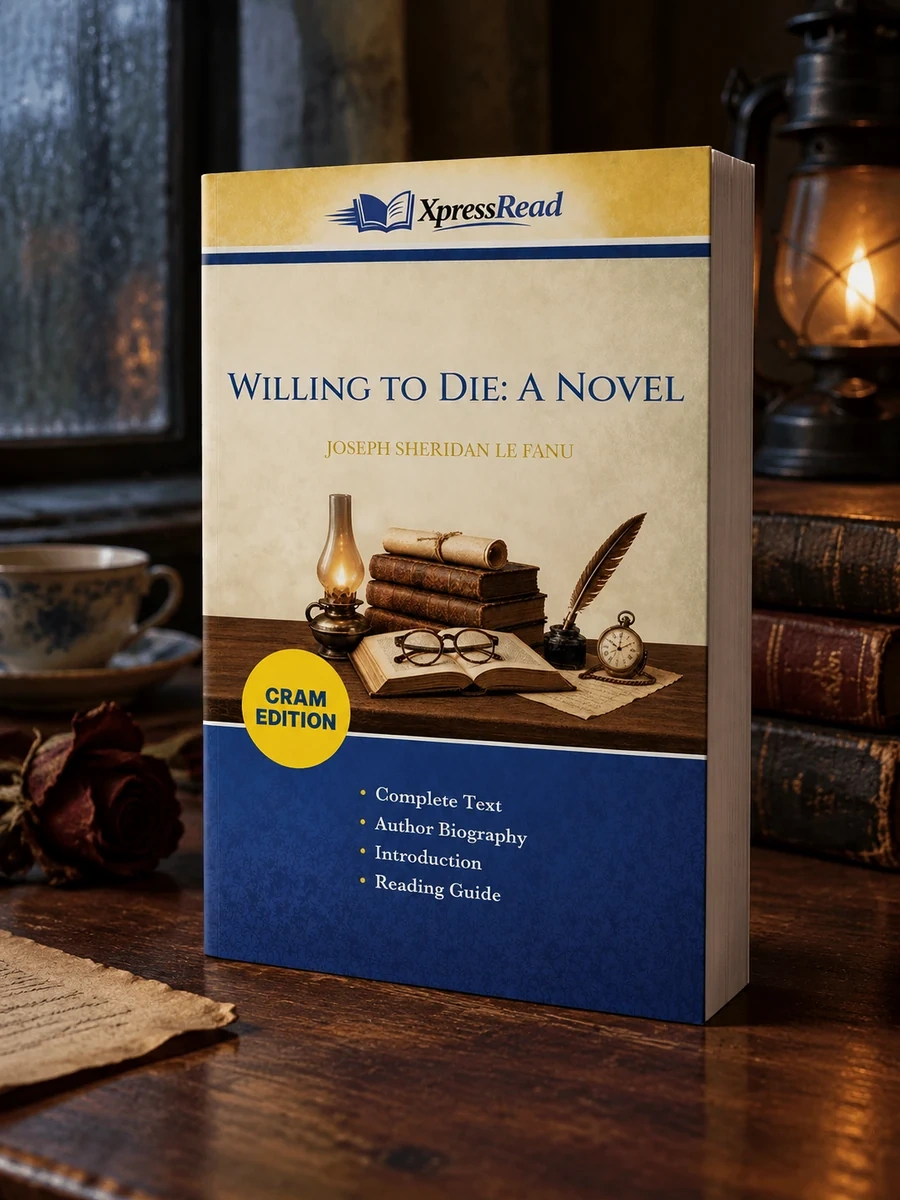
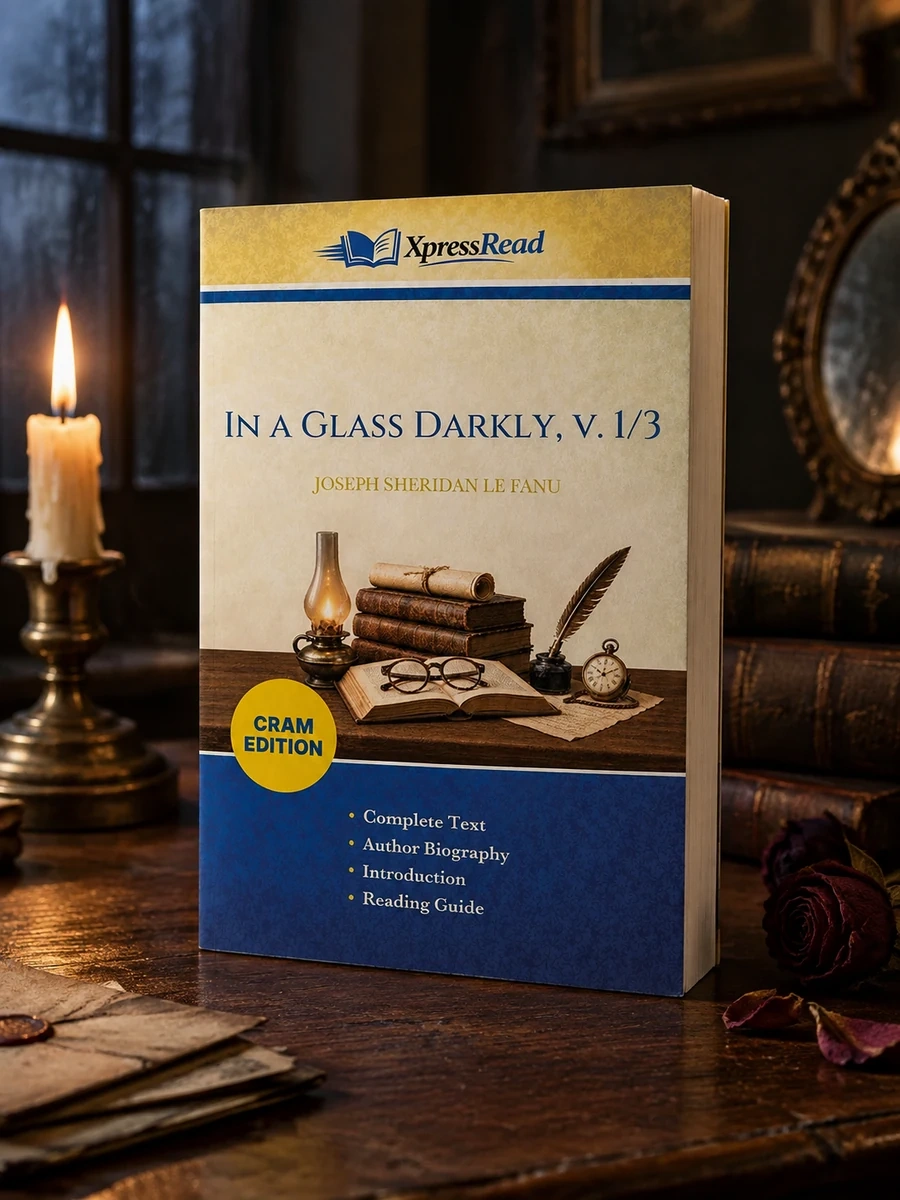
🏛 Books from this publisher Createspace Independent Publishing Platform

You might also like
See more →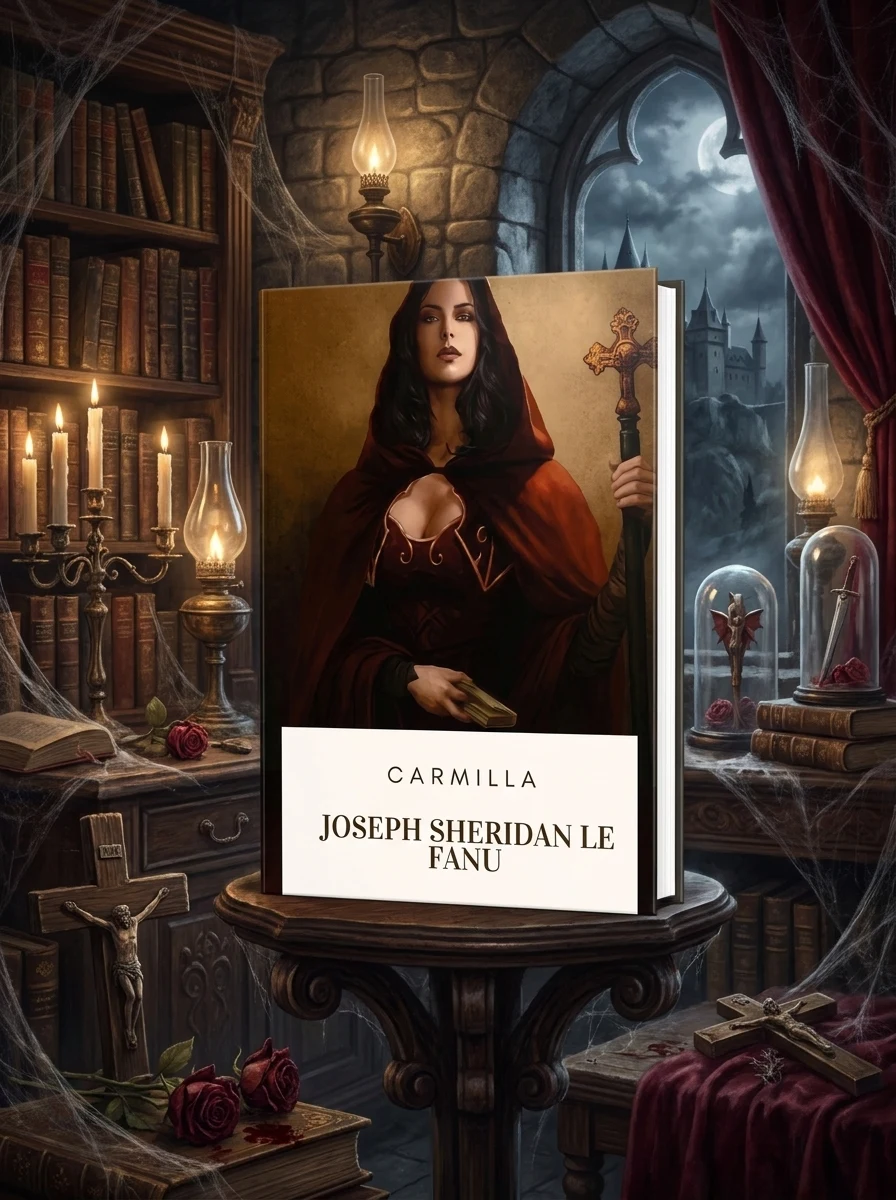



Have a question about this item?
Ask about the edition, condition, delivery or anything else — we reply by email or phone, usually within a day.
