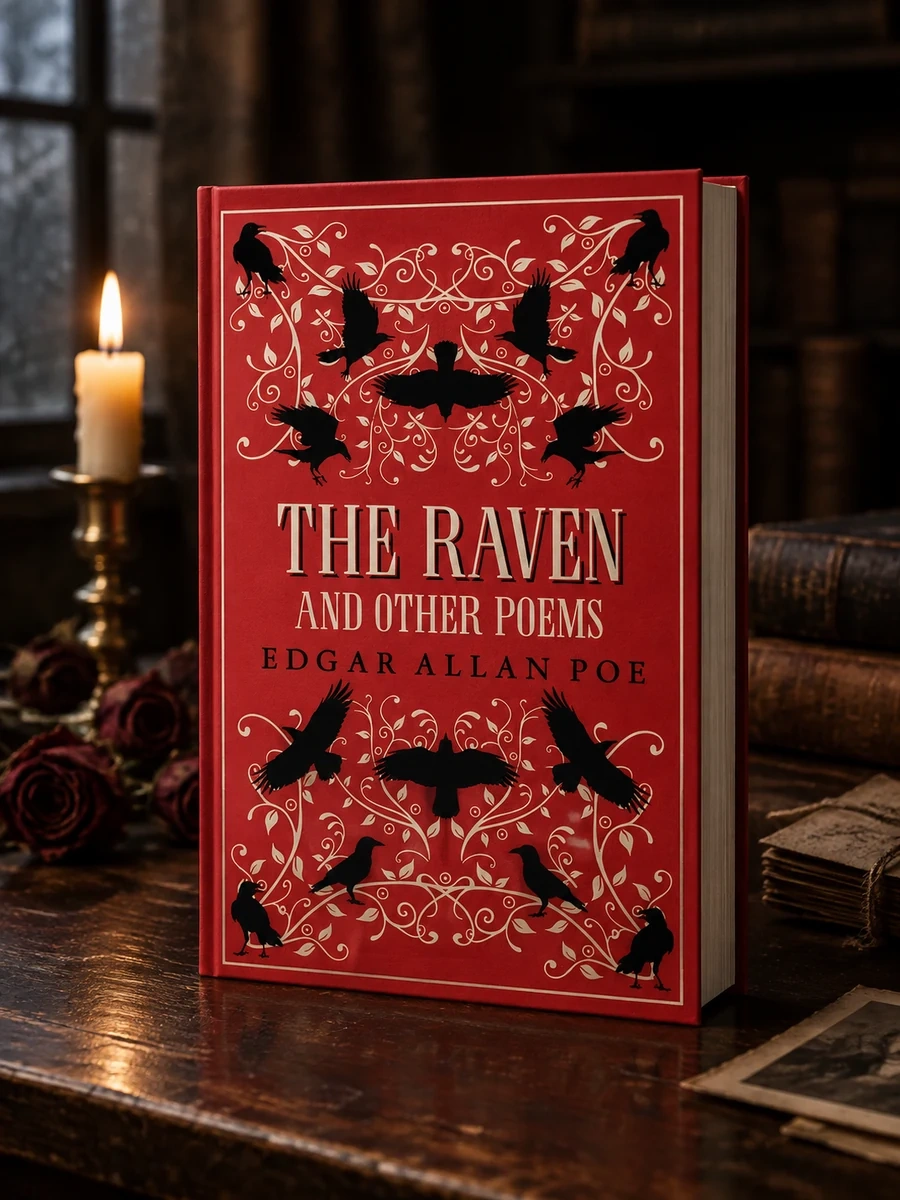
The Raven and Other Poems: Fully Annotated Edition stands as a critical resource for readers seeking to understand the architectural precision behind nineteenth-century American Gothic literature. While Edgar Allan Poe is universally recognized for his contributions to horror and the short story format, his poetry remains a masterclass in structural discipline and auditory manipulation. This specific volume is crafted for scholars of Gothic literature and devotees of Poe’s intricate versification who crave the mechanics behind his art. By pairing the primary texts with extensive scholarly annotations, this edition transforms a familiar reading experience into an analytical examination of form, meter, and vocabulary. Readers are encouraged to slow down and scrutinize the deliberate choices that govern each stanza, recognizing that the haunting atmosphere of Poe’s work relies entirely on rigorous mathematical precision and phonetic engineering.
The utility of an annotated edition becomes immediately apparent when confronting literature from the 1840s. Language evolves, cultural touchstones fade from collective memory, and the specific historical anxieties that informed these poems can easily be lost on a modern audience. The annotations provided here serve as vital bridges, contextualizing arcane vocabulary, classical allusions, and the literary rivalries that often influenced Poe's compositions. Understanding the mythological references in his titular poem or the precise linguistic origins of his more obscure terminology fundamentally alters how a reader receives the emotional weight of the verses. This supplementary material prevents the reader from skimming past difficult passages, demanding instead a thoughtful engagement with the historical and linguistic realities of the period.
For individuals studying the mechanics of literary composition, the volume functions as a practical textbook. Poe famously argued that every word in a composition should drive toward a single, pre-determined emotional effect. Seeing his poetry presented with rigorous academic commentary allows the reader to evaluate this philosophy in practice. The footnotes frequently draw attention to his specific use of trochaic octameter, internal rhymes, and heavy alliteration. Rather than simply feeling the melancholic atmosphere of the verses, the reader is shown exactly how that atmosphere was constructed, piece by piece, through deliberate authorial choices.
What it is about
This edition gathers a curated selection of Poe’s poetic works alongside scholarly commentary exploring his composition techniques and prosody. The focus is squarely on the relationship between sound, rhythm, structure, and the emotional effects created through meticulously crafted verse. Instead of presenting poetry as something to simply read and move past for casual enjoyment, the volume demands attention to the mechanical choices behind the writing. Themes of mourning, the supernatural, tragic loss, and melancholic obsession dominate the text, just as they define the broader American Gothic tradition, but the thematic content is consistently framed through the lens of poetic execution.
The collection places Poe’s work under a microscope, examining his legendary obsession with the death of a beautiful woman as a recurring motif. The annotations dissect how he returns to this theme repeatedly, modifying his meter and phonetic choices to evoke different shades of despair and madness. By presenting "The Raven" alongside his other notable poetic efforts, the collection illustrates his thematic consistency and his evolving mastery of language. The academic notes often highlight connections between his various works, demonstrating how an idea explored briefly in an early poem might be perfected in a later, more famous composition.
The scholarly essays and footnotes are the main attraction for readers who want more than the poems alone. They provide essential perspective on the techniques involved in creating memorable verse. The book functions exceptionally well as a study companion for anyone examining nineteenth-century poetry, the evolution of the Gothic genre, or the specific methods behind atmospheric writing. The supplementary material consistently directs the reader's attention back to the text, ensuring that the critical analysis always serves to illuminate Poe's underlying artistic strategies.
How it reads
The reading experience is deliberate, demanding, and thoughtful rather than fast-moving. The poems themselves are presented with a strong emphasis on rhythm and structure, while the accompanying essays invite slower, methodical consideration. Readers who enjoy examining language, form, and literary technique will find plenty to analyze here. The format forces a halting, staccato reading pace; one reads a stanza, drops to the bottom of the page to consume the annotation, and then rereads the stanza with the new context applied. This process effectively shatters the hypnotic rhythm that Poe’s poetry naturally generates, trading immersive atmosphere for academic comprehension.
In terms of fear or tension, this is not a frightening book in the way a contemporary thriller or modern horror novel might be. Its Gothic qualities come through mood, imagery, and the careful arrangement of words rather than sudden shocks or action-driven suspense. The effect is highly reflective, asking readers to appreciate how poetic choices create unease and psychological intensity. The dread is intellectual rather than visceral, rooted in the contemplation of mortality, isolation, and the fragility of the human mind.
The annotations add an academic tone that makes the collection feel rigorous and sometimes exhausting. That difficulty is the primary source of value for the intended audience, but it will inevitably frustrate readers looking for a simple, uninterrupted introduction to Poe’s work. The voice of the edition strongly favors scholarly examination and structural study over a purely emotional or immersive reading session. It requires an active, alert mind, expecting the reader to engage in a dialogue with the critical notes rather than passively receiving the poetry.
Who it suits, and who it does not
This edition is a superb choice for readers who enjoy academic approaches to Gothic literature, poetry analysis, and historical writing. Students of literature will appreciate the combination of primary texts and rigorous commentary on composition. Fans of Poe who want to fundamentally understand the phonetic structure behind his atmospheric approach will find this highly annotated format deeply rewarding. It serves the needs of literary historians, aspiring poets studying form, and scholars requiring a reliable reference volume.
It is decidedly less suitable for readers searching for a broad collection of narrative horror stories, a contemporary scary read, or a straightforward introduction to the author without academic commentary. The challenging reading level and constant interruptions from the footnotes mean that some readers would undoubtedly prefer a simpler, clean-text selection of poems before approaching such a heavily annotated edition. Those seeking plot-driven fiction should direct their attention to his prose tales rather than his poetry.
At a retail price point around $10, this volume offers a highly specialized reading experience aimed strictly at those who value intensive literary study. Its greatest strength is its unyielding academic focus: it gives serious, uninterrupted attention to poetic form and the phonetic techniques that shape Gothic verse, ignoring mainstream demands for simple entertainment.
If you liked this
1. Edgar Allan Poe: Collected Works
This massive compilation serves as a logical next step for those who wish to see how Poe's theories of composition translate from poetry into prose. It contains a vast array of his short stories, essays, and critiques, providing a comprehensive overview of his entire literary output and demonstrating the full range of his Gothic sensibilities.
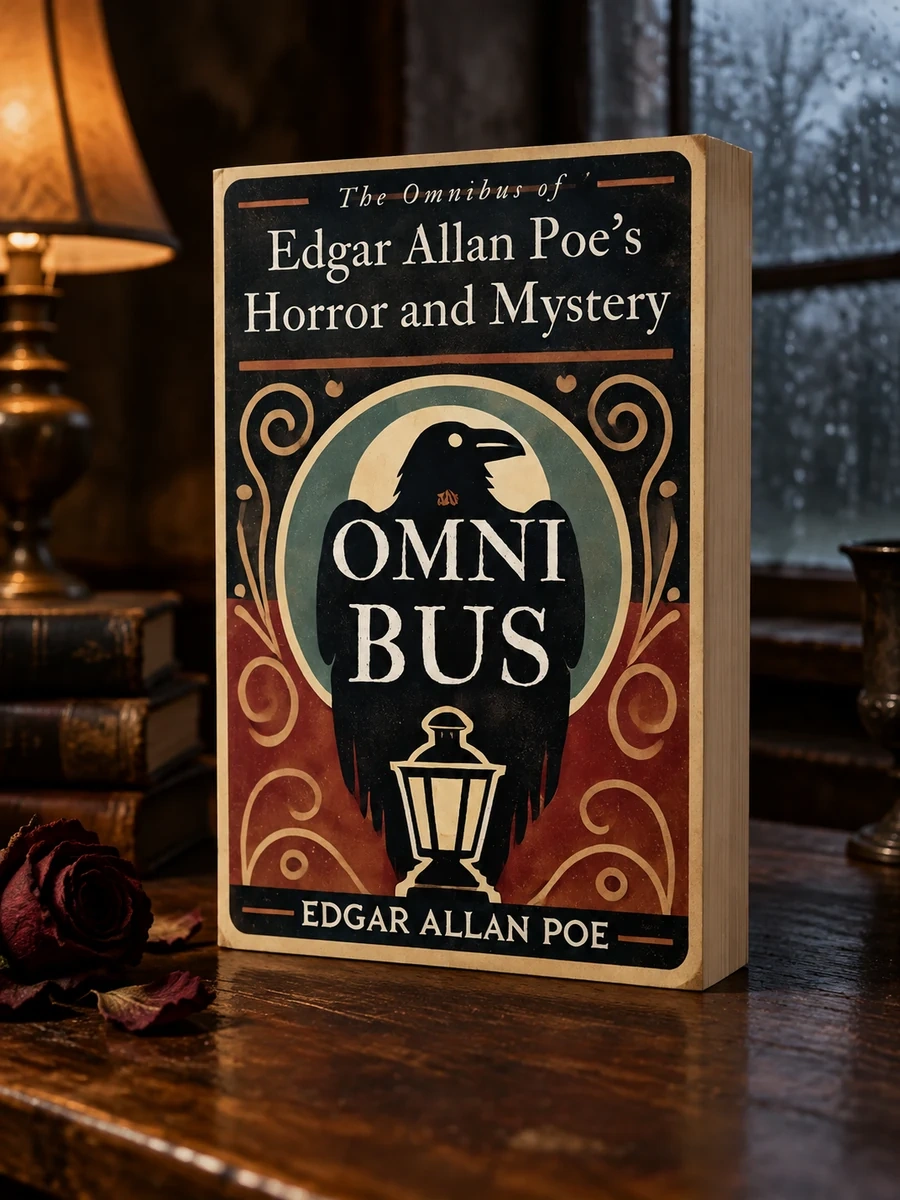
2. The Omnibus of Edgar Allan Poe's Horror and Mystery (Original, Unabridged Classic, Ideal for Gifting)
Perfect for die-hard gothic enthusiasts and students of classic literature seeking the definitive Poe experience. This omnibus focuses heavily on his contributions to the mystery and horror genres, allowing readers to transition from his atmospheric poetry into his highly influential, structurally complex prose narratives.
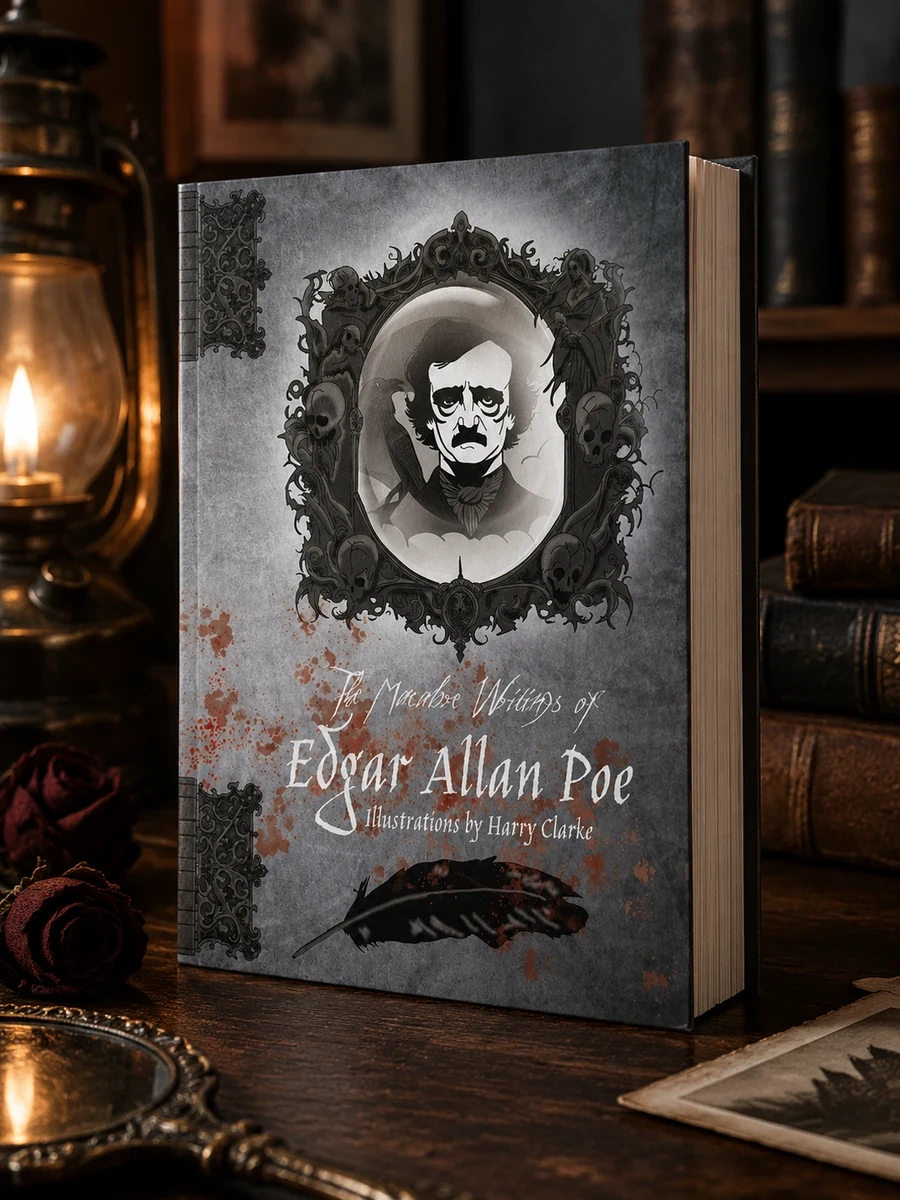
3. The Macabre Writings of Edgar Allan Poe
Readers craving gothic atmosphere and psychological dread will adore this specific collection. It curates Poe's darkest, most unsettling works, stripping away his lighter essays to focus entirely on the morbid themes and claustrophobic terror that define his lasting reputation in American letters.
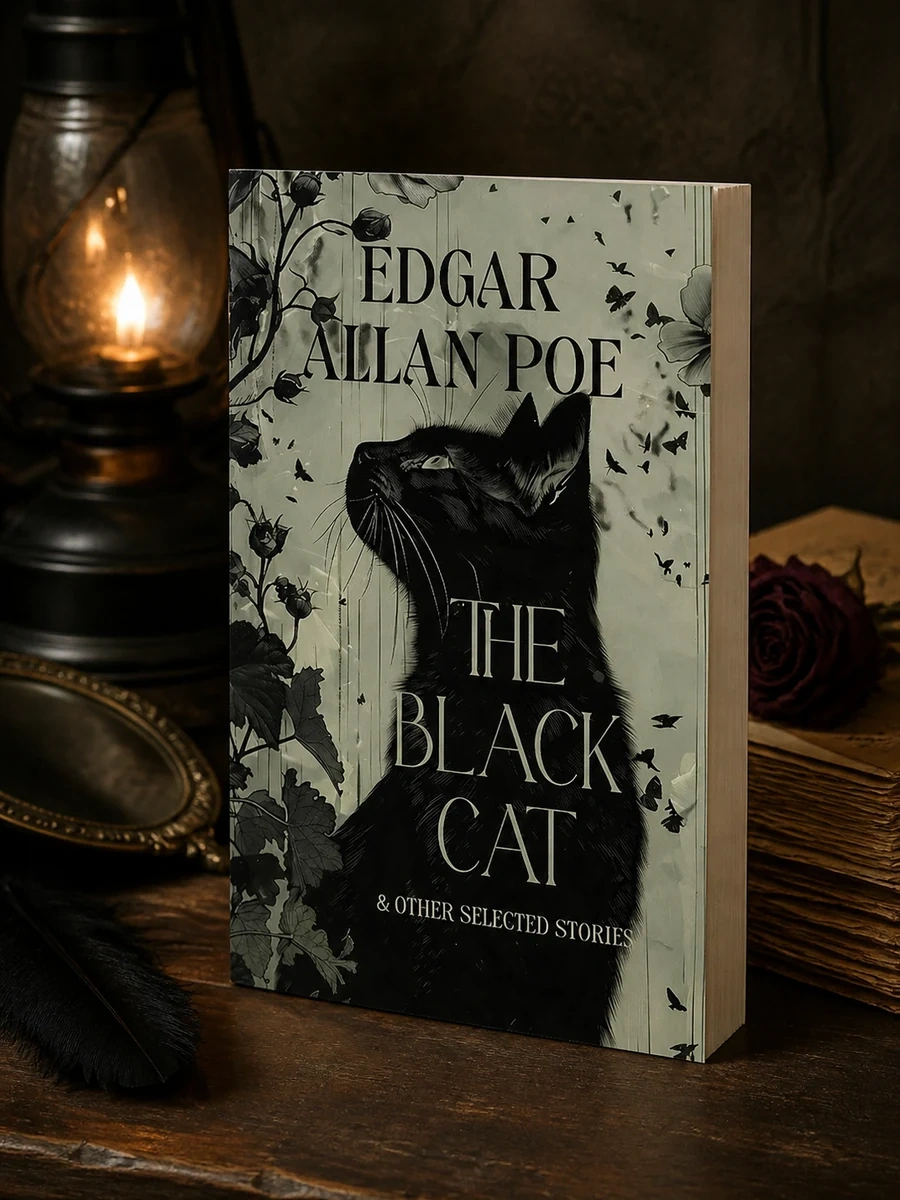
4. The Black Cat & Other Selected Stories
Ideal for devotees of classic American Gothic and psychological dread who appreciate slow-burn atmospheric terror over visceral gore. This volume isolates his most psychologically intense short stories, serving as an excellent prose counterpart to the themes of madness and guilt found throughout his poetry.
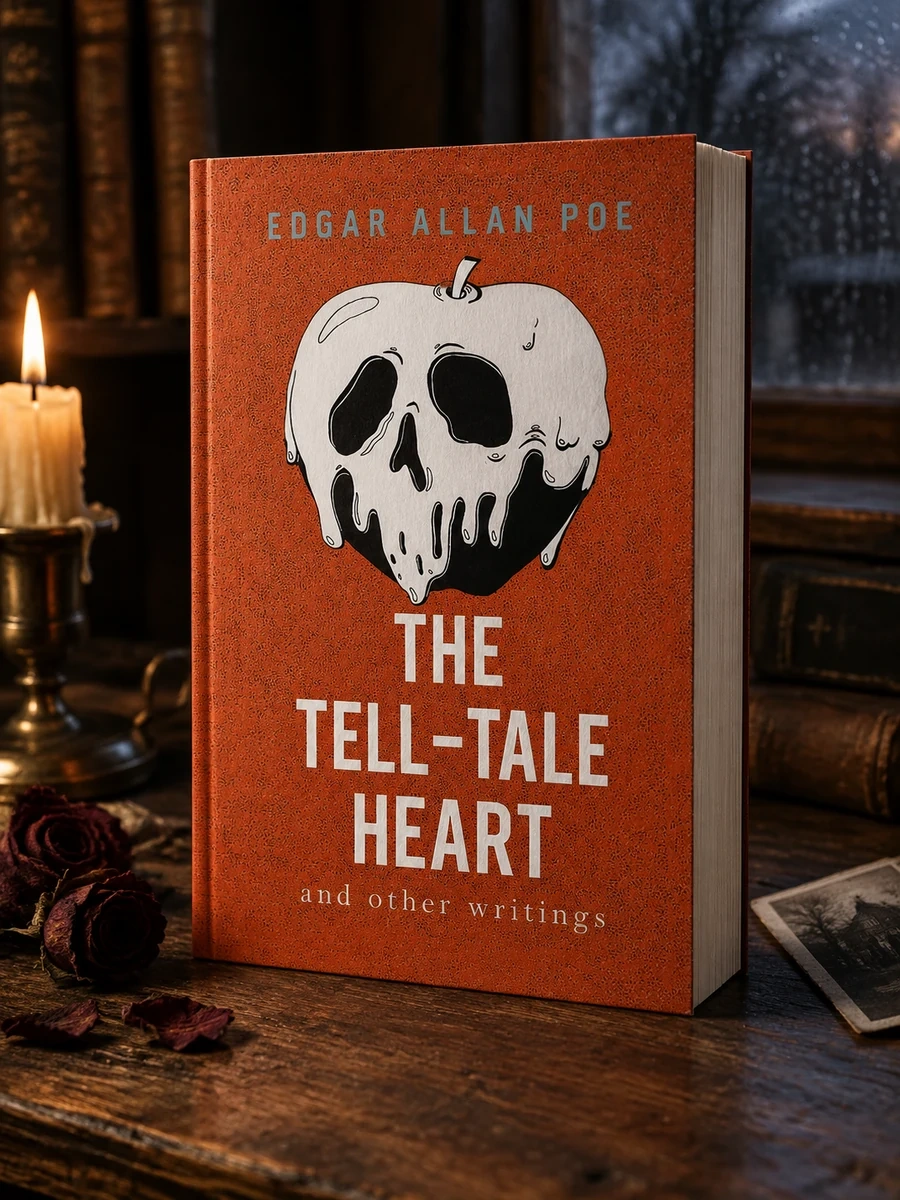
5. The Tell-Tale Heart and Other Writings
This collection zeroes in on Poe's exploration of paranoia and the unreliable narrator. Those who studied the psychological deterioration evident in his poetic speakers will find similar thematic preoccupations explored with brutal efficiency in these classic prose selections.
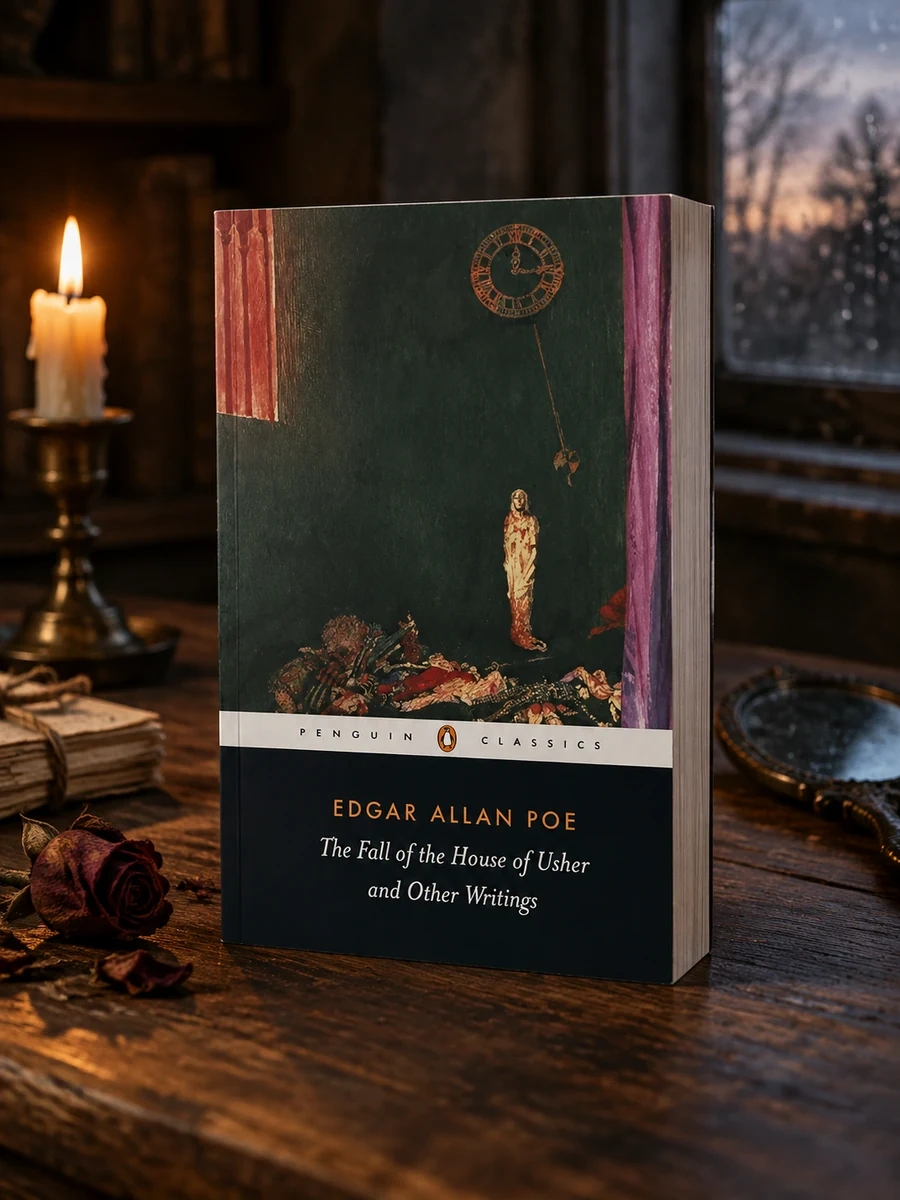
6. The Fall of the House of Usher and Other Writings: Poems, Tales, Essays, and Reviews
Seekers of psychological dread, gothic atmosphere, and the roots of detective fiction will cherish this collection. By mixing his reviews and essays with his creative output, this volume provides tremendous insight into Poe's critical mind and his strict standards for literary success.
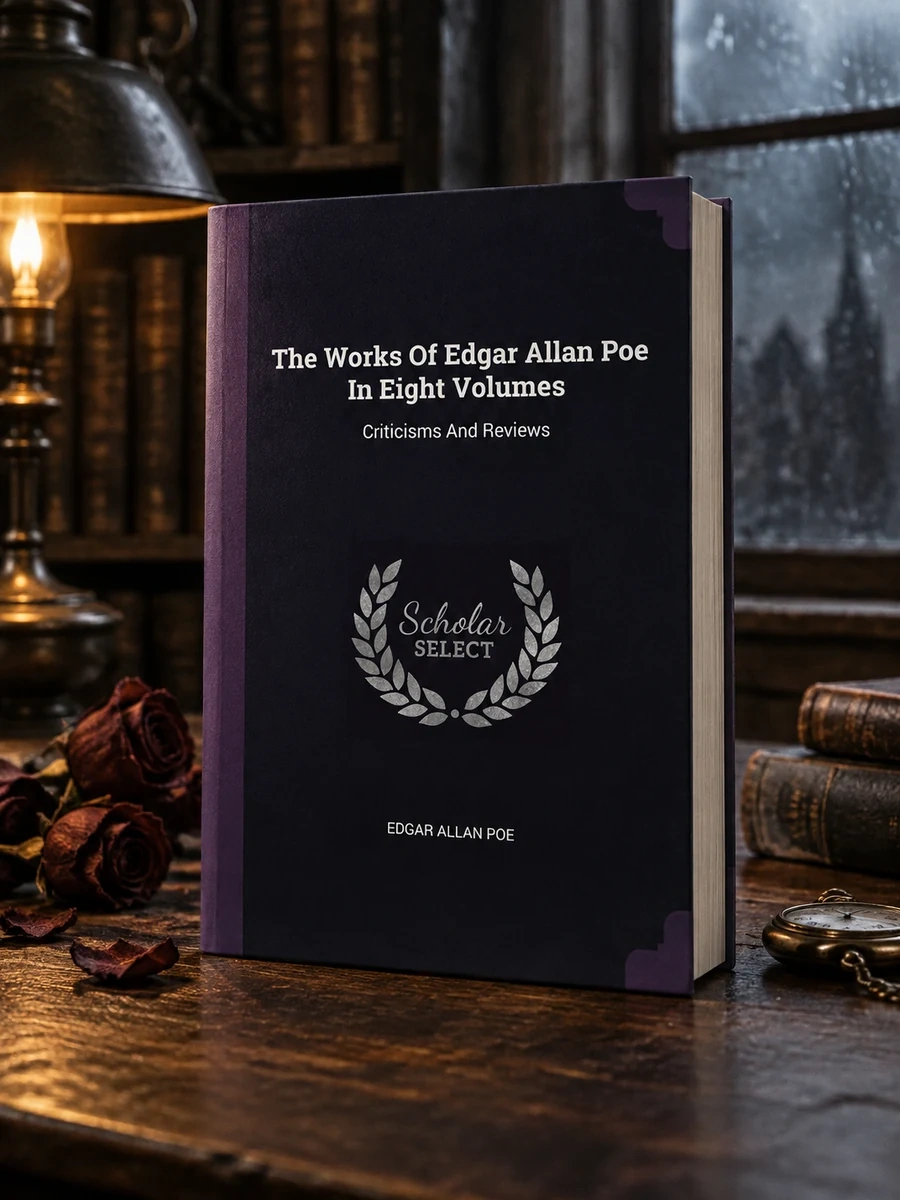
7. The Works Of Edgar Allan Poe In Eight Volumes: Criticisms And Reviews
Scholars and Gothic enthusiasts will cherish this deep examination into historical criticism. For the reader who enjoyed the academic footnotes and structural analysis of the annotated poetry, reading Poe's own savage and exacting literary reviews offers an entirely new perspective on his creative philosophy.
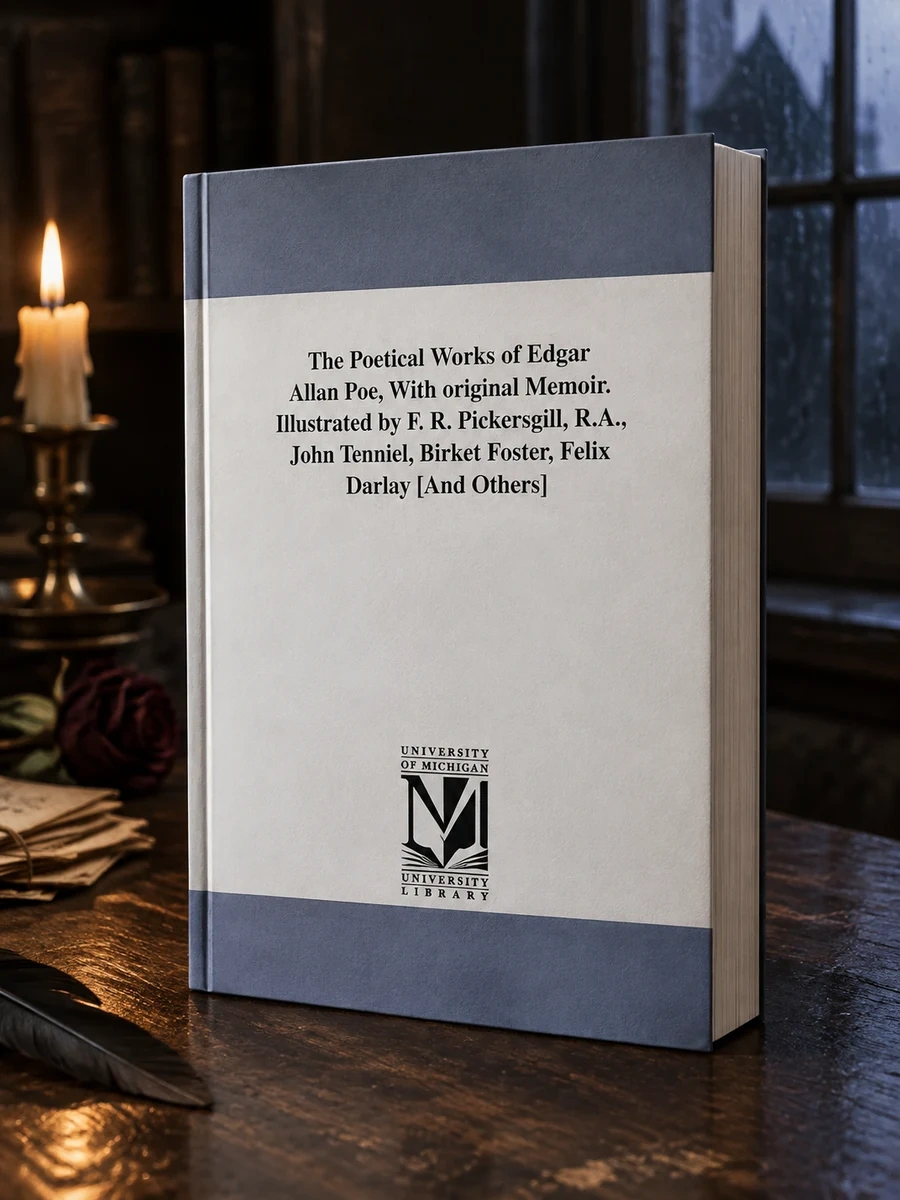
8. The Poetical Works of Edgar Allan Poe, With original Memoir. Illustrated by F. R. Pickersgill, R.A., John Tenniel, Birket Foster, Felix Darlay [And Others
This historically significant edition combines his poetry with original memoirs and classic illustrations. It caters to collectors and literary historians who wish to consume the text exactly as it was packaged and presented to earlier generations of nineteenth-century readers.
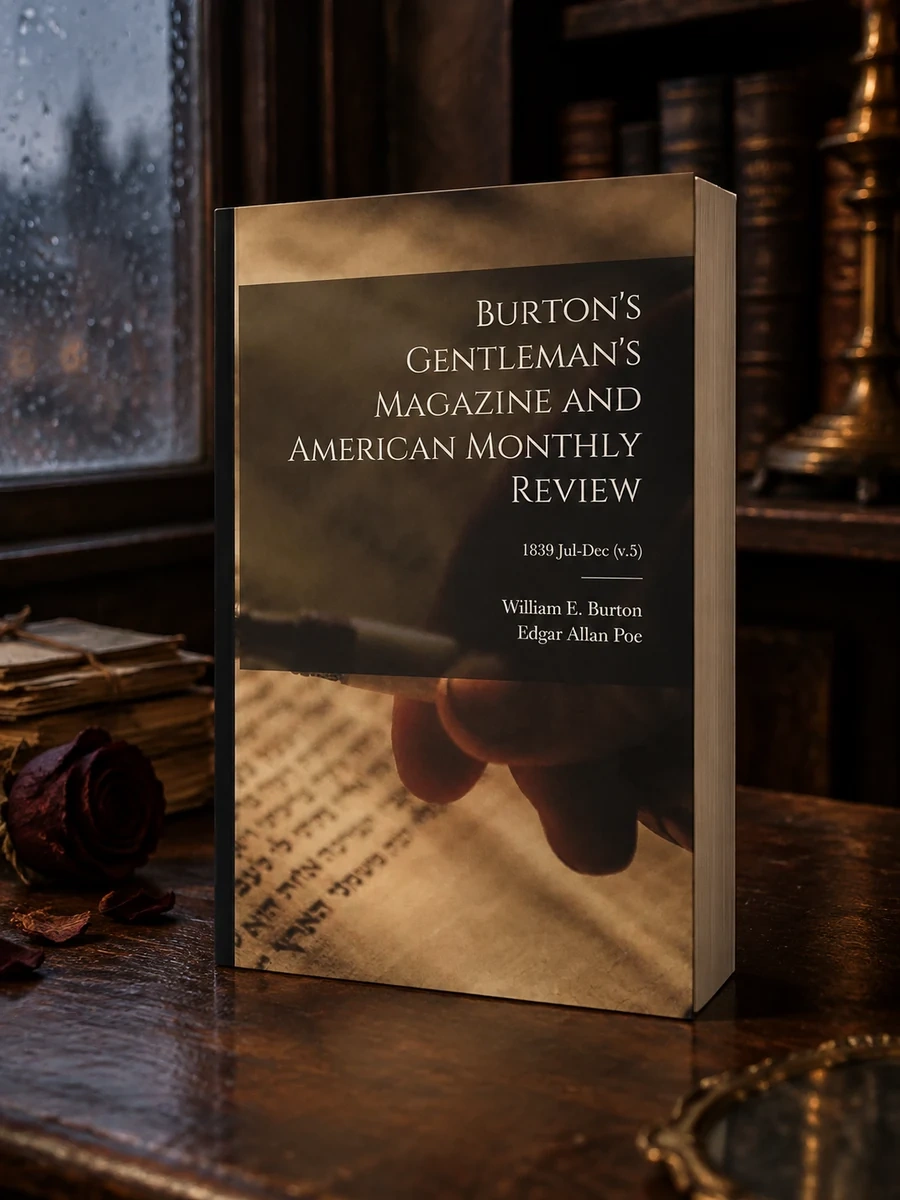
9. Burton's Gentleman's Magazine and American Monthly Review; 1839 Jul-Dec (v.5)
This volume is ideal for literary historians, Poe scholars, and enthusiasts of early American Gothic who crave authentic periodical formats. Reading his work in the context of the actual magazine issues where he served as an editor provides an unmatched view into the contemporary publishing landscape he navigated.
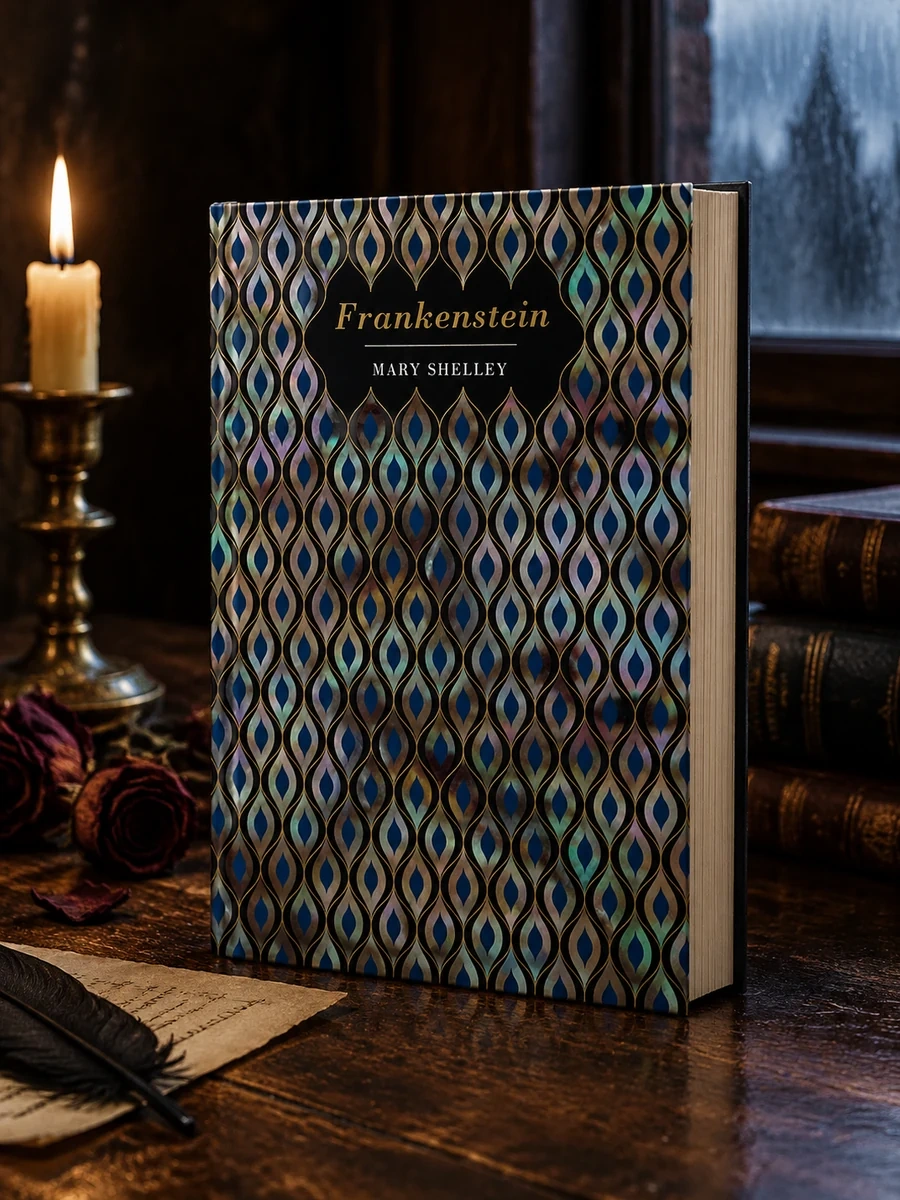
10. Frankenstein
For readers expanding their study of nineteenth-century dark fiction, Mary Shelley's foundational text is mandatory reading. Like Poe's poetry, it utilizes a formal, sophisticated linguistic structure to explore profound anxieties about mortality, creation, and human isolation.
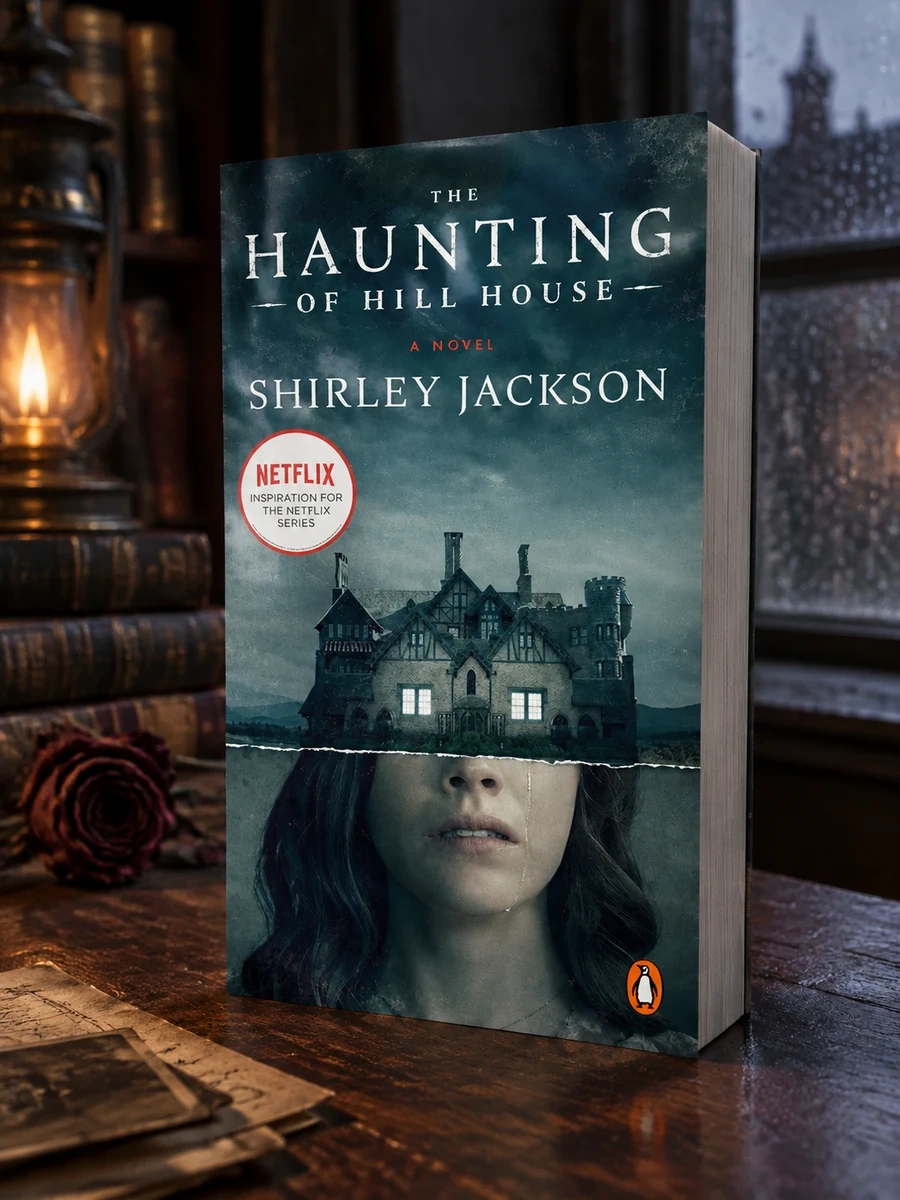
11. The Haunting of Hill House
Seekers of psychological dread who appreciate slow-burn tension and complex character dynamics will adore Shirley Jackson's masterpiece. While written a century later, Jackson perfectly inherited Poe's dedication to architectural precision in writing, utilizing subtle linguistic choices to generate overwhelming atmospheric terror.