🩸Horror Tradition
Tikbalang
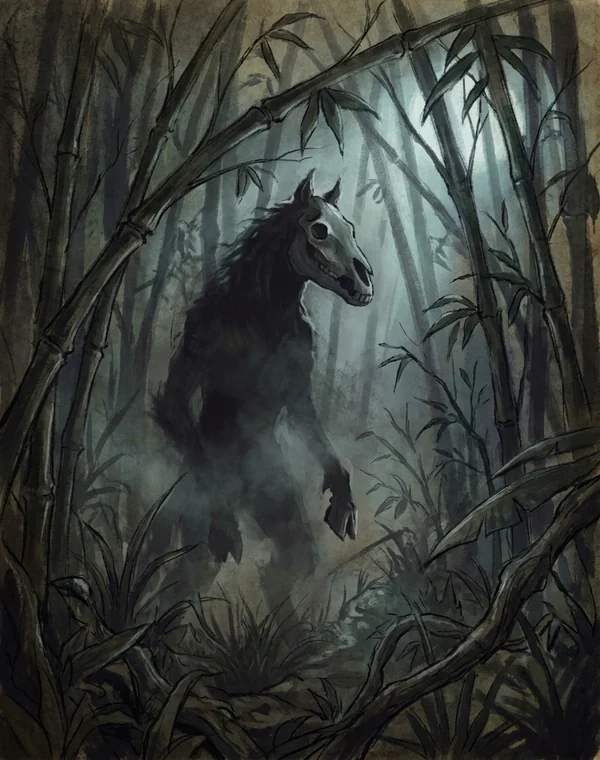
The tikbalang is a malicious, shape-shifting creature from Philippine folklore, traditionally described as having the body of a man and the head and hooves of a horse.
Etymology & Origin
Where the word comes from
The name tikbalang is believed to derive from the Tagalog words 'tikasan' meaning to dislocate or trick, and 'balang' referring to a locust or wandering insect, or from ancient indigenous words for a shape-shifting demon.
Full Definition
In depth
Origins The tikbalang is a prominent figure in Philippine mythology and folklore, deeply rooted in the animist traditions and pre-colonial spiritual beliefs of the Tagalog and other ethnolinguistic groups of the Philippines. Long before Spanish colonization, indigenous communities populated their dense forests, mountains, and twilight shadows with powerful elemental spirits and mythical guardians. The tikbalang emerged as one of these forest-dwelling entities, believed to be the fierce guardian of ancient trees, bamboo groves, and untamed wilderness. Over centuries of cultural synthesis following the introduction of Catholicism, the indigenous view of the creature shifted; Christian missionaries and folklorists often reinterpreted these traditional spirits as demonic entities or manifestations of trickster deception, cementing the tikbalang's fearsome reputation in rural superstition.
What It Is Said to Do According to traditional folklore, the tikbalang is typically depicted as a tall, humanoid creature standing well over seven feet tall, featuring the muscular body of a man combined with the unmistakable head, long mane, and sharp hooves of a horse. These creatures are legendary tricksters known primarily for leading travelers astray in dense jungles or mountainous paths through powerful illusions, causing victims to wander in endless circles despite being only yards away from safety. They are also said to sit upon the branches of large trees at night, watching unsuspecting passersby or leaping down to crush travelers. To protect oneself from a tikbalang's disorientation magic, traditional folklore advises turning one's shirt or clothing inside out, or asking for permission aloud before passing through deep forest territory to avoid offending the unseen guardian.
In Horror Fiction In modern horror fiction, fantasy, and speculative literature, the tikbalang serves as a potent symbol of untamed nature, isolation, and psychological disorientation. Writers use the creature's ability to manipulate perception and spatial awareness to trap characters in inescapable, nightmarish mazes within modern settings or deep rural landscapes. Rather than portraying it merely as a traditional monster, contemporary horror authors often explore the tikbalang as an ancient force reclaiming encroaching urban spaces or punishing human hubris. While specific landmark horror novels dedicated entirely to the creature are rare in Western markets, Philippine speculative fiction and contemporary anthologies frequently feature the tikbalang as a terrifying antagonist that bridges cultural heritage with psychological dread.
Why It Still Frightens The tikbalang endures as a terrifying archetype because it weaponizes the primal human fear of losing one's way, turning familiar paths into hostile labyrinths governed by an invisible, mocking predator.
Connected Concepts
Related horror terms
Further Study