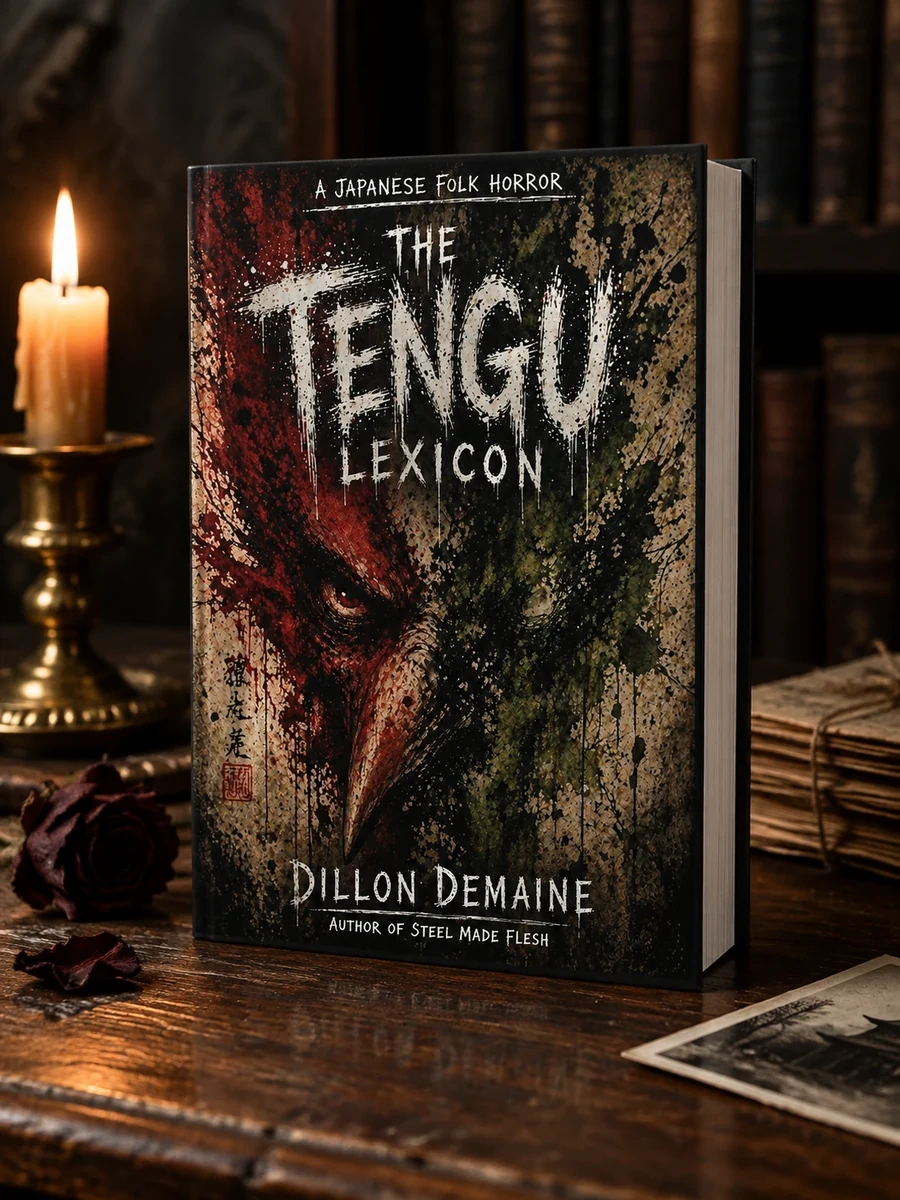
🩸Horror Tradition
Tengu
The tengu are legendary avian-like spirits and mountain hermits originating from ancient Japanese folklore, traditionally associated with pride, martial mastery, and fierce isolation.
Etymology & Origin
Where the word comes from
The name tengu is borrowed from the Chinese tiangou, an ancient celestial dog demon associated with eclipses and falling stars.
Full Definition
In depth
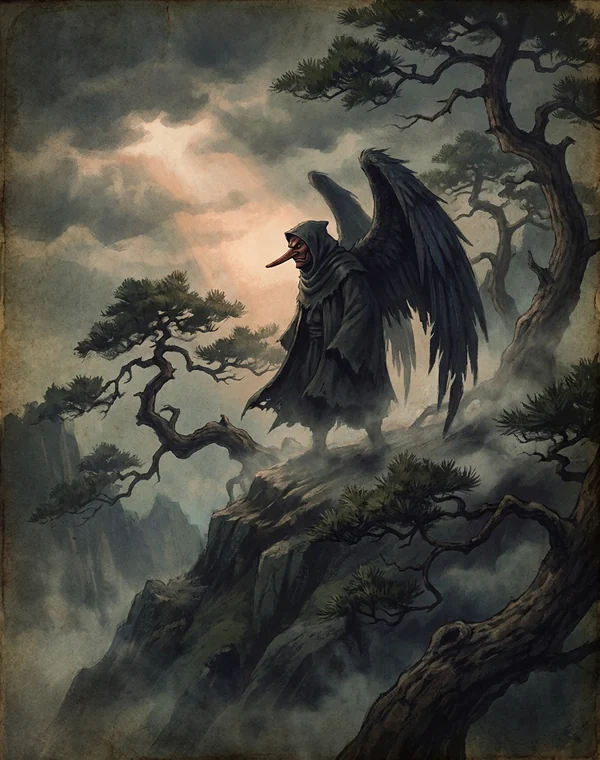
Origins In traditional Japanese folklore, the tengu are ancient mythical beings deeply rooted in Shinto and Buddhist beliefs. Originally conceptualized during the classical period as malevolent bird-like demons and ominous celestial dogs that fell from the sky, their image evolved significantly over centuries. By the medieval era, Buddhist monks and popular storytellers began portraying them less as pure monsters and more as prideful, rebellious priests or warriors who had strayed from the righteous path. They became inextricably linked with deep mountains, dense forests, and high peaks, which were viewed as dangerous, sacred boundaries separating the human realm from the wild unknown.
What It Is Said to Do According to traditional accounts, tengu possess an imposing appearance that blends human and avian traits, often depicted with a sharp bird-like beak or, in later centuries, an unnaturally long, crimson nose and the wings of a hawk or eagle. They are said to possess formidable supernatural powers, including shape-shifting abilities, the mastery of illusion, flight, and unmatched skill in martial arts and swordsmanship. In folklore, they delight in playing cruel tricks on arrogant priests, misleading travelers deep into trackless wilderness, and causing natural disasters. To protect against their unpredictable malice, rural communities practiced avoidance, while travelers offered prayers or left small offerings near sacred mountain paths to appease the volatile spirits.
In Horror Fiction In modern horror and dark fantasy fiction, writers use the tengu to tap into primal anxieties surrounding the wrath of untamed nature and the dangers of human hubris. Because they bridge the gap between divine power and monstrous deception, they serve as terrifying antagonists who exploit the psychological weaknesses of their victims rather than relying solely on brute force. Authors utilize their avian menace and shape-shifting nature to create atmospheres of profound isolation and psychological dread in remote mountain settings, symbolizing the punishing consequences of pride.
Why It Still Frightens The tengu continue to frighten because they embody the terrifying idea that ancient, arrogant forces still watch us from the wilderness, waiting to punish those who overstep their bounds.
Connected Concepts
Related horror terms
Further Study